The Life and Legal Downfall of Phil Spector: A Retrospective
Phil Spector, the iconic music producer responsible for the legendary "Wall of Sound" production technique, passed away on January 16, 2021, while serving a prison sentence for the 2003 murder of actress Lana Clarkson. His death occurr...
Phil Spector, the iconic music producer responsible for the legendary "Wall of Sound" production technique, passed away on January 16, 2021, while serving a prison sentence for the 2003 murder of actress Lana Clarkson. His death occurred at a state medical facility in California at the age of 81, marking the end of a trajectory that spanned from mid-century pop genius to criminal conviction.
Contents
The Architect of the Wall of Sound
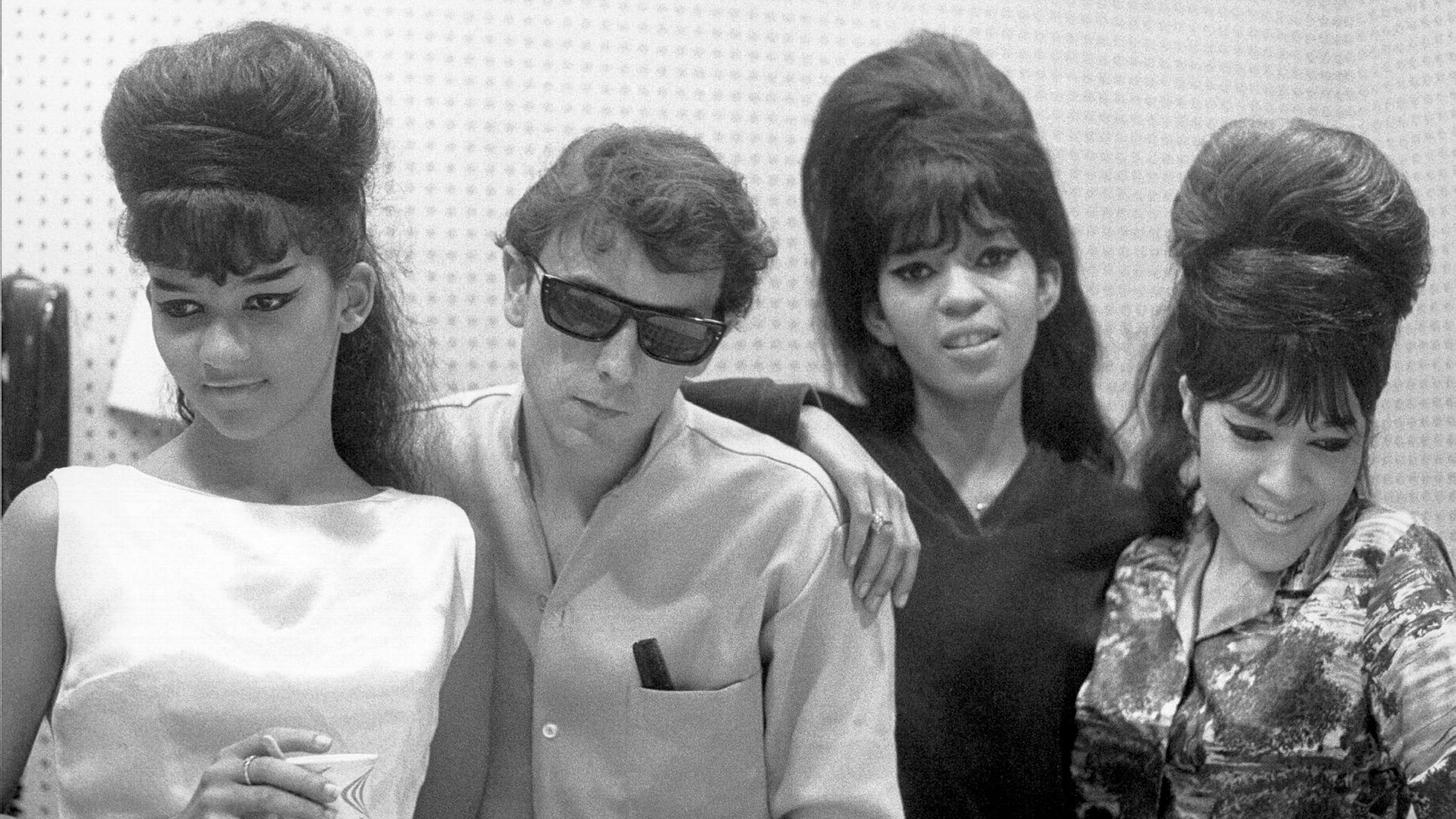
Before his legal troubles defined his legacy, Harvey Philip Spector was arguably the most influential figure in 1960s pop music. Born in 1939, Spector rose to fame as a teenager with the Teddy Bears’ hit "To Know Him Is to Love Him." However, his true impact lay in his development of the "Wall of Sound," a recording method that utilized dense, layered orchestral arrangements to create a massive, symphonic effect on AM radio.
Working from Gold Star Studios in Los Angeles, Spector pioneered the role of the modern music producer as an auteur. His work with groups like The Ronettes ("Be My Baby") and The Righteous Brothers ("You've Lost That Lovin' Feelin'") fundamentally altered the sonic landscape of rock and roll. His contributions to the Beatles' Let It Be album and his collaborations with John Lennon and George Harrison further cemented his status as a titan of the industry, even as his personal behavior became increasingly volatile.
The 2003 Incident and Legal Proceedings
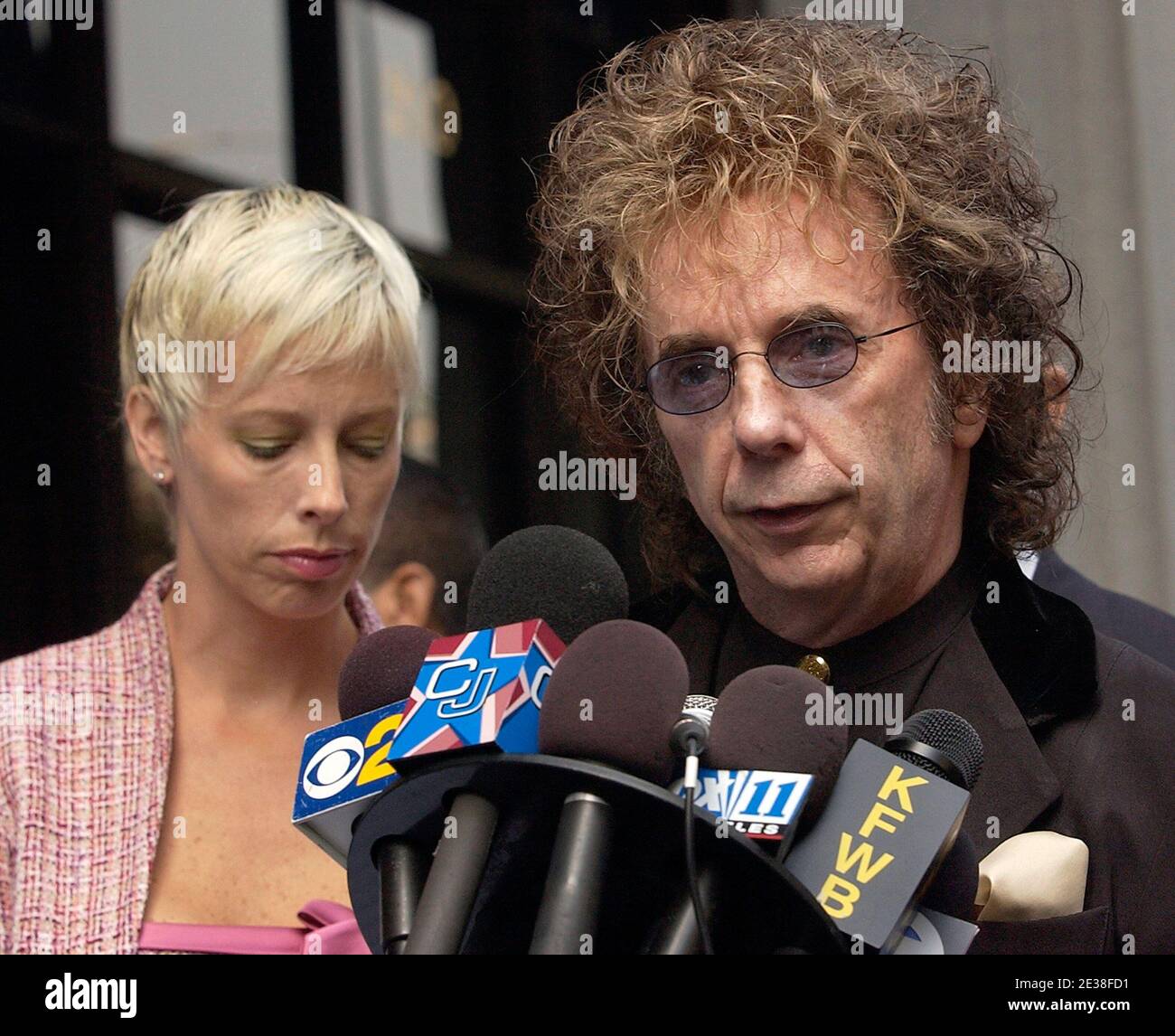
The decline of Phil Spector’s public persona was marked by the tragic death of Lana Clarkson. On February 3, 2003, the 40-year-old actress was found dead in the foyer of Spector’s Alhambra, California, mansion, known as the Pyrenees Castle. She had died from a single gunshot wound to the mouth. Spector was present at the scene and claimed, according to his driver at the time, that he believed the shooting had been an accidental, self-inflicted act.
The subsequent investigation led to a high-profile legal battle that captivated the public. Prosecutors argued that the shooting was the culmination of a pattern of abusive behavior involving firearms. The legal journey took several years:
- Initial Investigation: Spector was arrested on the night of the incident and later released on $1 million bail.
- First Trial (2007): The case ended in a mistrial when the jury failed to reach a unanimous verdict, with a 10-2 count favoring conviction.
- Second Trial (2009): The prosecution presented evidence of prior incidents involving Spector and other women, suggesting a history of violent outbursts. The jury returned a verdict of guilty on the charge of second-degree murder.
Incarceration and Final Years
Following his conviction, Spector was sentenced to 19 years to life in California state prison. He spent the remainder of his life incarcerated, primarily at the California Substance Abuse Treatment Facility and State Prison in Corcoran. During his time behind bars, Spector’s physical and mental health reportedly declined significantly.
In 2020, as the global COVID-19 pandemic impacted the prison system, Spector was transferred to a hospital facility after contracting the virus. On January 16, 2021, he died due to complications related to his illness. The California Department of Corrections and Rehabilitation officially confirmed that his death was the result of natural causes.
Summary of Significant Timeline Events
The following table outlines the key dates defining the later stage of Phil Spector's life, highlighting the progression from his career peaks to the legal conclusion of his life.
| Date | Event | Significance |
|---|---|---|
| 1960s | Peak Production Era | Development of the "Wall of Sound" and global chart success. |
| Feb 3, 2003 | Death of Lana Clarkson | Incident leading to Spector’s arrest at his California home. |
| Sept 2007 | First Trial Mistrial | A jury deadlocks, delaying the final verdict for the prosecution. |
| Apr 13, 2009 | Second-Degree Murder Conviction | Jury finds Spector guilty; he is sentenced to 19 years to life. |
| Jan 16, 2021 | Death in Custody | Spector passes away in a medical facility due to COVID-19 complications. |
Impact on Music History
The dual narrative of Phil Spector—as an artistic genius and a convicted murderer—presents a complex legacy. For music historians, his work remains a mandatory subject of study. The Wall of Sound influenced generations of producers, from Brian Wilson of The Beach Boys to Bruce Springsteen and beyond. His techniques, which involved cramming dozens of musicians into a small studio space to create a "sonic thicket," remain a gold standard for production quality.
However, the shadow cast by the 2003 shooting changed how his music is consumed and discussed. While his contributions to the canon of popular music are undeniable, the shift in public perception toward his personal life has necessitated a re-evaluation of how art is separated from the artist. Museums, archives, and educational institutions often acknowledge both the technical brilliance of his studio output and the dark circumstances of his final years to provide a balanced historical account.
Frequently Asked Questions
Did Phil Spector appeal his murder conviction? Yes, Spector appealed his conviction, but his efforts were ultimately unsuccessful. In 2011, a California appellate court upheld the original conviction, ruling that the evidence presented during the second trial—specifically testimony regarding his prior conduct with firearms—was admissible.
What was the specific charge that led to his prison sentence? Phil Spector was convicted of second-degree murder. Under California law, this reflects the jury's finding that the killing was committed with malice but without the premeditation required for a first-degree murder conviction.
How did the "Wall of Sound" work? The Wall of Sound was created by using large ensembles of musicians, including multiple electric and acoustic guitars, bass, pianos, and percussion, all playing the same parts in a small, acoustically "live" studio space. The sound was then fed through echo chambers to create a dense, layered, and sustained audio texture.
Are there films or documentaries about the incident? There are several documentaries and dramatizations that cover the life of Phil Spector and the trial. Notable examples include the 2013 HBO biographical film Phil Spector, which focuses on his defense team's preparation for the trials, though the film was subject to criticism for its speculative take on the legal proceedings.
Moving Forward
For those interested in the history of 20th-century music, Phil Spector remains an essential, if polarizing, figure. The most effective way to understand his influence is to analyze the original recording sessions and the specific technical constraints he faced at Gold Star Studios. Understanding the transition from his peak creative output to his eventual legal downfall provides a complete view of a life defined by extremes. Researchers looking for primary source material, such as trial transcripts or contemporaneous recording logs, should refer to the California judicial archives and historical musicological journals for the most accurate documentation.
Image Gallery