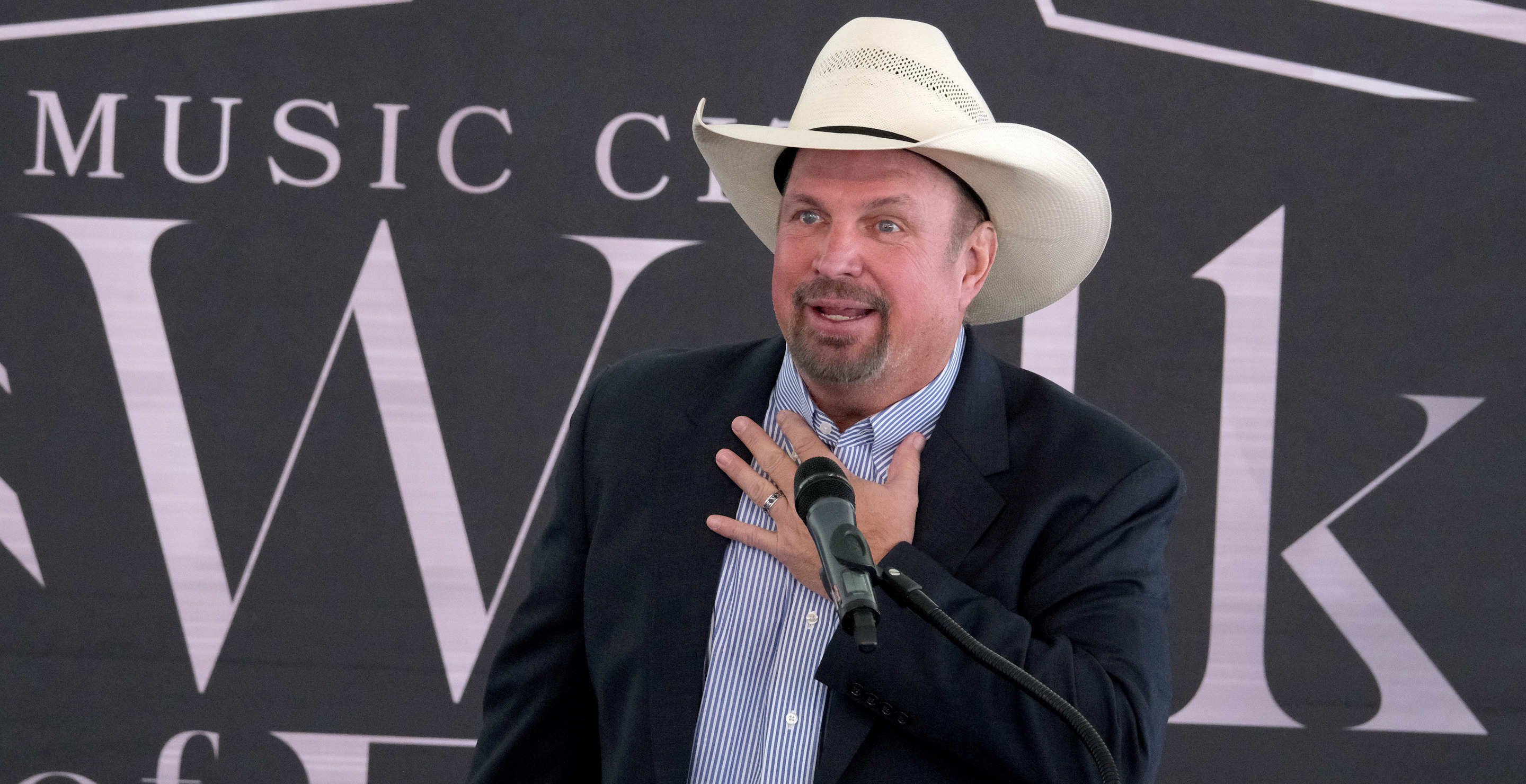
Garth Brooks at the Opry Changed the Game: A Revolution in Country Music History
Garth Brooks changed the game at the Grand Ole Opry by dismantling the barrier between traditional country reverence and modern stadium-scale showmanship. His 1990 induction modernized the institution’s image, attracted a massive young...
Garth Brooks changed the game at the Grand Ole Opry by dismantling the barrier between traditional country reverence and modern stadium-scale showmanship. His 1990 induction modernized the institution’s image, attracted a massive younger demographic, and established a blueprint for how global superstars could maintain lifelong loyalty to the "Mother Church" of country music.
Contents
The Cultural Landscape of the Opry Before 1990
To understand how Garth Brooks revolutionized the Grand Ole Opry, one must first examine the state of the institution in the late 1980s. At that time, the Opry was widely perceived as a bastion of tradition—a place where the "Old Guard" of country music, such as Roy Acuff, Minnie Pearl, and Porter Wagoner, maintained a rigid grip on the genre’s legacy. While the Opry was respected, it struggled to maintain relevance with a younger generation that was increasingly drawn to the high-production values of rock and pop music.
The "New Traditionalist" movement of the mid-80s, led by artists like Randy Travis and George Strait, had begun to revitalize interest in country music, but the Opry remained a somewhat formal, sit-down affair. Performances were often brief, and the interaction between the artist and the audience followed a predictable, polite pattern. There was a palpable fear among industry insiders that the Opry might become a museum rather than a living, breathing powerhouse of entertainment.
When Garth Brooks arrived in Nashville, he brought with him an explosive energy influenced as much by KISS and Queen as by George Jones and Merle Haggard. His entry into the Opry circle didn't just add a new name to the roster; it introduced a visceral, high-energy performance style that forced the institution to evolve or risk obsolescence.
The 1990 Induction: A Turning Point for the Institution
On October 6, 1990, Garth Brooks was officially inducted as a member of the Grand Ole Opry. The timing was significant, coinciding with the Opry's 65th anniversary. Brooks was inducted by Johnny Russell, a moment that bridged the gap between the humor-filled traditionalism of the past and the skyrocketing commercialism of the future. At 28 years old, Brooks was already a phenomenon, but his induction signaled that the Opry was ready to embrace the "Garth Era."
What made this induction a "game-changer" was the speed of his ascent. Usually, Opry membership was a reward for decades of service or a long string of hits. Brooks achieved this milestone less than two years after his debut album was released. This move by Opry management signaled a shift in strategy: they were no longer just honoring the past; they were hitching their wagon to the fastest-rising star in the world.
During his induction night, Brooks demonstrated the humility that would become his trademark, famously weeping and expressing that the Opry was the pinnacle of his career—even more so than the gold records and stadium sellouts. This emotional vulnerability humanized the superstar and solidified a bond with the Opry audience that remains unbroken in 2026.
How Brooks Redefined the Opry Performance Style
Before Brooks, an Opry performance was typically a "stand and sing" affair. Artists stood behind the microphone, played their hits, and shared a few anecdotes. Brooks shattered this mold by bringing stadium-level intensity into the intimate confines of the Opry House.
Breaking the Fourth Wall
Brooks utilized the entire stage, interacting with the band and the audience in a way that felt spontaneous and electric. He wasn't just singing songs like "Friends in Low Places"; he was leading a communal experience. He brought a sense of theatricality—shouting, running, and physical expression—that was previously reserved for rock arenas. This forced the Opry’s technical teams to adapt, improving sound reinforcement and lighting to keep up with a performer who refused to stay stationary.
The "Friends in Low Places" Phenomenon
Perhaps no song changed the Opry "vibe" more than "Friends in Low Places." When Brooks performed it on the Opry stage, the audience didn't just applaud; they roared. It turned the Opry into a giant sing-along, breaking the formal atmosphere and proving that the institution could handle rowdy, anthemic hits without losing its dignity. This paved the way for future members like Kenny Chesney and Blake Shelton to bring their own high-energy shows to the circle.
The "Garth Effect" on Membership and Loyalty
One of the most profound ways Garth Brooks changed the game was by redefining what it meant to be a "member." In the decades prior, some artists viewed the Opry as a stepping stone or a chore once they reached a certain level of fame. Brooks did the opposite. Even as he became the highest-selling solo artist in U.S. history, he continued to prioritize the Opry.
The Gold Standard for Modern Stars
Brooks established a "loyalty blueprint." He proved that you could sell out Wembley Stadium one week and still find your greatest joy standing in the six-foot circle of wood at the Opry the next. This influenced a generation of artists—Brad Paisley, Carrie Underwood, and Dierks Bentley—to view Opry membership as their most prized possession. Because the biggest star in the world treated the Opry with such reverence, every subsequent star felt compelled to do the same.
Revitalizing the Induction Process
Because of Brooks, the "surprise" induction became a major media event. He has often been the one to invite new members into the fold, using his stature to magnify the importance of the moment. By being a constant presence, he ensured that the Opry remained the "North Star" for any country artist's career aspirations.
Modernizing the Business and Global Reach
Brooks wasn't just a performer; he was a savvy businessman who understood the power of the Opry brand. He played a pivotal role in ensuring the Opry transitioned into the digital and global era.
In the 1990s and early 2000s, Brooks was instrumental in media deals that kept the Opry on television and, eventually, streaming platforms. He understood that the Opry needed to be "everywhere." His involvement in televised specials, such as the Opry’s 75th-anniversary celebration, brought millions of viewers to the program who might never have tuned into a traditional radio broadcast.
| Feature | Pre-Garth Era (Before 1990) | Post-Garth Era (1990–Present) |
|---|---|---|
| Audience Demographic | Primarily older, rural-based listeners. | Multigenerational, international fan base. |
| Performance Energy | Static, traditional, and reserved. | High-energy, theatrical, and interactive. |
| Media Presence | Focused on WSM Radio and local TV. | Global streaming, cable specials, and viral social media. |
| Artist Perspective | A mandatory career milestone for veterans. | The ultimate "arrival" for global superstars. |
| The "Circle" Symbolism | Respected by insiders. | A globally recognized icon of musical heritage. |
The Enduring Legacy in 2026
As we look at the Opry in 2026, the "Garth Brooks influence" is visible in every facet of the show. The institution currently enjoys a level of global prestige that was not guaranteed 30 years ago. Brooks’ insistence that the Opry stay "current" while honoring its roots allowed it to survive the decline of terrestrial radio and the rise of on-demand streaming.
His 2021 performance at the Grand Ole Opry’s 95th anniversary—and subsequent appearances leading into the centennial preparations—demonstrate that his "game-changing" impact wasn't a one-time event, but a lifelong commitment. He didn't just change the game for himself; he changed the rules for how the entire industry interacts with its history.
FAQs About Garth Brooks and the Grand Ole Opry
When was Garth Brooks inducted into the Grand Ole Opry?
Garth Brooks was officially inducted into the Grand Ole Opry on October 6, 1990. He was introduced by Opry legend Johnny Russell. This induction happened remarkably early in his career, following the massive success of his first two albums, Garth Brooks and No Fences.
Who did Garth Brooks induct into the Opry?
Over his career, Garth Brooks has had the honor of inducting or inviting several artists into the Opry family. Notable names include Randy Travis (whom he officially inducted during a 25th-anniversary celebration) and various others where he served as the guest of honor to present the trophy. His presence at an induction is considered the highest form of validation in the Nashville community.
Why is Garth Brooks' impact on the Opry considered "game-changing"?
It is considered game-changing because he bridged the gap between traditional country and the modern "superstar" era. He proved that an artist could have pop-level success and still remain a humble, dedicated member of the Opry. He also changed the performance style from a static radio show to a dynamic, visual stage production.
How often does Garth Brooks perform at the Opry?
While he does not have a weekly schedule, Brooks makes frequent "surprise" appearances and participates in major milestone events. In 2026, he remains one of the most anticipated performers, often appearing during the Opry’s anniversary months or for special benefit shows.
What is "The Circle" at the Grand Ole Opry?
"The Circle" is a six-foot wide piece of oak flooring removed from the stage of the Ryman Auditorium (the Opry's former home) and moved to the current Grand Ole Opry House. It represents the continuity of country music history. Garth Brooks is famous for his deep reverence for the circle, often stating that standing within it is the most nervous and honored he ever feels as a performer.
Recommended Next Actions
For fans looking to experience the "Garth Effect" firsthand, the best course of action is to attend a live Opry performance in Nashville. Even if Brooks is not on the bill, his influence is seen in the way current superstars like Luke Combs or Carrie Underwood command the stage. Additionally, viewing the "Opry Goes Online" archives or the "Circle" television network provides a deep dive into the historical performances that Brooks used to revolutionize the genre. For a deeper historical perspective, a tour of the Ryman Auditorium provides the foundational context of the world Garth Brooks helped to modernize.
Image Gallery