How to Pick a Foundation Repair Company in Round Rock, TX: A Homeowner’s Evaluation Guide
Selecting the right foundation repair company in Round Rock, TX requires verifying local clay-soil expertise, demanding an independent Professional Engineer (P.E.) assessment, ensuring full compliance with City of Round Rock permitting...
Selecting the right foundation repair company in Round Rock, TX requires verifying local clay-soil expertise, demanding an independent Professional Engineer (P.E.) assessment, ensuring full compliance with City of Round Rock permitting regulations, and confirming transferable warranty coverage. Homeowners should evaluate pier installation depth guarantees, post-repair hydrostatic plumbing testing, and verified general liability insurance before executing any contract.
Contents
Understanding Round Rock’s Soil Dynamics and Structural Risks
Round Rock sits squarely within the Blackland Prairie region of Central Texas, an area infamous for high-reactivity clay soils. These soil deposits—frequently rich in smectite and expansive clays—exhibit extreme shrink-swell capacity driven by seasonal weather swings.
During hot, dry Texas summers, the soil loses moisture, shrinks, and pulls away from concrete slab foundations. Conversely, heavy spring rains cause the clay to absorb massive volumes of water, swelling upward and outward. This constant cycling creates differential settlement, where one portion of a home's foundation sinks or heaves at a different rate than another.
Signs of structural movement in Round Rock homes include:
- Diagonal cracks in interior drywall, particularly branching from window and door frames.
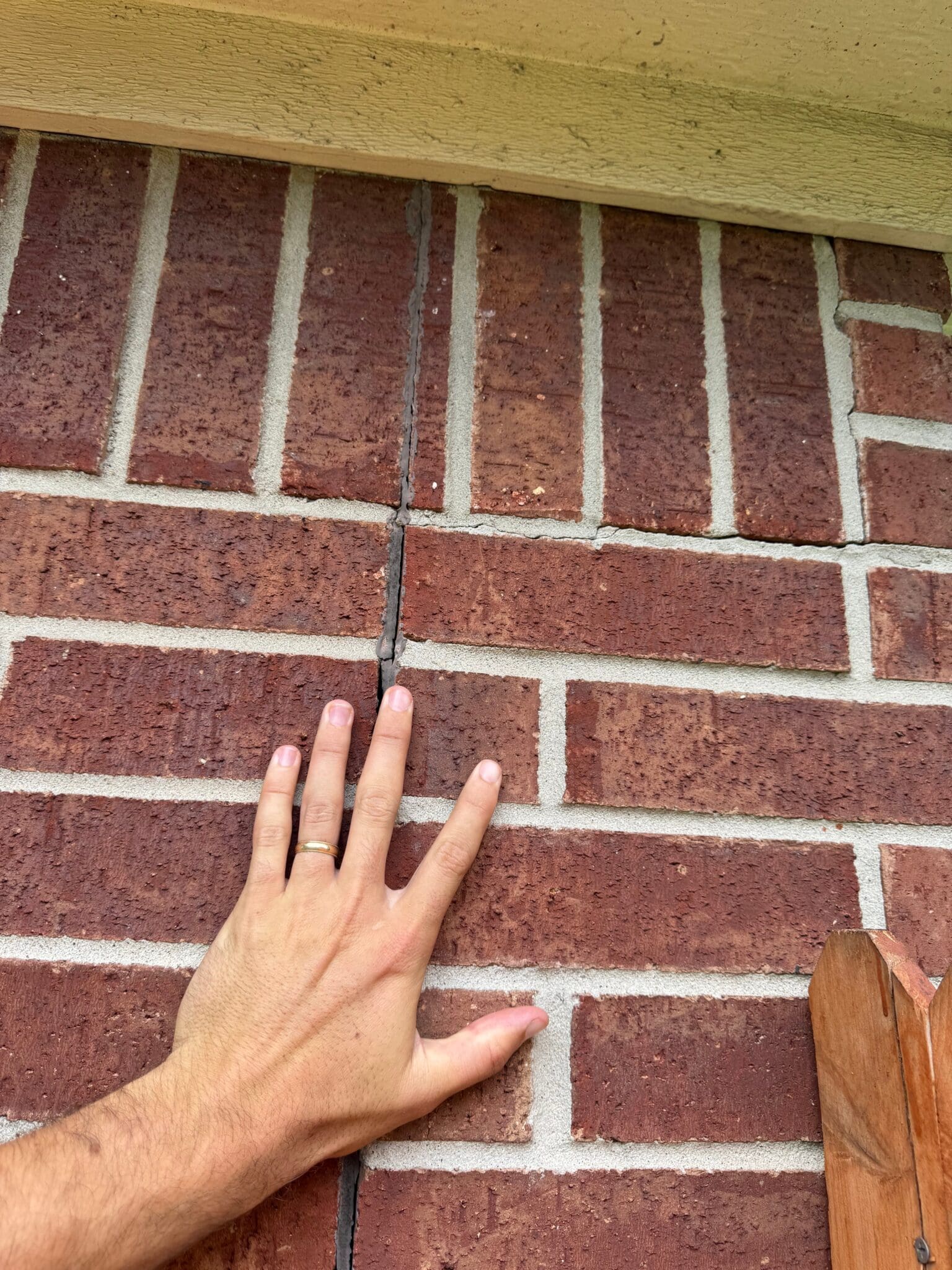
- Exterior brick frieze or masonry cracking, often manifesting as step-cracks along mortar lines.
- Doors and windows that bind, stick, or refuse to latch properly.
- Uneven or sloping floors across slab-on-grade or pier-and-beam structures.
- Gaps between baseboards, walls, and flooring surfaces.
Because soil movement across Williamson and Travis counties affects foundation stability so aggressively, selecting a contractor with specific engineering expertise in high-plasticity Texas clay is critical.
Essential Qualifications to Demand from a Round Rock Contractor
Not all foundation repair providers operate under the same technical standards. Before requesting quotes, homeowners must demand proof of specific legal, engineering, and insurance qualifications.
1. Independent Professional Engineer (P.E.) Oversight
Never rely solely on a repair estimator's assessment. Sales representatives are often incentivized by commission to recommend extensive, costly pier installations.
A reputable company must work alongside an independent structural engineer licensed by the Texas Board of Professional Engineers and Land Surveyors. The engineer must conduct an initial elevation survey, write a stamped repair plan detailing pier locations, and perform a final post-installation inspection to certify structural stability.
2. City of Round Rock Permitting Compliance
Foundation repairs involving structural modifications require compliance with local building codes. In Round Rock, structural alterations must meet the standards of the International Residential Code (IRC) as adopted by the municipality.
A qualified contractor will always pull the necessary permits through the City of Round Rock Building Inspections Department prior to commencing excavation or lifting operations. Avoid contractors who ask you to skip permits or claim local municipality oversight is unnecessary.
3. Comprehensive Insurance Coverage
Foundation repair involves heavy hydraulic machinery, excavation, and structural jacking that carries inherent risk. Ensure the contractor carries:
- General Liability Insurance: A minimum of $1,000,000 to cover potential structural damages to your property.
- Workers’ Compensation Insurance: Crucial protection ensuring you are not held liable if a crew member suffers an injury on your property.
4. Warranty Structure and Transferability
A foundation warranty is only as reliable as the business behind it. Examine the fine print of any structural warranty:
- Lifetime vs. Limited: Clarify whether the warranty covers the entire structure or only the specific piers installed.
- Transferability: If you plan to sell your home, the warranty must transfer seamlessly to the buyer. Check if there are transfer fees or strict notification deadlines (e.g., within 30 days of real estate closing).
- Third-Party Backing: Inquire if the warranty is backed by a warranty trust or industry association, protecting you if the original contractor goes out of business.
Comparing Foundation Repair Methods for Central Texas Soil
The appropriate repair methodology depends on your home’s structural design, load requirements, and the depth of stable soil or bedrock beneath your property.
| Repair Method | Ideal Application | Typical Depth Capacity | Durability & Stability Profile | Cost Level |
|---|---|---|---|---|
| Pressed Concrete Pilings | Standard residential slab-on-grade foundations | 10 to 18 feet (driven to refusal) | High; relies on friction and underlying soil resistance | Moderate |
| Steel Shaft Pilings | Heavy loads; deep soil strata stability requirements | 20 to 50+ feet (driven to solid bedrock) | Superior; immune to shallow soil moisture fluctuations | Higher |
| Helical Piers | Pier-and-beam homes, light structures, or unstable topsoil | Variable (screwed down to target torque rating) | High; excellent for tension and compression stability | Moderate to High |
| Polyurethane Foam Injection | Concrete slab leveling, driveway/patio void filling | Shallow (injected directly beneath slab) | Moderate; fills voids and lifts slabs, but does not anchor deep | Lower to Moderate |
Pressed Concrete Pilings
Concrete pilings are individual pre-cast concrete cylinders driven into the soil using hydraulic jacks anchored against the structure's own weight. They are widely used across Round Rock for residential slab repairs due to cost efficiency. However, their installation depth is limited by soil resistance, meaning extremely dry clay can cause premature refusal during installation.
Steel Shaft Pilings
Steel piers consist of heavy-gauge steel pipe sections driven deep into the earth until they hit solid bedrock or load-bearing strata. Steel pilings reach depths that concrete pilings often cannot, bypassing shallow moisture-active zones entirely. While more expensive, steel pilings offer superior long-term stability in expansive Central Texas clay.
Polyurethane Foam Injection (Polyjacking)
Polyjacking involves injecting high-density expansion foam beneath a sunken concrete slab. As the liquid foam reacts, it expands, fills void spaces, and lifts the concrete back to grade. While effective for interior floor leveling or filling soil voids beneath a slab, polyjacking does not serve as a deep structural support system for severe perimeter foundation failure.
Step-by-Step Selection Process for Homeowners
To minimize financial risk and protect your property’s structural integrity, follow this systematic evaluation process:
- Hire Independent P.E.
- Obtain 3 Detailed Bids
- Verify Licenses/Permits
- Audit Warranties & Plumbing
Step 1: Secure an Independent Engineering Evaluation
Before contacting repair companies, hire an independent structural engineer who does not sell repair services. The engineer will produce an unbiased report with floor elevation contours, identifying whether your home actually requires structural piers or simply needs water drainage improvements.
Step 2: Request Itemized Proposals from Three Local Contractors
Provide all bidding contractors with the independent engineer’s report. Require each quote to specify:
- Exact pier count and placement locations matching the engineering plan.
- Type of pier system proposed (e.g., concrete vs. steel).
- Estimated depth of pier installation and driven refusal criteria.
- Inclusion of city permit fees and post-lift engineering inspections.
Step 3: Require Post-Repair Hydrostatic Plumbing Tests
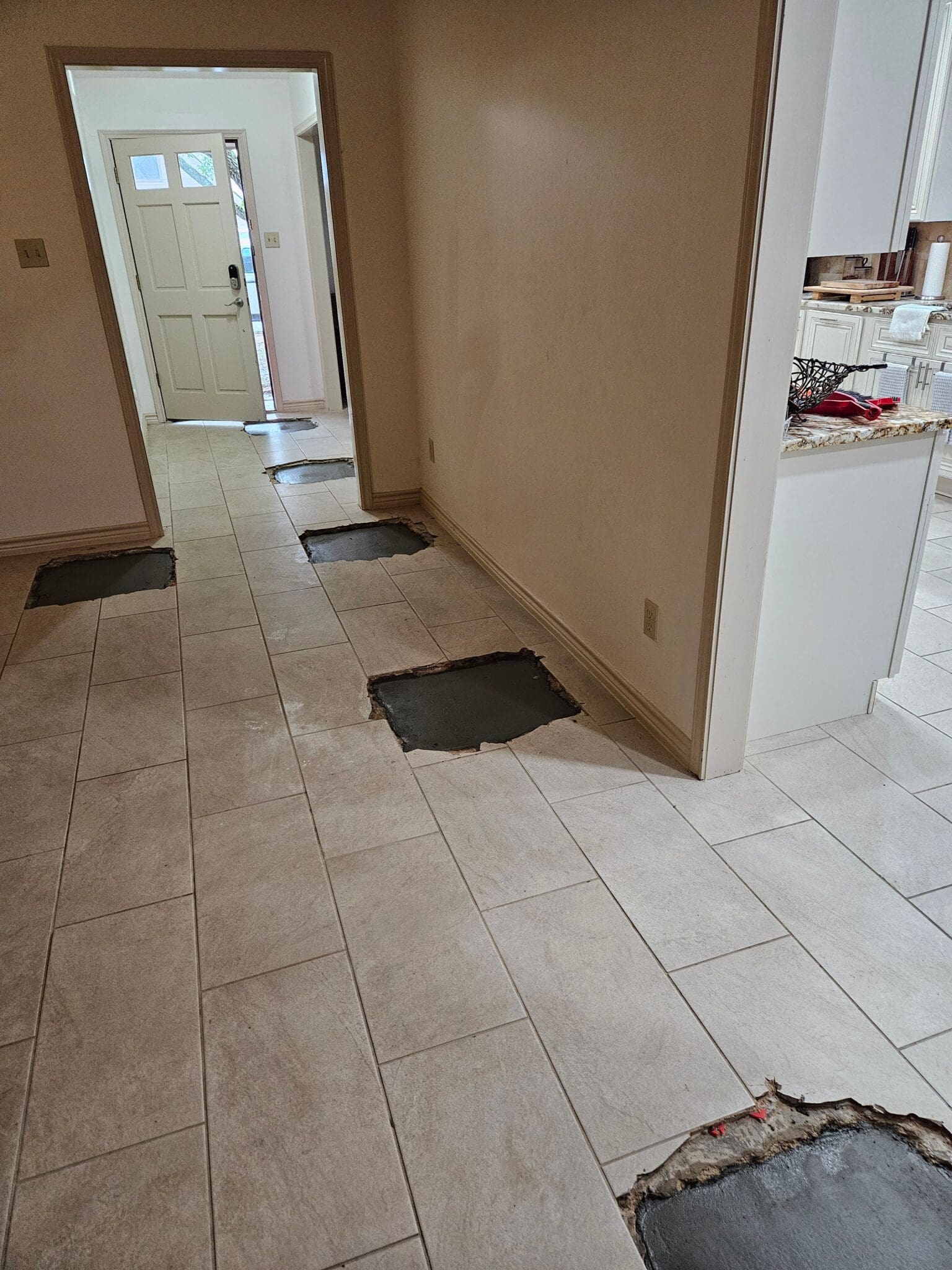
Lifting a concrete slab foundation puts stress on sub-slab plumbing pipes. A reputable foundation repair company must include pre- and post-repair hydrostatic plumbing testing. This test pressurizes your home's sanitary sewer system to verify that no supply or drain lines cracked during the jacking process.
Step 4: Verify Local References and Real Estate Reputation
Check contractor track records with local Round Rock homeowners and real estate professionals. Ask for references from projects completed at least three to five years prior to evaluate long-term structural performance.
Red Flags to Avoid
When interviewing contractors in Williamson County, be alert to these warning signals:
- Refusal to Work with Independent Engineers: Avoid any contractor who discourages an independent P.E. evaluation or insists their internal sales estimate is sufficient.
- High-Pressure "Same-Day" Discounts: Disreputable operators often offer steep discounts if you sign a contract on the spot. Legitimate structural work does not rely on high-pressure sales tactics.
- Unwillingness to File City Permits: If a contractor suggests bypassing the City of Round Rock building department to "save time and money," eliminate them from consideration immediately.
- Ignoring Drainage and Site Moisture: Structural repair is ineffective if surface water continues pooling against your home's perimeter. A competent contractor must evaluate site grading, French drains, and gutter downspouts alongside pier installation.
Frequently Asked Questions
What is the average cost of foundation repair in Round Rock, TX?
Depending on structural severity and the chosen pier method, minor repairs (4–8 piers) generally range from $3,500 to $7,000, while extensive perimeter and interior leveling projects (15–30+ piers) can range from $8,000 to over $20,000. Polyurethane void filling or pier-and-beam re-shimming typically costs less than full deep-steel pier installation.
Do foundation repair contractors in Round Rock need a permit?
Yes. Structural foundation repairs involving pier installation, slab raising, or load-bearing modifications require building permits under local building codes. Your chosen contractor should submit engineering plans to the City of Round Rock Building Inspections Division prior to starting work.
Should I hire a structural engineer before contacting a repair company?
Yes. Hiring an independent Professional Engineer (P.E.) ensures an unbiased structural assessment. The engineer creates an objective repair design, preventing contractors from over-prescribing unnecessary piers or under-designing the support system.
Why is post-repair plumbing testing mandatory?
Lifting a concrete slab moves the embedded plumbing pipes. If drain or supply lines crack during elevation adjustments, hidden water leaks can quickly saturate the underlying clay soil, causing renewed structural movement and costly water damage.
Will foundation repair affect my home's resale value?
If performed with an independent engineering seal, city permits, and a transferable warranty, foundation repair protects home equity and reassures prospective real estate buyers. Unpermitted, uncertified structural repairs can severely complicate real estate disclosures and mortgage approval processes.
Final Recommendation
When addressing foundation movement in Round Rock, prioritize objective engineering oversight over low upfront costs. Begin by scheduling an evaluation with an independent Texas-licensed structural engineer. Once you possess a certified engineering plan, obtain itemized bids from insured local contractors who pull City of Round Rock permits, offer transferable warranty structures, and include mandatory post-repair plumbing tests.
Image Gallery