Are Oil Prices Expected to Rise? 2026 Market Outlook and Analysis
Current market indicators and expert forecasts for 2026 suggest that oil prices face significant upward pressure, though they remain tempered by a slowing global energy transition. Analysts generally expect Brent crude to trade between...
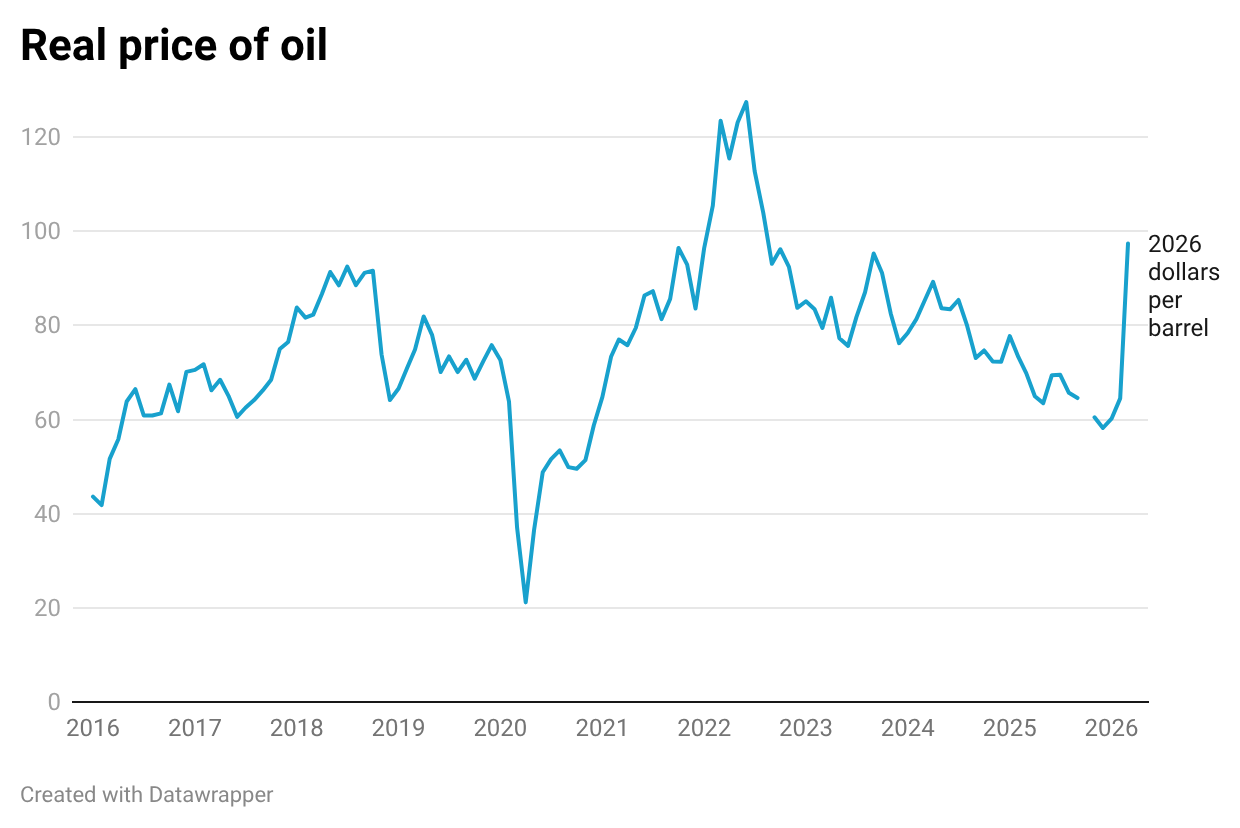
Current market indicators and expert forecasts for 2026 suggest that oil prices face significant upward pressure, though they remain tempered by a slowing global energy transition. Analysts generally expect Brent crude to trade between $85 and $95 per barrel throughout the year, driven by tight OPEC+ supply management and persistent geopolitical risks in key producing regions.
Contents
The question of whether oil prices will rise is central to global economic stability, influencing everything from domestic inflation rates to the operational costs of international logistics. As we move through 2026, the global energy landscape finds itself at a crossroads. On one hand, the aggressive push for decarbonization has begun to measurably impact fuel demand in developed economies. On the other, a decade of underinvestment in new oil exploration has created a "supply gap" that makes the market highly sensitive to even minor disruptions. Understanding the trajectory of oil prices requires an analysis of three pillars: geopolitical stability, the discipline of the OPEC+ alliance, and the resilience of global demand in an era of high interest rates.
The Role of OPEC+ and Supply Management in 2026
The most significant factor preventing a collapse in oil prices—and the primary driver for a potential rise—is the ongoing strategy of the OPEC+ alliance. Led by Saudi Arabia and Russia, this group has demonstrated a consistent commitment to "market stability," which in practice often means keeping prices high enough to fund national budgets while avoiding a price spike that would destroy demand.
In 2026, OPEC+ continues to operate under a framework of voluntary production cuts. These cuts serve as a floor for the market. Whenever prices threaten to dip below $75 per barrel, the alliance has historically tightened the taps. However, the internal cohesion of the group is a variable that traders watch closely. As some member nations seek to increase their production capacity to generate more revenue, the pressure to break from quotas grows. For 2026, the consensus among energy economists is that Saudi Arabia will maintain its role as the swing producer, bearing the brunt of production cuts to ensure that Brent crude does not languish at low levels.
Furthermore, the "spare capacity" held by OPEC+ acts as a double-edged sword. While it provides a buffer against sudden outages, the mere existence of this capacity can prevent prices from skyrocketing above $100 for sustained periods. Investors are currently weighing this artificial scarcity against the backdrop of rising production from non-OPEC sources.
Non-OPEC Supply: The US Shale Factor
While OPEC+ manages production through policy, the United States remains a critical counterweight through its market-driven shale industry. In 2026, the US continues to be the world’s largest oil producer, but the era of explosive growth in shale production has largely plateaued.
Several factors contribute to this stabilization of US supply:
- Capital Discipline: Unlike the previous decade, US oil companies are now prioritizing shareholder returns and debt reduction over aggressive drilling. This means that even when prices rise, the "response time" of US production is slower than it once was.
- Inventory Quality: Many of the "Tier 1" or most productive drilling spots in basins like the Permian have already been tapped. Producers are now moving into secondary areas that require higher prices to be profitable.
- Regulatory Environment: Stricter environmental regulations regarding methane emissions and land use continue to add incremental costs to production, raising the break-even point for new wells.
Despite these headwinds, the US and other non-OPEC producers like Brazil and Guyana are expected to add roughly 1.2 million barrels per day to the global market in 2026. This additional supply is essential to meet global demand growth but is generally not sufficient to cause a significant price drop if OPEC+ maintains its current discipline.
Geopolitical Risk Premiums and Market Volatility
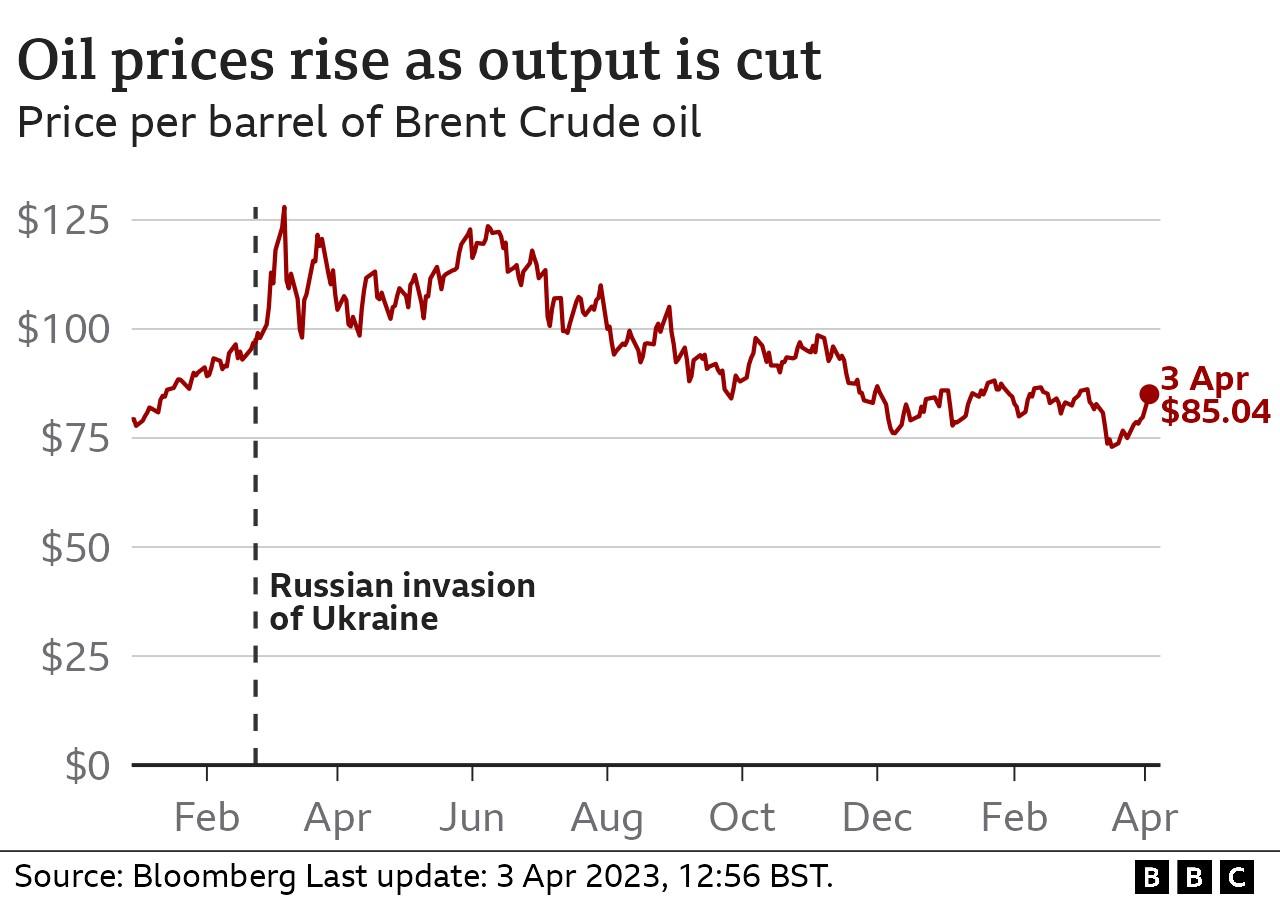
In 2026, the "geopolitical risk premium"—the extra cost added to a barrel of oil due to the threat of supply disruption—remains elevated. The ongoing volatility in the Middle East and the continued redirection of Russian energy exports have permanently altered global trade routes.
When tensions rise in the Strait of Hormuz or Eastern Europe, markets immediately price in the possibility of millions of barrels being removed from the daily supply. Even if no actual barrels are lost, the cost of insurance for tankers and the uncertainty of future deliveries drive prices upward. For 2026, many hedge funds and institutional investors have maintained "long" positions on oil specifically as a hedge against these geopolitical flashpoints. If these conflicts were to de-escalate significantly, we could see a $5 to $10 "cool-down" in the price per barrel; conversely, any intensification provides a clear path for oil prices to rise toward the $100 mark.
Demand Trends: China, India, and the Global South
The "rising oil prices" narrative is often challenged by the reality of the energy transition. However, demand in 2026 is proving more resilient than many forecasters predicted five years ago. While gasoline demand in North America and Western Europe has begun a slow decline due to electric vehicle (EV) adoption, this is being offset by massive industrial and transport growth in India, Southeast Asia, and parts of Africa.
China remains the wildcard. As the world’s largest oil importer, China’s shift toward a more service-oriented economy and its rapid electrification of public transport have dampened its crude appetite. Nevertheless, China’s petrochemical sector—which uses oil to create plastics, fertilizers, and synthetic materials—continues to expand. In 2026, the "peak oil demand" debate is less about a sudden drop and more about a plateau. As long as global demand grows by even 0.8% to 1% annually, the market remains tight because of the lack of significant new discoveries over the past decade.
Investment Gaps and the "Long Cycle" Problem
One of the most compelling arguments for why oil prices are expected to rise—or at least stay high—in the coming years is the chronic underinvestment in "upstream" projects (exploration and production).
Energy companies, pressured by ESG (Environmental, Social, and Governance) mandates and the uncertainty of long-term oil demand, have significantly reduced their capital expenditures on massive, multi-year projects like deep-water offshore rigs. These projects typically take 5 to 10 years to bring online. The reduction in spending that began in 2015-2020 is now manifesting as a lack of new supply in 2026. This structural deficit means that even if demand slows, the world may struggle to produce enough oil to replace the natural decline of existing fields, which typically lose 4% to 8% of their output every year.
2026 Oil Price Forecast Comparison
The following table summarizes the 2026 projections from major energy agencies and financial institutions. These figures represent the expected average price for the year.
| Organization | Brent Crude Forecast (Avg) | WTI Crude Forecast (Avg) | Primary Rationale |
|---|---|---|---|
| International Energy Agency (IEA) | $82.00 | $78.00 | Increasing EV adoption and efficiency gains. |
| U.S. Energy Information Admin (EIA) | $88.00 | $84.00 | Tight OPEC+ management and limited US growth. |
| Goldman Sachs | $95.00 | $91.00 | Structural underinvestment and low inventories. |
| JP Morgan | $90.00 | $86.00 | Geopolitical risk and resilient emerging market demand. |
| Morgan Stanley | $85.00 | $81.00 | Balanced market with moderate surplus potential. |
Frequently Asked Questions
Why aren't electric vehicles (EVs) making oil prices crash?
While EV adoption is reducing gasoline demand, gasoline only accounts for about 25% of total global oil consumption. The remaining 75% is used for jet fuel, shipping, trucking, and the petrochemical industry (plastics, chemicals). In 2026, the growth in these other sectors, particularly in developing nations, is still outpacing the savings from EVs in the passenger vehicle market.
How do rising oil prices affect inflation in 2026?
Oil is a primary input for almost all goods and services. When oil prices rise, the cost of transporting food, manufacturing consumer goods, and heating homes increases. Central banks watch oil prices closely because "energy-driven inflation" can force them to keep interest rates higher for longer, which can slow down the overall economy.
Will oil ever go back to $40 or $50 per barrel?
Most analysts believe that a return to $40 oil is unlikely in the current economic environment unless there is a global recession. The "break-even" price for many producers has risen due to inflation in labor and material costs. If prices fell to $50, many producers would stop drilling, which would quickly lead to a supply shortage and push prices back up.
Is it a good time to invest in oil stocks if prices rise?
Investing in energy stocks depends on both the commodity price and the company's individual health. While rising oil prices generally help oil company profits, many of these firms are now focused on returning cash to shareholders through dividends rather than growing. Investors should consult a financial advisor, as the sector is highly volatile and sensitive to shifts in climate policy.
What could cause oil prices to drop unexpectedly in 2026?
The primary "downside risks" include a significant global economic recession, a sudden peace agreement in major conflict zones that removes the risk premium, or a breakdown in the OPEC+ alliance leading to a "price war" where countries produce as much as possible to grab market share.
Practical Considerations for the Year Ahead
For businesses and consumers, the expectation that oil prices will remain elevated in 2026 suggests a need for continued focus on energy efficiency. For logistics companies, this may mean accelerating the transition to LNG or electric fleets. For individual consumers, it highlights the importance of fuel-efficient vehicles or hybrid options as a hedge against volatility at the pump.
Investors should monitor the monthly reports from the International Energy Agency (IEA) and the OPEC Secretariat for real-time updates on supply and demand balances. Additionally, tracking the U.S. Energy Information Administration (EIA) weekly inventory data provides the best short-term signal for where prices are headed. While the long-term future of energy is undeniably green, the 2026 reality remains firmly tethered to the complexities of the global oil market.
Image Gallery