Major Big Cities in Saudi Arabia: A Comprehensive Guide to the Kingdom’s Urban Landscape
As of 2026, the big cities in Saudi Arabia represent more than just population centers; they are the architectural and economic manifestations of the Saudi Vision 2030 transformation. Transitioning from a desert landscape to a network...
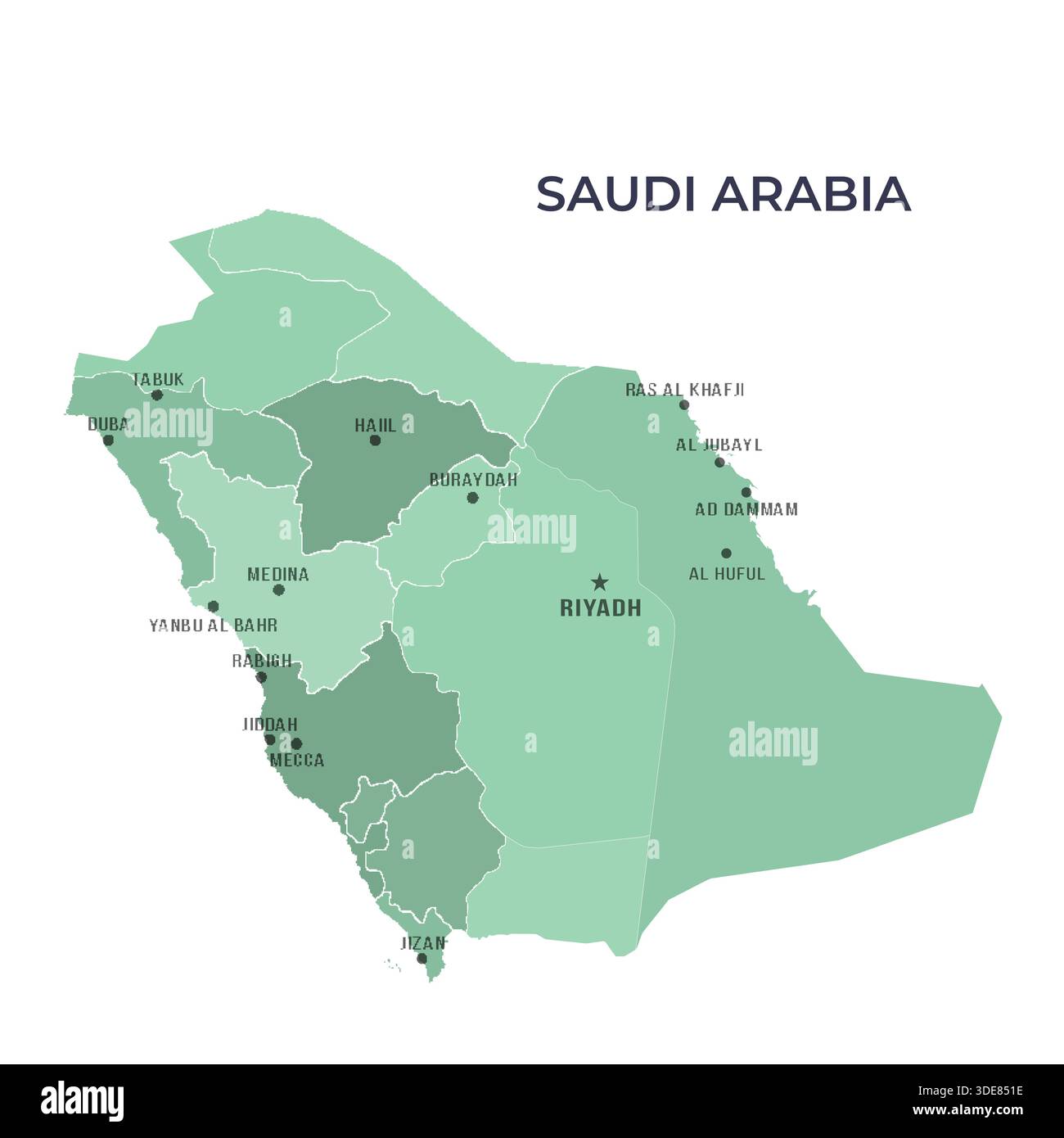
As of 2026, the big cities in Saudi Arabia represent more than just population centers; they are the architectural and economic manifestations of the Saudi Vision 2030 transformation. Transitioning from a desert landscape to a network of hyper-connected, sustainable metropolises, these cities serve as the backbone of the Kingdom’s non-oil economy. Whether for investment, tourism, or residency, understanding the unique characteristics of Riyadh, Jeddah, Dammam, and the emerging gigaprojects like NEOM is essential for navigating the modern Middle East.
Contents
Urbanization in Saudi Arabia has accelerated rapidly, with over 84% of the population now residing in urban areas. This shift is driven by massive infrastructure investments, the localization of industries, and a concerted effort to make cities more liveable through the "Quality of Life" program. From the administrative heights of Riyadh to the coastal commercial hubs of the Red Sea, the Kingdom’s urban centers offer a diverse range of cultural, economic, and climatic environments.
Riyadh: The Heart of the Kingdom’s Economic Transformation
Riyadh, the capital city, stands as the preeminent example of the Kingdom's rapid evolution. In 2026, Riyadh is no longer just a regional political capital; it has solidified its position as a global financial powerhouse. With a population exceeding 8 million, the city is well on its way toward the goal of becoming one of the world’s top ten city economies by 2030.
The landscape of Riyadh is currently defined by ambitious projects like New Murabba and its centerpiece, the Mukaab—a hollow cubic structure large enough to hold 20 Empire State Buildings. This project is creating a new downtown that blends advanced technology with traditional Najdi architecture. Furthermore, the King Salman Park project is transforming the old airport site into one of the world’s largest urban green spaces, significantly reducing the "urban heat island" effect and providing residents with unprecedented recreational facilities.
Economically, Riyadh is the primary destination for international corporations establishing their regional headquarters (RHQ). This influx of global talent and capital has spurred a massive expansion in the real estate and services sectors. The Riyadh Metro, now fully integrated into the city's fabric, has revolutionized mobility, offering a sustainable alternative to the city’s historically car-dependent culture.
Jeddah: The Red Sea Gateway and Commercial Hub
Known as the "Bride of the Red Sea," Jeddah remains Saudi Arabia’s most important commercial port and its primary gateway for pilgrims traveling to Mecca. In 2026, Jeddah has successfully rebranded itself as a premier global tourism and leisure destination. The Jeddah Central Project has revitalized the city's waterfront, creating a world-class opera house, stadium, and oceanarium that draw millions of visitors annually.
Jeddah’s atmosphere is notably different from Riyadh’s; it is more cosmopolitan and historically significant. The Al-Balad district, a UNESCO World Heritage site, has undergone extensive restoration to preserve its unique coral-stone architecture while integrating modern boutique hotels and galleries. This balance of heritage and modernity makes Jeddah a critical cultural node in the Kingdom.
The city’s economy is deeply tied to logistics and trade. The King Abdullah Economic City (KAEC), located just north of Jeddah, continues to expand its industrial and logistics zones, serving as a vital link in the global supply chain between Asia, Africa, and Europe. For businesses looking to tap into the maritime trade routes of the Red Sea, Jeddah remains the indispensable entry point.
Mecca and Medina: The Holy Cities and Spiritual Centers
Mecca (Makkah) and Medina (Madinah) hold unparalleled religious significance as the holiest cities in Islam. However, their status as "big cities" is also defined by their massive infrastructure capabilities. To accommodate the millions of pilgrims who perform Hajj and Umrah, both cities have undergone some of the most complex urban engineering projects in human history.
In 2026, the Masar Destination in Mecca has transformed the pedestrian and transport experience near the Grand Mosque. This multi-billion-dollar development provides streamlined access via a massive central boulevard, high-end hospitality options, and integrated transport links. Similarly, the Rua Al Madinah project has expanded the capacity of the area surrounding the Prophet’s Mosque, ensuring that the city can host visitors with world-class efficiency.
The economic activity in these cities is primarily driven by "religious tourism," yet there is a growing focus on the knowledge economy, particularly in Medina. The presence of the Knowledge Economic City aims to diversify the local economy by focusing on technology, healthcare, and education, leveraging the city's spiritual draw to attract intellectual capital.
The Eastern Province: Dammam, Dhahran, and Al Khobar
The Dammam Metropolitan Area, which includes the interconnected cities of Dammam, Dhahran, and Al Khobar, serves as the industrial heart of Saudi Arabia. This region is the global center of the energy industry, housing the headquarters of Saudi Aramco in Dhahran.
While the region’s history is rooted in oil, the 2026 landscape shows a pivot toward specialized manufacturing and renewable energy technology. The King Salman Energy Park (SPARK) is a major driver of this change, creating a localized ecosystem for energy-related goods and services.
- Dammam: Functions as the primary administrative and logistics hub, featuring one of the largest ports on the Persian Gulf (King Abdulaziz Port).
- Al Khobar: Often preferred by expatriates and families for its seaside walkways (Corniche), vibrant dining scene, and proximity to Bahrain via the King Fahd Causeway.
- Dhahran: Remains an intellectual and industrial powerhouse, home to the King Fahd University of Petroleum and Minerals (KFUPM) and the King Abdulaziz Center for World Culture (Ithra).
NEOM: The Rise of the Futuristic Megacity
While technically a "region" under development, the components of NEOM are rapidly becoming the most talked-about urban environments in Saudi Arabia. By 2026, the first phases of The Line—a 170-kilometer-long linear city—have begun welcoming residents and researchers. NEOM represents a radical departure from traditional urban planning, focusing on zero-gravity urbanism where everything is accessible within a five-minute walk.
Another key component is Oxagon, the industrial city of NEOM, which features a unique floating structure in the Red Sea. Oxagon serves as a hub for advanced manufacturing and clean energy, utilizing 100% renewable power. For those looking at the future of big cities in Saudi Arabia, NEOM is the testing ground for sustainable living, AI-integrated infrastructure, and the blue economy.
Comparison of Key Urban Centers in Saudi Arabia (2026 Data)
| City | Primary Role | Estimated Population (2026) | Key Economic Driver | Notable Landmark |
|---|---|---|---|---|
| Riyadh | Political & Financial Capital | 8.2 Million | Finance, Gov, Tech | The Mukaab (New Murabba) |
| Jeddah | Commercial & Tourism Hub | 4.9 Million | Trade, Tourism, Logistics | Jeddah Corniche & Al-Balad |
| Mecca | Religious Center | 2.4 Million (Resident) | Religious Tourism | Abraj Al Bait |
| Dammam | Industrial & Logistics | 1.6 Million | Oil, Gas, Shipping | King Abdulaziz Port |
| Medina | Religious & Knowledge | 1.5 Million | Tourism, Education | Al-Masjid an-Nabawi |
| NEOM | Future Tech & Innovation | Growing (Resident/Work) | Green Energy, AI, Biotech | The Line |
Regional Centers: Taif, Tabuk, and Abha
Beyond the primary metropolises, several regional cities are gaining prominence due to their specific climatic or strategic advantages.
- Taif: Located in the mountains near Mecca, Taif is the "Summer Capital." In 2026, it has become a central hub for the Kingdom’s agricultural tech and rose oil industry, attracting domestic tourists seeking cooler weather.
- Tabuk: Situated in the northwest, Tabuk has grown significantly as the gateway to NEOM and the Red Sea Project. Its proximity to the Jordanian border makes it a critical point for land-based trade.
- Abha: The capital of the Asir region, Abha is at the center of the Soudah Peaks development. This project aims to position Abha as a luxury mountain tourism destination, focusing on heritage and the unique ecology of the Sarawat Mountains.
Strategic Requirements for Navigating Saudi Cities
For professionals and investors looking to engage with these cities, several prerequisites and operational realities should be considered:
- Digital Integration: Almost all city services—from paying for parking in Riyadh to renewing residency permits—are managed through the Absher and Tawakkalna platforms. Seamless digital access is a requirement for daily life.
- Transport Logistics: While public transport like the Riyadh Metro and the Haramain High-Speed Railway (linking Mecca, Medina, and Jeddah) have vastly improved connectivity, many industrial areas still require private vehicle access.
- Climate Considerations: Building and operational standards in these cities must account for extreme temperatures. In Riyadh, "cool pavement" technology and shaded walkways are becoming standard, whereas in Jeddah, humidity control is the primary technical challenge.
- Zoning and Special Economic Zones: Many cities now host Special Economic Zones (SEZs) with distinct regulatory frameworks, such as the Integrated Logistics Bonded Zone (ILBZ) in Riyadh, which offers tax incentives for multinational firms.
Frequently Asked Questions
Which city in Saudi Arabia is best for business?
Riyadh is currently the primary hub for corporate business and finance. Under the Regional Headquarters Program, companies looking for government contracts are encouraged to base their operations here. However, Jeddah remains superior for maritime trade, and the Eastern Province is the logical choice for energy and industrial manufacturing.
Is it easy to travel between these big cities?
Yes. The Haramain High-Speed Railway provides rapid transit between Mecca, Medina, Jeddah, and King Abdullah Economic City. For longer distances, such as Riyadh to Dammam or Tabuk, the Saudi Arabian Railways (SAR) and an extensive domestic flight network operated by Saudia and flyadeal are the primary modes of transport.
What is the most expensive city to live in?
As of 2026, Riyadh generally has the highest cost of living, particularly in terms of premium real estate and international schooling, due to the high demand from expatriates and the relocation of global firms. Some areas in NEOM and luxury developments in Jeddah also command premium pricing.
How are Saudi cities addressing sustainability?
Through the Saudi Green Initiative, cities are incorporating massive afforestation projects (such as Green Riyadh), shifting to renewable energy grids, and implementing circular carbon economy practices. NEOM is the most ambitious example, aiming for 100% renewable energy and no cars or carbon emissions within The Line.
Can tourists visit all these cities?
Yes, the Saudi e-Visa allows tourists from many countries to visit all these cities. While Mecca and Medina have specific regulations regarding non-Muslim entry into certain areas, the rest of the Kingdom—including the historic Al-Balad in Jeddah and the futuristic sites in Riyadh—is fully open to international visitors.
Recommendation for Travelers and Investors
If you are planning to visit or invest in the big cities in Saudi Arabia, start with a "tri-city" approach: Riyadh for its economic energy, Jeddah for its cultural and commercial history, and Dhahran/Al Khobar for its industrial insights. For those looking toward the 2030 horizon, a visit to the NEOM Discovery Center or the Red Sea Global developments is essential to understand the future direction of Saudi urban planning. Always ensure your digital identity and "Absher" accounts are prepared in advance, as they are the keys to accessing the full range of urban services in the Kingdom.
Image Gallery