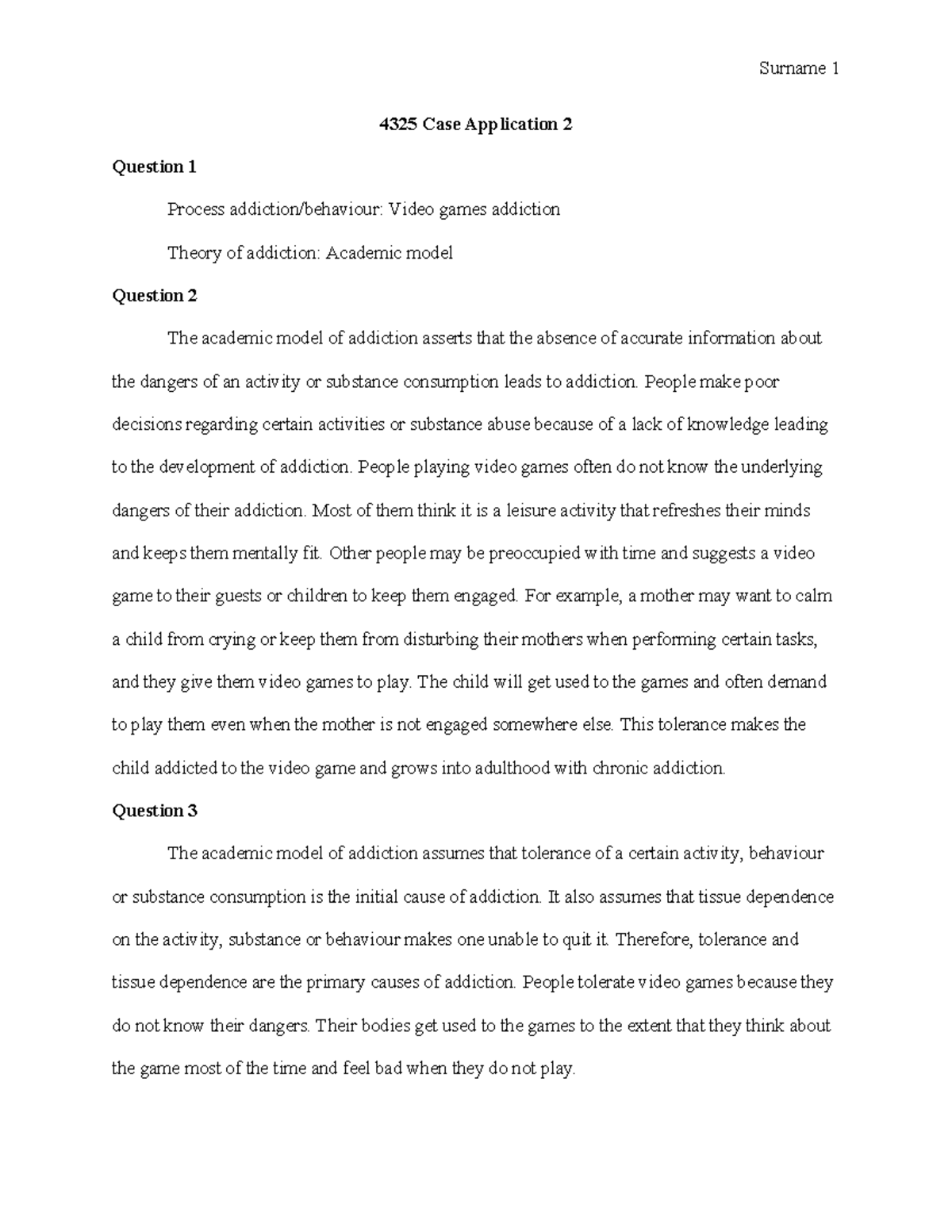
Understanding Video Game Addiction in the DSM: Criteria, Research, and Clinical Status
As of 2026, the Diagnostic and Statistical Manual of Mental Disorders (DSM-5-TR) identifies video game addiction as Internet Gaming Disorder (IGD). It is currently categorized in Section III as a "Condition for Further Study," meaning...
As of 2026, the Diagnostic and Statistical Manual of Mental Disorders (DSM-5-TR) identifies video game addiction as Internet Gaming Disorder (IGD). It is currently categorized in Section III as a "Condition for Further Study," meaning it is not a formal clinical diagnosis but is recognized as a significant area requiring ongoing research and standardized criteria for potential future adoption.
Contents
The Evolution of Gaming Disorder in Psychiatric Literature
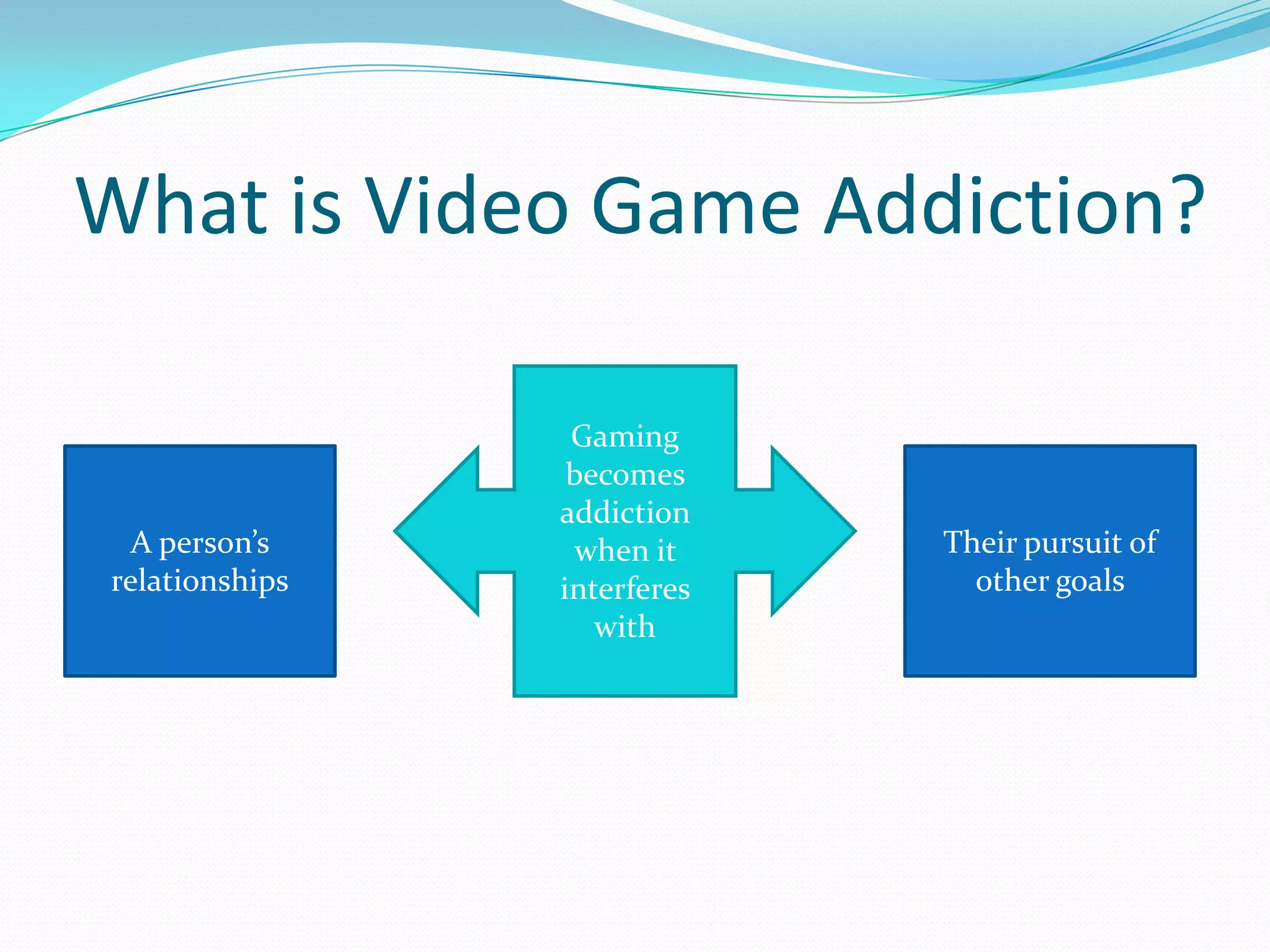
The inclusion of Internet Gaming Disorder in the American Psychiatric Association’s (APA) diagnostic manual followed years of clinical debate regarding the compulsive use of digital media. While the term "video game addiction" is used colloquially, the psychiatric community opted for "Internet Gaming Disorder" to focus specifically on the repetitive use of internet-based games, often involving many players, which clinicians found resulted in significant impairment or distress.
Historically, the DSM has been cautious about adding behavioral addictions. Before the DSM-5 (published in 2013) and its subsequent Text Revision (DSM-5-TR, 2022), Gambling Disorder was the only recognized non-substance-related addiction. The shift to include IGD in Section III marked a pivotal moment, acknowledging that the neurological reward systems triggered by gaming closely mirror those activated by gambling and substance use. This recognition has allowed researchers worldwide to use a unified set of criteria, moving away from disparate screening tools that previously made it difficult to compare prevalence rates across different cultures.
The DSM-5-TR Criteria for Internet Gaming Disorder
To meet the threshold for Internet Gaming Disorder as defined in the DSM-5-TR, an individual must exhibit persistent and recurrent participation in computer games, typically with other players, leading to clinically significant impairment or distress. This is measured by the presence of at least five of the following nine criteria within a 12-month period:
- Preoccupation with Gaming: The individual thinks about previous gaming activity or anticipates the next gaming session; gaming becomes the dominant activity in daily life.
- Withdrawal Symptoms: When gaming is taken away, the individual experiences irritability, anxiety, or sadness. Unlike substance withdrawal, these are psychological rather than physiological.
- Tolerance: The need to spend increasing amounts of time engaged in games to achieve the same level of excitement or satisfaction.
- Unsuccessful Attempts to Control: Persistent desires or failed efforts to cut back or stop gaming altogether.
- Loss of Interest in Other Activities: A decline in interest in hobbies and entertainment that were previously enjoyed, as a direct result of gaming.
- Continued Excessive Use: Sustaining high levels of gaming despite knowing that the habit is causing psychosocial problems or interfering with daily responsibilities.
- Deception: Lying to family members, therapists, or others regarding the amount of time spent gaming.
- Use as an Escape: Engaging in gaming to escape or relieve a negative mood, such as feelings of guilt, anxiety, helplessness, or depression.
- Jeopardizing Relationships or Career: Significant risk to or loss of a job, educational opportunity, or important relationship because of gaming.
Why 12 Months and 5 Symptoms?
The 12-month timeframe is designed to distinguish between a temporary "binge" period—often seen after the release of a highly anticipated title—and a chronic behavioral pattern. Requiring five out of nine symptoms ensures a high diagnostic threshold, preventing the pathologization of "heavy gamers" who may play extensively but do not suffer from the functional impairments listed in criteria 6 through 9.
Section III: The Significance of "Conditions for Further Study"
The placement of IGD in Section III is often misunderstood. It does not mean the APA believes the condition is "fake." Rather, it indicates that while there is substantial evidence of the condition's existence, the psychiatric community has not yet reached a consensus on several key factors.
Specifically, researchers are still debating whether "Internet Gaming" is the correct scope. Some argue the addiction is to the internet itself, while others suggest the addiction is to specific game mechanics (like loot boxes or social competition) that can exist offline. Furthermore, clinicians are working to ensure that the criteria can distinguish between IGD and other underlying conditions. For instance, if a person games excessively because of severe social anxiety, is the gaming the primary disorder, or is it a symptom of the anxiety? Section III status encourages global researchers to use the exact same definitions so that by the time the next major DSM update occurs, there will be enough data to decide if IGD should become a formal diagnosis in Section II alongside Gambling Disorder.
Internet Gaming Disorder vs. ICD-11 Gaming Disorder
It is essential to distinguish between the APA's DSM and the World Health Organization’s (WHO) International Classification of Diseases (ICD-11). In 2018, the WHO officially recognized "Gaming Disorder" as a formal diagnosis. This has created a unique situation in 2026 where a clinician in one jurisdiction might use the ICD-11 to provide a formal diagnosis for insurance purposes, while a researcher might use the DSM-5-TR criteria for a clinical study.
| Feature | DSM-5-TR (Internet Gaming Disorder) | ICD-11 (Gaming Disorder) |
|---|---|---|
| Status | Condition for Further Study (Section III) | Official Recognized Diagnosis |
| Primary Criteria | 5 out of 9 specific symptoms | Impaired control, priority over life, and escalation |
| Timeframe | 12 months (typically) | 12 months (shorter if symptoms are severe) |
| Focus | Primarily internet-based gaming | Both online and offline gaming |
| Functional Impairment | Required for diagnosis | Required for diagnosis |
The ICD-11 definition is generally considered broader but more focused on the loss of control and the impact on life functions, whereas the DSM criteria include more specific behavioral markers like "deception" and "preoccupation."
Comorbidity and Differential Diagnosis
In clinical practice in 2026, understanding video game addiction requires a thorough examination of comorbidity—the presence of two or more disorders in a single patient. Research consistently shows that IGD rarely exists in a vacuum. It is frequently associated with:
- Attention-Deficit/Hyperactivity Disorder (ADHD): The immediate feedback loops and high stimulation of modern games are particularly reinforcing for individuals with ADHD.
- Depression and Anxiety: Gaming often serves as a maladaptive coping mechanism (Criterion 8) to "numb" or escape from the symptoms of mood disorders.
- Social Anxiety Disorder: Online games provide a structured social environment that may feel "safer" than face-to-face interaction, leading to excessive use.
A differential diagnosis is necessary to ensure that the gaming behavior isn't better explained by a manic episode (Bipolar Disorder) or a primary Social Anxiety Disorder. If the gaming disappears once the underlying depression is treated, the individual may not have had a primary Gaming Disorder.
Neurobiology and Reward Systems
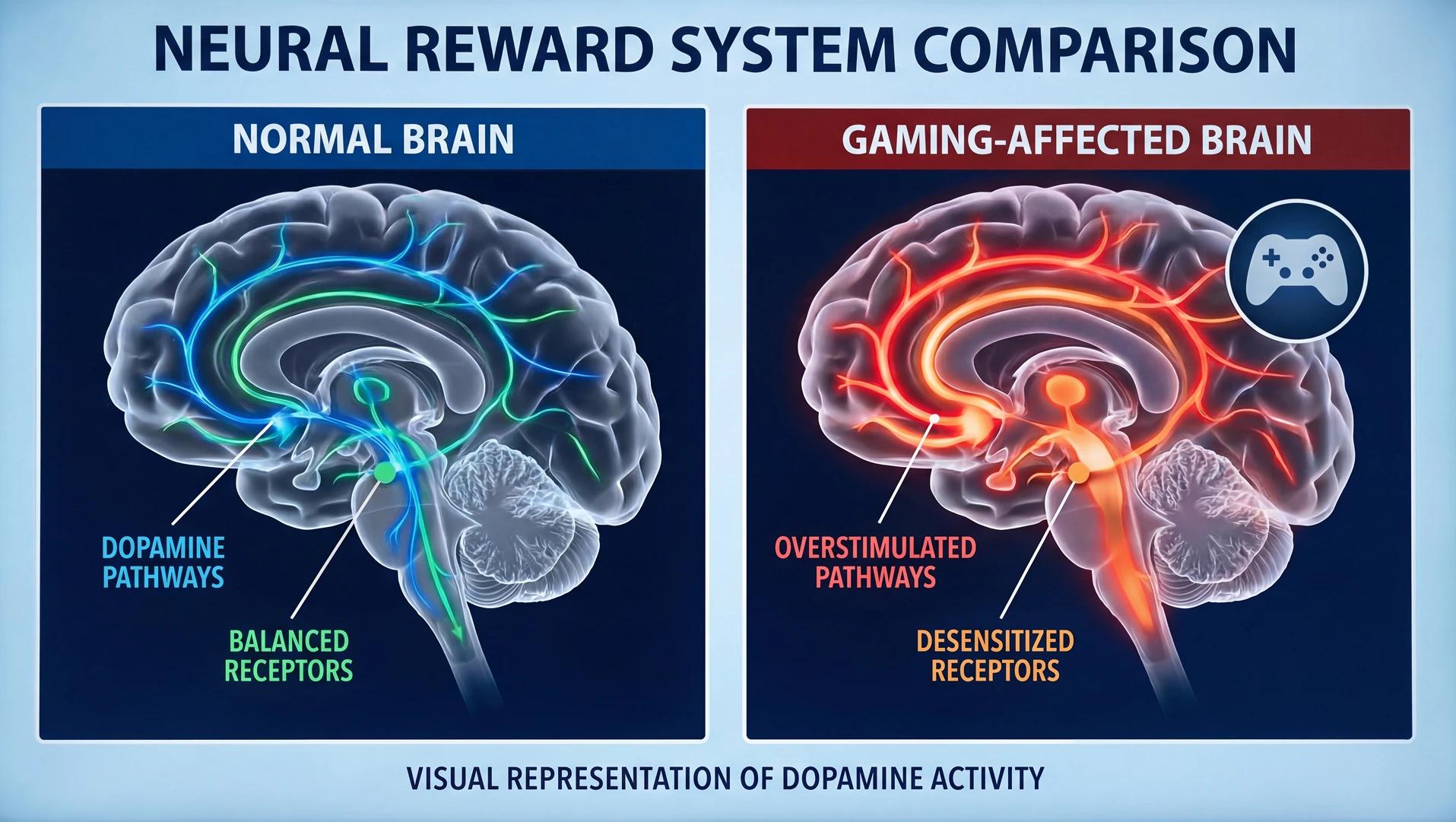
The push for DSM recognition is heavily supported by neurobiological evidence. Functional MRI (fMRI) studies have demonstrated that individuals who meet the IGD criteria show similar brain activity to those with substance use disorders when exposed to "gaming cues" (like hearing a game's start-up sound). These cues trigger the release of dopamine in the nucleus accumbens, the brain's reward center.
Over time, chronic overstimulation of these pathways can lead to "downregulation," where the brain produces less dopamine or reduces the number of receptors. This explains the "Tolerance" criterion: the individual no longer finds joy in the game itself but must play to avoid the "low" of withdrawal and to feel a baseline sense of normalcy.
Treatment and Intervention Strategies
Even though IGD remains in Section III of the DSM, clinical pathways for treatment have become highly specialized by 2026. Because gaming is so integrated into modern life, "total abstinence" is often more difficult to achieve than it is with alcohol or drugs, as many individuals require computers for school or work.
- Cognitive Behavioral Therapy (CBT): This is the gold standard for treatment. It focuses on identifying the triggers for gaming and developing healthier coping mechanisms for the underlying stressors.
- Family Therapy: Especially in adolescents, gaming addiction often involves family dynamics. Treatment involves setting healthy boundaries and improving communication.
- Pharmacotherapy: While there are no FDA-approved medications specifically for IGD, doctors may prescribe SSRIs for underlying depression or stimulants if ADHD is a contributing factor.
- Digital Hygiene and Harm Reduction: This involves structural changes, such as removing gaming hardware from the bedroom, using internet-blocking software, and engaging in "analog" social activities.
Common Misconceptions
One of the greatest challenges in understanding the DSM's stance is the "Moral Panic" factor. High engagement is not the same as addiction. A professional esports player or a dedicated hobbyist may spend 40 hours a week gaming without meeting the criteria for IGD. The distinction lies in functional impairment. If the gaming does not result in the loss of a job, the failure of a marriage, or the neglect of personal health, it does not meet the DSM's threshold for a disorder.
Additionally, the DSM-5-TR specifically excludes professional gaming and the use of the internet for business or non-gaming purposes from this category. It also excludes "social media addiction," which is currently considered a separate area of study.
Frequently Asked Questions
Is video game addiction a "real" diagnosis in 2026? In the DSM-5-TR, it is officially "Internet Gaming Disorder" and is listed as a condition for further study. However, in the WHO's ICD-11, "Gaming Disorder" is a fully recognized medical diagnosis. Most clinicians treat it as a real condition regardless of its specific section in the manual.
What is the difference between "heavy gaming" and "Internet Gaming Disorder"? The difference is defined by negative consequences. A heavy gamer can stop when they want and maintains their relationships and responsibilities. Someone with IGD continues to play even when it is actively destroying their career, education, or physical health, and they feel unable to stop.
Does the DSM criteria apply to mobile games? Yes. While the term is "Internet Gaming Disorder," the criteria apply to any digital game that involves a persistent and repetitive pattern of play, whether on a console, PC, or mobile device, provided it meets the impairment thresholds.
Can you be addicted to offline games according to the DSM? The DSM-5-TR specifically names "Internet" Gaming Disorder, focusing on online play. However, the ICD-11 includes both online and offline gaming. Most modern clinicians apply the DSM criteria to offline gaming if the behavior is identical and leads to the same level of impairment.
What should I do if I think someone meets these criteria? The first step is a professional evaluation by a mental health provider who specializes in behavioral addictions. Because IGD is often comorbid with depression or ADHD, a comprehensive psychiatric assessment is necessary to develop an effective treatment plan.
Next Steps for Clinical Accuracy
If you are a clinician or a researcher, ensure you are utilizing the standardized IGD-20 Test or the Internet Gaming Disorder Scale–Short-Form (IGDS9-SF), which are mapped directly to the nine DSM-5-TR criteria. For individuals seeking help, consulting a therapist familiar with the Cognitive Behavioral Therapy for Addictive Behaviors framework is recommended.
Image Gallery