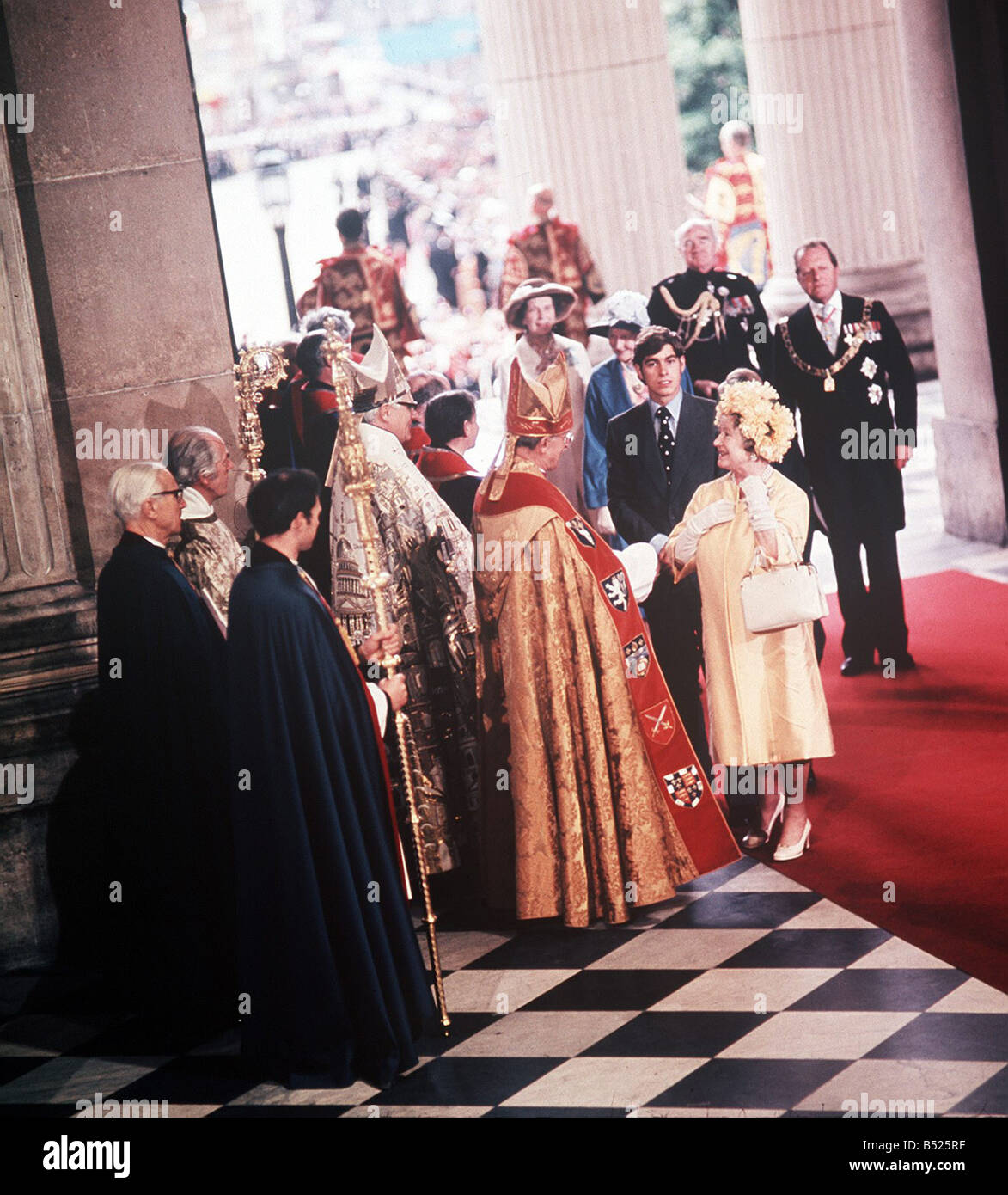
The Mother of Prince Andrew: Queen Elizabeth II and Her Complex Maternal Relationship
Prince Andrew’s mother was Queen Elizabeth II, who reigned over the United Kingdom and the other Commonwealth realms from February 6, 1952, until her death on September 8, 2022. As the second eldest son of the monarch and Prince Philip...
Prince Andrew’s mother was Queen Elizabeth II, who reigned over the United Kingdom and the other Commonwealth realms from February 6, 1952, until her death on September 8, 2022. As the second eldest son of the monarch and Prince Philip, Duke of Edinburgh, Prince Andrew occupied a unique position within the British royal family, balancing the privileges of a senior royal lineage with the evolving dynamics of the House of Windsor throughout the latter half of the 20th century and the early decades of the 21st.
Contents
Understanding the Lineage: Queen Elizabeth II as Monarch and Parent
The intersection of state duty and maternal responsibility created a distinctive upbringing for Prince Andrew, born on February 19, 1960, at Buckingham Palace. Unlike her first two children, Prince Charles and Princess Anne, who were born before Elizabeth acceded to the throne, Prince Andrew and his younger brother, Prince Edward, arrived while their mother was already head of state. This timing meant that Queen Elizabeth II juggled the immense burdens of the post-war British Empire's transition into the Commonwealth alongside the daily demands of raising a young family.
Biographers and royal historians have frequently noted that by the time Prince Andrew was born, the Queen had settled more comfortably into her role as sovereign, allowing her to be a more relaxed and present mother compared to the heavily scrutinized early years of Prince Charles's childhood. Nevertheless, the institutional reality remained: the Crown always took precedence over domestic life. Official tours, state openings of Parliament, weekly Prime Ministerial audiences, and diplomatic responsibilities formed an inescapable backdrop to Prince Andrew's formative years.
The Dynamics of Royal Parenting in the Late 20th Century
Royal parenting practices during the mid-20th century relied heavily on a traditional structure managed by nannies and governesses, overseen by the monarch and her consort. Prince Andrew’s early education began within the private quarters of Buckingham Palace before he attended Gordonstoun in Scotland—the same boarding school his father and elder brother attended—which was renowned for its rigorous, character-building outdoor curriculum.
Throughout his youth and early adulthood, Prince Andrew was often characterized in media reports as the Queen’s favorite child, a persistent narrative fueled by public observations of the monarch’s apparent fondness and indulgence toward him. This perception was reinforced by his active service in the Royal Navy, where he flew helicopters as a combat pilot during the Falklands War in 1982. The Queen’s visible pride—and public anxiety—during the Falklands conflict cemented a narrative of maternal support that persisted across decades of public life.
Royal Status, Military Service, and Public Scrutiny
Prince Andrew’s career in the military spanned two decades, during which he maintained a standard working relationship with the Crown as Commander-in-Chief of the British Armed Forces. His service aboard HMS Invincible during the Falklands War marked a high point of public approval, aligning with traditional expectations for male members of the royal family.
| Milestone / Period | Historical Context & Royal Relationship |
|---|---|
| 1960 | Born at Buckingham Palace; second son of Queen Elizabeth II and Prince Philip. |
| 1982 | Served as a Royal Navy helicopter pilot in the Falklands War, receiving notable public support from the Queen. |
| 1986 | Created Duke of York upon his marriage to Sarah Ferguson; continued active naval service. |
| 2001 | Retired from active military service to take up a role as a special representative for international trade and investment. |
| 2019–2022 | Stepped back from public duties following intense scrutiny regarding personal associations; Queen Elizabeth II formally stripped him of his military titles and royal patronages in early 2022. |
Following his departure from the Royal Navy in 2001, Prince Andrew assumed the role of UK Special Representative for International Trade and Investment, a position that required balancing official representation of the Crown with commercial networking. Over time, controversies surrounding his professional associations and personal conduct drew mounting public criticism, culminating in legal challenges and intense media scrutiny.
The Final Years of the Reign and Institutional Protection
As controversies surrounding Prince Andrew intensified through the late 2010s, the relationship between the monarch and her second son faced unprecedented public and institutional stress. In January 2022, amid mounting legal proceedings in the United States, Buckingham Palace announced that Prince Andrew’s military affiliations and royal patronages had been returned to the Queen, and that he would no longer use the style "His Royal Highness" in any official capacity.
Constitutional experts have noted that these swift actions reflected Queen Elizabeth II’s unwavering commitment to protecting the institutional integrity of the monarchy above personal familial bonds. The sovereign's duty to the state consistently overrode maternal leniency when public trust in the Crown was at stake. When Queen Elizabeth II passed away in September 2022 at Balmoral Castle, Prince Andrew participated in the ceremonial vigils alongside his siblings, marking the final chapter of his mother's historic reign and signaling a new era under King Charles III.
Frequently Asked Questions
Who was Prince Andrew's mother?
Prince Andrew's mother was Queen Elizabeth II. She was the longest-reigning monarch in British history, occupying the throne from 1952 until her death in 2022.
Was Prince Andrew considered Queen Elizabeth II's favorite child?
While the British royal household never officially confirmed such hierarchy, numerous royal biographers and media commentators frequently suggested that Queen Elizabeth II held a soft spot for Prince Andrew, partly because he was born after she had fully established her reign, allowing her more personal time with him during his early childhood compared to her older children.
What military role did Prince Andrew hold under his mother's reign?
Prince Andrew served as a helicopter pilot in the Royal Navy for 22 years. He famously flew missions during the 1982 Falklands War, an active combat deployment that earned him widespread public recognition and visible pride from the Queen.
Why did Queen Elizabeth II strip Prince Andrew of his military titles?
In January 2022, following significant public controversy and a civil lawsuit in the United States, Queen Elizabeth II approved the removal of Prince Andrew's military titles and royal patronages to protect the reputation and neutrality of the institution of the monarchy.
What is Prince Andrew's current status within the royal family?
Following the accession of King Charles III, Prince Andrew remains excluded from working royal duties, official public engagements, and the use of the style "His Royal Highness," though he retains his place in the line of succession as a member of the royal family.
Next Actions and Further Reading
For those examining the structural history of the House of Windsor and the constitutional mechanics of the British monarchy, reviewing official historical archives, parliamentary records regarding the Sovereign Grant, and authorized biographies of Queen Elizabeth II provides authoritative context. Readers interested in contemporary royal governance should consult verified updates from Buckingham Palace and accredited historical institutions.
Image Gallery