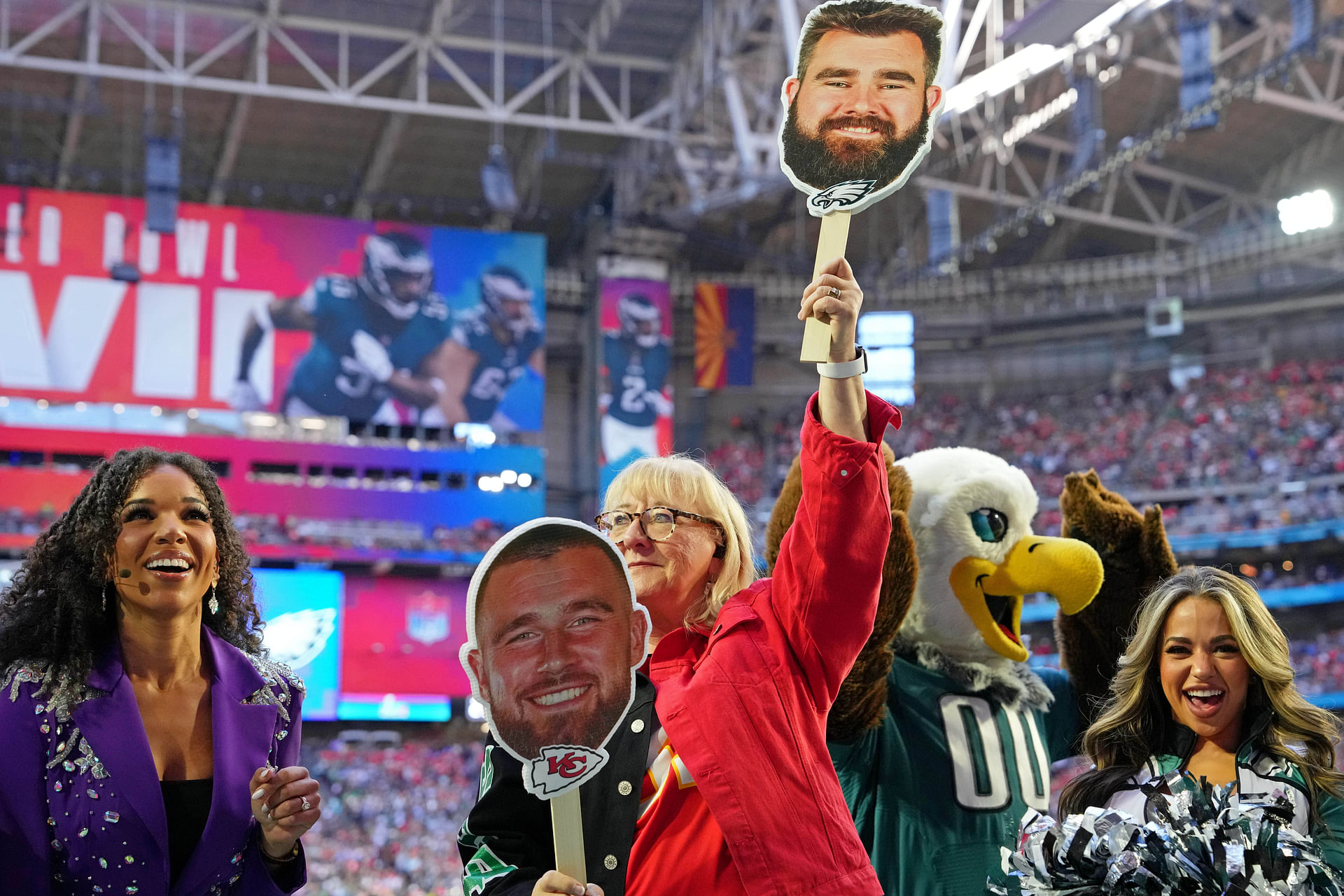
Travis Kelce Parenting Advice: Lessons on Mentorship, Family Values, and Being the "Ultimate Uncle"
Travis Kelce’s parenting advice emphasizes the "ultimate uncle" philosophy: prioritizing active presence, fostering a child’s individual interests, and maintaining a playful yet supportive environment. While Kelce remains focused on hi...
Travis Kelce’s parenting advice emphasizes the "ultimate uncle" philosophy: prioritizing active presence, fostering a child’s individual interests, and maintaining a playful yet supportive environment. While Kelce remains focused on his professional legacy and mentorship in 2026, he frequently cites his parents’ dedication and his brother Jason’s hands-on fatherhood as his primary blueprints for raising resilient, authentic children.
Contents
As one of the most recognizable figures in professional sports, Travis Kelce has spent years in the public eye, not just for his Hall of Fame-caliber performance on the field, but for his charismatic presence off it. While he is often celebrated for his athletic prowess and high-profile relationships, his insights into family dynamics and "parenting" from an uncle’s perspective have garnered a dedicated following. In 2026, as Kelce continues to balance his various business ventures and media presence, his views on child-rearing and mentorship offer a unique blend of old-school discipline and modern emotional intelligence.
The Foundation: Lessons from Ed and Donna Kelce
To understand Travis Kelce’s perspective on parenting, one must first look at the foundation laid by his parents, Ed and Donna Kelce. Travis frequently attributes his success and his outlook on family to the "no-nonsense" but deeply supportive environment of his childhood home in Cleveland Heights.
Resilience Through "Tough Love" and Sacrifice
Travis has often spoken about the logistical hurdles his parents cleared to ensure both he and his brother, Jason, could pursue their athletic dreams. In 2026, this remains a cornerstone of his advice to parents: sacrifice is the ultimate form of support. Ed and Donna famously stayed together for years longer than they might have otherwise to ensure a stable environment for their sons during their formative years—a detail Travis discusses with profound respect.
From Travis’s perspective, parenting involves a high level of grit. He advocates for letting children experience the consequences of their actions, a trait he observed in his father. Ed Kelce was known for being a straight-shooter who didn’t "sugarcoat" reality. This brand of honesty, Travis suggests, helps children build the thick skin necessary for the professional world, whether that world involves a football field or a corporate office.
The Role of Maternal Encouragement
While Ed provided the grit, Donna Kelce provided the unwavering belief in her children's potential. Travis often highlights how his mother allowed her sons to be "exactly who they were," even when they were boisterous or difficult to manage. This "let them be" philosophy is central to Kelce’s advice: parents should be the safety net that allows children to explore their personalities without fear of judgment.
The "Uncle Trav" Philosophy: Mentorship Over Management
As of 2026, Travis Kelce has become the world’s most famous "cool uncle" to Jason’s three daughters—Wyatt, Elliotte, and Bennett. His "advice" on parenting often stems from this unique vantage point. He views the role of an uncle as a crucial middle ground between a parent and a friend.
Presence is the Greatest Currency
Travis has consistently noted that children do not care about accolades, Super Bowl rings, or celebrity status; they care about presence. His advice to busy professionals is to "turn off the noise" when with children. Whether he is playing tea party or attending a dance recital, Kelce emphasizes that giving a child your undivided attention for twenty minutes is more impactful than being physically present but mentally distracted for two hours.
Fostering a Playful Spirit
One of the most distinct elements of the Kelce "parenting" style is the refusal to let the inner child die. Travis believes that children relate better to adults who can meet them at their level of play. This doesn’t mean a lack of boundaries, but rather an infusion of joy into daily routines. By being the "fun uncle," Travis demonstrates that authority figures can also be sources of immense fun, which builds a foundation of trust that makes future "serious" conversations easier to navigate.
Youth Sports and the Pressure of Expectations
Given his career, Travis Kelce is frequently asked for advice regarding children in sports. His stance is a departure from the "win-at-all-costs" mentality that often plagues youth athletics in the mid-2020s.
Avoiding the "Pro-Athlete" Trap
Kelce warns parents against projecting their own unfulfilled dreams onto their children. His advice is simple: if the child isn't having fun, the sport isn't serving them. He often points out that both he and Jason played multiple sports—hockey, baseball, basketball, and football—and were never forced to specialize too early.
| Aspect of Mentorship | The Kelce Approach | Benefit for the Child |
|---|---|---|
| Specialization | Multi-sport exposure until late high school. | Prevents burnout and reduces overuse injuries. |
| Discipline | Natural consequences and "tough love." | Builds internal resilience and accountability. |
| Support | High presence and vocal encouragement. | Establishes a secure emotional "home base." |
| Failure | Viewed as a necessary learning tool. | Removes the paralyzing fear of making mistakes. |
| Authenticity | Encouraging "loud" and unique personalities. | Fosters self-confidence and leadership traits. |
Using Athletics to Teach Life Skills
For Kelce, sports are a laboratory for life. He advises parents to focus less on the score and more on the "micro-lessons": how a child handles a bad call by an official, how they treat a teammate who makes a mistake, and how they respond to a loss. In 2026, as youth sports become increasingly professionalized, Kelce’s advocacy for "the love of the game" serves as a vital reminder of the true purpose of extracurricular activities.
Navigating Public Life and Privacy
In an era where children’s lives are often chronicled on social media, Kelce has expressed a cautious view on privacy. Observing his brother Jason navigate the complexities of raising three daughters in the spotlight, Travis has learned the importance of "curating the chaos."
Protecting the Inner Circle
His advice to those in the public eye—or even just those with large social media followings—is to keep the most "sacred" moments private. He believes that children deserve a childhood that isn't performative. This perspective has evolved as Travis himself has seen his personal life become a matter of global interest. He emphasizes that "the world doesn't need to see every milestone," and that some memories are more valuable when they belong only to the family.
Discipline and the "Softie" Evolution
One of the most humorous recurring themes on the New Heights podcast is Travis calling out his brother Jason for being a "softie" as a father. However, beneath the sibling ribbing lies a serious observation about modern parenting.
The Shift from Fear to Respect
Travis acknowledges that the "fear-based" discipline of previous generations is largely outdated. Instead, he advocates for discipline based on mutual respect and clear communication. He has noted that while he might be the "fun uncle" who breaks the rules occasionally, he also sees the value in Jason’s "gentle parenting" techniques, which involve explaining the why behind a rule rather than just demanding obedience.
The Power of the "Village"
Kelce is a staunch believer in the idea that it takes a village to raise a child. He encourages parents to lean on their extended family—grandparents, aunts, uncles, and close friends. By allowing children to have multiple "trusted adults" in their lives, parents reduce their own stress and provide the child with diverse perspectives and emotional outlets.
Frequently Asked Questions
Does Travis Kelce have children of his own?
As of early 2026, Travis Kelce does not have children. He has frequently expressed his desire to become a father in the future, often stating that seeing his brother Jason’s relationship with his daughters has "warmed his heart" and made him look forward to that chapter of his life.
What is Travis Kelce’s number one tip for parents of young athletes?
His primary tip is to prioritize enjoyment over performance. Kelce believes that the moment a sport feels like a job for a child, the developmental benefits are lost. He encourages parents to be the "cheerleader," not the "coach," during the car ride home.
How does Travis Kelce define a "good" parent?
Based on his interviews and public statements, Kelce defines a good parent as someone who is consistently present, provides a stable foundation of values, and has the courage to let their child fail and learn from it without intervention.
What has Travis Kelce said about his mother's parenting style?
He describes Donna Kelce as the "ultimate glue" of the family. He admires her ability to handle two high-energy sons with patience and her knack for making both brothers feel like they were her "favorite," regardless of their individual achievements at the time.
How does Travis Kelce handle discipline as an uncle?
Travis describes his role as the "enforcer of fun" rather than the "enforcer of rules." However, he has mentioned that he follows the lead of the parents (Jason and Kylie) to ensure consistency, emphasizing that an uncle’s job is to support the parents' boundaries, even while being the "cool" relative.
Final Recommendation: Lead with Authenticity
The most actionable takeaway from Travis Kelce’s collective advice is to parent with authenticity. Children are highly perceptive and can sense when an adult is being performative or insincere. Whether you are a parent, an uncle, or a mentor, the goal should be to show up as your true self. By demonstrating hard work, emotional honesty, and a sense of humor, you provide a roadmap for the child to do the same. If you are looking to apply the "Kelce Way" to your own family life, start by finding one small way to be more present this week—whether that’s putting the phone away during dinner or engaging in a hobby your child loves, even if you don't quite "get it" yourself.
Image Gallery