Three Dog Night "Liar" Chart History: Weekly Peaks, Sales, and Legacy
Three Dog Night’s 1971 single "Liar" reached #7 on the US Billboard Hot 100 and #5 on both the Cash Box Top 100 and Record World charts. Originally written by Russ Ballard and recorded by Argent, Three Dog Night’s hard-rocking cover ea...
Three Dog Night’s 1971 single "Liar" reached #7 on the US Billboard Hot 100 and #5 on both the Cash Box Top 100 and Record World charts. Originally written by Russ Ballard and recorded by Argent, Three Dog Night’s hard-rocking cover earned an RIAA Gold certification and established major international chart success across North America and Australasia.
Contents
The Origin of "Liar": From Argent to Three Dog Night
"Liar" was written by English musician Russ Ballard, guitarist and vocalist for the British rock band Argent. The song originally appeared on Argent’s self-titled debut album released in 1970. Argent’s version showcased Ballard’s blues-rock sensibilities and keyboard player Rod Argent’s signature organ textures. While respected by rock critics, Argent’s original single release failed to break into the main commercial pop charts in North America.
Three Dog Night, known for their uncanny ability to discover album tracks written by other artists and rearrange them into explosive radio hits, recognized the commercial potential of "Liar." The group recorded the song for their fifth studio album, Naturally, released by Dunhill Records (ABC/Dunhill) in November 1970.
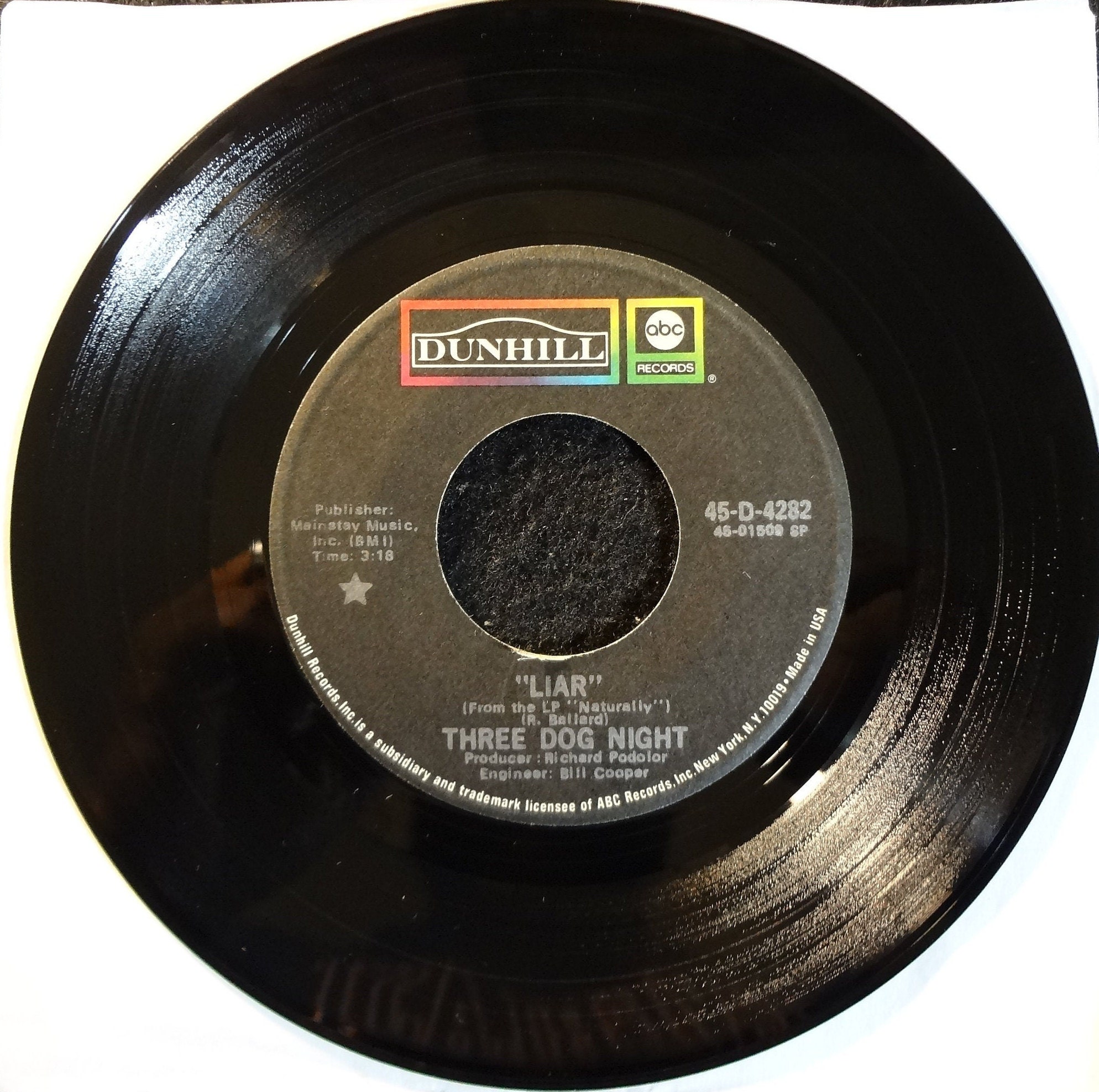
Under the guidance of producer Richard Podolor and audio engineer Bill Cooper, Three Dog Night transformed the track. They elevated its tempo, added muscular guitar riffs, reinforced the rhythm section, and arranged dynamic three-part vocal harmonies to support a fierce lead vocal performance by Danny Hutton.
When Dunhill Records issued "Liar" as a single in June 1971 (backed with the track "Cowboy"), it quickly caught fire on top-40 radio stations across North America. It proved to be a pivotal release for the group, following their massive #1 hit "Joy to the World" earlier that same year.
Comprehensive Chart Performance and Commercial Metrics
The single enjoyed widespread success across multiple domestic and international trade charts. Below is a detailed breakdown of the song’s peak positions, chart entry dates, and official certifications during its original 1971 release cycle.
| Chart / Organization | Peak Position | Peak Date / Period | Weeks on Chart | Certification / Status |
|---|---|---|---|---|
| US Billboard Hot 100 | #7 | August 28, 1971 | 12 Weeks | RIAA Gold Single |
| US Cash Box Top 100 | #5 | August 28, 1971 | 13 Weeks | Top 5 National Hit |
| US Record World Singles Chart | #5 | August 28, 1971 | 13 Weeks | Top 5 National Hit |
| Canadian RPM Top Singles | #4 | August 28, 1971 | 14 Weeks | Top 5 Canadian Hit |
| Australian Go-Set Singles | #18 | October 1971 | 10 Weeks | Top 20 National Hit |
| Australian Kent Music Report | #14 | October 1971 | 12 Weeks | Top 15 National Hit |
| RIAA Sales Certification | Gold | September 1, 1971 | N/A | 1,000,000+ Units Sold |
The Billboard Hot 100 Trajectory of Summer 1971
Three Dog Night’s release of "Liar" coincided with one of the most competitive pop chart seasons of the early 1970s. The song debuted on the Billboard Hot 100 in July 1971, rapidly ascending the rankings as radio programmers added it to heavy rotation.
Billboard Hot 100 Peak Progression (Summer 1971): [July 1971: Debut] ---> [Mid-August: Top 20] ---> [August 28, 1971: Peak #7]
Key Milestones During the Chart Run
- Rapid Ascent: Capitalizing on the momentum of their previous chart-topper "Joy to the World," "Liar" jumped multiple positions weekly throughout July 1971, entering the Top 40 within three weeks of charting.
- Top 10 Breakthrough: By mid-August 1971, "Liar" penetrated the Billboard Top 10, climbing past established tracks by contemporary rock and pop acts.
- Peak Position: On the Billboard Hot 100 issue dated August 28, 1971, "Liar" peaked at #7.
- Chart Competition: During its peak week in late August 1971, "Liar" shared the top tier of the Billboard Hot 100 with legendary tracks including:
- "How Can You Mend a Broken Heart" by the Bee Gees (#1)
- "Take Me Home, Country Roads" by John Denver (#2)
- "Mr. Big Stuff" by Jean Knight (#3)
- "Mercy Mercy Me (The Ecology)" by Marvin Gaye (#4)
- "Signs" by Five Man Electrical Band (#3)
- "Beginnings" / "Colour My World" by Chicago (#7 range)
On rival US industry trade publications Cash Box and Record World, which measured retail sales and jukebox plays alongside radio airplay, "Liar" performed even stronger, securing the #5 position nationwide during late August 1971.
Musical Arrangement and Production Quality
The commercial success of Three Dog Night's version of "Liar" lies largely in its hard-hitting production and distinct vocal dynamics. While the band featured three lead vocalists—Danny Hutton, Chuck Negron, and Cory Wells—"Liar" served as a prominent showcase for Hutton’s gritty, driving rock lead.
Vocal Structure
- Lead Vocals: Danny Hutton delivers an urgent, commanding lead performance that conveys the aggressive, accusatory tone of the lyrics.
- Harmonization: Chuck Negron and Cory Wells provide tight, soaring back-up harmonies during the chorus ("Liar! Liar!"), creating a call-and-response structure that heightened the song's dramatic tension on top-40 radio.
Instrumental Execution
- Organ and Keyboards: Jimmy Greenspoon’s Hammond organ drives the song's main riff, providing a heavy, gospel-influenced rock foundation that bridges the gap between blues rock and early 1970s hard rock.
- Guitar Work: Michael Allsup provides biting guitar lead lines and rhythm chords, giving the track a heavier crunch than Argent’s original recording.
- Rhythm Section: Bassist Joe Schermie and drummer Floyd Sneed lay down a steady, propulsive groove. Sneed’s explosive drum fills during the chorus transitions added a distinctive punch that stood out on AM radio.
Studio Engineering
Recorded at American Recording Company in Studio City, California, producer Richard Podolor used natural room acoustics and light tape compression to keep the instruments sounding raw yet polished. Podolor ensured that the vocal stack sat prominently above the dense instrumental mix, ensuring maximum punch for broadcast listeners.
Commercial Impact, RIAA Certification, and Legacy
Three Dog Night was one of the most commercially successful American singles bands of the 1968–1975 era. "Liar" reinforced their reputation as master interpreters of contemporary songwriting, demonstrating that they could tackle heavier rock material with the same chart effectiveness as pop-soul ballads.
Sales and Industry Recognition
On September 1, 1971, just days after reaching its peak on the national charts, "Liar" was officially certified Gold by the Recording Industry Association of America (RIAA). In 1971, an RIAA Gold single certification signified physical sales exceeding one million units in the United States alone.
Presence on Album Release Cycles
"Liar" played a major role in pushing its parent album, Naturally, to RIAA Gold and Platinum status. The album reached #14 on the Billboard 200 Top LPs chart and yielded four hit singles:
- "One Man Band" (US #19)
- "Joy to the World" (US #1)
- "Liar" (US #7)
- "An Old Fashioned Love Song" (US #4)
Long-term Classic Rock Presence
Following its initial 1971 chart run, "Liar" became a staple of Three Dog Night’s live concert setlists and hit compilations, including Golden Bisquits (1971) and The Best of Three Dog Night (1982). Decades later, the song remains a classic rock radio staple, frequently cited by musicologists as an prime example of early 1970s hard-pop production.
Frequently Asked Questions
Who wrote the song "Liar" recorded by Three Dog Night?
"Liar" was written by English songwriter and musician Russ Ballard. It was first recorded and released by his band, Argent, on their self-titled 1970 debut album before Three Dog Night covered it in late 1970.
What was the highest position "Liar" reached on the Billboard Hot 100?
Three Dog Night's version of "Liar" reached a peak position of #7 on the US Billboard Hot 100 chart on August 28, 1971.
Which member of Three Dog Night sang lead vocals on "Liar"?
Danny Hutton sang the primary lead vocals on "Liar," supported by vocal harmonies from fellow co-lead singers Chuck Negron and Cory Wells.
How did Three Dog Night's version compare to Argent's original version commercially?
Argent's original version failed to reach the primary US chart. Three Dog Night's re-arranged cover became a major international hit, reaching #7 on the Billboard Hot 100, #5 on Cash Box, #4 in Canada, and earning RIAA Gold certification for over one million copies sold.
On what Three Dog Night album does "Liar" appear?
"Liar" originally appeared on Three Dog Night's fifth studio album, Naturally, released in November 1970 on Dunhill Records. It was later featured on numerous compilation albums, including Golden Bisquits.
Key Takeaways for Music Historians and Collectors
- Chart Peak: #7 Billboard Hot 100 (August 28, 1971); #5 Cash Box Top 100; #4 Canadian RPM.
- RIAA Status: Certified Gold on September 1, 1971 (1 million+ units sold).
- Primary Vocalist: Danny Hutton on lead vocals, backed by Chuck Negron and Cory Wells.
- Songwriter & Origin: Written by Russ Ballard; originally performed by Argent in 1970.
- Production Team: Produced by Richard Podolor and engineered by Bill Cooper at American Recording Company for Dunhill Records.
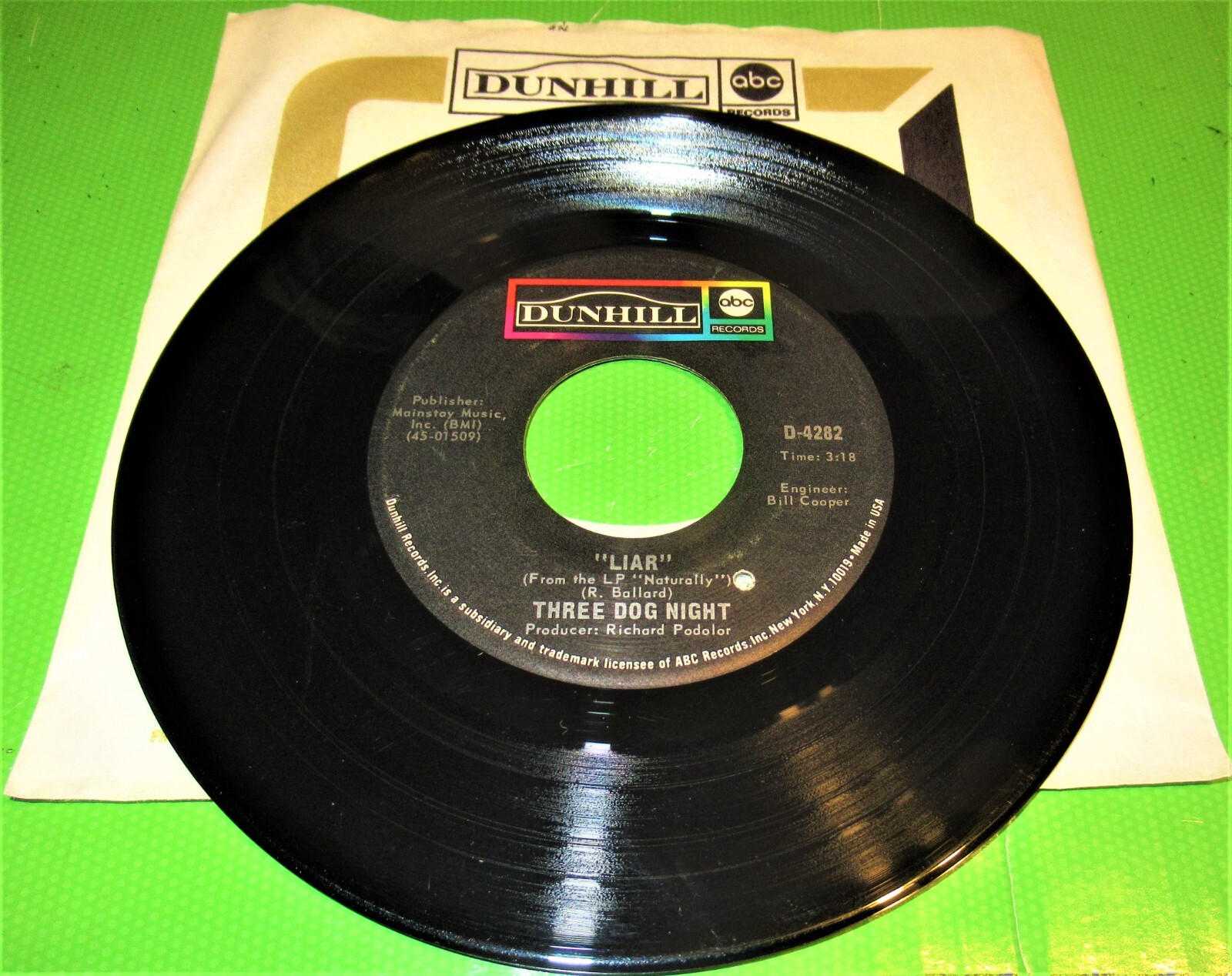
For vinyl collectors and chart researchers examining early 1970s pop-rock discographies, the original 7-inch vinyl release of "Liar" (Dunhill D-4282) remains a key representative artifact of Three Dog Night's peak chart era.
Image Gallery