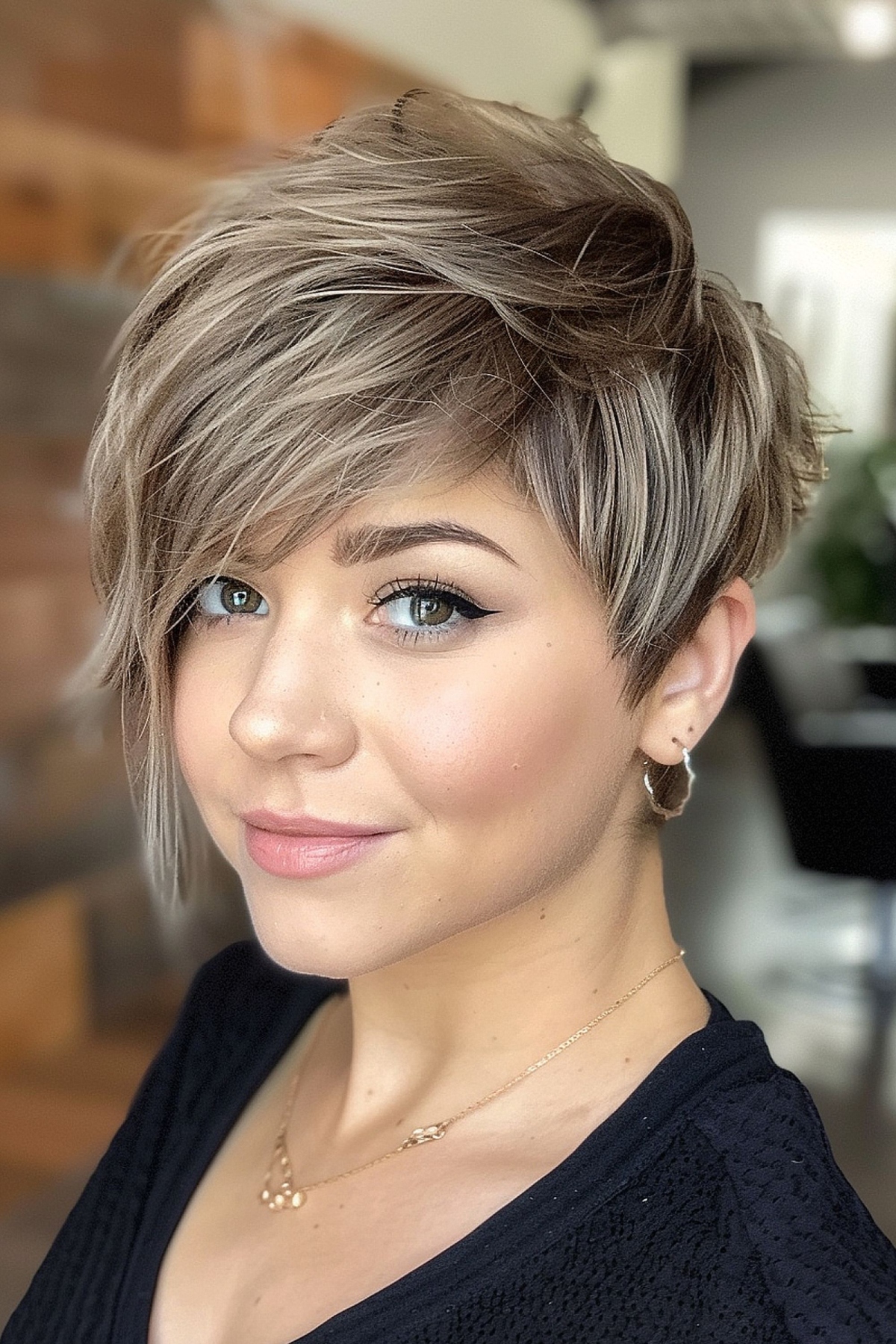
The Ultimate Guide to Short Hair at Front Long at Back Styles in 2026
Short hair at the front and long at the back—historically recognized as the mullet, the modern shag, or asymmetrical bobs—has undergone a massive resurgence in 2026. This avant-garde yet highly versatile silhouette blends sharp editori...
Short hair at the front and long at the back—historically recognized as the mullet, the modern shag, or asymmetrical bobs—has undergone a massive resurgence in 2026. This avant-garde yet highly versatile silhouette blends sharp editorial edge with everyday wearability. Whether you are aiming for a punk-inspired revival, a sophisticated indie-sleaze texture, or a clean, aerodynamic silhouette, mastering this haircut requires a deep understanding of facial geometry, hair density, texture control, and precision cutting techniques.
Contents
Understanding the Anatomy of the Front-Short, Back-Long Silhouette
The fundamental architectural principle behind a style that is short at the front and long at the back relies on weight distribution and graduation. By removing weight around the crown and temples while preserving length through the occipital bone and nape, stylists create an immediate sense of dynamic motion.
- The Crown Zone: This area is typically heavily texturized or cropped to add vertical lift and eliminate bulk.
- The Fringe and Face-Framing Sides: Ranging from micro-bangs to chin-length textured pieces, the front sections dictate how the face is framed, accentuating cheekbones and jawlines.
- The Nape and Perimeter: The elongated back section provides contrast, creating a striking profile that elongates the neck visually.
Maintaining this cut requires understanding your natural hair growth patterns. Cowlicks at the hairline or crown can dramatically alter how the shorter front sections lay, necessitating tailored cutting techniques like point-cutting or slide-cutting.
Evolution of the Style: From Retro Mullets to 2026 Modern Textures
The historical trajectory of hair that is short in the front and long in the back has evolved significantly. In past decades, the look was heavily stratified, often featuring a stark, disconnected line between the cropped top and the flowing tail. Today, the 2026 aesthetic favors seamless blending, soft diffusion, and lived-in textures.
Modern variations leverage advanced razor-cutting and dry-cutting methods to ensure that the transition points are undetectable. Instead of looking costume-like, contemporary iterations feel organic, leaning heavily into natural wave patterns, air-dried finishes, and sustainable styling products that prioritize hair health over heavy synthetic holds.
Comprehensive Comparison of Modern Front-Short Back-Long Variations
Choosing the right variation depends heavily on your hair texture, density, and daily styling commitment. The following breakdown contrasts the primary stylistic interpretations available in 2026.
| Style Variation | Ideal Hair Texture | Maintenance Level | Recommended Styling Approach |
|---|---|---|---|
| The Modern Shag Mullet | Wavy or Curly | Moderate | Sea salt spray and diffuser for enhanced natural texture |
| The Asymmetrical French Crop | Straight or Fine | Low | Lightweight styling paste for directional front sweep |
| The Wolf Cut Hybrid | Thick or Coarse | High | Blowout with a round brush followed by texture powder |
| The Editorial Pixie-Mullet | Straight or Fine | Moderate | Matte clay for piece-y separation at the crown and front |
Step-by-Step Technical Cutting Guide for Stylists
Executing a precise short-front, long-back haircut demands structural planning. Follow this foundational workflow to achieve a balanced, contemporary finish.
- Consultation and Hair Mapping: Assess density, growth vectors, and natural fall. Determine the maximum length for the back perimeter and the shortest point desired for the fringe and temple areas.
- Sectioning: Isolate the top and front zones from the side panels and the back nape area using clean, symmetrical parting lines.
- Cutting the Back Perimeter: Establish the baseline length at the nape. Work with horizontal subsections, maintaining natural fall or slight elevation depending on desired weight buildup.
- Cropping the Front and Crown: Pull the front sections forward and establish the fringe guideline. Proceed to point-cut the crown layers, gradually connecting them to the longer mid-lengths without creating harsh shelf lines.
- Texturizing and Detailing: Use thinning shears or a razor exclusively on dry hair to shatter weight lines, ensuring the front frames the face softly while the back retains fluid movement.
Advantages and Disadvantages of Wearing Short Hair at the Front and Long at the Back
Before committing to this bold aesthetic shift, it is essential to weigh the stylistic benefits against the practical upkeep requirements.
Stylistic Versatility Pros: This haircut offers incredible duality, allowing you to pull the front back for a clean, editorial look or let it fall forward for an edgy, rebellious frame. It naturally adds height to round faces and slims angular features through strategic layering. Cons: The short front sections require frequent trimming to maintain their shape, often necessitating salon visits every four to six weeks.
Maintenance Realities Pros: The longer back section provides a low-maintenance styling experience once the cut is established, as natural waves or straight falls require minimal daily intervention. Cons: Growing out an asymmetrical cut can be challenging during the awkward transition phase, requiring careful styling management to blend disparate lengths.
Expert Maintenance and Daily Styling Tips
Preserving the sharp contrast of a short-front, long-back haircut requires a targeted product regimen. Because the front sections are shorter and often exposed to facial oils, they tend to get greasy faster than the longer back portions.
- Targeted Cleansing: Use a balancing shampoo at the scalp and roots while applying a hydrating conditioner strictly from the mid-lengths to the ends of the long back section.
- Product Layering: Apply a lightweight volumizing mousse to the crown and front roots for lift, followed by a nourishing argan or jojoba oil on the back ends to prevent split ends.
- Nighttime Protection: Sleep in a silk or satin bonnet to prevent friction frizz on the shorter crown layers and to keep the elongated back section smooth and tangle-free.
Frequently Asked Questions
What face shapes look best with short hair at the front and long at the back?
Oval, heart, and square face shapes complement this style exceptionally well because the short front pieces and strategic side-framing layers balance jawlines and elongate proportions. Round faces can also wear this style successfully by opting for asymmetrical fringe variations that add vertical height.
How often do I need to visit the salon to maintain this haircut?
To keep the short front sections and precise perimeter looking sharp, plan for professional maintenance trims every 4 to 6 weeks, though the longer back length can sometimes stretch to 8 weeks depending on your growth rate.
Can fine hair pull off a short-front, long-back style?
Yes, fine hair works wonderfully with modern textured variations like the asymmetrical crop, provided that lightweight volumizing powders and texturizing sprays are used to build fullness without weighing the strands down.
Is this haircut difficult to style on a daily basis?
Daily styling is relatively straightforward once you learn your hair's natural reaction to the cut, typically taking under ten minutes with the right combination of a blow-dryer, a round brush, and a matte styling paste.
How do I transition out of this haircut when I want a uniform length?
Transitioning out of an asymmetrical cut requires gradually trimming the longer back sections while letting the front and crown catch up, utilizing strategic layering or braiding during the intermediate growth phase.
Ready to transform your look with a precision-crafted silhouette? Schedule a consultation with our master stylists today to tailor the ultimate short-front, long-back cut to your unique facial structure and lifestyle.
Image Gallery