What to Expect on a Wunderpus Liveaboard Trip: Full Diving & Onboard Guide
A trip on the Wunderpus liveaboard delivers an intimate, small-group dive safari through Komodo National Park in Indonesia, emphasizing high guide-to-diver ratios and customized itineraries. Guests can expect up to four dives daily, pe...
A trip on the Wunderpus liveaboard delivers an intimate, small-group dive safari through Komodo National Park in Indonesia, emphasizing high guide-to-diver ratios and customized itineraries. Guests can expect up to four dives daily, personalized service for max eight passengers, comfortable ensuite accommodations, and dedicated land excursions to see Komodo dragons and scenic island viewpoints.
Contents
The Wunderpus Concept: Small-Group Diving in Komodo
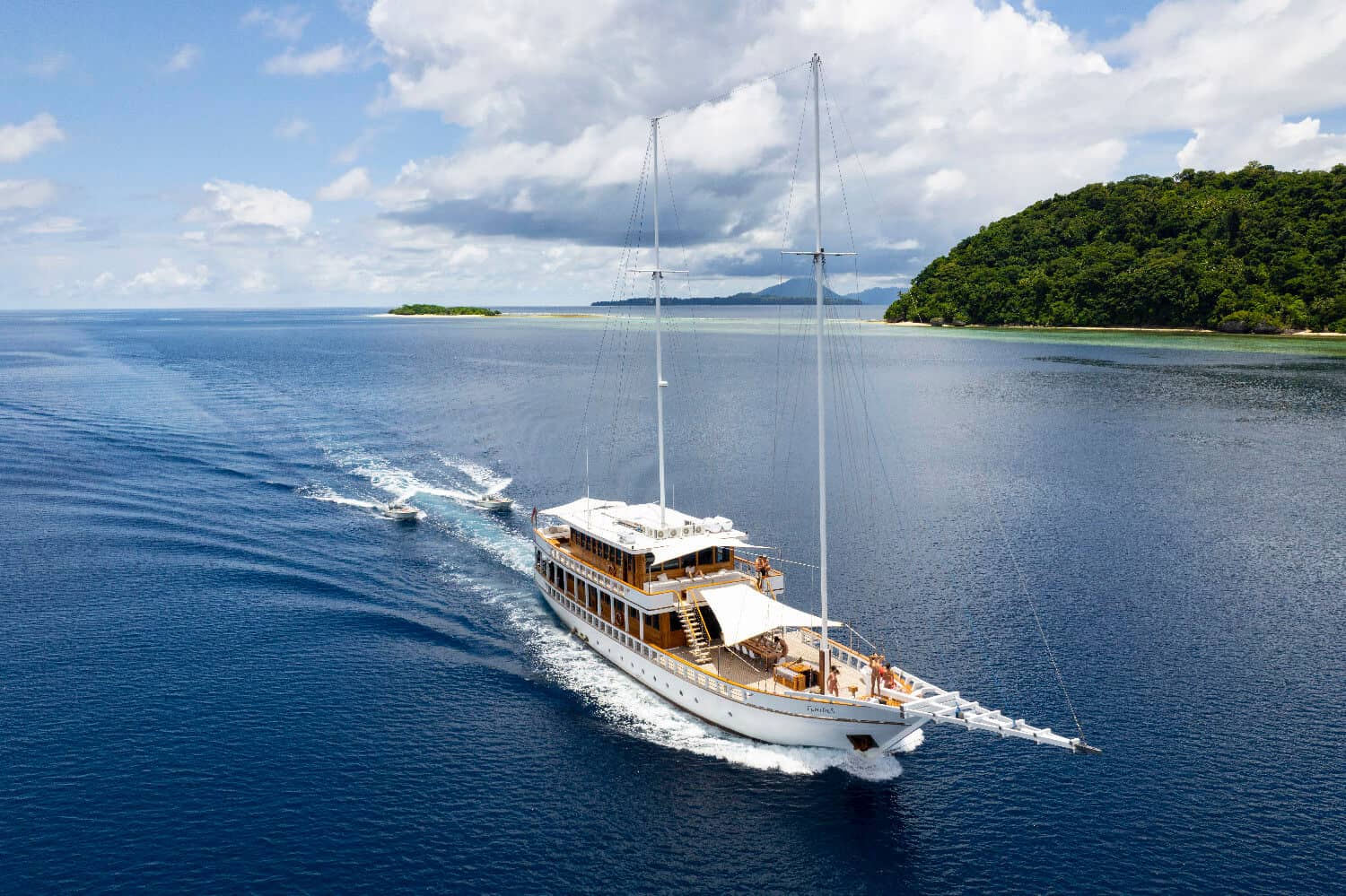
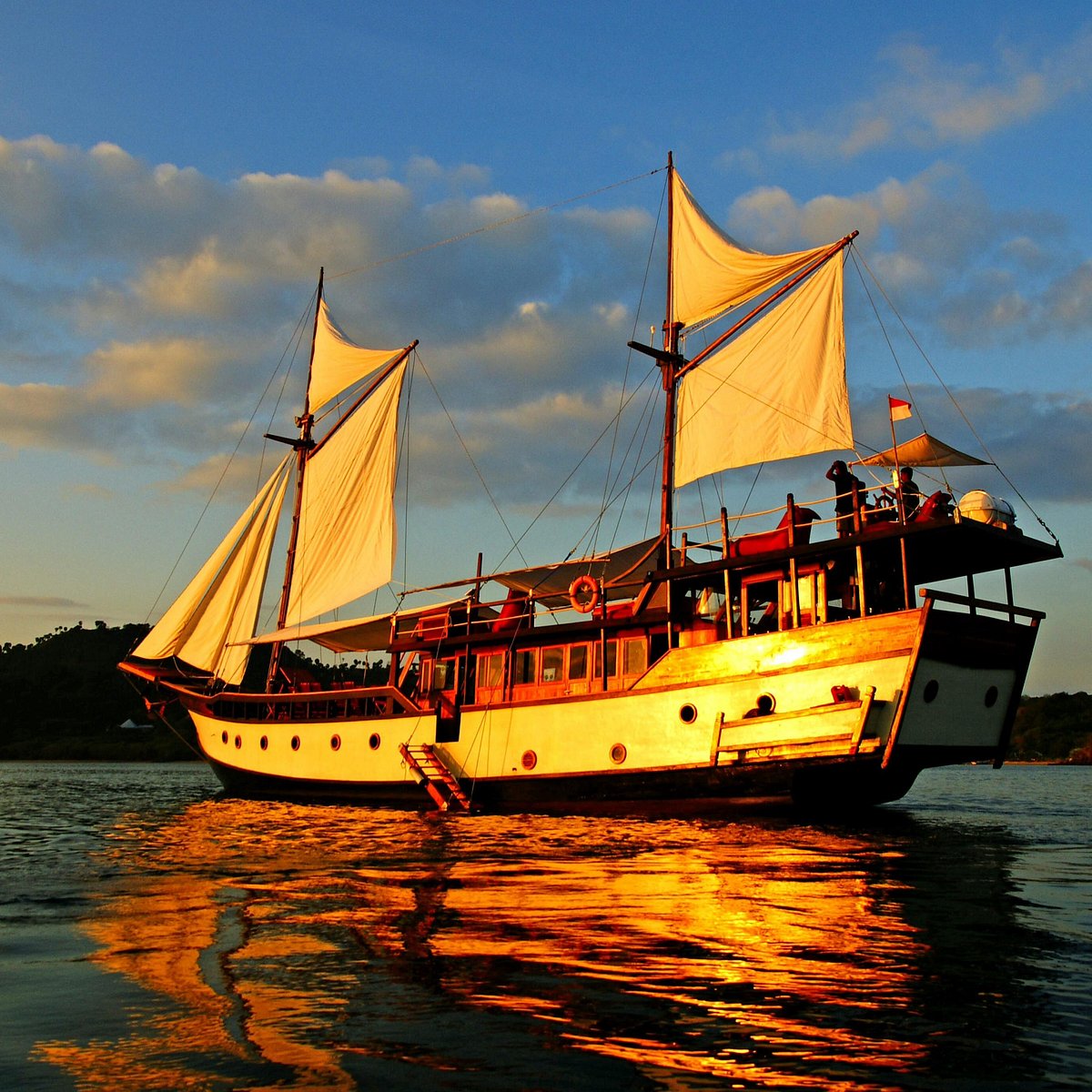
The M/V Wunderpus is a traditional Indonesian wooden Phinisi vessel custom-built and configured specifically for scuba diving expeditions in Komodo National Park. Operating primarily out of Labuan Bajo on the island of Flores, the boat stands out in the liveaboard market due to its strict policy on low guest capacity. While many liveaboards in the region accommodate 16 to 24 divers, Wunderpus limits its passenger count to just eight guests.
This small-group approach fundamentally changes the dynamic of the trip. With a maximum ratio of one dive guide to four divers—and frequently one guide to two divers for photographer-heavy charters—underwater navigation, marine life spotting, and safety in Komodo’s notorious currents are significantly enhanced. Group briefings are detailed, dive site entries are unhurried, and underwater congestion is virtually eliminated.
The vessel is named after the Wunderpus photogenicus, a rare species of long-armed octopus famous for its intricate patterns and camouflage. True to its namesake, the liveaboard caters heavily to macro enthusiasts, underwater photographers, and marine life connoisseurs who appreciate slow-paced, detailed exploration alongside Komodo’s legendary high-energy drift dives.
Daily Schedule and Life Onboard
Life aboard the Wunderpus follows a structured yet relaxed rhythm designed to maximize dive time while leaving plenty of opportunity for rest, dining, and social interaction. A typical full diving day includes three day dives and one night or dusk dive.
- 06:00 AM – Light Breakfast & Morning Coffee/Tea
- 06:30 AM – Detailed Dive Briefing & Dive 1 (Morning Reef Dive)
- 08:30 AM – Cooked Full Breakfast
- 10:30 AM – Briefing & Dive 2 (Drift or Seamount Dive)
- 01:00 PM – Plated Lunch & Surface Interval Rest
- 03:30 PM – Briefing & Dive 3 (Macro or Shallow Reef Dive)
- 05:00 PM – Afternoon Snacks & Land Excursion / Sunset Relaxation
- 06:30 PM – Night Dive Briefing & Dive 4 (Night/Dusk Macro Dive)
- 08:00 PM – Freshly Prepared Dinner & Logbook Discussion
Surface Intervals and Social Spaces
Between dives, guests gather on the main deck dining area or the shaded upper sundeck. Because the passenger count is small, the atmosphere on board is communal and relaxed. Guests share dive logs, review photos on laptop stations, or nap on daybeds. The cruise director and dive guides are continuously accessible, offering informal chats on marine biology, site conditions, and underwater photography technique.
Scuba Diving Conditions and Site Highlights
Komodo National Park is world-famous for its complex marine ecosystem, created by the meeting of the Pacific Ocean to the north and the Indian Ocean to the south. This tidal movement generates rich nutrient upwellings, supporting over 1,000 species of fish and 260 species of coral. However, these currents also create challenging diving conditions.
- PACIFIC OCEAN (NORTH)
- Warm, Clear Water (27°C-29°C)
- KOMODO NATIONAL PARK
- High-Energy Seamounts, Pinnacles, and Deep Upwellings
- INDIAN OCEAN (SOUTH)
- Cool, Nutrient Water (22°C-25°C)
Northern Komodo Sites
The northern sector features crystal-clear, warm water (27°C–29°C) with strong tidal currents and high-energy pelagic activity.
- Castle Rock & Crystal Rock: Exposed seamounts known for high-voltage drift dives, schooling trevally, giant jacks, white-tip and black-tip reef sharks, and occasional hammerheads.
- The Cauldron (Shotgun): A narrow channel between Komodo and Gili Lawa Laut where tidal movement creates a powerful current "shotgun" effect, launching divers over a shallow bowl teeming with rays and jacks.
Central Komodo Sites
Central Komodo offers a balanced mix of current dives, coral gardens, and macro opportunities.
- Batu Bolong: A legendary submerged rock spire dropping into deep water. It supports densely populated coral gardens packed with reef fish, hawksbill turtles, and pelagics cruising in the blue.
- Karang Makassar (Manta Point): A broad, shallow rubble plateau where reef manta rays (Mobula alfredi) gather at cleaning stations and feed in the current.
Southern Komodo Sites
The southern sector, influenced by the cooler Indian Ocean (water temperatures can drop to 22°C–25°C), is rich in plankton and macro life.
- Cannibal Rock: A famous seamount in the South Rinca region covered in sea apples, frogfish, nudibranchs, Coleman shrimp, and pygmy seahorses.
- Manta Alley: A southern cove where massive aggregations of manta rays feed in cooler, nutrient-dense waters during specific moon phases.
Cabins, Deck Facilities, and Dining
The vessel features four guest cabins, accommodating up to eight guests total. Cabin layouts typically include options for double beds or twin single configurations, making the vessel ideal for couples, solo travelers, or small private charters.
Accommodation Features
- Individually Controlled Air Conditioning: Essential for tropical comfort during warm Indonesian nights.
- Ensuite Bathrooms: Private bathrooms in every cabin equipped with hot-water showers, electric marine toilets, and fresh towels.
- Storage and Outlets: Dedicated shelving, under-bed storage for dive bags, and multiple 220V power sockets (European two-pin plugs) for charging electronics.
Dive Deck and Camera Station
Because Wunderpus frequently hosts underwater photographers, the boat's layout prioritizes camera equipment handling:
- Dedicated Camera Setup Area: Work benches with non-slip matting and low-pressure air hoses for drying gear.
- Freshwater Rinse Tanks: Separate, dedicated rinse tubs for camera housings and dive computers, kept isolated from general wetsuit rinse tanks.
- Shaded Dive Deck: Individual gear stations where tanks remain mounted to BCDs for easy filling between dives. Enriched Air Nitrox (EANx) is available on board for certified divers, extending bottom times on Komodo's deeper seamounts.
Onboard Dining
Meals are prepared fresh by the onboard chef, featuring a combination of Indonesian specialties (such as rendang, fresh grilled fish, and gado-gado) and Western favorite dishes. Meals are served buffet-style or plated in the open-air covered dining salon. Special dietary requirements—including vegetarian, vegan, gluten-free, and nut allergies—are accommodated when communicated prior to departure. Fresh fruits, homemade snacks, coffee, tea, and drinking water are available 24 hours a day.
Land Excursions and Topside Activities
A liveaboard trip on Wunderpus is not strictly confined to underwater activities. The itinerary incorporates iconic topside highlights of the Komodo UNESCO World Heritage site.
| Excursion | Key Highlights & Experiences |
|---|---|
| Rinca / Komodo Island Trek | • Ranger-guided walking tour• Observation of Komodo Dragons (Varanus komodoensis)• Native wildlife: Timor deer, wild boar, exotic birds |
| Padar Island Sunrise Trek | • Early morning hike up stone staircase• Iconic panoramic view of three colored beaches• High-angle photography opportunities |
| Pink Beach & Sandbar Visits | • Beachcombing on pink-tinted coral sand• Shallow snorkeling over pristine fringing reefs• Sunset drinks and relaxation on secluded beaches |
Trip Prerequisites, Logistics, and Packing
Diving in Komodo National Park requires proper preparation due to remote locations and variable currents.
Experience Requirements
- Certification Level: An Advanced Open Water Diver certification (or equivalent) is strongly recommended. Open Water divers can often complete their Advanced course onboard or must be comfortable diving to 30 meters.
- Minimum Dive Count: Guests should ideally have at least 30 to 50 logged dives, with previous experience in drift diving and current management.
- Safety Gear: Every diver is required to carry a Surface Marker Buoy (SMB), a whistle, and a reef hook (used to anchor safely to bare rock in strong currents without damaging live coral). Dive computers are mandatory for every diver.
Mandatory Documentation & Logistics
- Travel Hub: Trips depart from and return to Labuan Bajo (LBJ) on Flores Island. Domestic flights connect daily from Jakarta (CGK) or Bali (DPS).
- Dive Insurance: Comprehensive dive emergency insurance (such as DAN, DiveAssure, or equivalent covering medical evacuation and hyperbaric chamber treatment) is mandatory for all guests.
- Park Fees: Komodo National Park entry fees, marine park taxes, and port clearance fees are typically paid separately in cash (Indonesian Rupiah) or settled prior to boarding depending on booking terms.
Packing Essentials
- Wetsuit Selection: A 3mm or 5mm full wetsuit is recommended. While northern Komodo stays around 28°C, southern sites can drop to 22°C with strong thermoclines.
- Footwear: Trekking shoes or sturdy sneakers are required for the Padar Island and Komodo Dragon hikes, as trails can be steep and dusty.
- Sun Protection & Reef-Safe Sunscreen: Bring hats, UV rashguards, and reef-safe sunscreen to protect delicate marine ecosystems.
Wunderpus Liveaboard Overview & Specifications
The following table summarizes the vessel specs, trip details, and operational standards for quick reference.
| Parameter | Specifications & Operational Details |
|---|---|
| Vessel Type | Traditional Indonesian Wooden Phinisi |
| Length / Beam | ~25 meters length / ~5.5 meters beam |
| Max Passenger Capacity | 8 guests (small-group focus) |
| Cabin Count | 4 double/twin cabins with private ensuite & AC |
| Guide-to-Diver Ratio | Max 1:4 (frequently 1:2 for macro/photo focus) |
| Departure / Arrival Port | Labuan Bajo (LBJ), Flores, Indonesia |
| Typical Trip Duration | 5 nights / 6 days to 9 nights / 10 days |
| Dives per Full Day | 3 Day Dives + 1 Night/Dusk Dive (Up to 4 daily) |
| Nitrox Available? | Yes (Enriched Air Nitrox EANx 32%) |
| Key Marine Sightings | Manta rays, reef sharks, turtles, Wunderpus, frogfish, blue-ringed octopus |
| Mandatory Equipment | Dive computer, SMB, reef hook, dive insurance |
Frequently Asked Questions
What certification level is required for a Wunderpus liveaboard trip?
An Advanced Open Water certification is recommended due to deep seamounts and strong currents. Open Water divers can often participate if they have logged sufficient dives, or they can complete their Advanced Open Water training onboard under the supervision of the instructors.
Is the Wunderpus suitable for non-diver partners?
Yes. Non-diving partners can enjoy snorkeling, land excursions, kayaking, and relaxation on the sundeck. However, because the trip is heavily dive-focused, non-divers should be comfortable spending extended periods on a vessel while divers are underwater.
What is the best time of year to dive Komodo on the Wunderpus?
The primary liveaboard season in Komodo runs from April to November during the dry season, offering optimal surface conditions, clear water in the north, and reliable manta ray encounters. Some trips operate during the wet season (December to March), focusing more on southern Komodo sites where cool waters attract large aggregations of mantas and macro critters.
Are marine park fees included in the booking price?
National park fees, port clearance charges, and marine park permits are usually charged separately from the charter rate. These fees are subject to government updates and are typically settled prior to departure or paid in cash (Indonesian Rupiah) upon arrival in Labuan Bajo.
How are camera setups handled on board?
Wunderpus offers a dedicated camera setup workbench with rubber matting, low-pressure air guns, and separate freshwater rinse tanks used strictly for camera gear and computers. Power outlets (220V European style) are available in cabins and communal areas for charging batteries and laptops.
What happens in an underwater emergency during the trip?
The vessel carries onboard medical oxygen, first-aid kits, life rafts, and VHF radios. Dive guides carry emergency location devices on drift dives. In the event of a severe decompression illness incident, emergency procedures involve stabilizing the diver, contacting medical assistance, and arranging transport back to Labuan Bajo for evacuation to hyperbaric chamber facilities in Bali or Labuan Bajo.
Practical Recommendations for Your Trip
To get the most out of a Wunderpus liveaboard expedition, plan to land in Labuan Bajo at least one day prior to your cruise departure. This buffer prevents missed embarkations caused by domestic flight delays and ensures you are well-rested before diving.
Before arrival, verify that your dive insurance covers emergency hyperbaric treatment and medical evacuation in Indonesia. Bring a spare dive computer, extra camera O-rings, a sturdy reef hook, and a 3mm to 5mm full wetsuit to manage Komodo's variable thermoclines. By preparing your gear and logistics in advance, you can fully enjoy one of the world's premier small-group liveaboard experiences.
Image Gallery