The Jaguar XJR-14 Overview: The Formula 1 Car with a Roof
The Jaguar XJR-14 remains one of the most technologically significant sports prototype racing cars ever constructed. Designed to meet the 3.5-liter atmospheric engine regulations of 1991, it effectively bridged the gap between traditio...
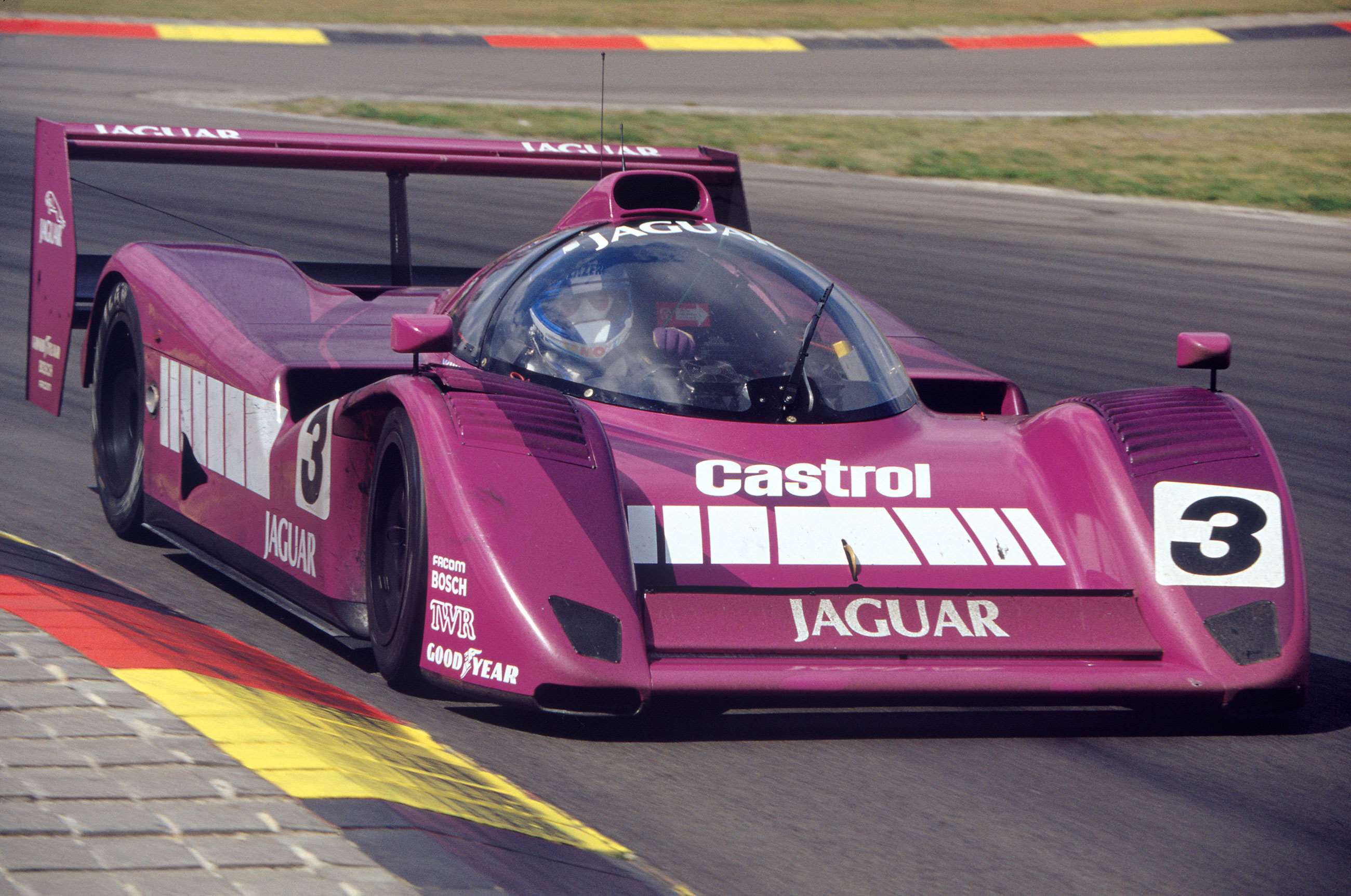
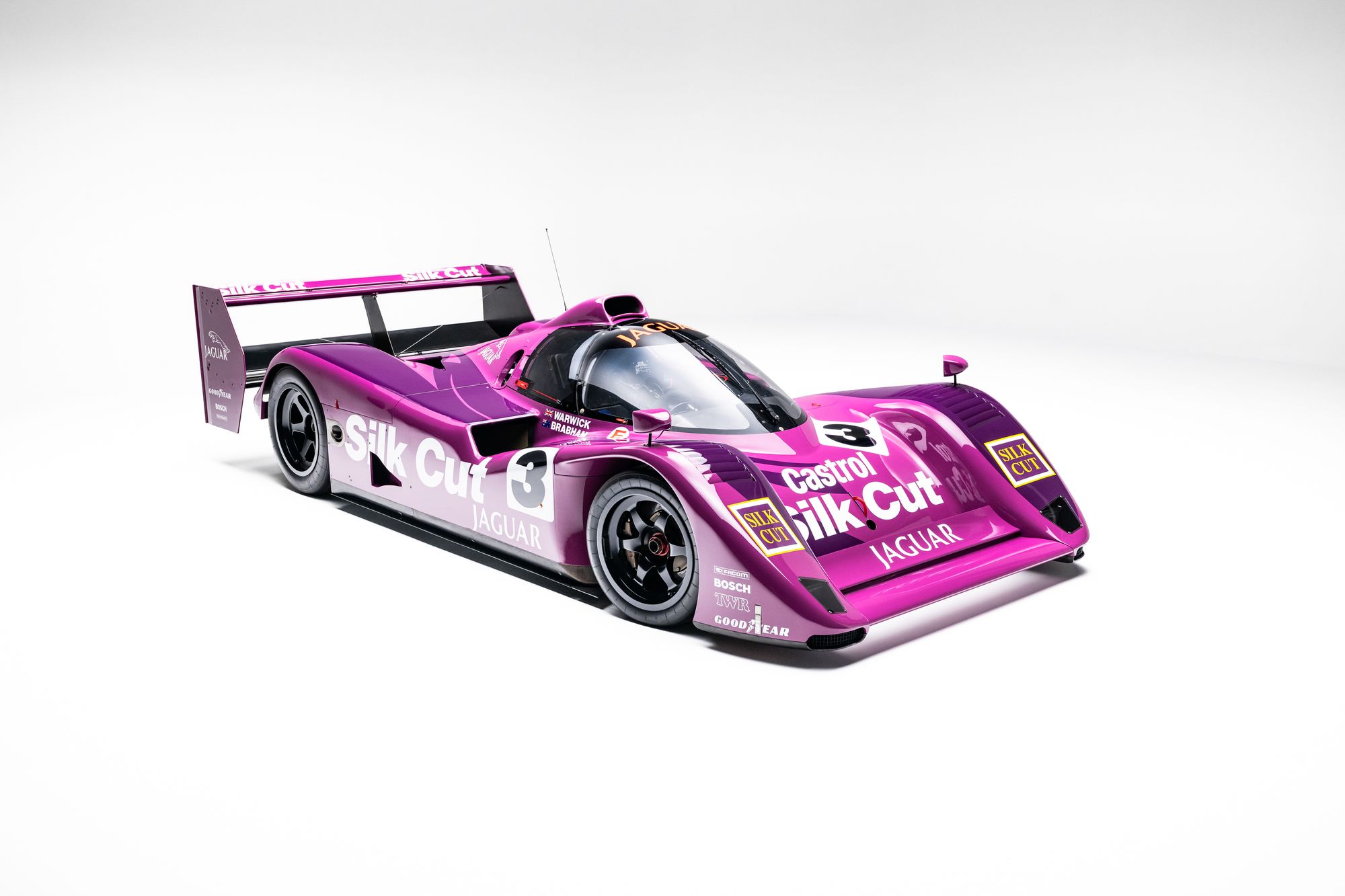
The Jaguar XJR-14 remains one of the most technologically significant sports prototype racing cars ever constructed. Designed to meet the 3.5-liter atmospheric engine regulations of 1991, it effectively bridged the gap between traditional endurance racers and contemporary Formula 1 machinery, securing the World Sportscar Championship for Jaguar and cementing Ross Brawn’s reputation as a premier designer.
Contents
The Genesis of the 3.5-Liter Formula
The Jaguar XJR-14 was born from a radical shift in international sports car racing regulations. By the late 1980s, the FIA (Fédération Internationale de l'Automobile) sought to align the engine specifications of the World Sportscar Championship (WSC) with those of Formula 1. The goal was twofold: to encourage major manufacturers to develop 3.5-liter naturally aspirated engines that could be used in both disciplines and to phase out the immensely powerful but fuel-restricted turbocharged Group C monsters like the Jaguar XJR-9 and XJR-11.
In 1991, the "Category 1" rules mandated these 3.5-liter atmospheric engines and a minimum weight of just 750 kilograms. Tom Walkinshaw Racing (TWR), the outfit responsible for Jaguar’s racing program, realized that a simple evolution of their existing chassis would not suffice. They needed a clean-sheet design that prioritized agility and aerodynamic efficiency over the brute force and fuel-saving strategies of the previous decade.
To lead this project, TWR employed Ross Brawn as the technical director, with John Piper serving as the chief designer. Brawn, who would later go on to mastermind championship victories for Benetton, Ferrari, and his own Brawn GP team, approached the XJR-14 not as a traditional endurance car, but as a Formula 1 car with a full-width body and a roof.
Technical Specifications and Engineering Brilliance
The heart of the Jaguar XJR-14 was its engine, which was a direct transplant from the pinnacle of motorsport. Rather than developing a bespoke unit, Jaguar and TWR utilized the Ford HB V8, the same engine powering the Benetton Formula 1 cars of the era.
The Ford HB V8 Engine
The Ford HB was a 3,494cc 75-degree V8. In its endurance trim for the XJR-14, it was slightly detuned to ensure it could last the duration of 430-kilometer (approx. 250-mile) sprint races, which were the standard WSC format at the time. Despite the "detuning," it still produced approximately 650 brake horsepower (bhp) and could rev to 11,500 RPM. The use of this engine gave the XJR-14 a distinct, high-pitched scream that stood in stark contrast to the low-frequency throb of the older V12 and V8 turbocharged competitors.
Chassis and Construction
The chassis was a carbon fiber and Kevlar monocoque, a standard for F1 but still relatively advanced for sports prototypes in the early 90s. The car was incredibly compact, built around the minimum dimensions allowed by the rulebook. One of the most striking features of the XJR-14 was its lack of traditional doors. To save weight and maintain structural rigidity, the windows themselves functioned as the entry point for drivers, sliding or hinging open to allow access to the cramped cockpit.
Aerodynamics: The High-Downforce Revolution
The XJR-14’s greatest advantage was its aerodynamic package. Ross Brawn’s team designed a car that generated unprecedented levels of downforce for a closed-wheel racer. The most recognizable feature was the massive, two-tier rear wing. This setup allowed the car to maintain exceptional stability in high-speed corners, effectively allowing it to outpace its rivals not through straight-line speed, but through superior cornering velocity.
The front of the car featured a sophisticated underbody treatment and a front wing element integrated into the nose. Because the 3.5-liter cars were significantly lighter than the older Group C cars (750kg vs. 900kg+), the XJR-14 could change direction with a level of responsiveness that shocked its competitors from Peugeot and Mercedes-Benz.
Competitive History and the 1991 WSC Season
The XJR-14 made its debut at the start of the 1991 World Sportscar Championship season. It immediately proved to be the class of the field, rendering almost every other car on the grid obsolete overnight.
Dominance in the Sprint Format
The 1991 season consisted mostly of short sprint races. At the opening round in Suzuka, the XJR-14s of Derek Warwick and Teo Fabi secured a front-row lockout in qualifying. Although they faced teething issues in the race, the pace was undeniable. By the second round at Monza, the XJR-14 was untouchable. Warwick and Fabi took a commanding victory, finishing laps ahead of the competition.
The pattern continued throughout the season. The car won at Silverstone and the Nürburgring, demonstrating that on technical tracks where downforce was king, the "Purple Silk" Jaguars (named for their iconic Silk Cut sponsorship livery) were invincible.
The Le Mans Dilemma
While the XJR-14 dominated the sprint races, the 24 Hours of Le Mans presented a unique challenge. TWR and Jaguar were concerned about the reliability of the high-revving Ford HB engine over a full 24-hour distance. Furthermore, the XJR-14 was designed for maximum downforce, which created significant drag on the long Mulsanne Straight.
In a strategic move, Jaguar brought the XJR-14s to Le Mans for practice and qualifying—where they were blisteringly fast—but opted to race the older, V12-powered Jaguar XJR-12 instead. The XJR-12 was heavier and slower in the corners, but its 7.4-liter engine was bulletproof and its aerodynamic profile was better suited to the high-speed nature of the Sarthe circuit. While the XJR-12s finished 2nd, 3rd, and 4th, the decision meant the XJR-14 never officially added a Le Mans victory to its resume.
Championship Success
Despite the Le Mans detour, Jaguar’s dominance in the WSC rounds was enough to secure the World Sportscar Championship for Teams. Teo Fabi was crowned the World Champion for Drivers, narrowly beating his teammate Derek Warwick, who missed a points-scoring opportunity due to a car swap mid-season.
Technical Comparison: XJR-14 vs. Competitors
To understand the leap in performance the XJR-14 represented, it is helpful to compare its specifications against its primary 1991 rival, the Peugeot 905, and the previous generation XJR-11.
| Feature | Jaguar XJR-14 | Peugeot 905 (Evo 1) | Jaguar XJR-11 (1990) |
|---|---|---|---|
| Engine Type | 3.5L Ford HB V8 (Atmos) | 3.5L Peugeot SA35 V10 | 3.5L JR-6 V6 (Turbo) |
| Max Power | ~650 bhp | ~650 bhp | ~750 bhp |
| Weight | 750 kg | 750 kg | 900 kg |
| Chassis | Carbon Fiber Monocoque | Carbon Fiber Monocoque | Carbon Fiber Monocoque |
| Primary Advantage | Aerodynamic Downforce | Engine Power/Speed | Raw Torque/Top Speed |
| 1991 WSC Wins | 3 | 3 | 0 |
Note: While Peugeot also won three races, the Jaguar's consistency and early-season dominance secured the title.
The Afterlife and Legacy of the XJR-14
The decline of the World Sportscar Championship in 1992 led Jaguar to withdraw from the series, but the XJR-14 design was too good to be discarded. Its DNA lived on through several other racing programs, proving the versatility of Ross Brawn's original concept.
The IMSA GT Championship
In the United States, the XJR-14 was campaigned in the IMSA Camel GTP series under the Bud Light sponsorship. Modified to meet American regulations and fitted with a slightly different aero package, the car remained competitive against the dominant Toyotas of Eagle Racing. It won two races in the 1992 season (Miami and Mid-Ohio) before Jaguar eventually shuttered its factory prototype programs.
The Mazda Connection
Through a partnership between TWR and Mazda, the XJR-14 was rebranded as the Mazda MXR-01 for the 1992 season. It utilized the same chassis but was fitted with a Judd MV10 engine (branded as a Mazda). While it lacked the factory development budget of the original Jaguar program, it still achieved a podium at Silverstone and competed at Le Mans.
The Porsche WSC-95
Perhaps the most incredible chapter in the XJR-14's history is its transformation into the Porsche WSC-95. In the mid-90s, TWR took the XJR-14 chassis, removed the roof to create an open-top "spyder," and fitted it with a Porsche 3.0-liter flat-six turbocharged engine.
Originally intended for a factory Porsche program that was canceled, the car was eventually run by Joest Racing. Against all odds, this hybrid of Jaguar/TWR chassis and Porsche power won the 24 Hours of Le Mans in 1996 and 1997. This achievement solidified the XJR-14 chassis as one of the greatest in racing history, having won major championships and races over a six-year span in three different configurations.
Maintenance and Collectibility in 2026
As of 2026, the Jaguar XJR-14 has transitioned from a contemporary racer to a highly coveted "Blue Chip" historic racing car. Only three original chassis were built (Chassis 591, 691, and 791), along with some spare tubs that were later completed.
Vintage Racing Presence
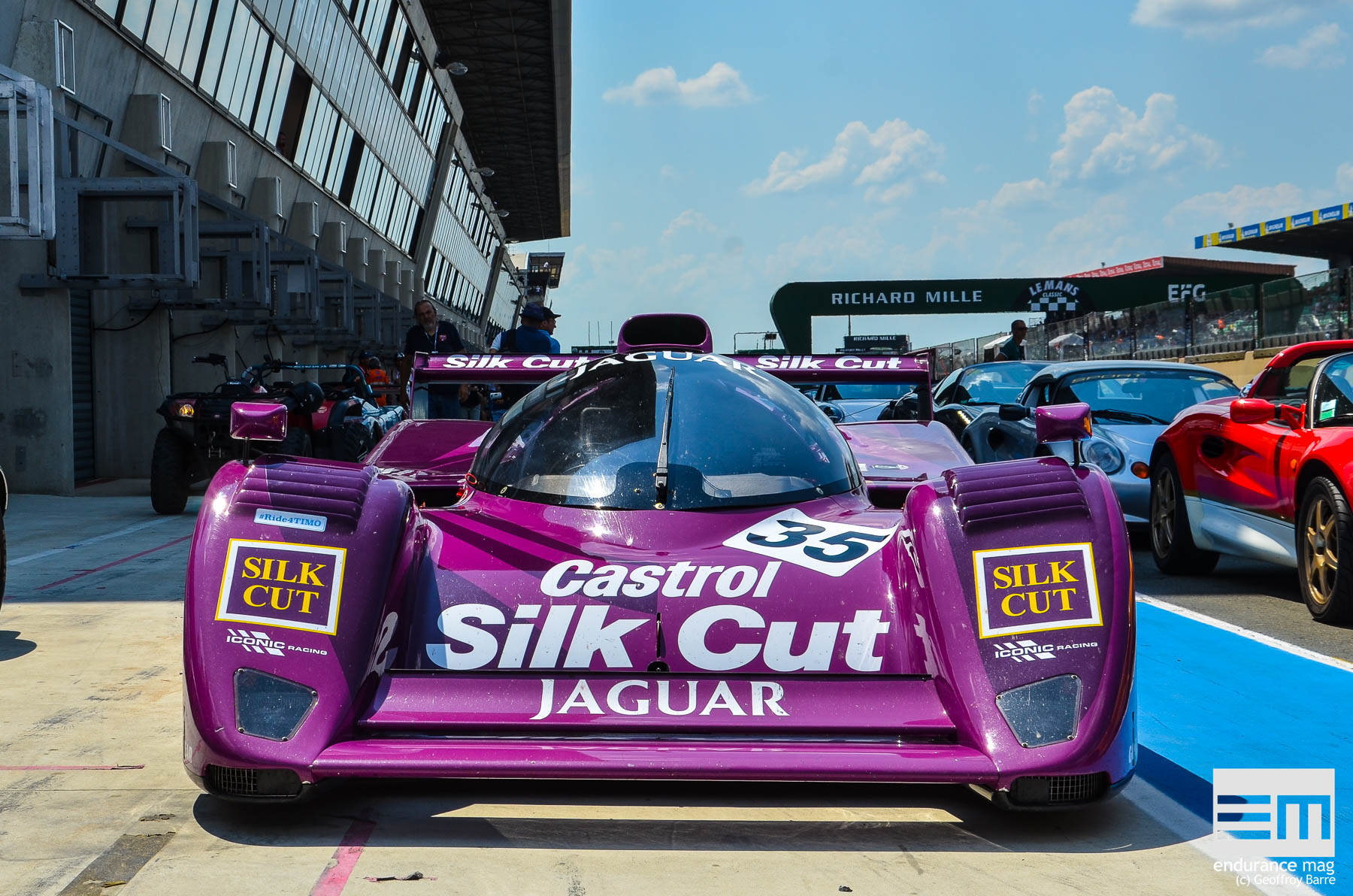
The XJR-14 is a frequent star at high-end historic events such as the Le Mans Classic and the Peter Auto Group C Racing series. Maintaining these cars in 2026 requires specialized engineering firms capable of servicing the Ford HB V8, which remains a temperamental and expensive engine to run. Modern electronics and safety equipment are often integrated to allow these cars to continue racing safely.
Market Value
Due to its rarity, championship pedigree, and the "Ross Brawn" connection, an XJR-14 is rarely seen on the open market. When they do appear at auction or private sale, they command prices well into the multi-million dollar range, often exceeding the values of more common Group C cars like the Porsche 962.
Frequently Asked Questions
Why did the XJR-14 not race at Le Mans in 1991?
Although it was faster in practice, the TWR team feared the F1-derived Ford HB engine would not survive 24 hours. Additionally, the high-downforce design was not optimized for the long straights of Le Mans, leading the team to use the older, more reliable V12-powered XJR-12.
How many Jaguar XJR-14s were built?
Three primary race chassis were built for the 1991 season. However, because the design was later used for the Mazda MXR-01 and the Porsche WSC-95, additional chassis and tubs were produced or modified. In the historic market today, about five or six cars exist that share the XJR-14 lineage.
What made the Ford HB engine special?
The Ford HB V8 was a "customer" F1 engine that was incredibly compact and light. It used a 75-degree V-angle, which allowed for a lower center of gravity compared to the 90-degree V8s of the time. Its ability to rev to 11,500 RPM was unheard of in sports car racing during that era.
Was the XJR-14 street-legal?
No. The XJR-14 was a pure racing prototype with no road-going version. Unlike some modern "hypercars" that are built for both road and track, the XJR-14 was designed solely to win the World Sportscar Championship.
Who were the main drivers of the XJR-14?
The primary drivers in the 1991 WSC season were Derek Warwick and Teo Fabi. Martin Brundle also drove the car significantly, particularly in the IMSA series and during the development phases.
Practical Recommendations for Enthusiasts
For those looking to experience the Jaguar XJR-14 today, the best course of action is to attend major international historic motorsport festivals. The sound of the Ford HB V8 is a defining characteristic that cannot be fully captured on video.
If you are a collector looking to acquire such a machine, ensure that the car's chassis provenance is fully documented, specifically regarding its transition between Jaguar, Mazda, or Porsche configurations. Given the complexity of the 3.5-liter F1 engines, potential owners should also secure a partnership with a specialized engine builder familiar with Cosworth or Ford HB units before purchase.
The Jaguar XJR-14 stands as a monument to a brief but glorious era of motorsport where the boundaries between Formula 1 and sports cars vanished, resulting in one of the most beautiful and effective racing cars ever to turn a wheel.
Image Gallery