The Cost of Online Web Hosting in 2026: A Comprehensive Pricing Guide
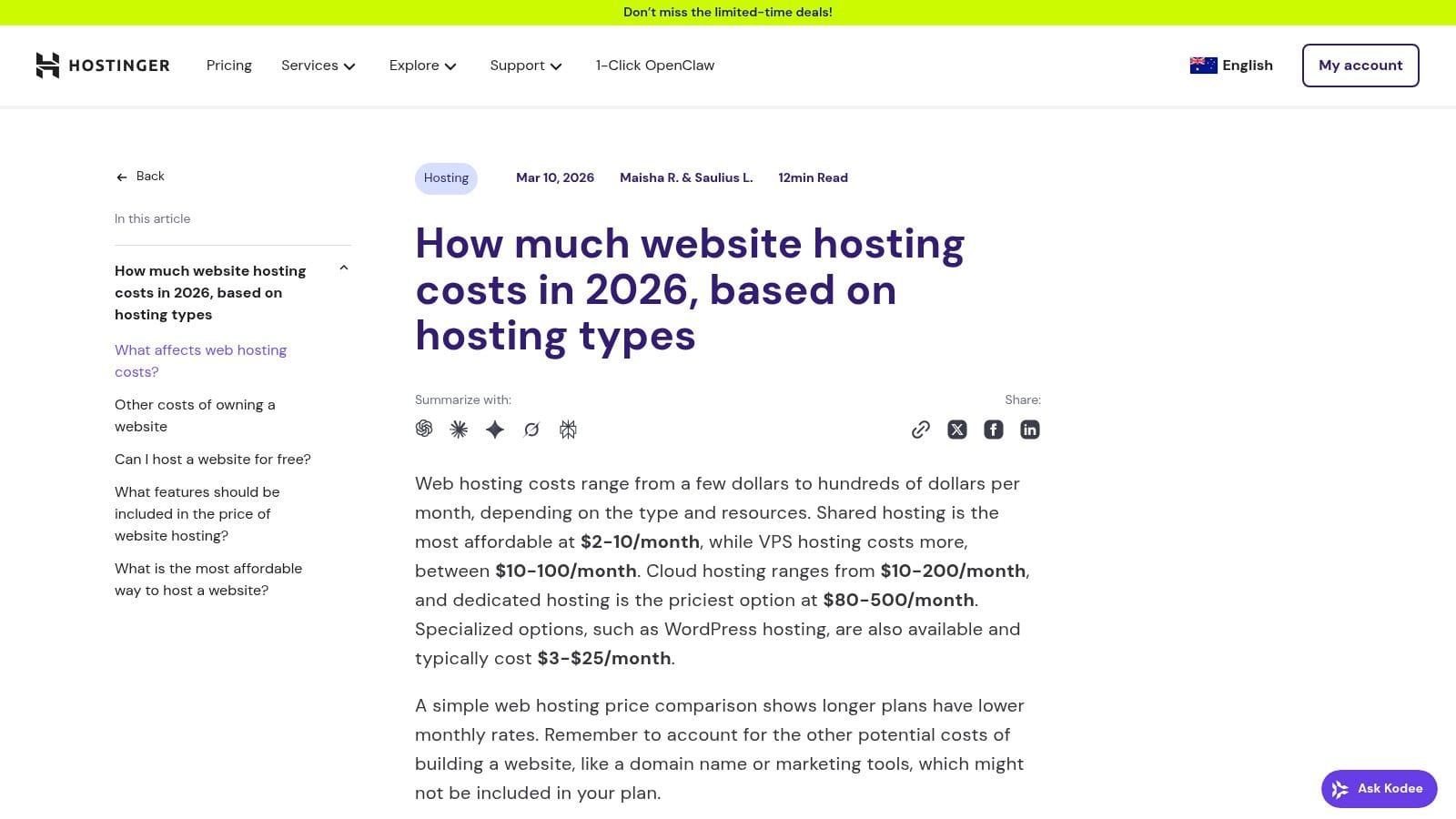
The cost of online web hosting in 2026 generally ranges from $2 to $15 per month for entry-level shared plans, while professional VPS and cloud solutions scale from $20 to over $100 monthly. High-performance dedicated servers or enterp...
The cost of online web hosting in 2026 generally ranges from $2 to $15 per month for entry-level shared plans, while professional VPS and cloud solutions scale from $20 to over $100 monthly. High-performance dedicated servers or enterprise-grade architectures often exceed $500 per month, depending on resource allocation and managed service requirements.
Contents
Navigating the financial landscape of web hosting requires more than just looking at a sticker price. Hosting is the physical and digital foundation of any website, encompassing server space, bandwidth, security protocols, and technical support. As we move through 2026, the market has matured into distinct tiers, each catering to specific performance needs and budget constraints. Understanding these tiers—and the hidden fees often tucked into the fine print—is essential for calculating the true total cost of ownership for a digital presence.
Understanding the Primary Tiers of Web Hosting
Web hosting is not a monolithic service; it is a utility that scales based on the intensity of the website's operations. The underlying hardware and the level of isolation from other users are the primary drivers of cost.
Shared Web Hosting
Shared hosting remains the most affordable entry point for individuals and small businesses. In this environment, hundreds of websites reside on a single physical server, sharing its CPU, RAM, and disk space. Because the provider spreads the operational costs across many clients, the price point is kept low. However, "noisy neighbor" syndrome—where one site consumes excessive resources and slows down others—remains a trade-off. In 2026, shared hosting is best suited for low-traffic blogs, portfolio sites, and small local business pages.
Virtual Private Server (VPS) Hosting
VPS hosting represents the middle ground of the industry. Through virtualization technology, a physical server is divided into several isolated "virtual" compartments. Unlike shared hosting, a VPS guarantees a specific amount of resources to your account. You have your own operating system instance and greater control over server configurations. This stability makes VPS the standard choice for growing e-commerce stores and medium-traffic applications that require consistent performance without the price tag of a dedicated machine.
Dedicated Server Hosting
For enterprise-level applications and high-traffic portals, dedicated hosting provides the ultimate in power and security. You lease an entire physical server for your exclusive use. This eliminates resource competition entirely and allows for deep hardware customization. Due to the high overhead of hardware maintenance, electricity, and data center space, dedicated servers are the most expensive traditional hosting option.
Cloud Hosting and Managed Services
Cloud hosting has shifted the paradigm from fixed monthly rates to scalable, often consumption-based pricing. Utilizing a network of interconnected virtual servers, cloud hosting offers near-infinite scalability and high redundancy. If one hardware node fails, another takes its place instantly. Managed hosting services, particularly for platforms like WordPress or Magento, add a layer of expert management on top of the infrastructure, handling updates, backups, and security optimizations for a premium fee.
Breakdown of Average Hosting Costs in 2026
The following table outlines the expected price ranges for various hosting categories. These figures reflect standard industry rates for 2026, including both introductory and renewal estimates.
| Hosting Type | Entry-Level (Monthly) | Professional/Mid-Tier | Enterprise/High-End | Primary Use Case |
|---|---|---|---|---|
| Shared | $2.49 – $5.99 | $6.00 – $14.99 | $15.00 – $25.00 | Personal blogs, portfolios |
| VPS (Unmanaged) | $5.00 – $15.00 | $20.00 – $50.00 | $60.00 – $120.00 | Developers, scaling apps |
| VPS (Managed) | $25.00 – $40.00 | $50.00 – $90.00 | $100.00+ | Business sites, e-commerce |
| Cloud Hosting | $10.00 – $30.00 | $50.00 – $200.00 | $500.00+ (Usage-based) | High-growth startups, SaaS |
| Dedicated | $80.00 – $120.00 | $150.00 – $350.00 | $500.00 – $2,000+ | Large corporations, big data |
| Managed WordPress | $15.00 – $35.00 | $40.00 – $115.00 | $250.00+ | WordPress-specific optimization |
Critical Factors Influencing Hosting Prices
Several technical specifications and service agreements dictate where a plan falls within the price spectrum. Buyers should look beyond the "Unlimited" marketing claims to understand the actual resource limits.
Hardware Specifications: CPU and RAM
The "brains" of your hosting environment are the Central Processing Unit (CPU) and Random Access Memory (RAM). More CPU cores allow the server to process more simultaneous requests, which is vital for sites with complex databases or high concurrent traffic. RAM dictates how much data the server can hold in an active state for quick retrieval. In 2026, most mid-tier VPS plans start with at least 4GB of RAM and 2 vCPUs to handle modern web application demands.
Storage Technology: SSD vs. NVMe
The physical medium where your data is stored significantly impacts loading speeds. Traditional Hard Disk Drives (HDDs) are virtually obsolete in the hosting world for anything other than cold storage. Solid State Drives (SSDs) are the standard, but NVMe (Non-Volatile Memory Express) storage has become the high-performance benchmark. NVMe drives offer significantly higher read/write speeds than standard SATA SSDs, often justifying a slightly higher monthly premium for database-heavy sites.
Bandwidth and Data Transfer
Bandwidth refers to the amount of data that can be transferred between your site and its visitors. While many shared hosts advertise "unlimited" bandwidth, they often have "fair use" policies that can throttle or suspend your account if you exceed certain thresholds. High-end cloud providers like Amazon Web Services (AWS) or Google Cloud typically charge by the gigabyte for data egress, making costs highly variable for media-rich sites.
Hidden and Additional Costs Beyond the Monthly Fee
The base price of a hosting plan rarely covers the total cost of running a website. Several essential add-ons and "gotchas" can inflate the annual budget.
- Domain Registration: While some hosts offer a "free domain for the first year," you will eventually need to pay for annual renewals. In 2026, a standard .com domain typically costs between $12 and $20 per year.
- SSL Certificates: Secure Sockets Layer (SSL) certificates are mandatory for SEO and security. While many providers offer free certificates via Let's Encrypt, premium Extended Validation (EV) certificates for financial institutions can cost $50 to $200 annually.
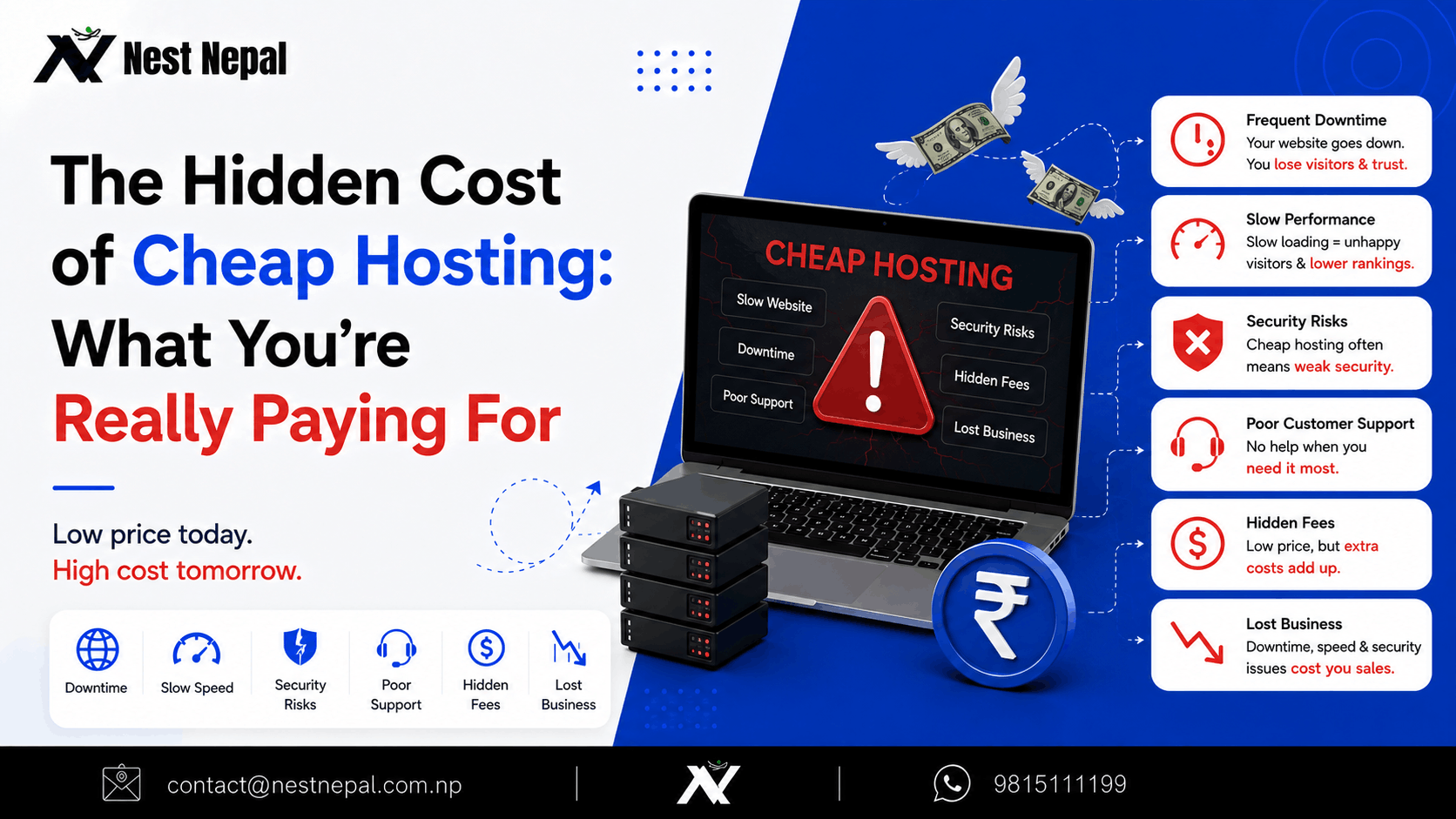
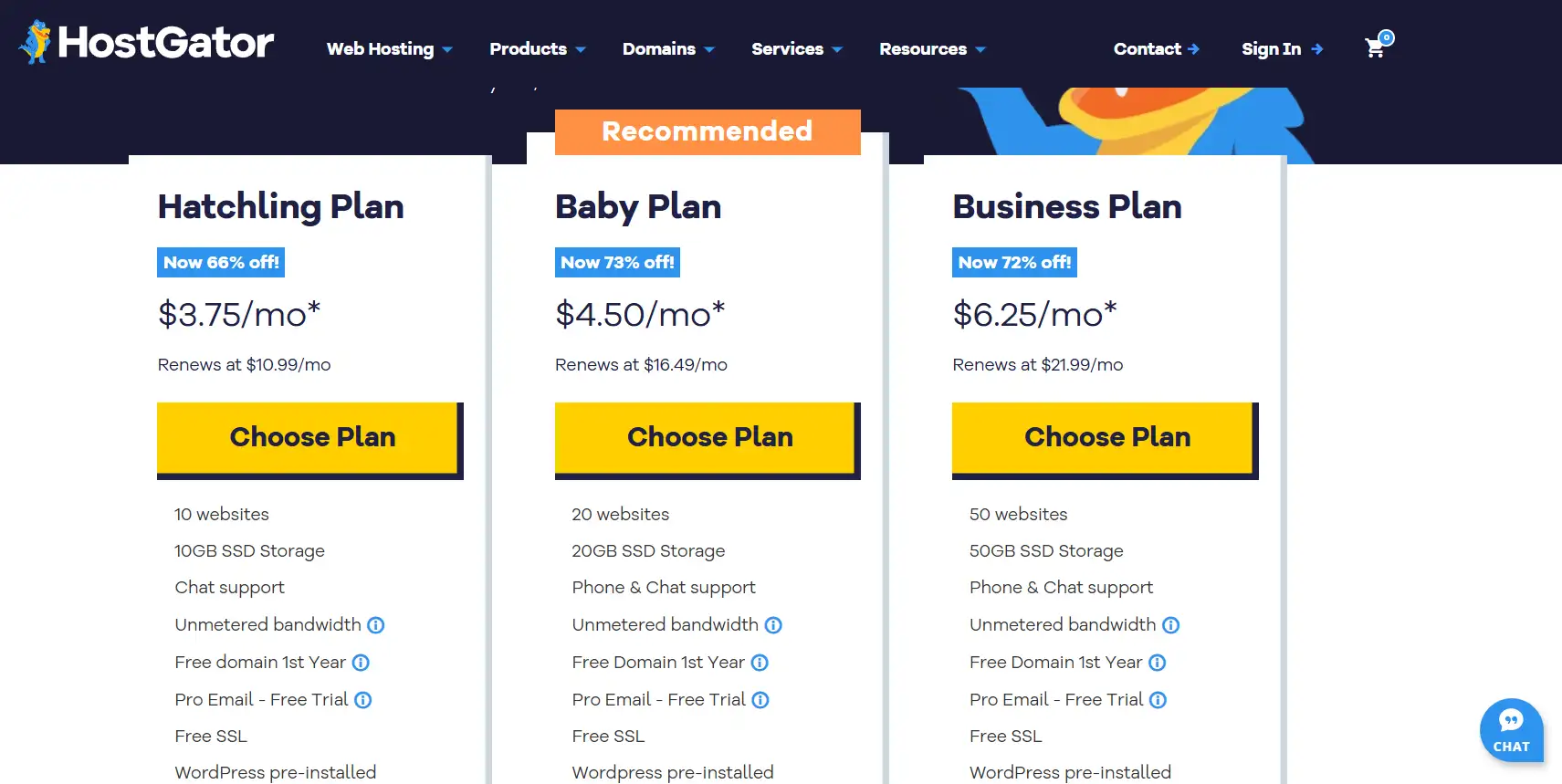
- Renewal Rate Hikes: This is the most common industry trap. An introductory rate of $3.95/month might jump to $12.99/month upon renewal. Always check the "renewal price" before committing to a long-term contract.
- Backup Services: Reliable daily backups are often an upsell. Automated off-site backups may cost an additional $2 to $10 per month, but they are a non-negotiable expense for any revenue-generating site.
- Professional Email: Hosting your email on the same server as your website can be risky and resource-heavy. Professional suites like Google Workspace or Microsoft 365 cost approximately $6 to $18 per user per month.
The Trap of "Free" and Ultra-Cheap Hosting
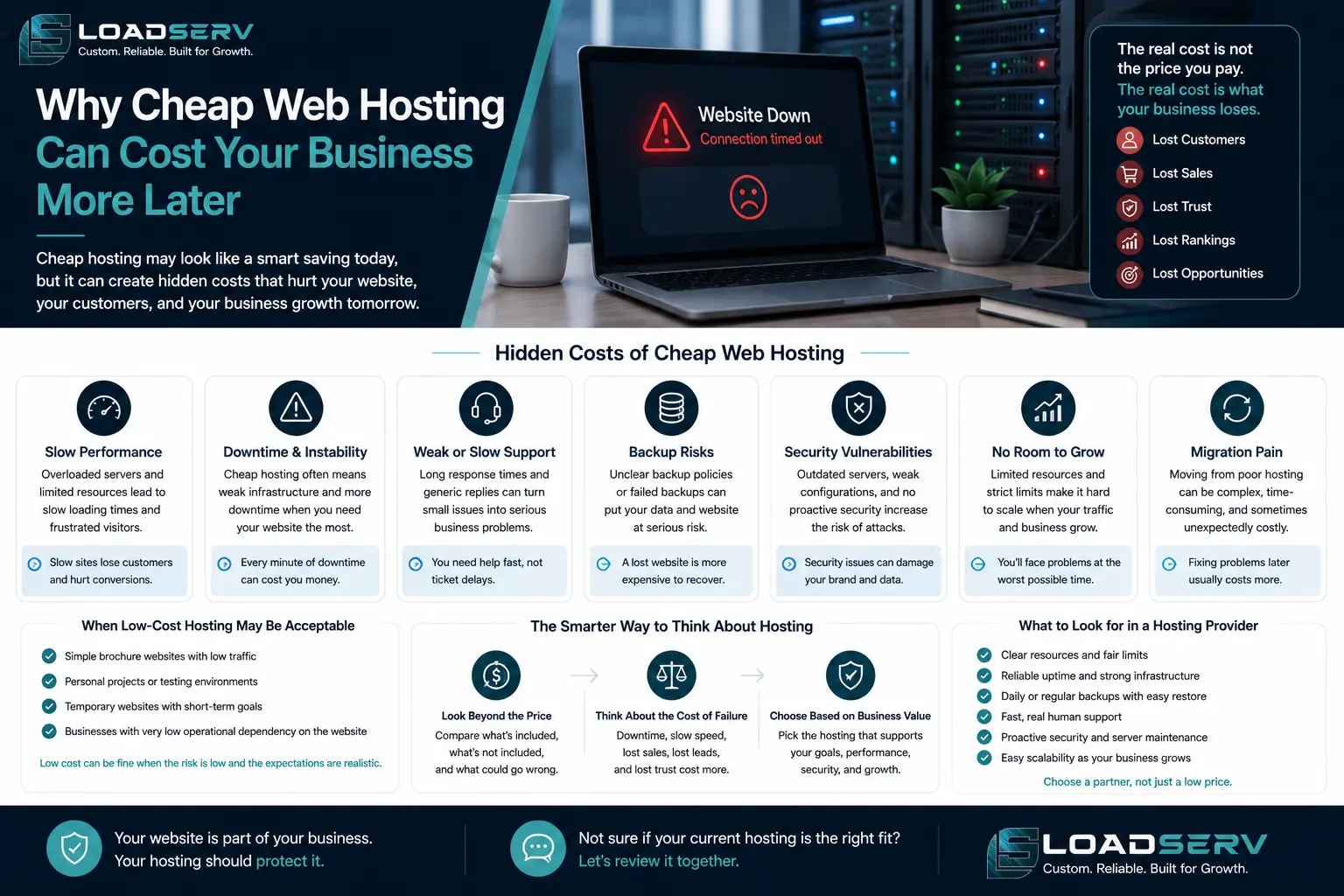
In 2026, the allure of free web hosting persists, but it often comes with significant risks. Free hosting providers frequently monetize their services by placing unwanted advertisements on your website, offering no uptime guarantees, and providing zero customer support. Furthermore, ultra-cheap hosting (under $2/month) often suffers from extreme overselling, leading to frequent downtime and slow page load speeds that can damage your search engine rankings and user trust.
From a security perspective, "free" or unverified low-cost providers may lack the budget for robust firewalls and malware scanning, making your site a target for hackers. Investing in a reputable, paid host—even at the budget tier—provides a level of legal accountability and technical reliability that free services cannot match.
Regional Pricing Differences and Tax Considerations
The physical location of the data center can influence the cost of hosting due to varying electricity rates, labor costs, and local regulations. For instance, hosting a site in a data center in Northern Europe might be more expensive than in the Midwestern United States due to energy taxes and strict data privacy compliance requirements like the GDPR.
Additionally, buyers must account for Value Added Tax (VAT) or local sales taxes. Most prices advertised on hosting websites are exclusive of tax. Depending on your jurisdiction, this can add an unexpected 5% to 25% to your total invoice. If you are a registered business, you may be able to reclaim these costs, but they must be factored into your initial cash flow projections.
FAQ: Common Questions About Hosting Costs
Why is managed WordPress hosting more expensive than shared hosting?
Managed WordPress hosting is more expensive because it includes specialized server-level caching, automatic plugin and core updates, and a support team that specifically understands WordPress issues. You are paying for the time saved on maintenance and the performance boost provided by a server environment tuned for a single CMS.
Do I need to pay for a dedicated IP address?
In 2026, a dedicated IP address is rarely a technical necessity for SSL or SEO, thanks to Server Name Indication (SNI). However, it can still be beneficial for certain high-volume email sending or if you require an ultra-specific security configuration. Most hosts charge $2 to $5 per month for a dedicated IP.
Can I save money by paying for multiple years upfront?
Yes, most hosting providers offer significant discounts for long-term commitments. Paying for three years upfront can often reduce the effective monthly cost by 30% to 50% compared to a month-to-month plan. The risk is being locked into a provider that may not meet your future needs.
Is cloud hosting always cheaper because it's scalable?
Not necessarily. While cloud hosting allows you to pay only for what you use, it requires careful monitoring. If your site experiences a massive traffic spike or a DDoS attack, a consumption-based "pay-as-you-go" plan could result in a massive, unexpected bill. Fixed-price VPS plans are often safer for those with strict budgets.
Does the choice of control panel (like cPanel) affect the price?
Yes. Since cPanel moved to a per-account pricing model several years ago, many hosts have passed those licensing costs on to consumers. Choosing a host that uses an in-house control panel or an open-source alternative like SPanel or CyberPanel can sometimes lower your monthly fee.
Final Recommendation
When calculating the cost of online web hosting, the best approach is to start with a VPS or a high-quality Shared plan in the $10 to $20 range. This price point typically balances performance, security, and support without the excessive compromises found in the "budget" tier. As your traffic grows, transition to a managed cloud environment where the cost of infrastructure is offset by the revenue generated by your digital presence. Always read the renewal terms and factor in the cost of a domain, SSL, and backups to arrive at a realistic annual budget.
Image Gallery