Understanding the Life and Legacy of Phil Donahue on Wikipedia and Beyond
Phil Donahue was an iconic American broadcast journalist, producer, and media pioneer best known for creating and hosting The Phil Donahue Show, the first daytime television talk show to feature a studio audience participation segment....
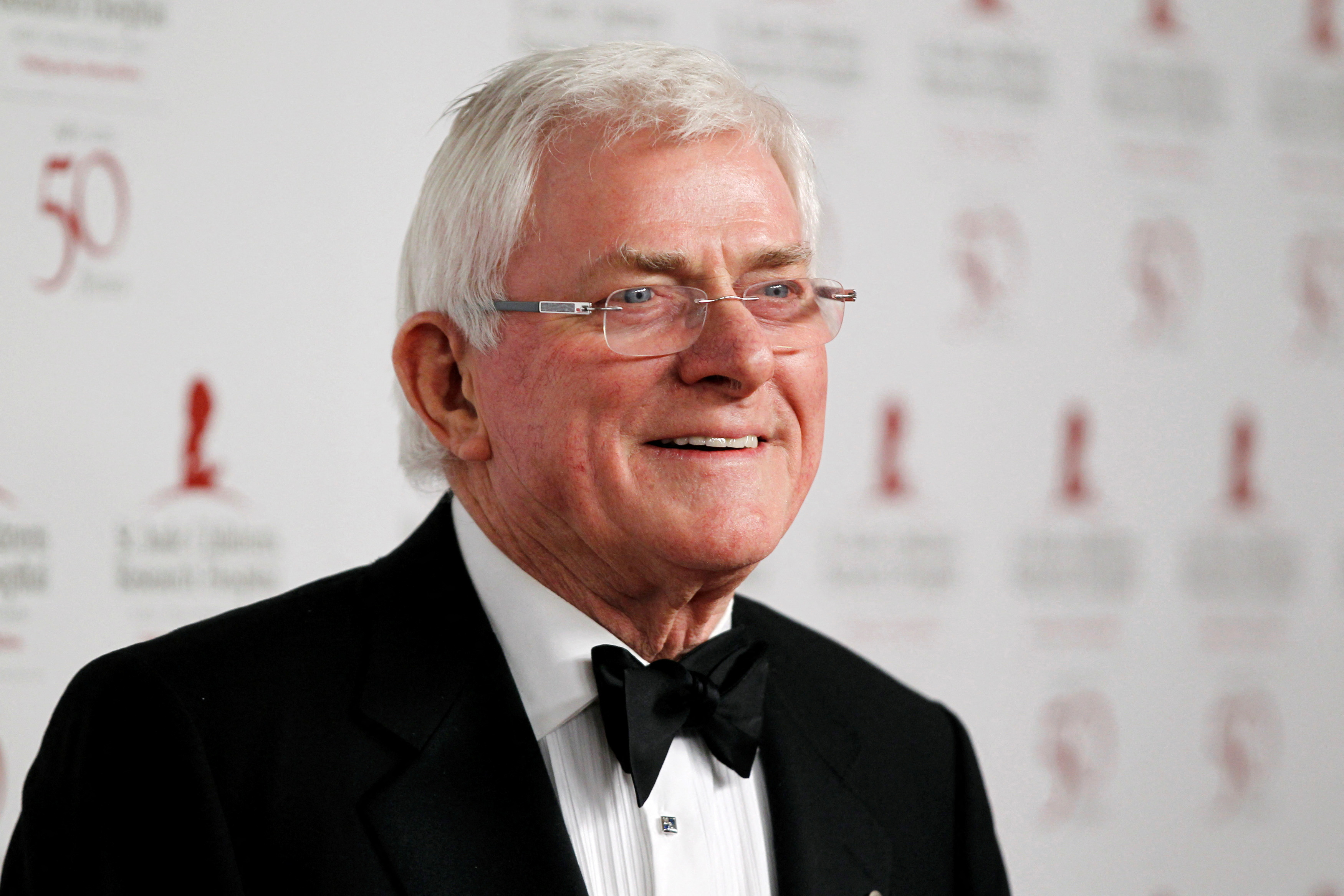
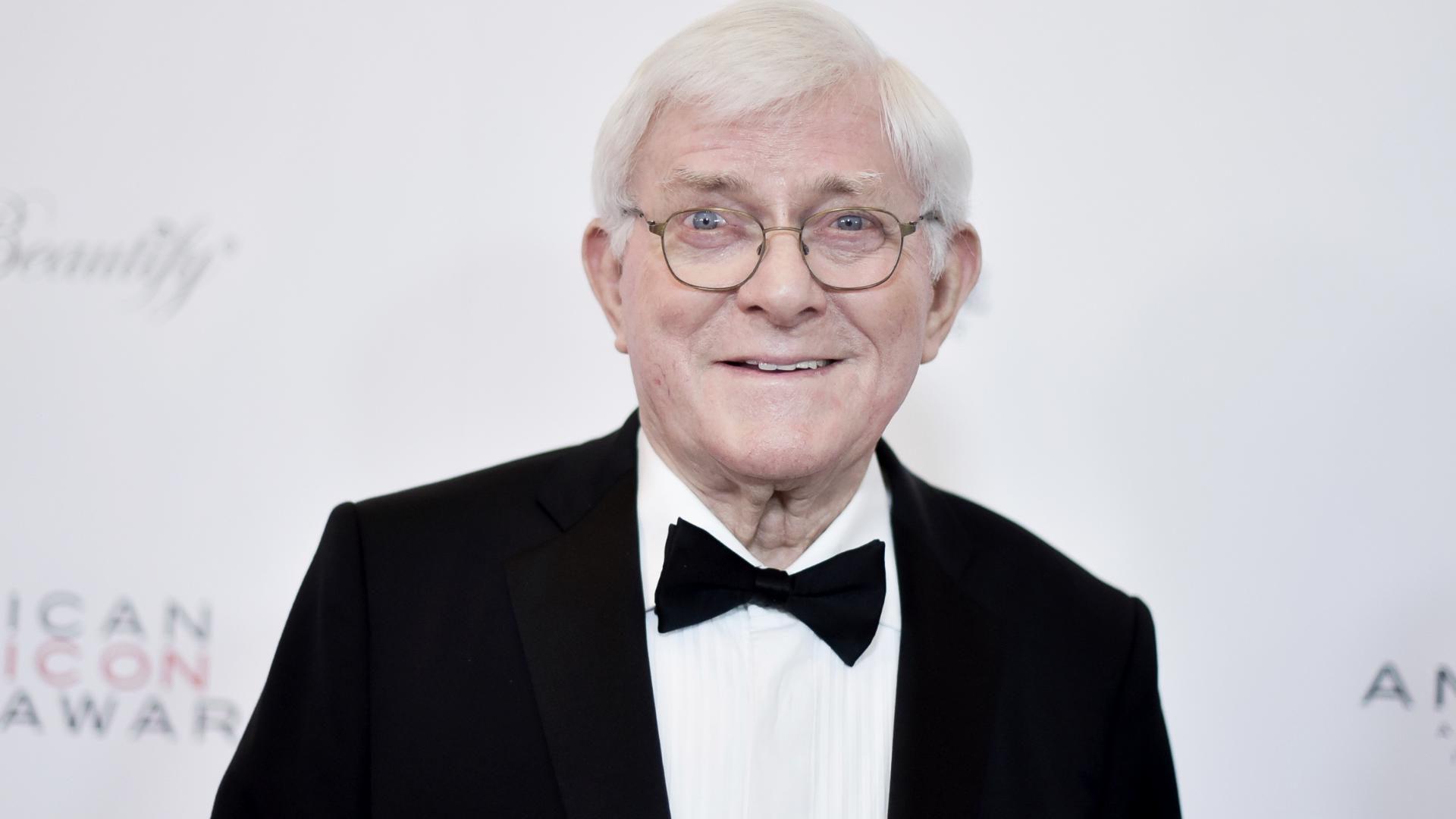
Phil Donahue was an iconic American broadcast journalist, producer, and media pioneer best known for creating and hosting The Phil Donahue Show, the first daytime television talk show to feature a studio audience participation segment. Recognized globally as the "King of Daytime Talk," his Wikipedia entry outlines a career that fundamentally reshaped modern television by bringing socially controversial, politically charged, and taboo topics into American living rooms.
Contents
Examining the comprehensive documentation available on biographical platforms such as Wikipedia reveals a complex portrait of a broadcaster who bridged the gap between hard news journalism and human-interest storytelling. This article explores Phil Donahue's history, structural innovations in broadcasting, cultural impact, transition from television to independent documentary filmmaking, and enduring legacy within the media landscape.
Origins and Early Career in Broadcasting
Before establishing himself as a household name, Philip John Donahue built a traditional journalism foundation in print and local television. Born on December 21, 1935, in Cleveland, Ohio, Donahue graduated from the University of Notre Dame in 1957 with a Bachelor of Business Administration. However, his professional ambitions drew him immediately to the media industry, starting as a production assistant for KYW radio and television in Cleveland.
His early career included working as a news anchor for WHIO-TV in Dayton, Ohio. During his tenure at WHIO, Donahue interviewed prominent figures of the Civil Rights Movement, including Malcolm X and Martin Luther King Jr., which sharpened his interviewing style. His breakthrough occurred on November 6, 1967, when he launched The Phil Donahue Show on WLWD (now WDTN) in Dayton.
The format was initially regional, but its radical departure from traditional women's-interest daytime programming quickly propelled it into national syndication. By moving the show to Chicago in 1974 and later to New York City in 1985, Donahue captured an expanding national audience that craved substantive dialogue on topics previously ignored by mainstream networks.
The Format Innovation: Audience Participation and Social Issues
The primary reason Phil Donahue remains a subject of extensive study on biographical and historical encyclopedias is his invention of the interactive daytime talk format. Prior to his program, daytime television aimed at female demographics typically focused on cooking, fashion, light entertainment, and celebrity interviews. Donahue shattered these boundaries by treating his audience and guests with intellectual seriousness.
Key structural elements that defined his program included:
- The Roaming Microphone: Donahue physically walked through the studio audience with a wireless microphone, allowing everyday viewers to ask direct, unfiltered questions of high-profile guests, politicians, and experts.
- Tackling Taboo Subjects: The show addressed abortion, consumer rights, atheism, homosexuality, nuclear energy, feminism, and institutional corruption years before these topics became common in mainstream entertainment.
- Balanced Confrontation: Donahue frequently invited opposing ideological figures onto the same stage, fostering intense debates between conservative activists, radical organizers, religious leaders, and secular philosophers.
| Era / Location | Key Milestone | Significant Focus Areas |
|---|---|---|
| 1967–1974 (Dayton) | Launch of syndicated regional format | Local news integration, consumer advocacy, early social debates. |
| 1974–1985 (Chicago) | National syndication expansion | Feminism, sexual orientation, political scandals, civil rights. |
| 1985–1996 (New York) | National dominance and competition | International diplomacy, AIDS epidemic, pop culture controversies. |
Evolution of the Modern Talk Show Blueprint
The impact of The Phil Donahue Show on the television industry cannot be overstated. Donahue laid the operational and stylistic groundwork for generations of successors. Talk show hosts who openly acknowledge his influence include Oprah Winfrey, Montel Williams, Jerry Springer, Ricki Lake, and Sally Jessy Raphael. Without the path forged by Donahue's willingness to center the audience's voice, the confessional and issue-driven talk show genres might never have achieved commercial viability.
Despite his massive success, the television landscape shifted during the late 1980s and early 1990s. As newer programs introduced shock value, confrontation for its own sake, and tabloid sensationalism—qualities Donahue generally discouraged in favor of constructive debate—his ratings faced mounting pressure. The Phil Donahue Show officially broadcast its final episode in 1996, concluding a historic 29-year run as the longest-running syndicated talk show in American television history up to that time.
Later Professional Endeavors and Documentary Filmmaking
Following the conclusion of his daily talk show, Donahue did not retire from public life. He remained active in journalism, public speaking, and independent media production. In 2002, he returned to cable television with a brief prime-time interview program on MSNBC titled Donahue. The show was canceled in early 2003, shortly before the invasion of Iraq, amid network concerns regarding his anti-war editorial stance and public opposition to military intervention.
Shifting his focus to long-form cinematic storytelling, Donahue co-directed the 2007 documentary film Body of War. The project followed Tomas Young, a young American soldier who was paralyzed from the chest down after being severely wounded in Iraq, chronicling his physical rehabilitation and emergence as an anti-war activist. The film received critical acclaim for its intimate, unvarnished look at the human consequences of modern military conflict.
Recognition, Awards, and Cultural Legacy
Throughout his decades-long career, Phil Donahue received numerous accolades for his contributions to broadcast journalism. He earned multiple Daytime Emmy Awards for Outstanding Talk Show Host and Outstanding Talk Show, and his program was inducted into the Television Academy Hall of Fame.
In August 2024, President Joe Biden awarded Donahue the Presidential Medal of Freedom, the highest civilian honor in the United States, recognizing his pioneering role in shaping public discourse and fostering democratic engagement through media. Donahue passed away on August 18, 2024, at the age of 88, leaving behind an archived legacy preserved across historical databases, academic media studies, and biographical references worldwide.
Frequently Asked Questions
Who is Phil Donahue on Wikipedia?
Phil Donahue is documented on Wikipedia as an American media pioneer, broadcast journalist, and executive producer best known as the creator and host of The Phil Donahue Show, which revolutionized daytime television by introducing studio audience participation and focusing on serious social and political issues.
Why is Phil Donahue considered a pioneer in television?
He transformed daytime television from light entertainment into a forum for investigative reporting, civil discourse, and audience engagement. By walking through the crowd with a microphone, he inverted the traditional hierarchy between television hosts and studio viewers.
When did The Phil Donahue Show air?
The show ran in syndication for 29 years, premiering on November 6, 1967, in Dayton, Ohio, and broadcasting its final episode in September 1996.
What awards did Phil Donahue receive?
Donahue won multiple Daytime Emmy Awards during his career, was inducted into the Television Academy Hall of Fame, and was posthumously awarded the Presidential Medal of Freedom in 2024.
Did Phil Donahue work in television after his talk show ended?
Yes. He hosted a short-lived political commentary program on MSNBC in 2002 and later transitioned into independent documentary filmmaking, co-directing the critically acclaimed 2007 anti-war film Body of War.
Next Actions and Further Reading
For researchers, students, and media historians seeking deeper insight into Phil Donahue's professional archives, examining primary source episodes archived by library collections, university broadcast departments, and biographical entries provides a comprehensive view of late 20th-century media evolution. Reviewing academic literature on the history of the American talk show offers further context on how Donahue's broadcasting methodologies continue to influence digital media and modern interview platforms.
Image Gallery