Do Life Insurance Companies Drug Test for Marijuana? What You Need to Know
Most life insurance companies do test for marijuana during the standard medical underwriting process. When a policy requires a paramedical exam, the insurer typically analyzes urine or blood samples for tetrahydrocannabinol (THC) metab...
Most life insurance companies do test for marijuana during the standard medical underwriting process. When a policy requires a paramedical exam, the insurer typically analyzes urine or blood samples for tetrahydrocannabinol (THC) metabolites. However, testing positive for cannabis does not automatically result in policy denial; coverage eligibility and premium rates depend heavily on frequency of use, consumption method, and carrier-specific underwriting guidelines.
Contents
How Life Insurance Paramedical Exams Test for Marijuana
When applying for fully underwritten life insurance, insurance carriers assess your overall health and mortality risk through a paramedical exam. This examination routinely includes a physical evaluation, medical history questionnaire, and specimen collection (blood and urine).
- Application Submitted
- Paramedical Exam Scheduled
- Specimen Collection (Urine/Blood)
- Lab Screen & Confirmation
- Carrier Risk Classification
- Underwriting Decision
The Urine Drug Screen and Blood Panel
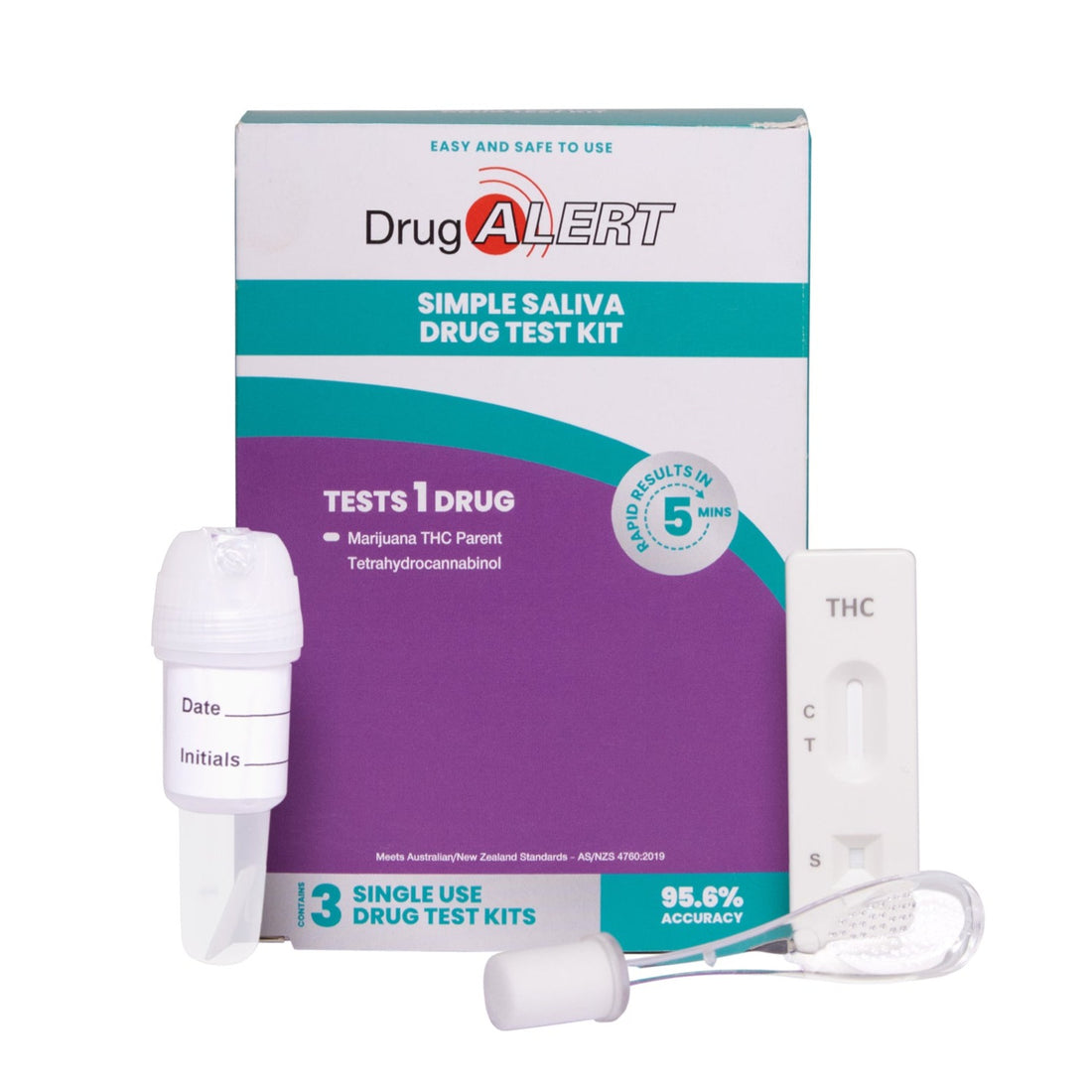
The primary method used to detect marijuana is a standard urine toxicology screen. Insurance laboratories test urine samples for 11-nor-9-carboxy-THC (THC-COOH), a lipid-soluble metabolite produced by the liver after the body processes THC.
While blood tests are primarily used to measure cholesterol, blood sugar, liver enzymes, and antibodies (such as HIV), they can also detect active THC. However, because active THC leaves the bloodstream faster than metabolites clear the urinary tract, urine screening remains the standard for detecting cannabis use.
Detection Thresholds and Confirmation Protocols
Life insurance testing labs follow standardized testing protocols similar to workplace drug screens:
- Initial Immunoassay Screen: The sample undergoes an immunoassay test with a standard cutoff threshold, typically 50 nanograms per milliliter (ng/mL).
- Confirmatory Testing: If the initial screen registers positive, the laboratory performs a secondary, highly precise test—usually Gas Chromatography-Mass Spectrometry (GC-MS) or Liquid Chromatography-Tandem Mass Spectrometry (LC-MS/MS). The confirmation cutoff is generally set at 15 ng/mL specifically for THC-COOH.
Detection Windows
The duration THC remains detectable in urine varies significantly based on individual metabolic rates, body fat percentage, hydration, and frequency of use:
- Infrequent / Single Use: Detectable for approximately 3 to 7 days.
- Moderate Use (2–3 times per week): Detectable for 10 to 18 days.
- Frequent / Daily Use: Detectable for 30 days or longer due to accumulation in adipose (fat) tissue.
No-Exam and Simplified Issue Policies
If you apply for a "no-exam" or "simplified issue" policy, you may not be required to provide blood or urine samples. However, this does not mean cannabis use is ignored. These applications contain explicit health and lifestyle questions regarding drug use. Answering untruthfully on a written application constitutes material misrepresentation, which can jeopardize policy coverage regardless of whether a physical drug test occurred.
How Underwriters Evaluate Cannabis Use
Testing positive for THC does not carry the immediate declination it once did. Over the past decade, life insurance carriers have modernized their underwriting manuals to distinguish between occasional recreational use, medicinal use, and high-risk substance abuse.
Cannabis Usage Frequency & Underwriting Outcomes:
- Occasional (1-4x/month): Standard Non-Smoker
- Regular (2-4x/week): Standard Smoker / Table Rate
- Daily / Heavy Use: Substandard / Possible Decline
Underwriters place applicants into risk classes, which determine premium costs. The primary classifications for cannabis users include:
1. Preferred Non-Smoker
A growing number of progressive life insurance companies offer Preferred or Preferred Plus non-smoker rates to occasional marijuana users (e.g., 1 to 4 times per month), provided:
- The applicant does not smoke tobacco or use nicotine products.
- The method of consumption is non-combustible (e.g., edibles or tinctures) or very infrequent smoking.
- Blood work, driving records, and general health metrics are exemplary.
2. Standard Non-Smoker
Many carriers classify regular users—such as those consuming cannabis 1 to 2 times per week—under Standard Non-Smoker rates. Premiums in this tier are average for the applicant's age and health demographic, without the steep surcharge associated with tobacco products.
3. Standard Smoker
Conservative carriers automatically assign any applicant who smokes or vapes marijuana to a Smoker rate class, regardless of how infrequently they smoke. Because tobacco smoker rates can be 200% to 300% higher than non-smoker rates, carrier selection is vital for individuals who smoke cannabis.
4. Table Ratings or Declination
Underwriters may apply a substandard "Table Rating" (increasing the base premium by 25% to 200%+) or decline coverage altogether under specific circumstances:
- Daily or Heavy Chronic Use: Consuming high-dose cannabis multiple times per day can raise concerns about cognitive function, occupational safety, or underlying health issues.
- Co-Occurring Substance Use: Evidence of heavy alcohol consumption, prescription misuse, or illicit drug detection alongside THC results in high declination rates.
- High-Risk Medical Conditions: If marijuana is prescribed for a severe chronic illness (e.g., active cancer, severe neurodegenerative disorders, or intractable pain), the rate is determined by the severity of the underlying condition rather than the cannabis itself.
- Adverse Driving or Legal Record: A history of Driving Under the Influence (DUI) convictions or drug-related legal charges triggers severe underwriting penalties.
Key Variables Assessed During Underwriting
When evaluating a positive drug test or self-reported marijuana use, underwriters analyze four critical variables:
Key Evaluation Factors:
- Frequency & Dosage: Occasional vs. Daily
- Ingestion Method: Edible vs. Combustion
- Medical vs. Recreational: Symptom Treatment vs. Lifestyle
Frequency and Dosage
Insurers distinguish sharply between a social user who consumes an edible once a month and an individual who consumes high-potency cannabis concentrates multiple times daily. Higher frequency correlates with higher statistical mortality risk in actuarial tables.
Method of Ingestion
- Combustion (Smoking joints, pipes, bowls): Exposes lung tissue to combustion byproducts. Many underwriters group combustible cannabis with tobacco, forcing applicants into smoker categories.
- Vaporizing: Evaluated similarly to smoking by conservative carriers, though some view e-liquid or dry-herb vaporization more favorably if nicotine is absent.
- Ingestion (Edibles, Tinctures, Capsules): Highly preferred by underwriters. Consuming cannabis orally eliminates pulmonary risk, enabling many carriers to offer non-smoker rates.
- Topicals: Cream or lotion applications rarely cause systemic absorption high enough to trigger a positive urine test or affect underwriting classifications.
Medical vs. Recreational Status
If you use medical marijuana, underwriters focus on the underlying medical condition for which you hold a prescription or state registry card.
- If prescribed for mild anxiety or minor joint stiffness, the impact on underwriting may be minimal.
- If prescribed for debilitating conditions (e.g., multiple sclerosis, chronic opioid replacement, or severe PTSD), the rating will reflect the health impact of the underlying diagnosis.
CBD Products and Trace THC
Cannabidiol (CBD) products derived from hemp contain less than 0.3% Delta-9 THC by dry weight under federal law. However, full-spectrum CBD oils and edibles can cause accumulation of trace THC in body fat over time. Daily, high-dose use of full-spectrum CBD can produce a positive urine screen above 50 ng/mL. If you use CBD, disclose it on your application so the underwriter understands the source of any trace THC metabolites detected in your urine.
Consequences of Non-Disclosure and Misrepresentation
Some applicants consider withholding marijuana use on their application or taking flush kits to pass the drug screen. Concealing cannabis use carries substantial legal and financial risks.
The MIB Group Database
Life insurance carriers cross-reference applicant data through the MIB Group (formerly the Medical Information Bureau). If you previously disclosed marijuana use or had a positive drug screen with another insurance company, that medical information code is logged in the MIB database. Discrepancies between your current application and prior MIB records will flag your application for investigation.
The Two-Year Contestability Period
Under standard state insurance regulations across the United States, life insurance policies include a two-year contestability clause. If the policyholder dies within the first two years of policy issuance, the insurer has the legal right to audit the original application and medical records for inaccuracies.
If an insurer discovers that an applicant committed material misrepresentation—such as denying marijuana use when medical records or toxicology reports prove otherwise—the carrier can take legal action:
- Rescind the Policy: Unwind the policy as if it never existed.
- Deny the Death Benefit: Refuse to pay the claim to beneficiaries, refunding only the premiums paid minus administrative fees.
- Adjust the Premium Retroactively: Deduct the unpaid extra premium (e.g., adjusting from non-smoker to smoker rates) directly from the death benefit payout.
Cannabis Usage Profiles and Insurance Outcomes
The following table summarizes how life insurance companies evaluate different cannabis consumption profiles during medical underwriting:
| Applicant Profile | Typical Lab Result (THC-COOH) | Typical Rate Class | Tobacco vs. Non-Tobacco Rate | Primary Underwriting Concerns |
|---|---|---|---|---|
| Micro-Doser / Edibles (1–2x/month) | Negative or < 15 ng/mL | Preferred / Standard | Non-Smoker | Overall health, cardiovascular metrics. |
| Recreational Smoker (1–2x/week) | Positive (> 50 ng/mL) | Standard Non-Smoker or Smoker | Dependent on carrier policies | Pulmonary health, driving record, carrier tobacco definition. |
| Daily Recreational User | Positive (> 100 ng/mL) | Table Rating (Substandard) or Smoker | Smoker / Rated Surcharge | Cognitive impairment, lifestyle risk, co-occurring substance use. |
| Medical User (Prescribed) | Positive | Varies by diagnosis | Usually Non-Smoker | Underlying health condition, prescription dosage, disability status. |
| CBD-Only User (Full Spectrum) | Trace or Negative | Preferred Plus / Preferred | Non-Smoker | Product purity, trace THC verification. |
Practical Application Steps for Cannabis Users
If you use marijuana and need life insurance, taking a strategic approach helps ensure you secure appropriate coverage at competitive rates:
- Consult an Independent Broker
- Disclose Usage Details Openly
- Select a Cannabis-Friendly Carrier
- Complete Exam & Complete Medical Records
1. Work with an Independent Life Insurance Broker
Avoid applying directly to a single captive insurer without researching their policies first. Independent brokers represent multiple carriers and understand which companies view cannabis use favorably. A broker can submit anonymous informal inquiries to underwriter desks to gauge potential rate classes before submitting a formal application.
2. Practice Full Transparency
Disclose your frequency of use, delivery method, and reasons for consumption upfront. Honesty allows your agent to target carriers that do not penalize cannabis consumers, avoiding unwanted policy ratings or rejections that could be logged with the MIB.
3. Choose the Right Carrier for Your Consumption Method
- If you smoke or vape, choose carriers that explicit evaluate marijuana separately from tobacco, allowing non-smoker rates for non-tobacco cannabis smokers.
- If you use edibles or tinctures, apply with carriers that offer Preferred Non-Smoker rates for non-combustible use.
4. Provide Complete Medical Records for Prescriptions
If you use medical marijuana, obtain records from your recommending physician that detail the underlying medical condition, treatment history, and management plan. Demonstrating that your usage is part of a managed healthcare plan reassures underwriters.
Frequently Asked Questions
Does medical marijuana count as a tobacco product for life insurance?
In most cases, no. Medical marijuana itself is not classified as tobacco. However, if you smoke or vape medical cannabis, conservative insurers may assign you a smoker rate class due to the pulmonary risks of inhalation. Other carriers will grant non-smoker rates if you use non-combustible forms like edibles, oils, or capsules.
Can a life insurance company deny a claim if you start using marijuana after the policy is issued?
No. As long as you provided completely honest answers on your original application and the policy has gone in force, your coverage remains valid. Life insurance policies cannot be canceled, re-rated, or denied based on lifestyle changes, health developments, or new habits that begin after policy delivery, provided premiums are paid on time.
Will CBD oil show up on a life insurance drug test?
Pure CBD (cannabidiol) does not trigger a positive result on standard THC drug screens. However, because full-spectrum CBD products contain up to 0.3% THC, daily or heavy consumption can cause THC metabolites to build up in your body, potentially resulting in a positive screen above the 50 ng/mL threshold.
How long does THC stay in your system before a life insurance exam?
For an infrequent user (once a month or less), THC metabolites typically clear urine within 3 to 7 days. For moderate users (1–3 times per week), detection typically lasts 10 to 18 days. For chronic daily users, THC can remain detectable in urine for 30 days or longer.
What happens if I state I do not use marijuana but test positive on the paramedical exam?
If your lab results reveal THC metabolites after you checked "No" to drug use questions on your application, the underwriter will flag your file for material misrepresentation. The carrier may immediately decline your application, issue a rated policy with high premiums, or record the misrepresentation with the MIB Group, making it more difficult to obtain coverage from other insurers.
Next Steps for Applicants
If you consume cannabis and plan to apply for life insurance, do not delay securing coverage out of concern over drug testing.
- Review your current usage: Document your exact frequency, method of consumption, and medical rationale if applicable.
- Consult an independent agent: Ask specifically about carriers with progressive cannabis underwriting guidelines.
- Submit your application transparently: Complete all questionnaires truthfully to protect your policy's validity and ensure your beneficiaries receive their full death benefit without dispute.
Disclaimer: This article is for informational purposes only and does not constitute formal legal, medical, or financial advice. Insurance underwriting guidelines vary by carrier, policy type, and state jurisdiction. Consult a licensed independent life insurance agent to review options specific to your individual health and personal circumstances.
Image Gallery