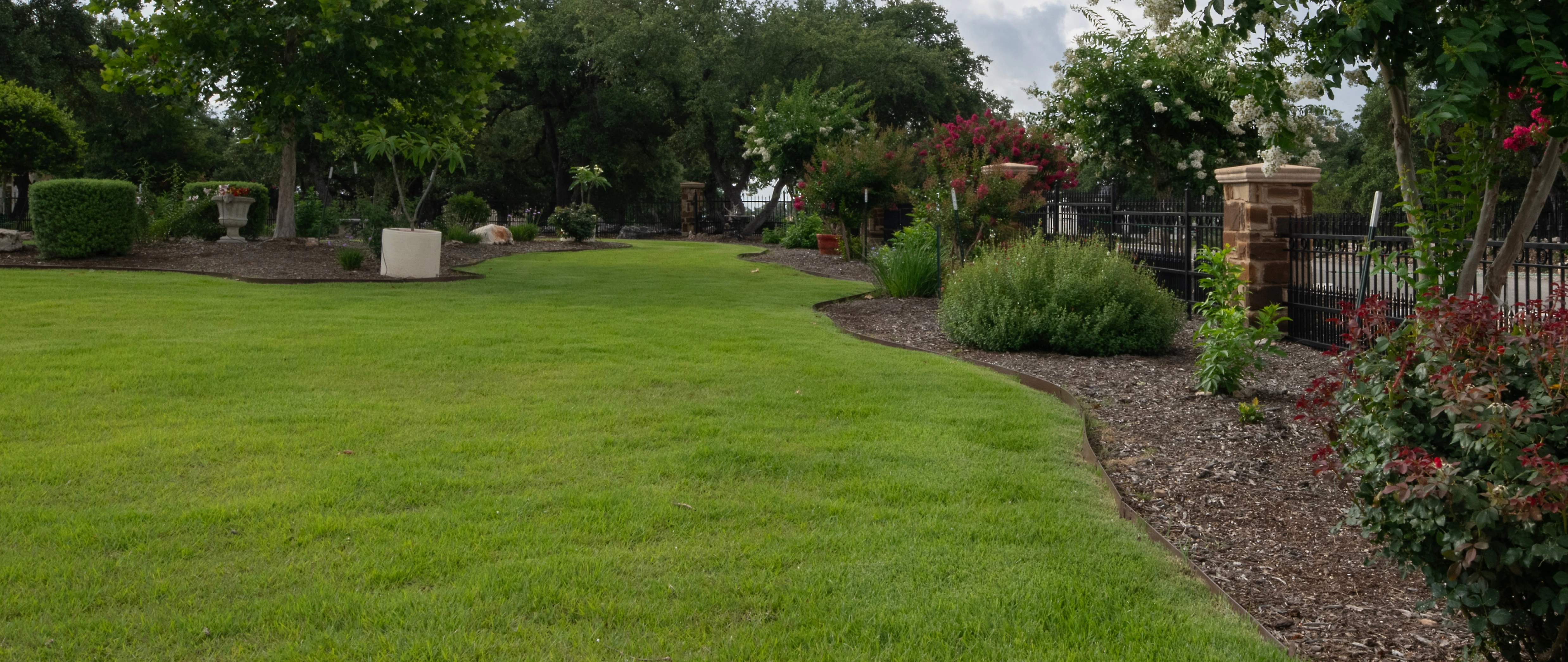
Understanding Lawn Service in Hurst TX: A Comprehensive Guide for Homeowners
Navigating the landscape of lawn care in Hurst, Texas, requires understanding local soil conditions, North Texas climate extremes, seasonal weed cycles, and municipal watering restrictions. Partnering with a professional lawn service o...
Navigating the landscape of lawn care in Hurst, Texas, requires understanding local soil conditions, North Texas climate extremes, seasonal weed cycles, and municipal watering restrictions. Partnering with a professional lawn service or managing the turf independently involves balancing warm-season grasses like Bermuda and St. Augustine with unpredictable weather patterns, clay-heavy soils, and proper maintenance schedules.
Contents
The Unique Climate and Soil Challenges of Hurst, Texas
Maintaining a healthy lawn in Hurst, Texas, presents distinct horticultural hurdles rooted in the region's geography and climate classification. Hurst sits within USDA Hardiness Zone 8b, experiencing hot, dry summers where temperatures frequently exceed 100°F, alongside mild to occasionally freezing winters. This climate profile heavily dictates which grass varieties thrive and how maintenance schedules must be structured throughout the year.
Furthermore, the soil composition across Tarrant County is predominantly alkaline clay, often referred to locally as black gumbo or heavy clay. This soil type possesses exceptional nutrient retention capabilities, but it compacts easily, drains slowly after heavy downpours, and becomes rock-hard during extended summer droughts. When soil compaction occurs, root expansion is severely restricted, preventing water, oxygen, and granular fertilizers from penetrating the root zone. Consequently, understanding lawn service in Hurst TX begins with recognizing that standard national lawn care advice rarely applies directly without local adaptation.
Common Grass Types Found in Hurst Lawns
Selecting, maintaining, or renovating a lawn in Hurst requires familiarity with the primary warm-season turfgrass varieties cultivated in the area. Each species demands specific mowing heights, fertilization frequencies, and irrigation protocols.
Bermuda Grass
Bermuda grass is the most common turf choice across residential properties in Hurst due to its exceptional drought tolerance, aggressive growth habit, and high resilience to heavy foot traffic. It thrives in full sunlight and recovers rapidly from summer stress or physical damage. However, Bermuda requires frequent mowing during its peak growing season (often twice a week) and a consistent nitrogen fertilization schedule to maintain its vibrant green color. It also requires a well-maintained border, as its runners easily invade flower beds and sidewalks.
St. Augustine Grass
St. Augustine grass is favored for its broad, blue-green blades and dense, carpet-like appearance, which creates a lush aesthetic. It performs moderately well in partial shade—outperforming Bermuda in shaded yards beneath mature live oaks or cedar elms. However, St. Augustine is considerably more sensitive to drought, requires more frequent irrigation, and is highly susceptible to fungal diseases such as take-all root rot and brown patch when humidity and moisture levels spike.
| Grass Variety | Primary Light Need | Drought Tolerance | Maintenance Effort | Common Vulnerabilities |
|---|---|---|---|---|
| Bermuda | Full Sun | High | High | Shade intolerance, rapid thatch buildup |
| St. Augustine | Sun to Partial Shade | Moderate | Moderate-High | Fungal diseases, insect pests (chinch bugs) |
| Zoysia | Sun to Partial Shade | High | Moderate | Slow recovery from damage, higher establishment cost |
Core Components of Professional Lawn Maintenance Services
When homeowners hire a professional lawn service company in Hurst, Texas, they typically contract a bundle of routine maintenance operations supplemented by seasonal agronomic treatments. Understanding what these services entail helps property owners evaluate contractor bids and set realistic expectations.
Routine Mowing, Edging, and Blowing
The foundation of any residential lawn service agreement is weekly or bi-weekly mowing during the growing season. Professional crews utilize commercial-grade rotary or reel mowers equipped with sharp blades to ensure a clean cut, which prevents grass blades from fraying and becoming susceptible to disease. Routine visits also include string-trimming (weed-whacking) around fences, trees, and obstacles, precise mechanical edging along concrete walkways and curbs, and blowing debris off hard surfaces to leave the property neat.
Fertilization and Weed Control Programs
North Texas weeds thrive aggressively if left unchecked. A standard professional agronomic program generally consists of a 6-to-8-step application schedule spread across the calendar year:
- Early Spring (Pre-Emergent): Prevents the germination of warm-season annual weeds like crabgrass and sandbur.
- Late Spring (Post-Emergent & Fertilizer): Kills active broadleaf weeds (dandelions, clover) while delivering a balanced nitrogen boost to jump-start spring green-up.
- Summer (Stressed Turf Management): Micronutrient applications and slow-release nitrogen designed to support turf without burning the root system during high heat.
- Fall (Pre-Emergent): Stops winter annual weeds (such as henbit and poa annua) from establishing before the cold weather sets in.
- Winter (Root Stimulation): Potassium-heavy applications that strengthen root systems against upcoming freezes.
Aeration and Overseeding
Because Hurst clay soils compact tightly over time, core aeration is a vital annual or biennial service. Professional aerators use hollow tines to pull small plugs of soil out of the lawn, relieving compaction and creating channels for water and air penetration. For lawns featuring cool-season overseeding (such as perennial ryegrass for winter greenness) or struggling warm-season turf, aeration provides the ideal seedbed preparation.
Navigating Municipal Water Restrictions and Irrigation Management
Water management is arguably the most critical aspect of maintaining a lawn in Hurst, Texas. The City of Hurst operates under specific water conservation ordinances, and the Trinity River Authority or local water districts frequently implement watering schedules and stage restrictions during dry summer months.
Homeowners must design or adjust their automated irrigation systems to comply with designated watering days based on street addresses. Over-watering not only violates municipal code and results in utility penalties, but it also shallow-roots the turfgrass, making it acutely vulnerable to drought shock. Conversely, underwatering leads to dormancy or turf death. Professional lawn services often provide irrigation audit services, checking for broken sprinkler heads, adjusting spray arcs to avoid watering concrete, and programming smart controllers that factor in local rainfall data.
Evaluating and Selecting a Local Lawn Care Provider
Choosing the right contractor in the Hurst area requires looking beyond flashy advertisements and cheap introductory rates. Property owners should verify several critical criteria before signing a service agreement:
- Licensing and Certification: For companies applying commercial fertilizers and restricted-use pesticides, verify that the operator holds a valid commercial pesticide applicator license issued by the Texas Department of Agriculture (TDA).
- Insurance Coverage: Ensure the company carries active general liability insurance and workers' compensation coverage to protect against property damage or worker injuries on-site.
- Local Track Experience: Companies familiar with Tarrant County microclimates, alkaline soils, and local weed pressures will offer vastly superior results compared to national franchises using rigid, non-localized formulas.
- Transparent Service Agreements: Review whether the contract requires long-term commitments, automatic renewals, or permits easy cancellation if service quality falters.
Common Lawn Care Mistakes to Avoid in Hurst
Homeowners attempting DIY care or managing new properties often fall into predictable traps that damage turf health. Avoiding these errors saves significant time and financial expense:
- Scalping the Lawn: Mowing St. Augustine or Bermuda too short ("scalping") reduces the leaf surface area available for photosynthesis, depleting carbohydrate reserves and inviting weed invasion.
- Frequent, Shallow Watering: Watering every day for short durations encourages shallow root systems. Lawns benefit far more from deep, infrequent soakings (e.g., 1 to 1.5 inches of water per week split across two deep irrigation cycles).
- Incorrect Fertilization Timing: Applying high-nitrogen fertilizers during the peak heat of July or August can force rapid top growth that the stressed root system cannot sustain, resulting in fertilizer burn.
- Ignoring Thatch Buildup: Allowing dead grass clippings and organic matter to accumulate excessively creates a dense mat that blocks water and fertilizer from reaching the soil.
Frequently Asked Questions About Hurst Lawn Services
When does the lawn care season start in Hurst, Texas?
The active lawn care season in Hurst typically begins in late February or March as soil temperatures consistently climb above 65°F. This is the prime window for applying pre-emergent herbicides to stop spring weeds and beginning the first scheduled mows.
How often should my lawn be mowed during the summer?
During peak growing months (May through September), fast-growing Bermuda lawns often require mowing every 5 to 7 days. St. Augustine lawns generally require mowing every 7 to 10 days, always adhering to the "one-third rule"—never removing more than one-third of the grass blade height in a single cut.
Can a lawn service help fix drainage issues in my Hurst yard?
Many full-service landscaping companies in Hurst offer drainage solutions such as French drains, catch basins, and regrading. Because Hurst clay soil sheds water poorly, standing water after storms requires mechanical drainage intervention rather than simple agronomic treatments.
Are organic lawn care programs effective in North Texas?
Yes, organic programs utilizing corn gluten meal, compost topdressing, and organic-derived fertilizers are increasingly popular. While they require patience and consistent application to build healthy soil microbiology, they produce resilient turf that is less dependent on synthetic chemical inputs.
What should I do if my lawn develops brown patches in the summer?
Brown patches can indicate fungal disease (such as brown patch or take-all root rot), insect damage (like chinch bugs or grubs), or severe drought stress. A professional lawn technician can diagnose the exact cause; applying a fungicide to drought-stressed turf or an insecticide to a fungal infection will worsen the problem.
Summary of Next Steps for Hurst Property Owners
Securing a pristine, resilient lawn in Hurst, Texas, requires aligning your maintenance schedule with local environmental realities. Whether you choose to hire a licensed local professional or manage your turf independently, prioritize soil health through core aeration, adhere strictly to municipal water guidelines, and time your weed and feed applications to match North Texas seasonal transitions. Assess your current turf condition, map out your watering capabilities, and reach out to verified local professionals to establish a customized maintenance plan tailored to your property's specific needs.
Image Gallery