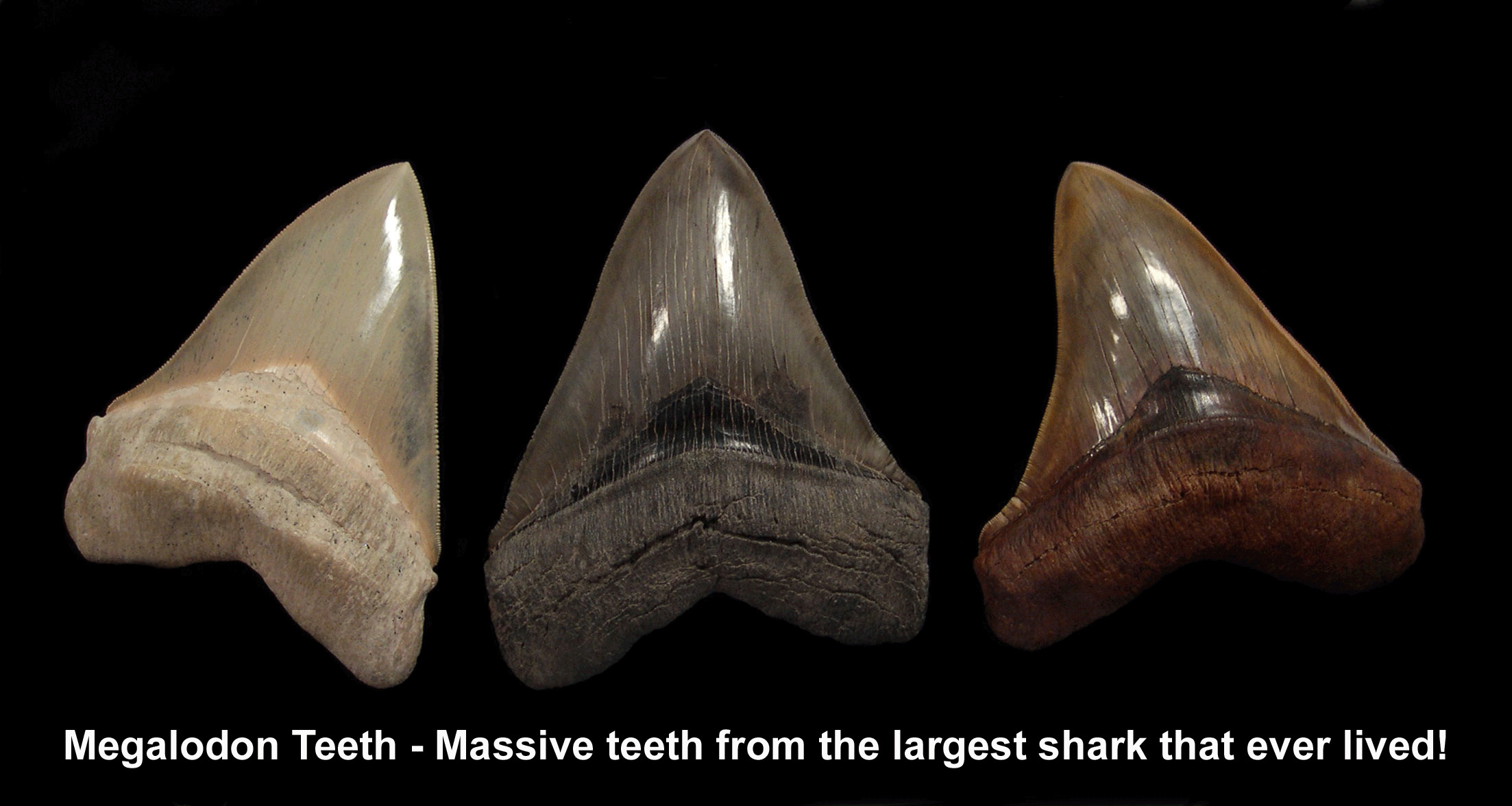
Why the Orange Bone Megashark Tooth Is Worth the Hype
The orange bone Megalodon tooth is worth the hype because of its extreme geological rarity, striking color contrast, and superior state of preservation. Unlike common black or gray fossil shark teeth, these specimens owe their vibrant...
The orange bone Megalodon tooth is worth the hype because of its extreme geological rarity, striking color contrast, and superior state of preservation. Unlike common black or gray fossil shark teeth, these specimens owe their vibrant rust-orange, amber, or fire-colored roots to specialized iron-oxide mineral deposits in specific river systems, making them prized showpieces for fossil collectors and investors alike.
Contents
What Is an "Orange Bone" Megalodon Tooth?
An "orange bone" Megalodon tooth is a fossilized tooth from the extinct giant shark Otodus megalodon (which lived approximately 23 to 3.6 million years ago during the Miocene and Pliocene epochs) that displays vivid orange, red, or amber coloration across its root structure or enameloid body. In standard paleontology terminology, the "bone" of a shark tooth refers to the porous internal structure of the root, known as osteodentine, as well as the thick, crescent-shaped band above the root called the bourlette.
While the vast majority of fossilized Megalodon teeth excavated worldwide display dark gray, charcoal black, or muted brown tones, orange bone specimens are geological anomalies. They represent a tiny fraction of total fossil discoveries. Collectors and natural history enthusiasts frequently single out these colorful fossils because the bright mineral staining highlights the intricate cellular structure of the root bone and emphasizes the tooth's natural geometry.
- Anatomy of an Orange Bone Tooth:
- Enameloid Blade: Dense fossilized hydroxyapatite
- Bourlette: Crescent band (often vivid orange or amber)
- Osteodentine: Porous root structure (deep orange/rust iron)
The hype surrounding these fossils isn't simply a matter of aesthetic preference; it reflects a convergence of chemical rarity, demanding extraction conditions, and intense market demand within the international paleontology trade.
The Geological Alchemy Behind Orange Bone Fossils
To understand why an orange bone Megalodon tooth commands such high interest and value, one must look at the unique geochemical conditions required to produce this coloration during permineralization.
When a Megalodon shed its teeth millions of years ago, the teeth sank into prehistoric seafloor sediments, estuaries, or river basins. Over epochal timescales, groundwater containing dissolved minerals seeped into the porous osteodentine of the root and the microscopic pores of the enamel.
- Deposition: Megalodon sheds tooth into marine sedimentary layer (Miocene / Pliocene era).
- Submergence & Sedimentation: Sediment covers the tooth, isolating it in an anaerobic, mineral-rich matrix.
- Permineralization: Groundwater infused with iron oxides (hematite, goethite) percolates through osteodentine.
- Hydrogeological Exposure: Erosion exposes the tooth in modern river channels (e.g., South Carolina Lowcountry).
The distinctive orange hue is primarily driven by specific mineral reactions:
- Iron Oxide Concentration: High concentrations of dissolved iron oxides—specifically hematite ($Fe_2O_3$) and goethite ($FeO(OH)$)—percolate through the sediment layer. As these iron compounds precipitate out of solution, they bind to the natural hydroxyapatite matrix of the tooth.
- Anaerobic Clay Environments: Orange bone preservation often occurs in specific river bottoms sealed by heavy, oxygen-depleted clay layers. These anaerobic conditions prevent organic decay from discoloring the specimen with dull organic silts while allowing metallic ions to saturate the porous bone.
- Phosphate Interactions: Geologic formations rich in phosphorite—such as the Hawthorn Group in the southeastern United States—interact with iron solutions, altering the hue from dull brown to intense pumpkin orange, burnt amber, or fiery coral.
Because these exact mineral ratios exist only in isolated hydrogeological pockets, fewer than 1% to 2% of recovered Megalodon teeth display true, high-saturation orange bone preservation.
Key Factors Driving the Market Hype and Value
Fossil valuation is driven by rarity, condition, aesthetic appeal, and demand. The orange bone Megalodon tooth scores exceptionally high across all four criteria, establishing it as one of the most sought-after categories in high-end natural history collecting.
1. Striking Visual Contrast
Standard Megalodon teeth often lack strong visual differentiation between the root and the blade, appearing uniformly dark gray or black. In contrast, premium orange bone specimens feature dramatic color separation:
- Color Triad: A deep rust or fire-orange root, a bright amber or tan bourlette, and a contrasting blue-gray, olive, or creamy white enamel blade.
- Osteodentine Highlighting: The bright orange coloration fills the vascular canals of the root, making the ancient cellular texture visible to the naked eye.
2. High Preservation Standards
The geochemical environments that foster iron oxide saturation often align with gentle, low-turbulence sedimentation. As a result, orange bone teeth are frequently recovered with exceptionally sharp serrations, pristine tip integrity, and intact, un-eroded root lobes. The combination of intense color and mechanical integrity is exceedingly rare.
3. High Scarcity in Subsurface Recoveries
Unlike commercial fossil deposits in places like Morocco or Peru, which produce high volumes of uniformly colored teeth, orange bone specimens are largely localized to restricted underwater rivers and specialized land pits in North America. Supply is inherently capped by natural geography and dive risks.
Comparative Matrix: Orange Bone vs. Standard Megalodon Teeth
To appreciate the distinct market position of orange bone teeth, compare their characteristics against other well-known fossil tooth varieties:
| Metric / Feature | Orange Bone Megalodon Tooth | Standard Black/Gray River Tooth | Bone Valley / White Tooth |
|---|---|---|---|
| Primary Coloration | Burnt orange, rust, or amber root; blue/gray/tan blade | Jet black, charcoal, dark olive gray throughout | White/cream blade with pastel gray or yellow root |
| Dominant Mineral Agent | Hematite, Goethite, Iron Oxides | Iron Sulfides (Pyrite, Marcasite), Anoxic Silts | Phosphate, Quartz Sand, Titanium-poor Silicas |
| Primary Extraction Sites | SC Lowcountry Rivers (Cooper, Edisto, Beaufort); FL land pits | Offshore Atlantic, river mouth gravel bars, NC rivers | Bone Valley Formation (Florida land pits) |
| Relative Rarity | Extremely High (< 2% of river finds) | Moderate to High (Very common baseline) | Extremely High (Pits largely mined out) |
| Average Preservation Quality | Sharp serrations, high root density | Variable (often river-worn or tumbled) | Extremely delicate, frequently missing root tips |
| Collector Demand | Premium / Investment Grade | Entry-level to Intermediate | Elite / Trophy Collector Grade |
| Price Premium Factor | 1.5x to 3x over equivalent gray/black teeth | Baseline market pricing | 2x to 4x over baseline pricing |
Geographic Provenance: Where Are Orange Bone Teeth Found?
Orange bone specimens are heavily tied to specific geographic regions in the American Southeast. Their presence is dictated by the regional coastal plain geology and river hydraulics.
- South Carolina Coastal Plain
- Cooper River System
- Deep black river mud
- Heavy black & gray teeth
- High tidal currents
- ACE Basin & Beaufort
- High iron oxide gravels
- Rich orange bone concentration
- Zero visibility blackwater diving
- Cooper River System
The South Carolina Lowcountry (ACE Basin & Cooper River)
The rivers of coastal South Carolina—including the Ashepoo, Combahee, and Edisto (the ACE Basin), as well as sections of the Cooper and Morgan Rivers—are famous for producing high-grade orange bone fossils.
- Blackwater Diving: Fossil hunters must use heavy weights and dive in pitch-black, fast-moving tidal rivers ("blackwater diving") with zero visibility, relying entirely on touch to feel along the limestone matrix and gravel beds beneath 30 to 50 feet of water.
- The "Fire Tooth" Matrix: Pockets of gravel situated directly over iron-rich clay beds yield teeth where the root matrix has absorbed centuries of iron runoff, turning deep reddish-orange.
Florida's Hawthorn Group and Bone Valley
In central Florida, phosphate mining operations cutting through the Miocene Hawthorn Group historically yielded orange, yellow, and red-rooted teeth. While commercial mining access has grown increasingly restricted, specimens pulled from these land deposits exhibit bright pastel and orange hues due to the combination of phosphate and oxidized iron sands.
How to Evaluate Quality and Avoid Fakes or Restorations
Because orange bone Megalodon teeth carry a significant price premium, buyers and collectors must evaluate specimens carefully. The market includes teeth with artificial staining, hidden repair, or full root restoration designed to mimic natural orange bone preservation.
1. Test for Artificial Staining and Dyes
Unscrupulous vendors sometimes paint or dye dull gray roots with iron oxide stains or wood dyes to create an artificial "orange bone" appearance.
- Acetone/Isopropanol Test: Apply a cotton swab dipped in acetone or high-concentration isopropyl alcohol to an inconspicuous area of the root. Natural iron mineralization will not transfer or bleed onto the cotton. Synthetic dyes or paints will dissolve or leave pigment on the swab.
- UV Light Inspection: Examine the root under long-wave ultraviolet light (365 nm). Natural fossilized bone fluoresces uniformly or remains inert, whereas synthetic resins, glues, and painted surfaces show bright, splotchy fluorescence.
2. Check Bourlette and Root Density
Natural orange bone teeth display organic texture inside the root pores. If the orange area appears smooth, glassy, or lacks tiny porous indentations, it may be filled with epoxy or polyester resin.
- Authenticity Verification Checklist:
- Acetone Swab Test: No color transfer on root or bourlette
- 365nm UV Light Check: No fluorescent patchiness or glue seams
- Microscopic Inspection: Crisp osteodentine pores visible
- Slant Height Measurement: Accurate calipers along outer edge
3. Measure Slant Height Accurately
In fossil shark tooth collecting, size is measured by slant height—the distance from the tip of the blade along the longest outer edge to the tip of the root corner.
- Teeth under 4 inches are relatively common, even in orange bone variations.
- Teeth measuring 5 inches or greater with natural orange bone preservation enter an elite collector category where prices scale exponentially rather than linearly.
- A 6-inch orange bone tooth with intact serrations represents an exceptionally rare discovery, often valued in the thousands of dollars.
Frequently Asked Questions
Why are orange bone Megalodon teeth more expensive than standard teeth?
Orange bone teeth are far rarer than standard black or gray teeth. They require precise geochemical conditions—specifically high iron oxide concentration within low-oxygen sediment layers—to form. Because these conditions only existed in small geological pockets, supply is very low while demand from specialized collectors remains high.
Is the orange color natural, or is it caused by modern rusting?
The orange color is completely natural and fossilized. It was caused millions of years ago during permineralization, when iron minerals like hematite and goethite saturated the tooth's porous root matrix. It is not modern rust, and it will not flake off or degrade over time under normal environmental conditions.
Can orange bone Megalodon teeth be found outside North America?
While fossil shark teeth are found worldwide, high-saturation "orange bone" Megalodon teeth are almost exclusively recovered from specific southeastern U.S. deposits, particularly in South Carolina and Florida. Most international sites produce teeth dominated by gray, brown, black, or beige tones due to different regional mineral compositions.
How do collectors measure an orange bone Megalodon tooth?
Collectors measure teeth using maximum slant height, measured in inches or millimeters. A precision caliper is placed at the tip of the blade and extended to the furthest tip of the root lobe along the side edge. Slant height, along with root completeness, serration sharpness, and color saturation, determines overall market value.
Does cleaning an orange bone tooth ruin its value?
Gentle mechanical cleaning—such as removing loose river mud, matrix sand, or encrusted barnacles with water and soft brushes or air scribes—is standard practice and does not harm value. However, harsh chemical bleaching, acid washing, or artificial polishing damages the natural enameloid sheen and osteodentine texture, significantly reducing collector value.
Final Verdict and Recommendations
The hype surrounding the orange bone Megalodon tooth is fully justified by its scientific interest, visual appeal, and market performance. It represents a rare intersection of paleontology and geology, where millions of years of iron oxide saturation have transformed an apex predator's weapon into a colorful natural work of art.
If you are looking to acquire an orange bone Megalodon tooth:
- Prioritize Natural Integrity: Seek un-restored specimens with clear, visible root porosity and zero synthetic color enhancement.
- Verify Provenance: Confirm the tooth's recovery origin—reputable dealers should clearly state whether a specimen originated from South Carolina river channels or Florida phosphate formations.
- Inspect Key Metrics: Look for a strong visual contrast between the orange root, the bourlette, and the enamel blade, alongside crisp serrations and an intact tip.
Image Gallery