What Doris Day’s Grandson Inherited: The Truth About Her Estate and Legacy
When legendary Hollywood actress and singer Doris Day passed away in May 2019 at the age of 97, public interest naturally turned to the disposition of her substantial wealth. Her only grandson, Ryan Melcher, received no direct inherita...
When legendary Hollywood actress and singer Doris Day passed away in May 2019 at the age of 97, public interest naturally turned to the disposition of her substantial wealth. Her only grandson, Ryan Melcher, received no direct inheritance from her estate. In accordance with Day’s explicit estate plan, her entire remaining fortune was dedicated to her charitable foundation, leaving family members out of her final trust distributions.
Contents
The story behind Doris Day’s estate distribution involves complex family dynamics, strict charitable trusts, and management disputes that captured international attention. Understanding why Ryan Melcher did not inherit his grandmother's wealth requires looking at the history of the family, the control exerted over Day’s final years, and the legal structure of her legacy.
Who Is Ryan Melcher?
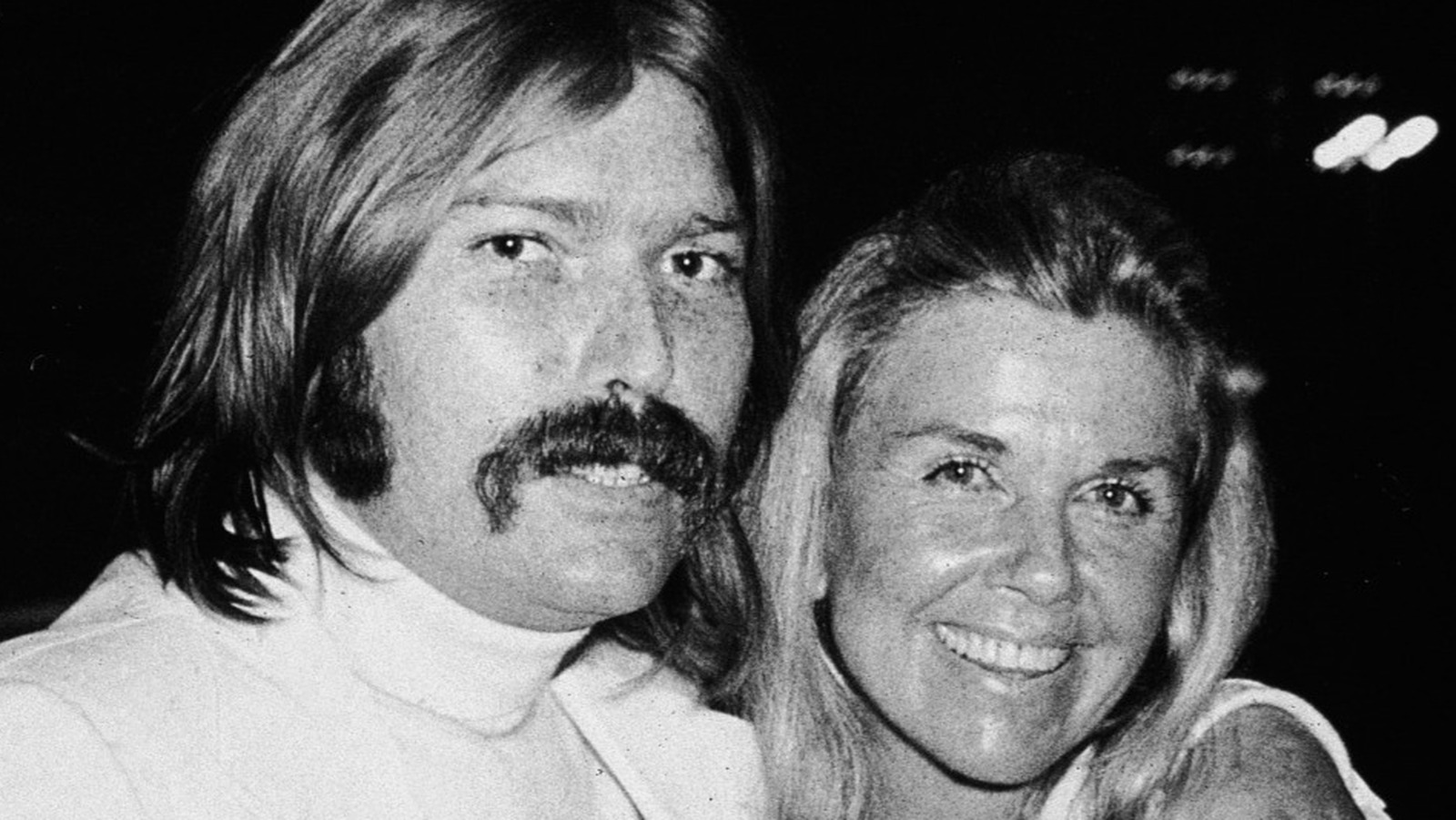
Ryan Melcher is the only child of Terry Melcher—Doris Day’s only son—and actress Jacqueline Carlin. Terry Melcher was a highly influential music producer who worked with iconic 1960s acts such as The Byrds and The Beach Boys. Doris Day herself had adopted Terry during her marriage to her third husband, Martin Melcher, giving him the surname that became prominent in both the music and entertainment industries.
Ryan spent much of his childhood in California, particularly around Carmel-by-the-Sea, where Doris Day resided for the latter half of her life. Growing up, Ryan maintained a close bond with his grandmother, frequently spending time at her estate and participating in the local community. However, Terry Melcher’s premature death from melanoma in November 2004 altered the internal dynamics of the family.
Following his father's passing, Ryan developed a career independent of Hollywood. He established himself as a successful luxury real estate agent in Carmel-by-the-Sea, leveraging his deep roots in the Monterey Peninsula. Despite his personal success, his direct connection to his grandmother's day-to-day life diminished significantly in her final decade.
The Estate Directives: Where Did Doris Day’s Wealth Go?
Doris Day’s estate plan was driven by a single lifelong passion: animal welfare. Having spent decades advocating for the protection and ethical treatment of animals, Day established the Doris Day Animal Foundation (DDAF) in 1978. Over the years, her commitment to this non-profit entity eclipsed all other financial considerations.
Doris Day Estate Flow Architecture:
- Estate Assets & Properties
- Revocable Living Trust
- Doris Day Animal Foundation (DDAF)
- Total Residual Assets Liquidated
- Ongoing Operational Funding
- Rescue & Animal Care Grants
- Family Direct Bequests
- $0 Direct Bequest to Grandson
- No Traditional Memorial Service
- No Funeral or Headstone
- Doris Day Animal Foundation (DDAF)
- Revocable Living Trust
Upon her death in 2019, Day’s legal directives were clear and unyielding:
- Complete Charitable Donation: Her entire residual estate—comprising real estate holdings, royalties, personal property, and liquid investments—was designated to fund the Doris Day Animal Foundation.
- No Family Bequests: The estate documents made no provision for direct financial gifts to surviving relatives, including her grandson, Ryan Melcher.
- No Funeral or Memorial: Day left explicit instructions that there should be no funeral, no memorial service, and no grave marker.
Her real estate assets, including her iconic 8.2-acre estate in Carmel Valley, were subsequently put on the market, with all proceeds directed straight to her foundation to fund grants for animal rescue, care, and advocacy programs.
The Estrangement and Management Role of Bob Bashara
The absence of an inheritance for Ryan Melcher became a subject of public debate shortly after Doris Day’s death. In a detailed public statement shared on social media in May 2019, Melcher revealed that he had been effectively cut off from communicating with his grandmother during the final years of her life.
According to Melcher, the isolation began after his father, Terry Melcher, died in 2004. Following Terry's death, Doris Day’s business management fell entirely under the control of her long-time manager, Bob Bashara. Melcher stated that when he tried to meet his grandmother for dinner at a local establishment, Bashara intervened, standing between them and preventing direct contact.
Melcher alleged the following sequence of events:
- Restricted Access: Family members and longtime friends were allegedly kept away from Day’s Carmel estate by management staff.
- Replacement of Personnel: Existing staff members who were close to the family were gradually replaced with personnel loyal to the management team.
- Communication Barrier: Direct phone calls and personal visits were filtered or turned away, leaving Melcher unable to maintain an active relationship with his grandmother.
Because of this division, Melcher learned of his grandmother's passing through global news reports and social media rather than a private notification from her management team or estate trustees. While these circumstances caused considerable personal grief, the legal reality remained unchanged: Day’s signed estate documents placed her entire trust under the control of her designated trustees for the benefit of her foundation.
Asset Breakdown: What Doris Day Left Behind
While estimates of Doris Day's total net worth varied widely in tabloid reporting—often cited between $200 million and $300 million—the actual settled value of her liquid estate was considerably more modest, though still significant. Decades of earlier financial mismanagement by her third husband, Martin Melcher, and his lawyer, Jerome Rosenthal, had previously stripped Day of her early Hollywood fortune, though she successfully won a $22.8 million legal judgment against Rosenthal in 1974.
The assets that remained at the time of her death were tied primarily to real estate holdings, continuing royalty streams, and personal memorabilia.
| Estate Component | Description / Details | Final Disposition |
|---|---|---|
| Carmel Valley Estate | 8.2-acre residence featuring a 7,000-square-foot main house and guest quarters. | Sold; proceeds assigned directly to the Doris Day Animal Foundation. |
| Cypress Inn Ownership | Historic boutique hotel in Carmel-by-the-Sea co-owned by Day. | Estate share transferred/liquidated for foundation funding. |
| Film & Music Royalties | Ongoing residual earnings from classic films (Pillow Talk, The Man Who Knew Too Much) and recordings (Que Sera, Sera). | Assigned to the Doris Day Animal Foundation to provide perpetual revenue. |
| Personal Effects & Memorabilia | Costumes, awards, fine art, furniture, and personal items. | Auctioned via Julien's Auctions in 2020; netted over $3 million for charity. |
| Direct Bequests to Family | Allocations for grandson Ryan Melcher and extended relatives. | $0 (Explicitly omitted from direct estate distributions). |
Legal Mechanics of Estate Trusts and Charitable Beneficiaries
The outcome of Doris Day’s estate illustrates several core principles of trust law and estate planning in California. When an estate owner uses a properly structured revocable living trust, the assets pass directly to named beneficiaries outside of probate court, minimizing public filings and reducing the opportunity for contested claims.
1. Disinheritance and Testator Intent
Under United States law, an individual has the legal right to disinherit adult children or grandchildren completely, provided the intent is clear and free from illegal coercion. Courts prioritize the written intent of the deceased (the testator or settlor) as expressed in valid trust documents. Because Day explicitly named her foundation as the sole beneficiary, her grandson had no statutory claim to a share of her estate.
2. The High Bar for Proving Undue Influence
When family members are isolated from an aging relative by non-family caregivers or managers, allegations of undue influence often arise. To successfully challenge a trust on these grounds, a contestant must prove that the manager exerted control that overpowered the creator's free will, causing them to make estate dispositions they would not have otherwise made.
In Day’s case, her commitment to animal welfare was documented over four decades, long before Bob Bashara assumed control of her business management. This extensive history of charitable giving made any legal challenge regarding her intent extremely difficult to mount. Consequently, Ryan Melcher chose not to pursue costly, contentious litigation over the trust.
3. Role of Corporate and Individual Trustees
A trustee owes a fiduciary duty exclusively to the beneficiaries named in the trust document. Because the Doris Day Animal Foundation was the sole beneficiary, the trustee's legal obligation was to preserve, liquidate, and transfer assets to the charity—not to preserve wealth for surviving family members.
Key Takeaways from the Doris Day Estate Outcome
The resolution of Doris Day’s estate offers practical lessons for families, estate planners, and fans examining how high-profile legacies are administered:
- Intent Defined Early Prevails: Day’s decades-long alignment with animal rights provided clear evidence that her estate plan matched her true personal beliefs, protecting the trust from post-mortem legal challenges.
- Trusts Avoid Probate Contests: By placing her assets in a trust rather than relying solely on a public will, Day ensured her financial privacy and structured a direct path for asset transfer to her foundation.
- Estate Communication Gaps: Long-term isolation between aging relatives and potential heirs frequently leads to misunderstandings and public disputes upon death. Clear, ongoing legal documentation is essential to clarify intent.
- Charitable Endowments: High-net-worth individuals who wish to pass wealth to non-profit organizations must set up robust oversight mechanisms to ensure their mission continues smoothly after their death.
Frequently Asked Questions
Did Ryan Melcher receive any money from his father, Terry Melcher?
Yes. While Ryan Melcher did not receive an inheritance directly from Doris Day upon her death in 2019, he was an heir to his father, Terry Melcher, who passed away in 2004. Terry Melcher was a successful record producer with his own independent estate, which provided financial security for Ryan prior to Doris Day's death.
Why was Doris Day’s grandson not allowed to see her before she died?
According to public statements made by Ryan Melcher in 2019, Doris Day's business manager, Bob Bashara, controlled access to her personal life and estate. Melcher stated that management placed guards and strict protocols at her residence, turning away family members and replacing long-time household staff to limit outside contact.
How much money did the Doris Day Animal Foundation receive from her estate?
The exact net total fluctuated based on real estate market liquidations and continuous royalty streams, but the initial auction of her personal items alone raised over $3 million in 2020. Coupled with the sale of her Carmel Valley estate and ongoing media royalties, millions of dollars have been directed to the foundation.
Can a grandson legally contest a grandparent's will if they are left out?
In most U.S. jurisdictions, grandchildren do not have an automatic statutory right to inherit from a grandparent unless they are specifically named in an estate document or are inheriting in place of a deceased parent under intestate succession laws (when no will or trust exists). If a valid trust names a charity as the sole beneficiary, an omitted grandson can only challenge the trust by proving legal invalidity, fraud, or undue influence in court.
Next Steps and Recommended Actions
For individuals managing family estate plans or addressing potential inheritance issues, the following steps help ensure intent is honored and disputes are avoided:
- Review Beneficiary Designations: Ensure all revocable trusts, life insurance policies, and financial accounts reflect current personal wishes.
- Document Charitable Intent: If leaving assets to a non-profit organization instead of family members, establish a clear track record of support to prove intent against potential legal challenges.
- Establish Clear Power of Attorney: Designate trusted fiduciaries for healthcare and financial management to prevent isolation or management disputes during late-in-life care.
- Consult an Estate Attorney: Work with a licensed estate planning attorney in your state to build valid, enforceable trust structures that withstand third-party disputes.
Image Gallery