Loss of First Metatarsophalangeal Joint: A Workers’ Compensation Overview
The loss of function or structural integrity in the first metatarsophalangeal (MTP) joint—the "big toe" joint—often results in significant impairment, affecting balance, gait, and weight distribution. When this injury occurs in a workp...
The loss of function or structural integrity in the first metatarsophalangeal (MTP) joint—the "big toe" joint—often results in significant impairment, affecting balance, gait, and weight distribution. When this injury occurs in a workplace setting, it falls under workers' compensation statutes, requiring proper medical documentation, established causation, and adherence to specific jurisdictional impairment ratings to secure appropriate benefits for the injured worker.
Contents
Anatomy and Functional Impact of the First MTP Joint
The first metatarsophalangeal joint is the articulation between the head of the first metatarsal bone and the proximal phalanx of the great toe. This joint is a biomechanical cornerstone of the human foot, responsible for approximately 70% to 80% of the weight-bearing force during the "toe-off" phase of the gait cycle.
When a worker sustains an injury to this area—whether through crushing, repetitive strain, fractures, or chronic inflammation—the impact extends far beyond the toe itself. Damage to the first MTP joint often leads to compensable secondary conditions, such as altered gait mechanics that cause pain in the ankles, knees, hips, or lower back. Because this joint is essential for balance and propulsion, injuries here are classified as "scheduled" or "nonscheduled" impairments depending on the state’s workers’ compensation laws, directly influencing the valuation of the claim.
Establishing Compensability and Causation
To secure workers' compensation benefits, an employee must demonstrate that the injury arose out of and in the course of employment. In the context of the first MTP joint, this usually involves two primary pathways:
- Traumatic Injury: An acute event, such as a heavy object dropping on the foot, a fall, or a vehicle accident. These are generally easier to substantiate as the injury is sudden, visible, and temporally linked to a work incident.
- Repetitive Trauma/Occupational Disease: Chronic conditions like hallux rigidus (stiffening of the toe joint) or post-traumatic arthritis resulting from years of kneeling, climbing ladders, or walking on concrete floors. These claims require more rigorous medical evidence to distinguish work-related wear and tear from pre-existing degenerative conditions.
The "medical causation" requirement mandates that a physician provides a narrative report linking the pathology specifically to work duties rather than age-related degeneration. If a worker has a pre-existing bunion or mild arthritis, the insurance carrier may attempt to apportion the injury; however, if the work incident "aggravated, accelerated, or combined with" the pre-existing condition to produce a new or worsening impairment, the claim often remains compensable.
The Role of Impairment Ratings
Once an injury has reached "Maximum Medical Improvement" (MMI), a physician must assign a permanent impairment rating. This rating is typically based on the American Medical Association (AMA) Guides to the Evaluation of Permanent Impairment.
For the first MTP joint, ratings often focus on:
- Range of Motion (ROM): Measuring the degree of dorsiflexion and plantar flexion.
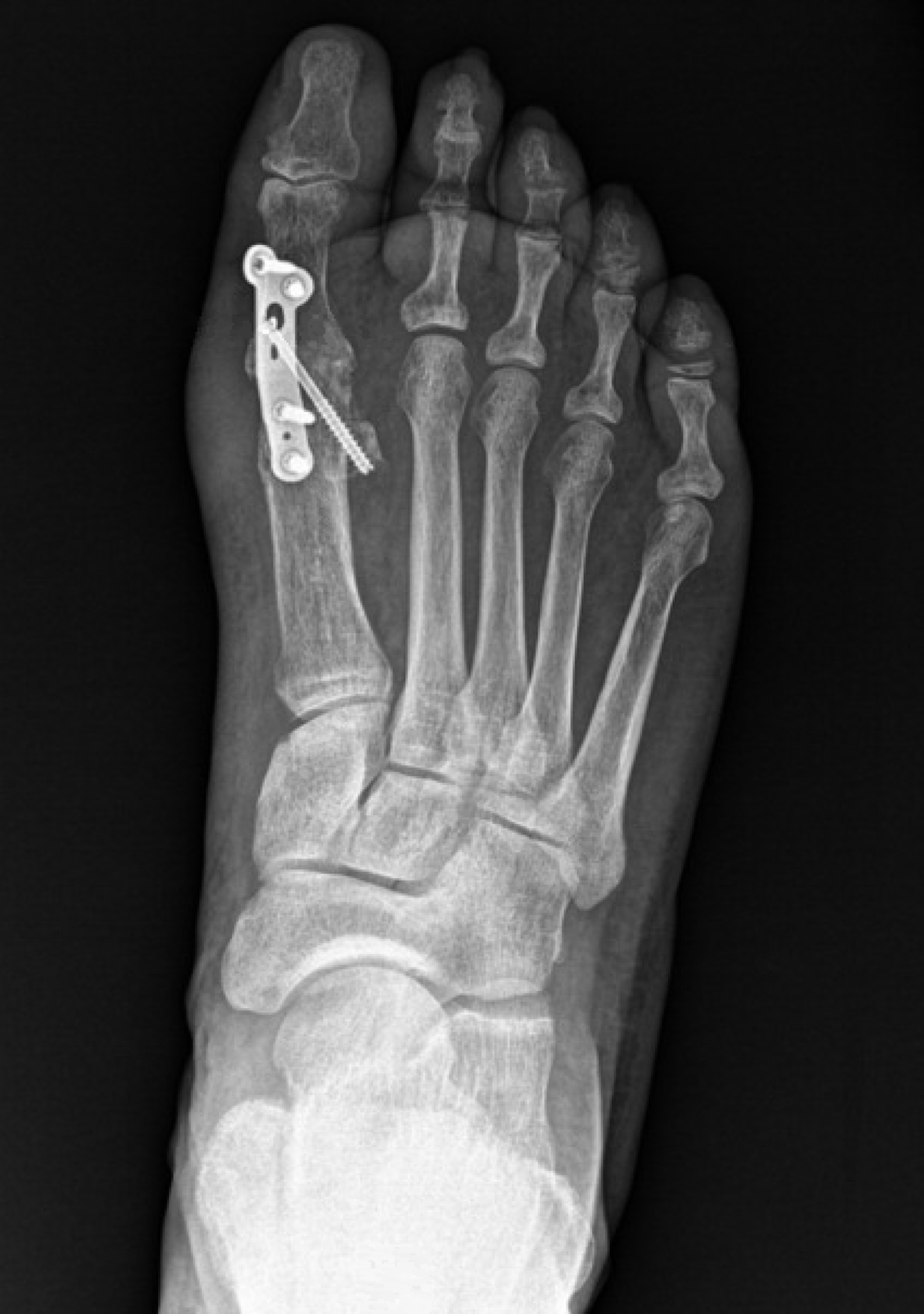
- Ankylosis: The surgical or pathological fusion of the joint, which drastically reduces functional mobility.
- Pain-related impairment: While subjective, chronic pain originating from the first MTP joint can be factored in if it is substantiated by clinical findings of atrophy, sensory loss, or objective diagnostic imaging.
| Impairment Factor | Clinical Assessment Method | Impact on Claim |
|---|---|---|
| Range of Motion | Goniometric measurement of flexion/extension | Direct correlation to percentage of loss |
| Joint Ankylosis | Radiographic confirmation of fusion | High-value static impairment |
| Gait Abnormality | Functional walking tests and observation | Often increases the non-scheduled award |
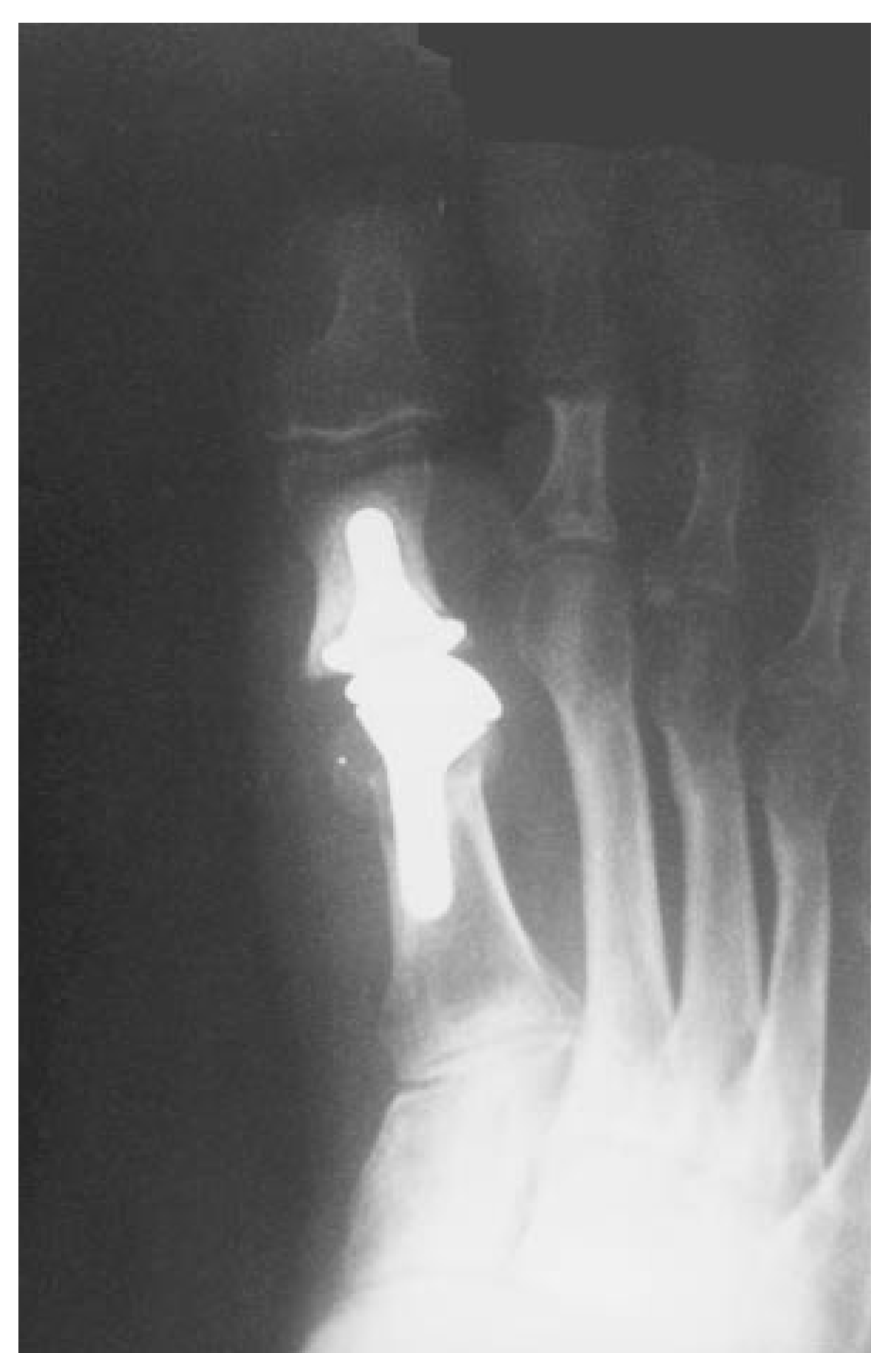
| Surgical Necessity | Documentation of arthroplasty or fusion | Increases medical benefit liability |
Medical Treatment and Recovery Costs
Workers' compensation coverage includes all "reasonable and necessary" medical treatment. For a first MTP joint injury, the treatment progression often follows a standardized path:
- Conservative Care: Physical therapy, orthotics (such as carbon-fiber stiff plates to restrict joint motion), corticosteroid injections, and medication management.
- Surgical Intervention: If conservative measures fail, procedures may include cheilectomy (removing bone spurs), osteotomy, or arthrodesis (joint fusion). Arthrodesis is a common definitive treatment that eliminates pain but results in permanent loss of motion, which is almost universally compensated as a permanent partial disability.
- Post-Operative Rehabilitation: Ongoing therapy to address the change in gait mechanics is a critical part of the medical cost, as failure to rehabilitate can lead to secondary workers' compensation claims in other lower extremity joints.
Common Disputes in MTP Joint Claims
Employers and insurance carriers frequently challenge the extent of impairment or the necessity of surgery. The most common point of contention is whether the injury is truly work-related or a symptom of progressive arthritis.
- Pre-existing Conditions: Carriers may argue that the patient would have required surgery regardless of their work duties.
- Functional Capacity: Disagreements often arise regarding the worker's ability to return to "light duty." An injured worker who cannot walk, climb, or stand for long periods may be deemed unable to perform the essential functions of a job that requires mobility, necessitating vocational retraining or permanent total disability benefits.
- MMI Status: If a physician declares MMI too early, the claimant may be short-changed on future medical care. Conversely, if a claim remains "open" indefinitely, the carrier may press for a settlement based on a projected cost of future care.
Next Actions for the Injured Worker
If you have sustained an injury to the first MTP joint, your immediate actions are vital for preserving the integrity of your claim:
- Report the Injury: Notify your supervisor in writing immediately. Ensure the report includes the specific location of the pain (the big toe joint) and the incident details.
- Seek Specialized Care: Consult with a board-certified orthopedic surgeon or a podiatrist specializing in foot and ankle biomechanics. General practitioners may lack the expertise to accurately assess the impact of MTP joint dysfunction on long-term gait.
- Document Functional Limitations: Keep a journal detailing how the injury affects your ability to perform daily tasks and work duties. Note any swelling, pain flare-ups, or changes in how you walk.
- Review Medical Ratings: If an impairment rating is offered, verify that it reflects the current AMA Guides and accounts for any permanent loss of motion or functional limitations.
- Consult Legal Counsel: Because foot and ankle injuries often have long-term effects on the entire kinetic chain, consider discussing your case with a workers' compensation attorney if the carrier denies the claim or underestimates your impairment.
Frequently Asked Questions
Can I get workers' compensation if I have pre-existing arthritis in my toe? Yes. You are eligible if the work-related injury caused a measurable, permanent worsening of your pre-existing condition. While the compensation may be apportioned in some jurisdictions, you are still entitled to benefits for the disability caused by the work incident.
Is surgery for a big toe injury considered a "permanent disability"? In many jurisdictions, surgery on the first MTP joint, such as fusion (arthrodesis), is considered a permanent partial disability because it results in a permanent loss of range of motion. This typically qualifies you for a specific monetary award based on a percentage of the foot's value.
What if I cannot return to my old job because I cannot walk or stand? If your physician provides work restrictions that your employer cannot accommodate, you may be eligible for "temporary total disability" while you recover, or "vocational rehabilitation" if the injury prevents you from returning to your former occupation permanently.
Does a shoe insert or orthotic count as a medical expense? Yes. If a physician prescribes custom orthotics to accommodate the injury or restrict motion in the MTP joint to reduce pain, these devices are considered "durable medical equipment" and are generally covered under the medical portion of your workers' compensation claim.
How is the value of a toe injury calculated? The value is typically determined by your state's "schedule of losses." Each body part is assigned a number of weeks of compensation. The percentage of loss (impairment rating) to your first MTP joint is multiplied by the total weeks assigned to the foot to determine your final benefit amount.
Image Gallery