The Miles Davis Estate Net Worth Explained
As of 2026, the Miles Davis estate is estimated to have a net worth between $15 million and $50 million. This valuation is derived from the enduring commercial power of his music catalog—specifically "Kind of Blue"—alongside lucrative...
As of 2026, the Miles Davis estate is estimated to have a net worth between $15 million and $50 million. This valuation is derived from the enduring commercial power of his music catalog—specifically "Kind of Blue"—alongside lucrative licensing deals, merchandising managed by Miles Davis Properties LLC, and the ongoing appreciation of his intellectual property.
Contents
Miles Davis was more than a trumpeter; he was a cultural architect whose career spanned several distinct eras of jazz, from bebop to fusion. While he lived a lavish and often tumultuous lifestyle, his financial legacy was solidified posthumously through strategic management by his heirs. Understanding the net worth of his estate requires looking beyond simple cash reserves and analyzing the "long-tail" economics of the most influential catalog in jazz history.
The Guardians of the Legacy: Miles Davis Properties LLC
Unlike many musician estates that fall into disrepair or legal gridlock, the Miles Davis estate has been characterized by a unified management front. Upon his death in 1991, the estate was left to his children and his nephew. Today, the core of this management is Miles Davis Properties LLC.
The entity is primarily overseen by three key figures: his son Erin Davis, his daughter Cheryl Davis, and his nephew Vince Wilburn Jr. Together, they have adopted a "brand-first" approach. This means they do not simply wait for royalty checks; they actively seek out partnerships that keep the Miles Davis name synonymous with "cool" and "innovation."
This proactive management has prevented the erosion of value that typically occurs when a primary artist is no longer around to promote their work. By centralizing the rights to his name, image, and likeness (NIL), the LLC has created a scalable business model that generates revenue through high-end fashion collaborations, documentary features, and even fine art exhibitions of Miles’s own paintings.
The Anchor Asset: The Sony Music Catalog
The single largest contributor to the Miles Davis estate net worth is his recording catalog, primarily owned and distributed by Sony Music’s Legacy Recordings.
The Phenomenon of "Kind of Blue"
Released in 1959, Kind of Blue is not just a jazz album; it is a global cultural monument. It remains the best-selling jazz album of all time. In the music industry, "Kind of Blue" is what is known as a "perennial seller." It does not rely on trends; it sells consistently every week, year after year. As of 2026, the album has maintained its status as a staple for new vinyl collectors and audiophiles alike, providing a predictable floor for the estate’s annual income.
The Bootleg Series and Vault Monetization
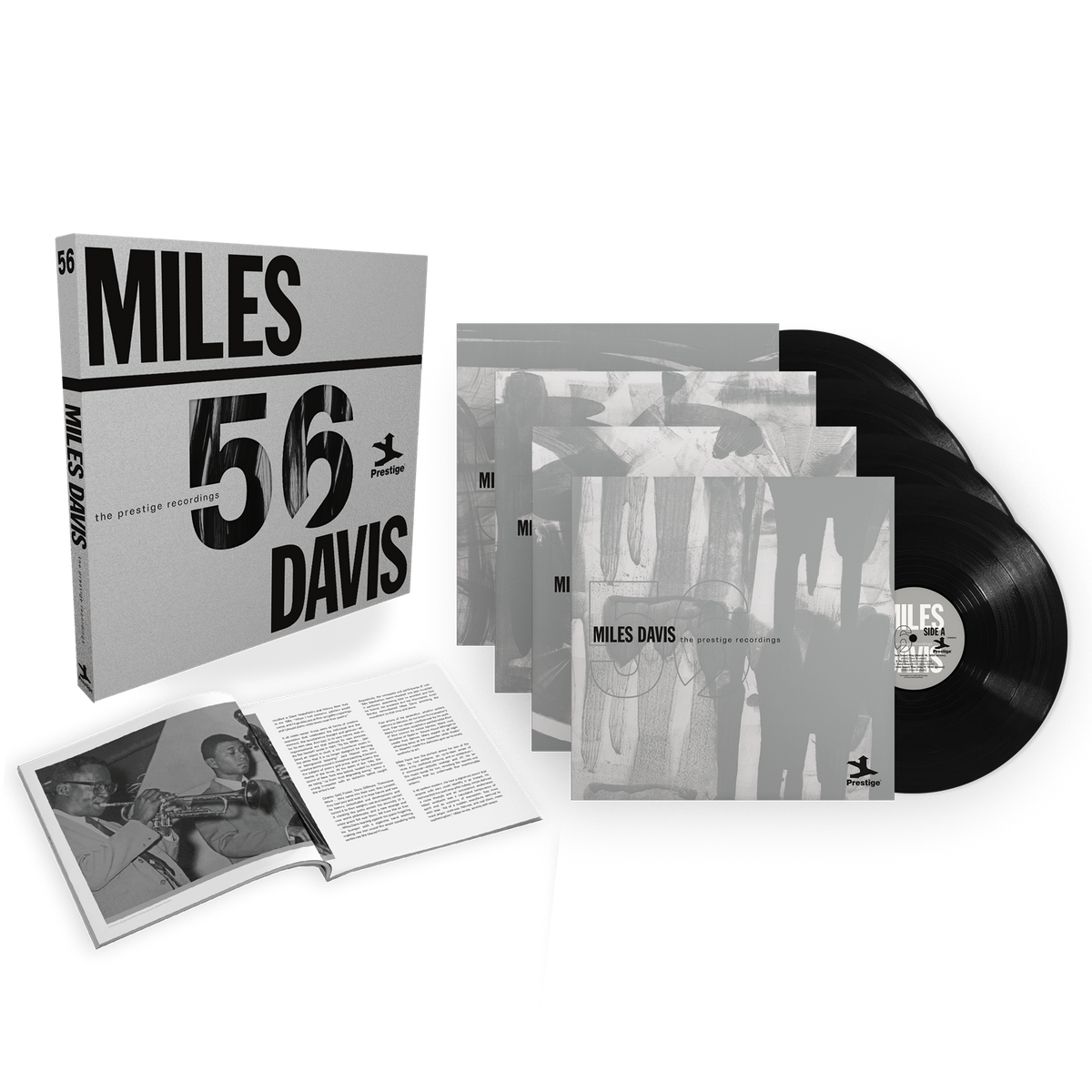
Beginning in the 2010s and continuing through the mid-2020s, the estate and Sony launched the "Miles Davis Bootleg Series." These are high-quality, multi-disc sets of previously unreleased live performances and studio outtakes. By systematically "cleaning out the vault," the estate has managed to monetize archival material that previously held zero book value. This strategy targets the "super-fan" demographic, which is willing to pay premium prices for physical box sets and high-resolution digital masters.
Revenue Streams and Valuation Drivers
The valuation of an artist's estate is rarely about liquid cash in a bank account. Instead, it is a calculation of the discounted future cash flows of their assets. For Miles Davis, these assets are diversified across several sectors.
| Revenue Source | Asset Type | Financial Impact |
|---|---|---|
| Recorded Music Royalties | Master Recordings (Sony/Columbia) | High/Consistent monthly distributions |
| Music Publishing | Composition Copyrights | Revenue from covers and public performances |
| Sync Licensing | Film, Television, Commercials | Variable but high-value individual payments |
| Merchandising | Apparel, Footwear, Lifestyle Goods | Growth sector via "The Cool" branding |
| NIL Rights | Name, Image, and Likeness | Essential for biopics and brand partnerships |
Publishing vs. Master Rights
It is important to distinguish between the "master" (the sound recording) and the "publishing" (the underlying song). While Sony owns the majority of the famous master recordings, the estate controls a significant portion of the publishing rights through Miles Davis Music. This allows the estate to collect a fee every time a Miles Davis composition is covered by another artist or sampled in a hip-hop track—a frequent occurrence given Miles’s influence on modern production.
The "Miles Ahead" Effect: Media and Licensing
In the decade leading up to 2026, the estate significantly increased its net worth by moving into film and television. The 2015 biopic Miles Ahead, starring Don Cheadle, served as a massive marketing vehicle that introduced Davis to a younger generation. Following this, the 2019 documentary Miles Davis: Birth of the Cool further revitalized the brand.
Licensing Davis’s music for high-end commercials—such as for luxury automobiles or technology brands—commands fees that can range from $50,000 to $500,000 per usage. Because Davis’s music is associated with sophistication and intelligence, it is a preferred choice for "prestige" marketing campaigns, which are more lucrative than standard retail ads.
Fine Art and Intellectual Property
A lesser-known but growing component of the estate's value is Miles Davis’s portfolio of visual art. In the 1980s, Davis became a prolific painter. The estate holds the rights to hundreds of these original works.
In recent years, the estate has leveraged these paintings for:
- Limited edition prints: Sold to art collectors.
- Textile designs: Licensing the art for use on luxury scarves and apparel.
- Exhibition fees: Touring the art in galleries worldwide.
By treating Miles as a multi-disciplinary artist rather than just a musician, the estate has successfully decoupled its net worth from the volatile trends of the modern music streaming market.
Challenges in Estimating Celebrity Estate Wealth
While $15M to $50M is the widely accepted range, several factors make a precise figure difficult to pin down.
- Private Ownership: Miles Davis Properties LLC is a private entity. It is not required to publish annual reports or balance sheets.
- Debt and Taxes: At the time of his death, Davis, like many jazz musicians of his era, faced various tax liabilities and management costs. Much of the estate's early work was focused on clearing these debts to reach a "net positive" status.
- Variable Royalty Rates: Streaming services (Spotify, Apple Music) pay significantly less than the physical CD sales of the 1990s. The estate has had to shift its focus toward high-margin items like $200 vinyl box sets to offset the decline in per-stream revenue.
Comparison with Other Jazz Estates
To provide context for the Miles Davis estate net worth, it is helpful to look at his contemporaries. Most jazz estates are valued significantly lower, often because the artist’s catalog is fragmented or the heirs lack the resources to manage the brand effectively.
- John Coltrane Estate: While highly respected, Coltrane’s catalog is smaller and often more "difficult" for mainstream licensing compared to the "Cool Jazz" of Miles Davis.
- Thelonious Monk Estate: Has seen significant legal battles over the years, which often depletes the net value of an estate through legal fees.
- Louis Armstrong: Managed largely through a foundation (The Louis Armstrong House Museum), focusing more on preservation than aggressive commercial expansion.
Miles Davis remains the "gold standard" for jazz estate management, rivaling some rock and pop estates in terms of brand recognition and professional administration.
Frequently Asked Questions
Who inherited Miles Davis’s money?
Miles Davis’s estate was divided among several family members as per his will. The primary beneficiaries and current managers of his legacy are his daughter Cheryl Davis, his son Erin Davis, and his nephew Vince Wilburn Jr. His son Gregory Davis and son Muhammed Abdullah also had interests in the estate, though the leadership has remained concentrated among the three primary managers of the LLC.
Does the estate own "Kind of Blue"?
The estate owns the publishing rights (the compositions), but Sony Music (via Columbia Records) owns the master recordings. This means that whenever the album is sold or streamed, both Sony and the estate receive a portion of the revenue. The estate must give permission for the music to be used in movies or commercials, which is where they exercise significant control.
How much does the estate make from streaming?
While exact figures are private, Miles Davis consistently averages millions of monthly listeners across major platforms. For a catalog of his size, streaming likely generates between $300,000 and $700,000 annually in "passive" income, which is then supplemented by much larger "active" income from licensing and physical sales.
Is the Miles Davis estate for sale?
As of 2026, there have been no credible reports of the heirs seeking to sell the catalog to a private equity firm (a trend seen with artists like Bob Dylan or Bruce Springsteen). The Davis heirs have historically expressed a desire to keep the management "in the family" to ensure the artistic integrity of the Miles Davis brand.
What is the most expensive Miles Davis item ever sold?
Outside of the music rights, Miles Davis’s personal "Moon and Stars" trumpet, a custom-made instrument by Martin Committee, sold at auction for over $276,000 in 2019. Personal artifacts like these contribute to the overall "paper value" of the estate’s physical assets.
Summary of Financial Standing
The Miles Davis estate remains a powerhouse in the music world. By diversifying away from just record sales and moving into visual art, fashion licensing, and high-end media productions, the heirs have ensured that the "Prince of Darkness" remains a multimillion-dollar brand in 2026. For those looking to understand the intersection of art and commerce, the Miles Davis estate serves as a masterclass in posthumous wealth preservation.
Image Gallery