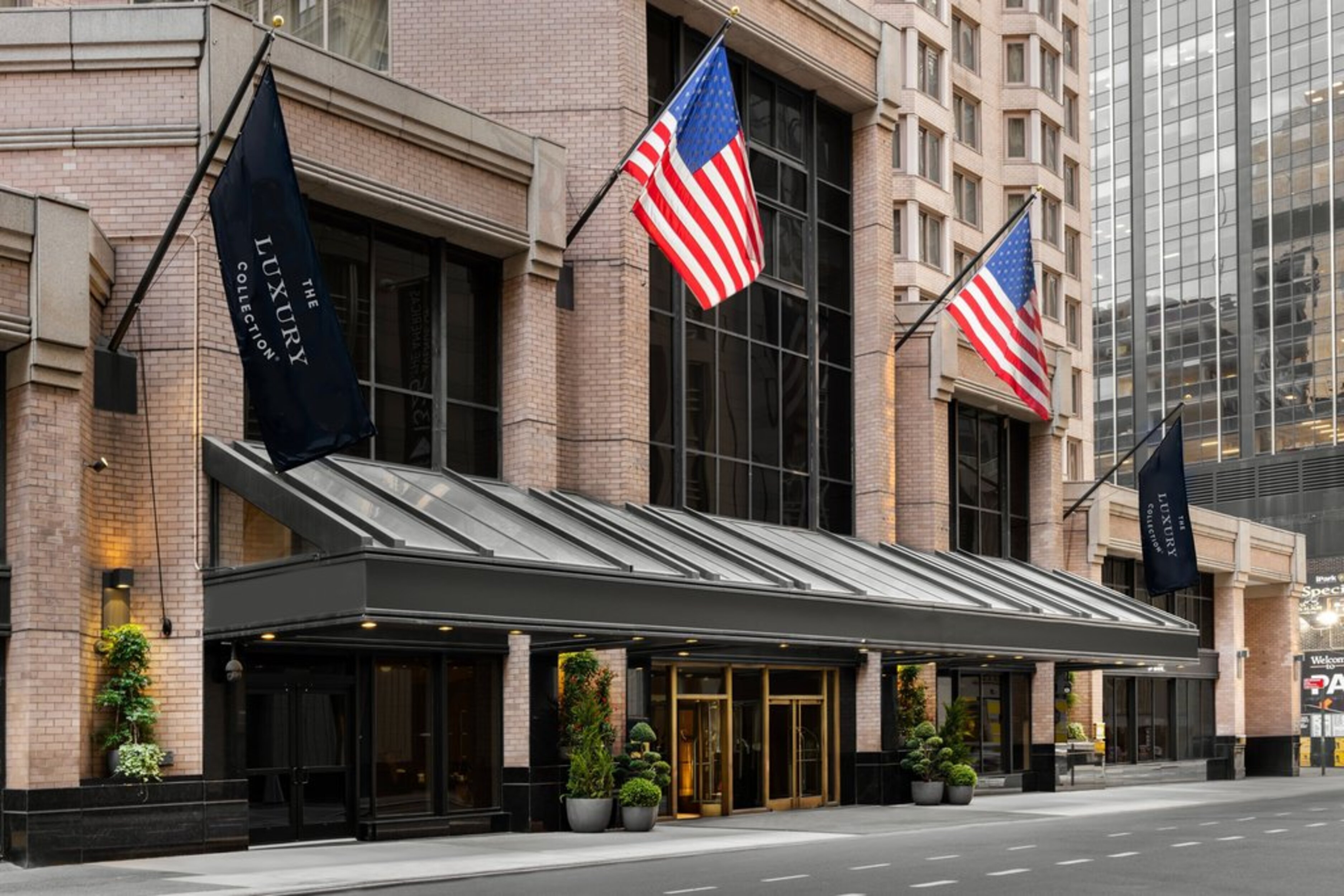
Understanding the Conrad Midtown New York’s Transformation into a Marriott Luxury Collection Hotel
The transition of the Conrad New York Midtown into a property under the Marriott Luxury Collection brand represents a strategic realignment within the high-end hospitality sector of Manhattan. By shifting from the Hilton portfolio to t...
The transition of the Conrad New York Midtown into a property under the Marriott Luxury Collection brand represents a strategic realignment within the high-end hospitality sector of Manhattan. By shifting from the Hilton portfolio to the Luxury Collection, the hotel integrates into Marriott International’s global luxury ecosystem, altering loyalty program participation, service standards, and operational branding for guests and stakeholders in the 2026 market.
Contents
The Strategic Shift in Manhattan’s Luxury Landscape
The rebranding of a flagship property like the Conrad New York Midtown is rarely a simple change of signage. It involves a complex interplay of ownership interests, management contracts, and brand positioning. When a property moves from the Hilton Worldwide portfolio to a Marriott International flag, it fundamentally changes the guest experience, particularly for those utilizing loyalty programs.
The transition to a Luxury Collection hotel signifies a move toward a more boutique, destination-specific identity. While Conrad hotels are known for their consistent, contemporary luxury and connection to the Hilton Honors program, the Luxury Collection is a collection of unique, independent-spirited hotels curated by Marriott. These properties are expected to reflect the “soul” of their location—in this case, the vibrant cultural and business pulse of Midtown Manhattan.
For the traveler, this means that the property now falls under the umbrella of the Marriott Bonvoy program. As of 2026, guests who previously accumulated and redeemed Hilton Honors points at this location must now align their expectations and travel planning with the Marriott Bonvoy framework, which includes distinct status tiers, point redemption values, and exclusive member benefits.
Navigating the Marriott Bonvoy Transition
For loyal guests, the most immediate impact of the transition is the change in how they interact with the hotel’s reservation system and loyalty ecosystem. Marriott Bonvoy operates differently than Hilton Honors, and understanding these nuances is critical for frequent business and leisure travelers.
- Point Accrual and Redemption: Under the Luxury Collection banner, guests earn Marriott Bonvoy points. The redemption rates for this Midtown property are categorized within Marriott’s dynamic pricing model, which can fluctuate based on seasonal demand, local events, and inventory availability.
- Elite Status Benefits: Marriott Bonvoy Elite status (Silver, Gold, Platinum, Titanium, and Ambassador) provides a different suite of perks compared to Hilton’s Diamond or Gold tiers. This includes potential suite upgrades, guaranteed late checkout (depending on status), and specialized lounge access or breakfast credits.
- Property Identity: The Luxury Collection often emphasizes a "concierge-led" service model. Guests can expect a shift in the guest-facing staff's approach, focusing on the specific history and architecture of the building, which is a hallmark of the Luxury Collection's brand promise.
Operational and Ownership Dynamics
In the hospitality industry, the brand on the exterior of the building is often the result of a management agreement between the property’s ownership group and the hotel company. In the case of the Conrad New York Midtown, the decision to pivot to the Luxury Collection reflects broader asset management strategies. Owners frequently reassess which brand affiliation will maximize the Revenue Per Available Room (RevPAR) and overall property valuation in a competitive market like New York City.
By entering the Marriott Luxury Collection, the hotel gains access to Marriott’s expansive global sales and marketing engine, which is particularly robust in the luxury segment. This shift may also coincide with localized renovations or interior updates designed to bring the property’s aesthetic in line with the specific brand standards required by the Luxury Collection—standards that prioritize local artistry, heritage, and unique design features over the more uniform, high-gloss finish often associated with the Conrad brand.
Comparative Analysis: Conrad vs. The Luxury Collection
To understand the change, it is helpful to compare the brand philosophies. The following table highlights the primary differences guests can expect as they shift their stay patterns from the former branding to the current Marriott iteration.
| Feature | Conrad (Former Branding) | The Luxury Collection (Current) |
|---|---|---|
| Loyalty Program | Hilton Honors | Marriott Bonvoy |
| Design Philosophy | Consistent, Modern Luxury | Localized, Boutique, Story-driven |
| Guest Focus | Business-forward, Reliable | Curated experiences, Cultural immersion |
| Standardization | High global uniformity | Unique property identity |
| Elite Tiers | Diamond/Gold/Silver | Ambassador/Titanium/Platinum/Gold/Silver |
The Impact on Business and Luxury Travel in New York
Midtown Manhattan remains the epicenter of New York’s commercial and corporate activity. The shift of a major hotel into the Marriott Luxury Collection signals to the market that the property is positioning itself to capture a high-spending, experiential-focused demographic. While traditional luxury travelers prioritize efficiency and recognizable standards, the modern high-end traveler—the target audience for the Luxury Collection—seeks a narrative. They want their hotel to act as a window into New York City rather than a generic luxury bubble.
For corporate travel managers, this transition requires an update to preferred hotel lists. Companies that have traditionally negotiated corporate rates with the property must renegotiate through Marriott’s global corporate sales channel to maintain access to preferential pricing and amenities.
Common Challenges During Rebranding Phases
Transitions of this magnitude are not without friction. Guests often encounter several common issues during the first 12 to 24 months of a brand switch:
- Training and Service Delivery: Staff must undergo retraining to align with new brand service standards. Guests might notice minor inconsistencies in service scripts or amenity delivery during the initial months of the transition.
- Technology Integration: Bridging the property’s legacy IT systems with the Marriott global distribution system can occasionally lead to booking errors or delays in loyalty point reflection.
- Physical Amenities: As the property updates its branding, some physical amenities may be phased out or replaced to align with the new brand guidelines, which can surprise repeat guests who expect a specific item or experience.
Frequently Asked Questions
Does my existing Hilton Honors status grant me any benefits at the new Luxury Collection property? No. Hilton Honors and Marriott Bonvoy are entirely separate loyalty programs. Status with one does not transfer to the other. You must be a member of Marriott Bonvoy to receive elite benefits at this hotel.
Will my upcoming reservations booked under the old brand be honored? Yes. Legally, existing reservations are honored by the property under the new management. However, it is advisable to verify your reservation through the Marriott Bonvoy portal to ensure that the confirmation has been correctly migrated and that your loyalty number is attached.
Is the hotel still located in the same building? Yes. The rebranding refers to the management, marketing, and loyalty affiliation of the property. The physical location, structural layout, and room configurations remain the same, though internal aesthetic updates are common during such transitions.
How do I earn points for my stay at the property now? You must add your Marriott Bonvoy account number to your reservation. Points are earned based on your final folio spend, excluding certain taxes and fees, according to the current Marriott Bonvoy earning charts for the Luxury Collection brand.
Are the restaurant and fitness center services changing? Service outlets in luxury hotels are often leased or operated by third parties. While the hotel branding has changed, individual food and beverage operators may remain the same. Check the property’s updated website for the latest details on amenities.
Recommendations for Future Stays
For those planning to stay at this property in 2026, the primary recommendation is to prioritize enrollment in the Marriott Bonvoy program if you have not already done so. Because the Luxury Collection is a premium tier within the Marriott portfolio, maximizing the value of your stay requires leveraging the specific elite benefits offered through Bonvoy.
Verify your corporate rate status immediately if you are booking for business. Given the transition, your former negotiated rate may not have automatically migrated to the new booking system. Contact the hotel’s sales office directly to confirm that your company’s agreement is active in the Marriott system. Finally, manage expectations regarding the “brand refresh.” While the property is a high-end luxury destination, the shift toward a more boutique, story-driven service model may feel different from the previous, more uniform experience. Embrace the local curation, as it is a core component of the Marriott Luxury Collection’s identity.
Image Gallery