Maureen Guinness: Life, Titles, and Business Role
Maureen Guinness, formally known as the Marchioness of Dufferin and Ava, navigated a prominent life defined by her aristocratic lineage, notable life titles, and active presence in high-society circles, while maintaining a distinct dis...
Maureen Guinness, formally known as the Marchioness of Dufferin and Ava, navigated a prominent life defined by her aristocratic lineage, notable life titles, and active presence in high-society circles, while maintaining a distinct distance from direct corporate boardrooms. Rather than operating as a traditional corporate executive, her influence was rooted in cultural preservation, land stewardship, and philanthropic governance.
Contents
Introduction to Maureen Guinness and Her Heritage
Maureen Guinness was born Maureen Constance Hamilton-Temple-Blackwood into a world where aristocratic titles and family enterprise intersected. As a member of the renowned Guinness brewing dynasty through her maternal lineage—being a granddaughter of the 1st Earl of Iveagh—her early life was shaped by immense industrial wealth, estate ownership, and social prestige.
Understanding her trajectory requires looking beyond modern corporate definitions. In the context of the 20th-century British and Irish aristocracy, a "business role" rarely meant occupying a CEO chair or managing daily commercial operations. Instead, it encompassed the management of vast landed estates, agricultural assets, historic properties, and philanthropic foundations. Her life bridges the gap between the historical industrial power of the Guinness family and the social obligations demanded of high-ranking peerage members.
Lineage and Family Background
The Guinness family name is synonymous with the global brewing empire founded by Arthur Guinness at St. James's Gate Brewery in Dublin during the 18th century. By the time Maureen Guinness was born in January 1907, the family had ascended into the upper echelons of the British establishment, acquiring peerages, sprawling country seats, and vast financial portfolios.
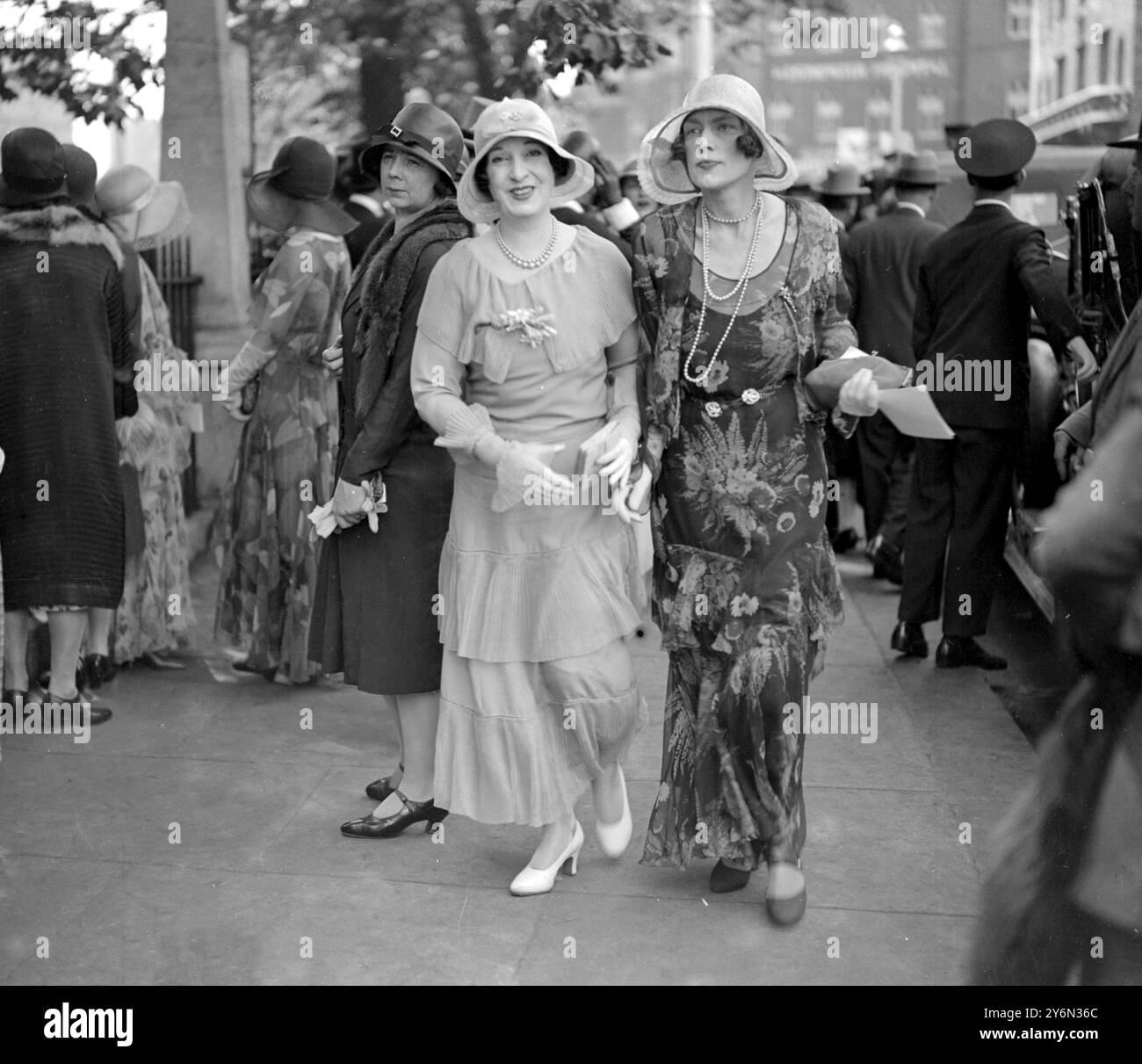
Maureen was one of the celebrated "Guinness Golden Girls"—along with her sisters Oonagh and Sheridan. Known for their striking beauty, wit, and central presence in the "Bright Young People" social set of the 1920s and 1930s, the sisters captured the public imagination. Their upbringing combined traditional Victorian-era discipline with the modernizing, fast-paced culture of post-First World War London society.
Life Titles and Aristocratic Status
Throughout her life, Maureen Guinness held several significant titles through birth and marriage. These titles were not merely honorary; in the legal and social structures of the era, they carried responsibilities regarding property ownership, social representation, and estate governance.
| Title / Designation | Period / Context | Significance |
|---|---|---|
| Honorable Maureen Guinness | Birth (1907–1930) | Designated as the daughter of a peer (Arthur Guinness, 1st Baron Moyne). |
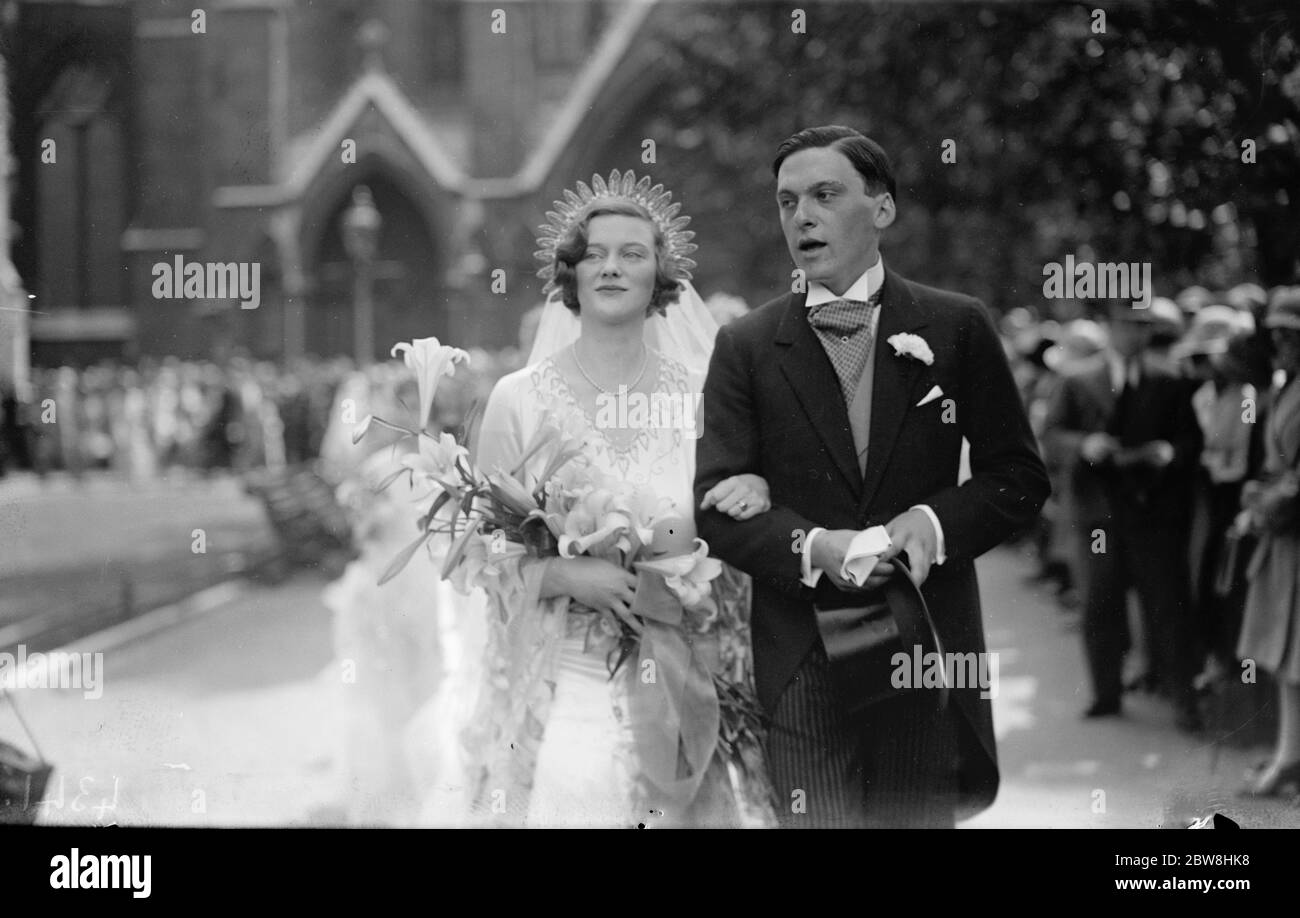
| Marchioness of Dufferin and Ava | Marriage (1930–1945) | Gained upon her marriage to Basil Sheridan Hamilton-Temple-Blackwood, 4th Marquess of Dufferin and Ava. |
| Estate Steward / Patron | Mid-20th Century | Managed Clandeboye Estate and cultural preservation initiatives in Northern Ireland. |
Her marriage to the 4th Marquess of Dufferin and Ava in 1930 placed her at the center of Anglo-Irish aristocracy. The title of Marchioness brought with it oversight of the historic Clandeboye Estate in County Down, Northern Ireland. Following the death of her husband, who was killed in action during the Second World War in 1945, Maureen assumed a matriarchal role in safeguarding the family's heritage under challenging economic conditions.
Business Role and Estate Management
While Maureen Guinness did not hold a formal corporate title within the Guinness brewing company—which was by then a publicly traded corporation run by professional boards and family directors—her primary "business role" was economic and managerial in nature, centered on estate administration.
Landed Property and Agricultural Operations
The management of estates such as Clandeboye required navigating post-war agricultural shifts, taxation changes, and the high costs of maintaining historic architecture. As the dowager Marchioness, Maureen oversaw tenancy agreements, agricultural leasing, and structural upkeep. This required financial acumen, coordination with estate factors, and long-term asset preservation strategies.
Cultural Patronage and the Arts
Beyond land management, her sphere of influence extended to the arts. She was a noted patron and collector, maintaining friendships with contemporary artists, writers, and cultural figures. In aristocratic circles of the 20th century, cultural patronage functioned as a vital component of family legacy, influencing public perception and maintaining the cultural capital attached to the family name.
Marriages and Personal Life
Maureen Guinness's personal life was marked by multiple high-profile marriages that further embedded her within elite social networks:
- Basil Sheridan Hamilton-Temple-Blackwood, 4th Marquess of Dufferin and Ava: Married in 1930. The union produced three children, including Sheridan Lawrence Gavan Blackwood, the 5th Marquess. The Marquess's death in 1945 left her a young widow with significant estate responsibilities.
- Major Denis Plunket Greene: Married in 1948 (ended in divorce). This marriage connected her further to artistic and bohemian circles.
- John Maude: Married in 1955, a union that provided a quieter chapter in her later life.
Her ability to navigate these transitions while maintaining her social standing and managing complex family trusts demonstrated a high degree of personal resilience.
Historical Impact and Legacy
Maureen Guinness represents a specific archetype of 20th-century womanhood: born into industrial royalty, married into political peerage, and forced to adapt to the decline of traditional aristocratic dominance. Her legacy is preserved through the survival of the Clandeboye Estate—now managed by subsequent generations—and her role in the cultural history of the interwar and post-war periods.
Rather than being remembered as a captain of industry, she is understood as a custodian of heritage. Her life illustrates how aristocratic titles functioned as nodes of social authority during a century of massive economic and political transformation.
Frequently Asked Questions
Was Maureen Guinness involved in running the Guinness brewery?
No. While she was a member of the Guinness family by birth, the operational management of the Guinness brewery was handled by executive boards and specific family members appointed to corporate directorships. Her responsibilities were centered on estate management, family trusts, and social representation.
How did Maureen Guinness acquire her title of Marchioness?
She became the Marchioness of Dufferin and Ava upon her marriage to Basil Sheridan Hamilton-Temple-Blackwood, the 4th Marquess of Dufferin and Ava, in 1930.
What was the Clandeboye Estate?
Clandeboye is a historic estate located in County Down, Northern Ireland. As the seat of the Marquess of Dufferin and Ava, Maureen Guinness managed and resided on the property, overseeing its grounds and historical collections during her marriage and widowhood.
What are the "Guinness Golden Girls"?
The phrase refers to Maureen and her sisters, Oonagh and Sheridan. They were prominent socialites in London during the 1920s and 1930s, frequently chronicled by press and society portraitists for their style and central role in the "Bright Young People" era.
Did Maureen Guinness work outside of estate management?
Her primary professional and economic focus was the administration of landed property and philanthropic patronage, which was standard for women of her social standing and era rather than employment in traditional commercial sectors.
Image Gallery