Veteran Service Beyond the Battlefield: The Role of Marjah Marines in Coastal Conservation
Marjah Marines coastal conservation volunteers are groups of U.S. Marine Corps veterans—primarily those who served during the 2010 Battle of Marjah—who apply military logistics, leadership, and grit to ecological restoration. These vol...
Marjah Marines coastal conservation volunteers are groups of U.S. Marine Corps veterans—primarily those who served during the 2010 Battle of Marjah—who apply military logistics, leadership, and grit to ecological restoration. These volunteers focus on "living shoreline" projects, reef restoration, and disaster response, utilizing their unique experience in austere environments to protect vulnerable coastal ecosystems.
Contents
The Evolution of Service: From Marjah to the Coastline
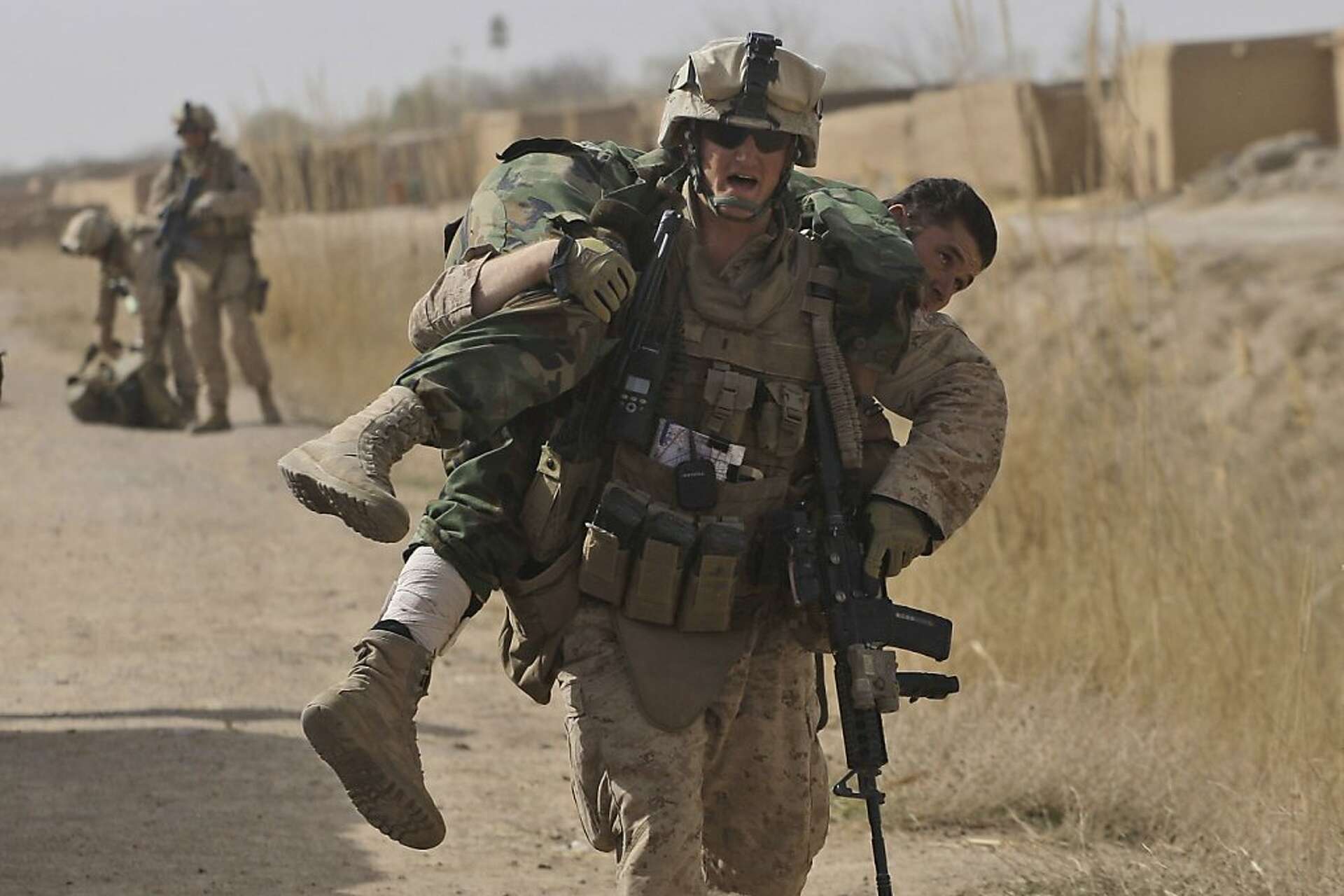
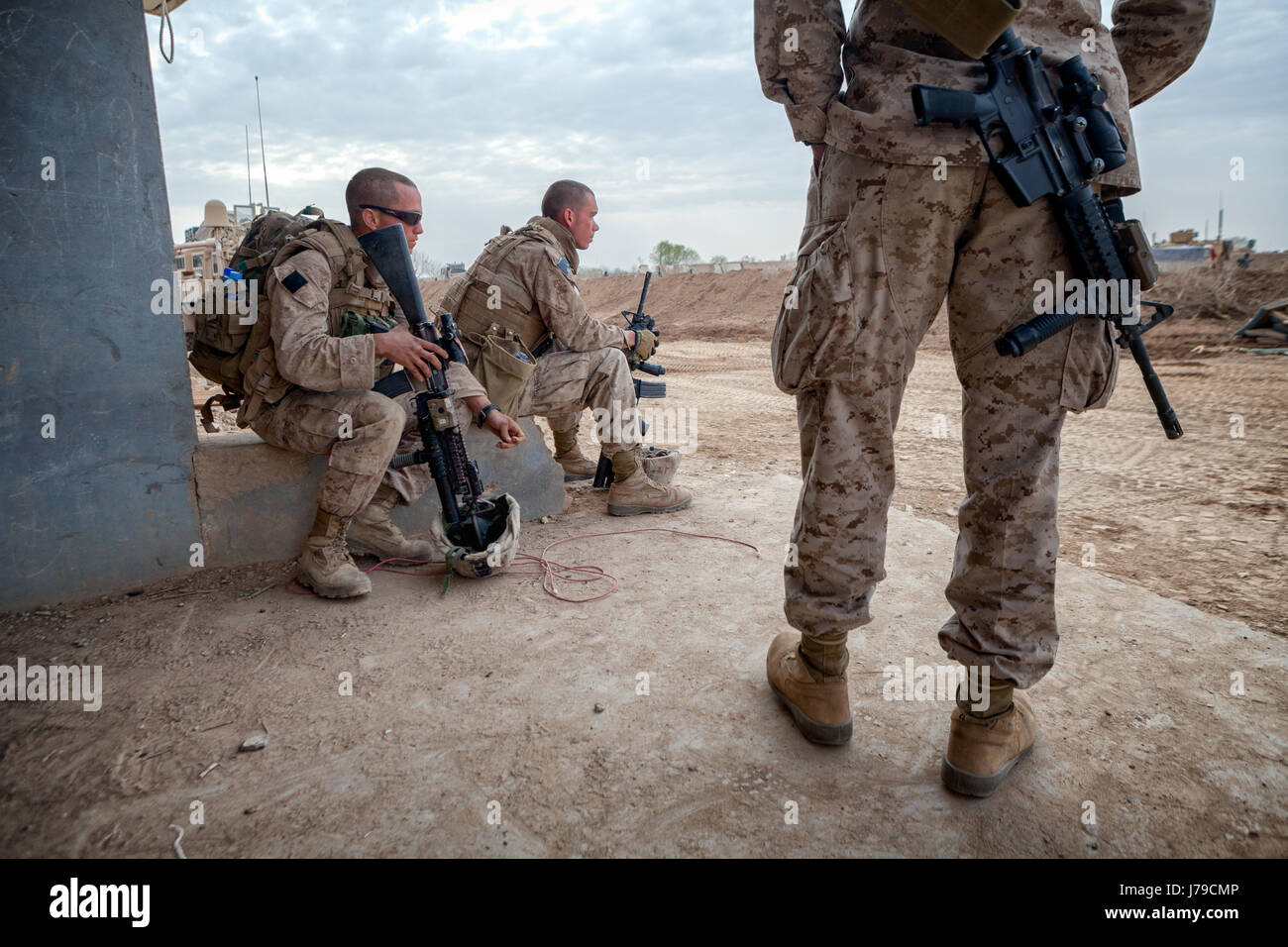
The term "Marjah Marines" refers specifically to the veterans of Operation Moshtarak, a major offensive launched in February 2010 in Helmand Province, Afghanistan. For many of these veterans, the transition to civilian life necessitated a new mission that mirrored the camaraderie and purpose of their military service. By 2026, this movement has matured into a sophisticated network of volunteers who view environmental stewardship as a natural extension of their oath to protect the nation.
Coastal conservation requires many of the same skills honed in the Marine Corps: precise navigation, heavy equipment operation, rapid problem-solving under physical duress, and a deep understanding of terrain. These volunteers do not merely "clean up beaches"; they engage in high-impact civil engineering and biological restoration projects that require significant technical expertise and physical stamina.
Primary Conservation Initiatives and Field Operations
The work performed by Marjah Marines coastal conservation volunteers is diverse, ranging from the restoration of degraded wetlands to the installation of sophisticated offshore structures. By 2026, their efforts have become integral to the resilience strategies of various coastal municipalities.
Shoreline Stabilization and Living Shorelines
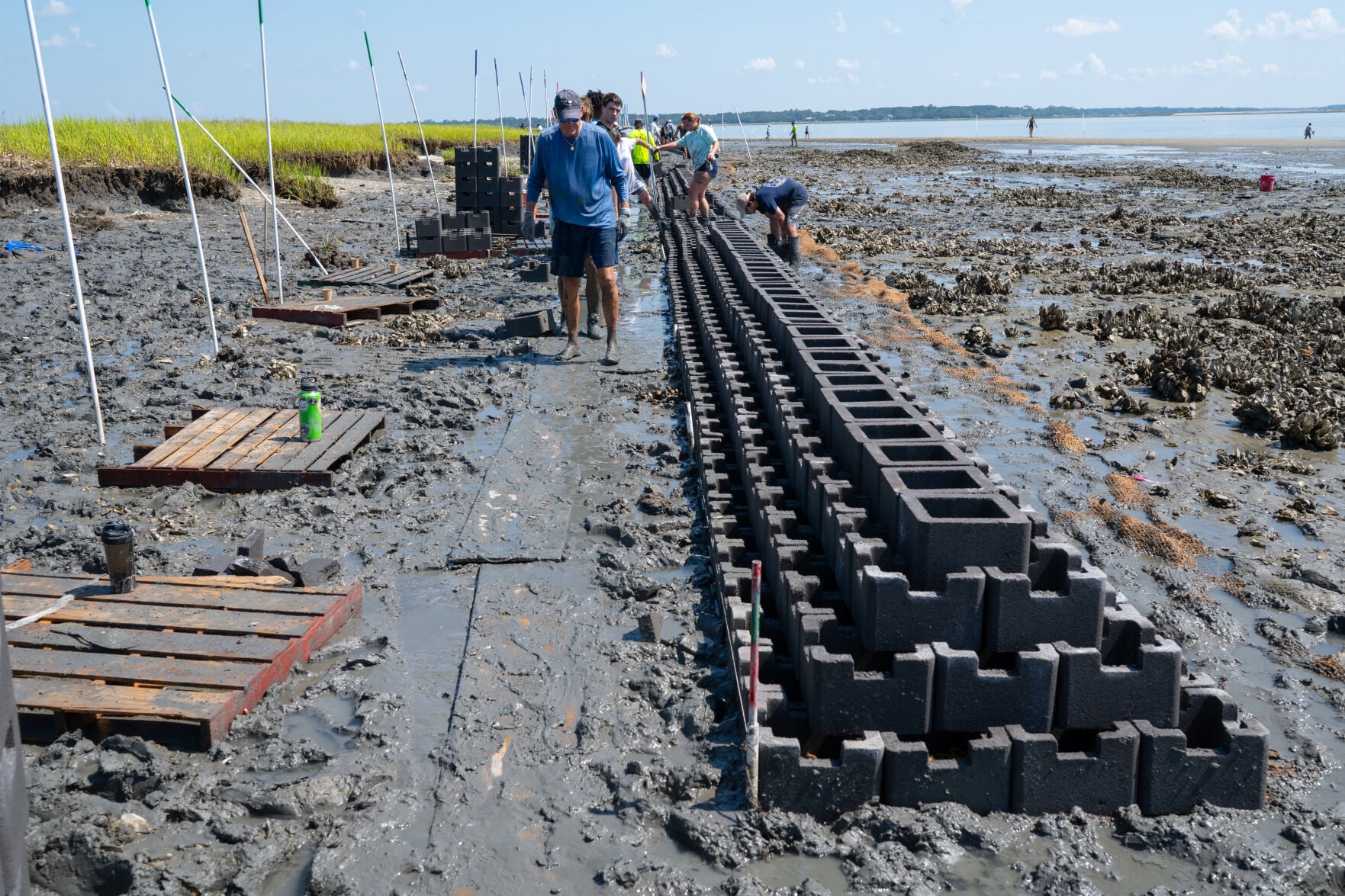
One of the core competencies of these volunteer groups is the construction of living shorelines. Unlike traditional bulkheads or sea walls—known as "hard armoring"—living shorelines use natural materials like plants, sand, and rock to provide shoreline protection while maintaining vital habitat.
Marjah Marines are frequently involved in:
- Oyster Reef Construction: Deploying recycled oyster shells or "reef balls" to create barriers that break wave energy and provide a substrate for new oyster growth.
- Marsh Grass Transplants: Hand-planting thousands of plugs of Spartina alterniflora (smooth cordgrass) to stabilize sediment and reduce nitrogen runoff.
- Dune Restoration: Rebuilding sand dunes using native vegetation like sea oats, which act as a primary defense against storm surges during hurricane seasons.
Marine Debris Management and Plastic Mitigation
While routine beach cleanups are common, Marjah Marine volunteers focus on "tactical debris removal." This involves extracting large-scale maritime hazards such as abandoned vessels, ghost nets, and industrial pollutants from sensitive estuaries. These operations often require the use of small-unit tactics to coordinate boat movements in shallow, difficult-to-navigate waters where traditional commercial salvage might be too costly or environmentally damaging.
The Therapeutic Impact of "Eco-Therapy" for Combat Veterans
The psychological component of these volunteer programs is as significant as the ecological impact. Many veterans of the Helmand campaigns returned with complex trauma or difficulties reintegrating into sedentary civilian roles. Coastal conservation offers a form of eco-therapy—a structured engagement with nature that promotes mental health.
Participation in these projects provides:
- Regenerative Purpose: The shift from a mission of "destruction" (combat) to one of "creation" (restoration) can be profoundly healing.
- Peer Support: Working alongside fellow Marjah veterans recreates the "unit cohesion" that is often missing in the civilian sector.
- Nature-Based Grounding: Studies in 2025 and 2026 have increasingly shown that "Blue Spaces" (environments near water) significantly lower cortisol levels and improve symptoms of Post-Traumatic Stress Disorder (PTSD).
Operational Logistics: How Military Experience Enhances Conservation
The efficiency of Marjah Marine volunteers stems from their ability to translate military occupational specialties (MOS) into conservation roles. A veteran who was an 1141 (Electrician) or a 1371 (Combat Engineer) brings immediate value to complex coastal infrastructure projects.
| Military Role / Skill | Conservation Application |
|---|---|
| Combat Engineering | Construction of reef structures, drainage systems, and erosion barriers. |
| Logistics & Supply | Managing the transport of tons of shell, stone, and flora to remote sites. |
| Small Boat Operations | Navigating estuaries and offshore sites for biological monitoring and planting. |
| Intelligence/Reconnaissance | Using GIS mapping and drone surveillance to track shoreline migration. |
| Leadership (NCOs) | Managing civilian volunteer groups and ensuring safety protocols are met. |
Current Projects and Geographic Focus Areas in 2026
As of 2026, Marjah Marines coastal conservation efforts are concentrated in regions where veterans often settle and where coastal vulnerability is highest.
- The Atlantic Southeast (North Carolina & Florida): Extensive work in the Outer Banks and the Florida Keys, focusing on mangrove restoration. Mangroves are critical for carbon sequestration and serve as nurseries for commercial fish species.
- The Gulf Coast: Collaborative projects involving the restoration of seagrass beds, which have been severely impacted by historical oil spills and increasing water temperatures.
- The Pacific Northwest: Efforts to restore salmon spawning habitats by removing invasive species and improving water quality in coastal tributaries.
These projects are often conducted in partnership with organizations like the National Oceanic and Atmospheric Administration (NOAA) and the U.S. Fish and Wildlife Service (USFWS), ensuring that the work is scientifically sound and legally compliant with the Clean Water Act and the Coastal Zone Management Act.
Getting Involved: Requirements and Participation
Joining these volunteer efforts is generally open to all veterans, though the "Marjah Marines" moniker is a badge of honor for the core organizers. The requirements for participation reflect the rigorous nature of the work.
Prerequisites and Eligibility
- Physical Fitness: Volunteers must be capable of working in humid, outdoor environments and lifting at least 50 pounds.
- Certifications: Depending on the project, volunteers may need SCUBA certification (specifically for reef work), Small Boat Operator licenses, or Pesticide Applicator licenses for invasive species management.
- Training: New volunteers typically undergo an orientation that covers local ecology, species identification, and safety protocols regarding local wildlife and tide changes.
How to Apply
Most groups operate as non-profit 501(c)(3) organizations. Potential volunteers should look for regional chapters of veteran-led conservation groups. Documentation of military service (DD-214) is usually required to access veteran-specific mental health resources or stipends that may be available through the Department of Veterans Affairs (VA) under "Vocational Rehabilitation" programs.
Challenges and Future Outlook for Veteran-Led Ecology
Despite the success of these programs, challenges remain. Funding for coastal restoration is often tied to federal grants, which can be cyclical. Furthermore, the rapid pace of sea-level rise means that some restoration efforts are a "race against time."
However, the outlook for 2027 and beyond is optimistic. The integration of Marjah Marines into the "Blue Economy" has proven that veterans are not just a group in need of help, but a formidable workforce capable of solving some of the most pressing environmental challenges of the decade. By 2026, several states have begun implementing tax incentives for non-profits that employ veterans in climate resilience roles, further solidifying the longevity of these initiatives.
FAQ
Are these conservation efforts only for Marjah veterans? No. While the movement was spearheaded by veterans of the Battle of Marjah, most groups welcome all veterans and, in many cases, civilian volunteers. The Marjah connection serves as the cultural core of the group’s leadership and operational style.
Does the government fund these Marjah Marine volunteer groups? Funding is typically a hybrid of federal grants (from agencies like NOAA or the EPA), private donations, and corporate sponsorships. Some projects may also be funded through legal settlements related to environmental damage (e.g., oil spill restoration funds).
What equipment do I need to bring to a volunteer event? Most organizations provide the necessary tools and safety gear (gloves, waders, life jackets). Volunteers are usually expected to provide their own sun protection, hydration, and sturdy outdoor footwear.
How do these projects help with climate change? By restoring mangroves, seagrasses, and salt marshes, these volunteers are helping to sequester carbon (often called "Blue Carbon"). Additionally, these habitats act as natural buffers, reducing the impact of storm surges and protecting inland infrastructure from rising sea levels.
Can I get school credit or professional certification through these programs? Many veteran conservation groups partner with universities to provide internships or course credit. Furthermore, the hands-on experience can lead to professional certifications in environmental science, coastal engineering, or commercial diving.
Practical Recommendation for Interested Volunteers
If you are a veteran or a supporter looking to join the Marjah Marines coastal conservation movement in 2026, start by identifying the specific ecological needs of your local coastline. Contact the Coastal Federation or the Surfrider Foundation to find veteran-led sub-chapters. Before your first field day, ensure your medical records are updated if you have service-connected injuries, as many organizations can provide modified duties to ensure all veterans can participate safely in the mission of protecting our shores.
Image Gallery