Comprehensive Guide to the AARP Life Insurance Beneficiary Designation Form
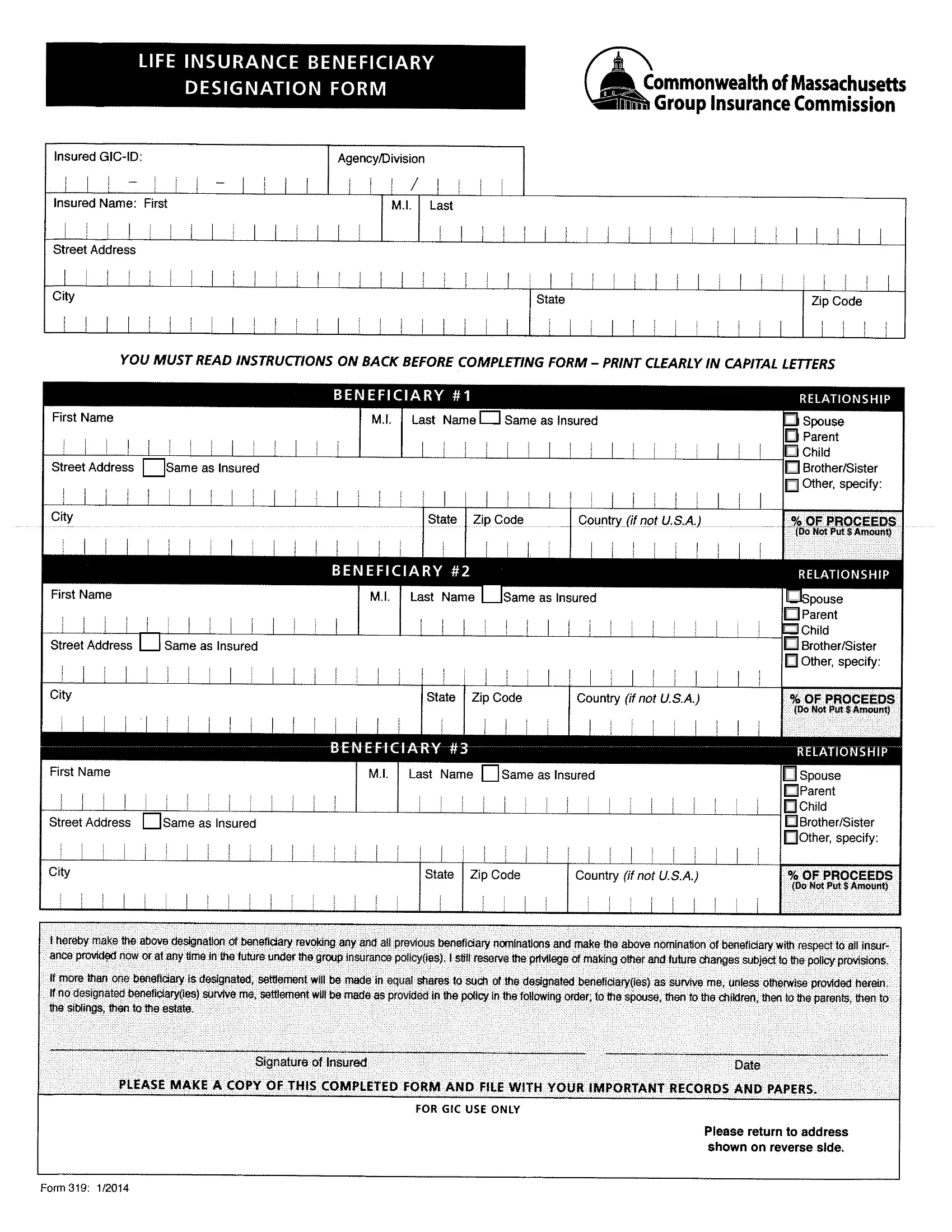
To update or establish who receives your policy proceeds, you must complete the AARP Life Insurance Beneficiary Designation Form (provided by New York Life). You can access this form through the New York Life AARP service portal, reque...
To update or establish who receives your policy proceeds, you must complete the AARP Life Insurance Beneficiary Designation Form (provided by New York Life). You can access this form through the New York Life AARP service portal, request it by mail, or complete it digitally. The form requires the full names, Social Security numbers, and birthdates of your chosen beneficiaries to ensure a smooth claim process.
Contents
The beneficiary designation form is arguably the most important document in your insurance file. While your policy establishes the amount of coverage, the designation form dictates exactly where that money goes, superseding most instructions left in a traditional will. As of 2026, the AARP Life Insurance Program, underwritten by New York Life Insurance Company, has streamlined this process to allow for faster updates, yet the legal requirements for accuracy remain as stringent as ever.
The Purpose of the Beneficiary Designation Form
The primary function of the benefits designation form is to provide "contractual certainty." Life insurance is a contract between the policyholder and the insurer. When the policyholder passes away, the insurer is legally obligated to pay the death benefit to the individuals or entities listed on the most recently validated form on file.
Many policyholders mistakenly believe that mentioning life insurance in a Last Will and Testament is sufficient. However, life insurance is a non-probate asset. This means the proceeds bypass the often lengthy and expensive court-supervised probate process, provided a valid beneficiary form is on file. If the form is outdated, missing, or improperly filled out, the funds may default to the "Estate," which triggers the very probate process most people seek to avoid.
When Should You Update Your AARP Beneficiary Form?
Life insurance is not a "set it and forget it" product. Financial experts recommend reviewing your designation at least once every twelve months or upon the occurrence of a major life event. In 2026, with the increasing complexity of blended families and digital estate planning, maintaining an accurate form is vital.
Significant Life Changes
- Marriage or Remarriage: If you have recently married, you likely want to add your spouse as a primary beneficiary.
- Divorce: In many jurisdictions, a divorce does not automatically remove an ex-spouse as a beneficiary. You must proactively submit a new form to change the designation.
- Birth or Adoption: Adding children or grandchildren ensures that the next generation is protected.
- Death of a Beneficiary: If a named beneficiary passes away before you, their share must be reallocated to avoid legal ambiguity.
- Changes in Trust Status: If you have established a living trust, you may want to designate the trust as the beneficiary rather than an individual.
Types of Beneficiary Designations
When filling out the AARP form, you will encounter different categories of beneficiaries. Understanding these distinctions is critical for ensuring your intent is executed correctly.
Primary vs. Contingent Beneficiaries
The Primary Beneficiary is the first in line to receive the death benefit. You can name one person or multiple people, and you must specify the percentage each should receive (totaling 100%).
The Contingent (or Secondary) Beneficiary acts as a safety net. They only receive the death benefit if all primary beneficiaries have passed away before the insured person. Naming a contingent beneficiary is a best practice that prevents the policy proceeds from falling into the estate.
Per Stirpes vs. Per Capita
These Latin terms carry significant weight in estate law and are often options on the AARP/New York Life forms:
- Per Stirpes: If a named beneficiary dies before you, their share of the benefit passes down to their own heirs (their children).
- Per Capita: If a named beneficiary dies before you, their share is redistributed among the remaining surviving beneficiaries listed on the form.
| Designation Type | Who Receives the Benefit? | Use Case |
|---|---|---|
| Primary | First person/entity in line. | Spouses, partners, or adult children. |
| Contingent | Second in line; only if Primary is deceased. | Back-up protection for the estate. |
| Revocable | Can be changed by the policyholder at any time. | Most standard AARP policies. |
| Irrevocable | Cannot be changed without beneficiary consent. | Often used in divorce decrees or business deals. |
| Trust | A legal entity managed by a trustee. | Managing funds for minors or tax planning. |
Step-by-Step Instructions for Completing the Form
As of 2026, the AARP Life Insurance Program provides two main pathways for submitting a beneficiary designation form.
Option 1: Online Submission (Recommended)
- Access the Portal: Log into the New York Life AARP Service Center.
- Navigate to Policy Details: Locate the specific life insurance policy you wish to update.
- Select "Change Beneficiary": This will launch a digital version of the form.
- Enter Beneficiary Information: You will need the full legal name, Social Security Number (SSN), date of birth, and relationship to the insured for each individual.
- Assign Percentages: Ensure the total for the primary section equals 100%. Repeat for the contingent section.
- E-Signature: Verify your identity through the multi-factor authentication (MFA) used by New York Life and sign the document digitally.
Option 2: Paper Form Submission
- Download the Form: If you prefer paper, download the "Beneficiary Change Form" PDF from the AARP/New York Life website or call 1-800-607-3450 to have one mailed to you.
- Use Black Ink: For scanning clarity, insurers prefer black ink and block lettering.
- Avoid White-Out: If you make a mistake, it is better to start a new form. Corrections with white-out can sometimes lead to the form being rejected due to concerns over fraudulent alterations.
- Mail to the Administrator: Send the completed and signed form to: New York Life Insurance Company AARP Operations P.O. Box 30711 Tampa, FL 33630-3711
Technical and Legal Considerations
Community Property States
If you live in a community property state (Arizona, California, Idaho, Louisiana, Nevada, New Mexico, Texas, Washington, or Wisconsin), your spouse may have a legal right to a portion of the life insurance proceeds, regardless of who you name on the form. In these states, if you name someone other than your spouse as a primary beneficiary, the insurer may require the spouse to sign a "spousal consent" section on the form to waive their rights to the community property interest.
Naming Minors as Beneficiaries
It is generally discouraged to name a minor child directly on the beneficiary form. Insurance companies cannot legally pay large sums of money directly to minors. If a minor is named without a legal guardian or trust in place, the court will appoint a guardian ad litem to manage the funds until the child reaches the age of majority (18 or 21, depending on the state). This process is expensive and time-consuming. Instead, consider naming a Uniform Transfers to Minors Act (UTMA) custodian or a formal trust.
Social Security Numbers
While some forms state that Social Security Numbers are "optional," providing them is highly recommended. The SSN is the most reliable way for New York Life to track down a beneficiary and verify their identity during the claims process. Without it, the payout could be delayed significantly while the insurer performs a search via the National Association of Insurance Commissioners (NAIC) Life Insurance Policy Locator.
Common Mistakes to Avoid
- Vague Designations: Never use phrases like "my children" or "my heirs." List every individual by their full legal name. Vague terms lead to legal disputes and delayed payouts.
- Mismatched Percentages: Ensure your primary beneficiaries' shares add up to exactly 100%. If the math is off, the form will be sent back for correction, leaving your policy in a state of limbo.
- Forgetting the "Safety Net": Many people name a spouse as primary but leave the contingent section blank. If both spouses perish in a common accident, the lack of a contingent beneficiary forces the money into probate.
- Neglecting to Inform Beneficiaries: While you aren't legally required to tell someone they are a beneficiary, it is practical. They should know that an AARP policy exists and where to find the contact information for New York Life.
Frequently Asked Questions
Can I name a charity as my AARP life insurance beneficiary?
Yes. You can designate a registered 501(c)(3) non-profit organization as a beneficiary. You will need the charity's full legal name and its Federal Tax ID number (EIN). This is a common way to leave a legacy while potentially providing estate tax benefits.
How long does it take for the beneficiary change to be processed?
Digital submissions through the New York Life portal are usually processed within 3 to 5 business days. Paper forms mailed to the Tampa processing center may take 10 to 15 business days depending on mail transit times and current volume. You should receive a confirmation letter or email once the change is active.
Does the AARP beneficiary form require a notary?
For standard beneficiary changes, a notary signature is typically not required. However, if you are making changes to an irrevocable designation or if there are specific legal disputes surrounding the policy, New York Life may request a notarized signature or a Medallion Signature Guarantee.
What happens if I don't have a beneficiary form on file?
If no valid form is on file at the time of the insured's death, the policy proceeds are paid according to the "standard order of precedence" defined in the policy contract. Usually, this means the benefit goes to the surviving spouse, then surviving children, then parents, and finally the estate. Relying on this default order can lead to unintended recipients getting the funds.
Can I change my beneficiary if I have a power of attorney (POA)?
A person holding a Power of Attorney can only change a beneficiary if the POA document specifically grants the authority to "conduct insurance transactions" or "change beneficiary designations." New York Life will require a full copy of the POA document for legal review before accepting the change.
Final Recommendation
To ensure your loved ones are protected without delay, log into your AARP Life Insurance account today to verify your current designations. If you find the information is outdated or missing Social Security Numbers, use the digital portal to submit a new benefits designation form immediately. Keeping this document current is the single most effective way to guarantee that your life insurance serves its intended purpose: providing immediate financial security to your family.
Image Gallery