Understanding Vehicle Registration Renewal in 2026: A Complete Compliance Guide
Vehicle registration renewal is the mandatory administrative process of updating your vehicle's active status with your state’s Department of Motor Vehicles (DMV), Department of Transportation (DOT), or Motor Vehicle Division (MVD). In...
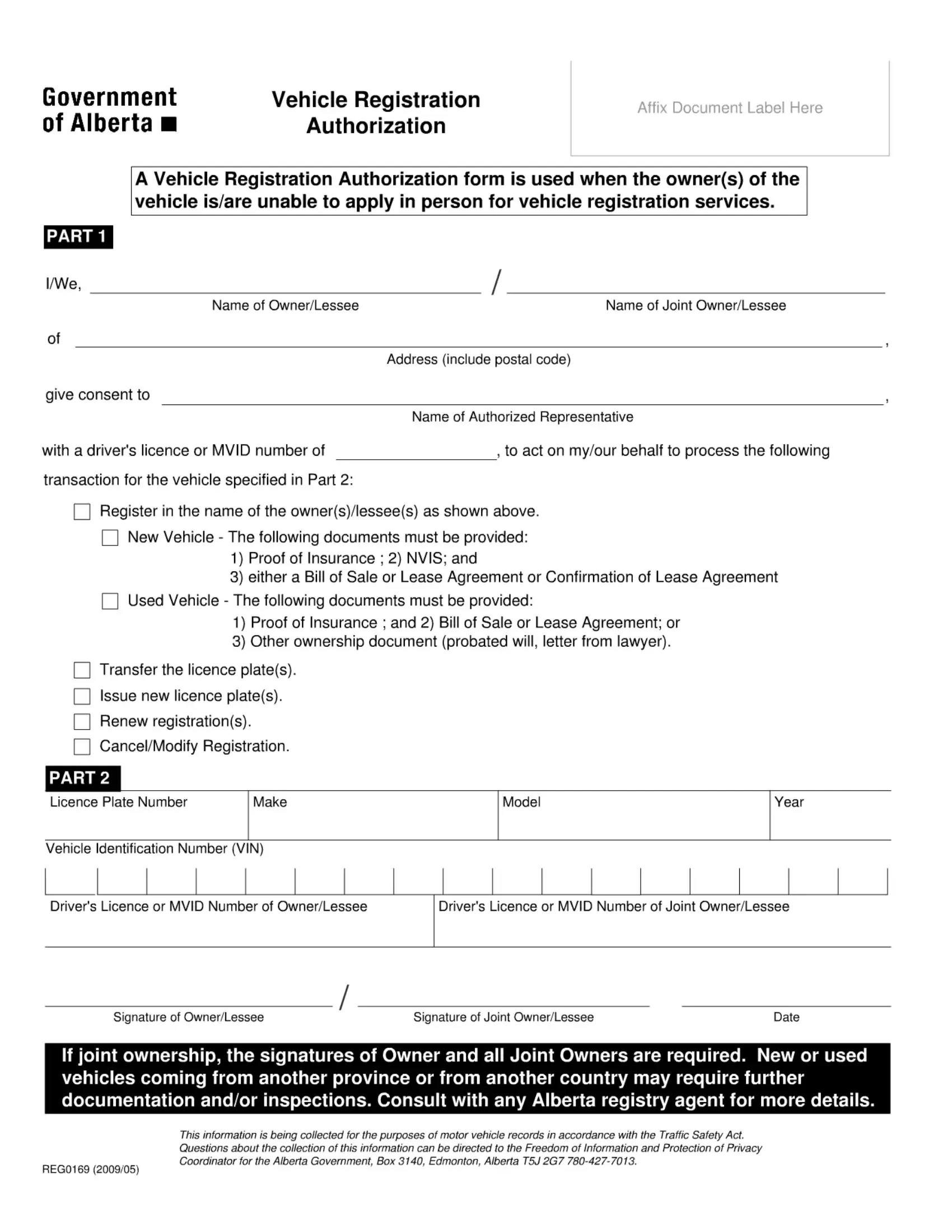
Vehicle registration renewal is the mandatory administrative process of updating your vehicle's active status with your state’s Department of Motor Vehicles (DMV), Department of Transportation (DOT), or Motor Vehicle Division (MVD). In 2026, this process serves as a critical bridge between legal ownership and the lawful operation of a motor vehicle on public roadways. It is not merely a fee-collection exercise; it is a regulatory checkpoint that ensures every vehicle on the road meets current safety, environmental, and insurance standards.
Contents
When you renew your registration, you are essentially extending the state’s permission to use public infrastructure. This process typically results in the issuance of a new digital or physical validation decal (sticker) for your license plate, an updated registration card, or, in many forward-thinking jurisdictions in 2026, a refreshed encrypted e-certificate stored in your digital vehicle wallet. Failure to complete this process leads to the expiration of your legal "tags," which carries significant financial and legal consequences, ranging from standard traffic citations to vehicle impoundment.
The Core Components of Registration Renewal in 2026
In the 2026 regulatory environment, the definition of registration renewal has expanded to include several integrated compliance checks. To understand what registration renewal is, one must understand the three pillars that support it:
- Legal Authorization: This is the primary function. The state verifies that the person seeking renewal is the rightful owner or authorized lessee and that there are no active legal "stops" or "holds" on the vehicle’s title, such as unpaid child support, outstanding parking tickets, or unresolved toll violations.
- Safety and Environmental Certification: For 2026 model year vehicles and older, registration renewal often triggers a requirement for a safety inspection or an emissions test. With the 2026 standards focusing heavily on reducing carbon footprints, even hybrid and older internal combustion engine (ICE) vehicles must pass more stringent OBD-III (On-Board Diagnostics) checks to qualify for renewal.
- Fiscal Contribution: Registration fees are a primary source of funding for road maintenance, bridge repairs, and the expansion of the national electric vehicle (EV) charging grid. In 2026, these fees are often tiered based on vehicle weight, fuel type, and carbon emission ratings.
The Distinction Between Title and Registration
It is a common misconception that vehicle registration is the same as vehicle titling. While they are related, they serve entirely different purposes. A vehicle title is a legal document proving ownership; it typically only changes hands when the vehicle is bought or sold. Registration, conversely, is a recurring requirement (usually annual or biennial) that grants the owner the right to operate that vehicle on public streets. You can own a vehicle (Title) without having it registered, but you cannot legally drive it.
Mandatory Requirements for Renewal in 2026
To successfully complete a vehicle registration renewal in 2026, owners must meet a specific set of criteria. These requirements have become increasingly digitized, with many states utilizing real-time data sharing between insurance companies, inspection stations, and the DMV.
Proof of Financial Responsibility (Insurance)
In 2026, "Real-Time Insurance Verification" (RTIV) is the industry standard. Most states no longer require you to upload a PDF of your insurance card. Instead, the DMV database communicates directly with carriers like State Farm, GEICO, or Progressive to confirm that your policy meets the state-mandated minimum liability coverage. If your policy has lapsed for even twenty-four hours, the renewal system will automatically block your application.
Inspection and Emissions Compliance
With the 2026 Global Emissions Framework in effect, many regions require vehicles to undergo an "Emissions and Safety Screening" within 60 to 90 days of the registration expiration date.
Expert Insight on 2026 Inspection Standards
The OBD-III Integration Most vehicles manufactured after 2018 now utilize advanced telematics that can transmit emissions data directly to state agencies. This means that for many owners in 2026, the "inspection" phase of registration renewal happens autonomously without a visit to a physical station.
Safety Requirements for Autonomous Features If your vehicle is equipped with Level 3 or higher autonomous driving features, the 2026 renewal process may require a certified "Sensor Calibration Check" to ensure that the Advanced Driver Assistance Systems (ADAS) are functioning within federal safety parameters.
Identification and Residency
You must provide a valid form of identification, typically a REAL ID-compliant driver’s license. Furthermore, if you have moved since your last renewal, you must update your address with the DMV at least 30 days prior to renewal to ensure your new registration documents or digital keys are sent to the correct location.
A Comparative Analysis of Renewal Methods in 2026
Vehicle owners in 2026 have multiple channels through which they can renew their registration. Each method has distinct advantages and turnaround times.
| Renewal Method | Typical Processing Time | Convenience Level | Documentation Required | Best For |
|---|---|---|---|---|
| Mobile DMV App | Instant (Digital) / 3-5 Days (Physical) | Highest | Biometric Login / E-Insurance | Tech-savvy users wanting instant digital tags. |
| Automated DMV Kiosk | Instant | High | Renewal Notice / Credit Card | Users needing physical stickers immediately without an appointment. |
| Online Portal | 3-10 Business Days | High | License Plate / VIN | Standard renewals with physical mail-out requirements. |
| Mail-In Service | 14-21 Business Days | Low | Paper Check / Renewal Form | Users in rural areas or those preferring traditional paper trails. |
| In-Person Office | Same Day (With Appointment) | Lowest | Physical ID / Printed Proofs | Complex cases involving title transfers or name changes. |
The Financial Realities: Fees and Surcharges in 2026
The cost of vehicle registration renewal in 2026 is no longer a flat fee in most jurisdictions. State governments have moved toward a value-based and usage-based fee structure to compensate for the loss of gasoline tax revenue due to the mass adoption of electric vehicles.
- Base Registration Fee: A standard fee ranging from $40 to $120 depending on the state.
- EV/Alternative Fuel Surcharge: Since EVs do not pay fuel taxes at the pump, most states in 2026 apply an "Infrastructure Maintenance Fee" ranging from $150 to $300 annually for electric vehicles.
- Weight-Based Fees: Heavier vehicles, such as full-sized electric SUVs and commercial trucks, pay higher fees due to the increased wear and tear they cause on road surfaces.
- Technology & Digital Plate Fees: If your vehicle is equipped with a digital license plate (an e-ink screen that replaces metal), there is often a monthly or annual connectivity fee associated with the registration.
- Local/County Taxes: Many municipalities add "Transportation District" surcharges to fund local public transit projects.
Step-by-Step Guide to Renewing Your Registration
Navigating the 2026 renewal process is straightforward if you follow a structured sequence.
- Monitor Your Renewal Window: Most states send a renewal notice 60 to 90 days before expiration. In 2026, these are typically delivered via push notification on your state’s mobile app or via encrypted email.
- Clear Outstanding Liabilities: Check for any "flags" on your account. This includes unpaid tolls, parking fines, or red-light camera violations. These must be paid in full before the system will unlock the renewal portal.
- Complete Necessary Inspections: If your vehicle requires a physical inspection, visit a certified station. Ensure the technician uploads the results to the state’s cloud server immediately.
- Verify Insurance Status: Open your insurance provider's app to ensure your policy is active and the VIN matches your registration exactly.
- Select Your Renewal Channel: Log into your state's portal or app. Choose whether you want a traditional metal plate sticker or a digital update to your e-ink plate and mobile wallet.
- Submit Payment: Pay the calculated fees using a secure method. In 2026, most DMV portals accept major credit cards, digital wallets (Apple Pay/Google Pay), and even verified stablecoins in certain progressive jurisdictions.
- Confirm Receipt: Once the transaction is complete, you will receive a temporary digital registration permit. Keep this in your vehicle’s digital interface until the physical stickers arrive, or until your digital plate reflects the new expiration year.
Penalties and Risks of Expired Registration
Operating a vehicle with an expired registration in 2026 is riskier than in previous years due to the widespread deployment of Automated License Plate Readers (ALPR) and AI-driven traffic enforcement.
Legal Consequences of Non-Compliance
Traffic Citations and Fines Police cruisers equipped with ALPR technology can scan hundreds of plates per minute. An expired registration triggers an immediate alert, often leading to a non-moving violation fine that can range from $150 to $500 depending on how long the registration has been lapsed.
Insurance Complications If you are involved in an accident while driving an unregistered vehicle, your insurance carrier may have grounds to deny certain claims. Many 2026 policies contain clauses requiring the vehicle to be "legally registered and roadworthy" for full coverage to apply.
Vehicle Impoundment In many states, if a registration is more than 6 months expired, law enforcement has the statutory authority to impound the vehicle on the spot. Reclaiming an impounded vehicle requires paying the original renewal fees, late penalties, towing fees, and daily storage rates, which can easily exceed $1,000.
Troubleshooting Common Renewal Issues
Even with a digitized system, complications can arise during the 2026 renewal cycle.
- Missing Renewal Notice: If you did not receive a notice, it is still your legal responsibility to renew on time. You can look up your expiration date on any state DMV website using your VIN and License Plate number.
- Failed Emissions Test: If your vehicle fails, you are typically granted a 15-day "Repair Waiver" or a temporary extension. You must have the vehicle repaired and re-tested before the final registration can be issued.
- Out-of-State Renewals: If you are a student or a military member stationed away from your home state, most 2026 systems allow for a "Foreign State Inspection Affidavit." This allows you to use an inspection from your current location to satisfy your home state’s requirements.
- Name or Address Discrepancies: If your insurance is in a maiden name but your registration is in a married name, the automated verification system will fail. These issues generally require a "Manual Review" which can be initiated via a support ticket within the DMV app.
FAQs for Vehicle Registration Renewal
How long do I have to renew my registration after it expires?
In most states, there is zero "grace period" for the legality of driving the vehicle; you can be ticketed the very first day it is expired. However, most DMVs provide a 30-day window before they begin charging late administrative fees. It is highly recommended to renew at least two weeks before the end of your birth month or assigned renewal month to avoid any gap in legal status.
Can I renew my vehicle registration if I have unpaid parking tickets?
No, in 2026, virtually all state DMV systems are integrated with municipal court records. Any "Registration Hold" placed by a city for unpaid parking fines, toll evasions, or even certain delinquent taxes must be cleared and the "Release of Hold" must be electronically transmitted to the DMV before your renewal can proceed.
What is a "Digital Registration" and is it mandatory?
Digital registration refers to the storage of your vehicle’s legal status in a secure, state-issued mobile wallet or on an e-ink digital license plate. While many states are making this the default for 2026, it is not yet universally mandatory. Most jurisdictions still offer traditional paper cards and metal plate stickers for those who prefer them or for those traveling into states that do not yet recognize digital-only credentials.
Do I need a smog check for my electric vehicle in 2026?
No, electric vehicles (EVs) are exempt from smog and emissions testing because they do not have an exhaust system. However, in 2026, some states have implemented a "Battery Safety and High-Voltage Integrity Check" for EVs over five years old as part of the registration renewal process to ensure the vehicle remains safe for public use.
What should I do if I lost my registration sticker?
If you have successfully renewed but your physical sticker was lost in the mail or stolen, you must apply for a "Replacement Decal." In 2026, this can be done instantly through a DMV kiosk or app for a small nominal fee (usually $5–$15). You will be issued a temporary digital permit to show law enforcement while the new physical sticker is dispatched.
Maintaining an active vehicle registration is a fundamental responsibility for every driver in 2026. By staying ahead of the deadlines and ensuring your vehicle meets the latest safety and environmental standards, you contribute to a safer, more efficient transportation network for everyone.
Image Gallery