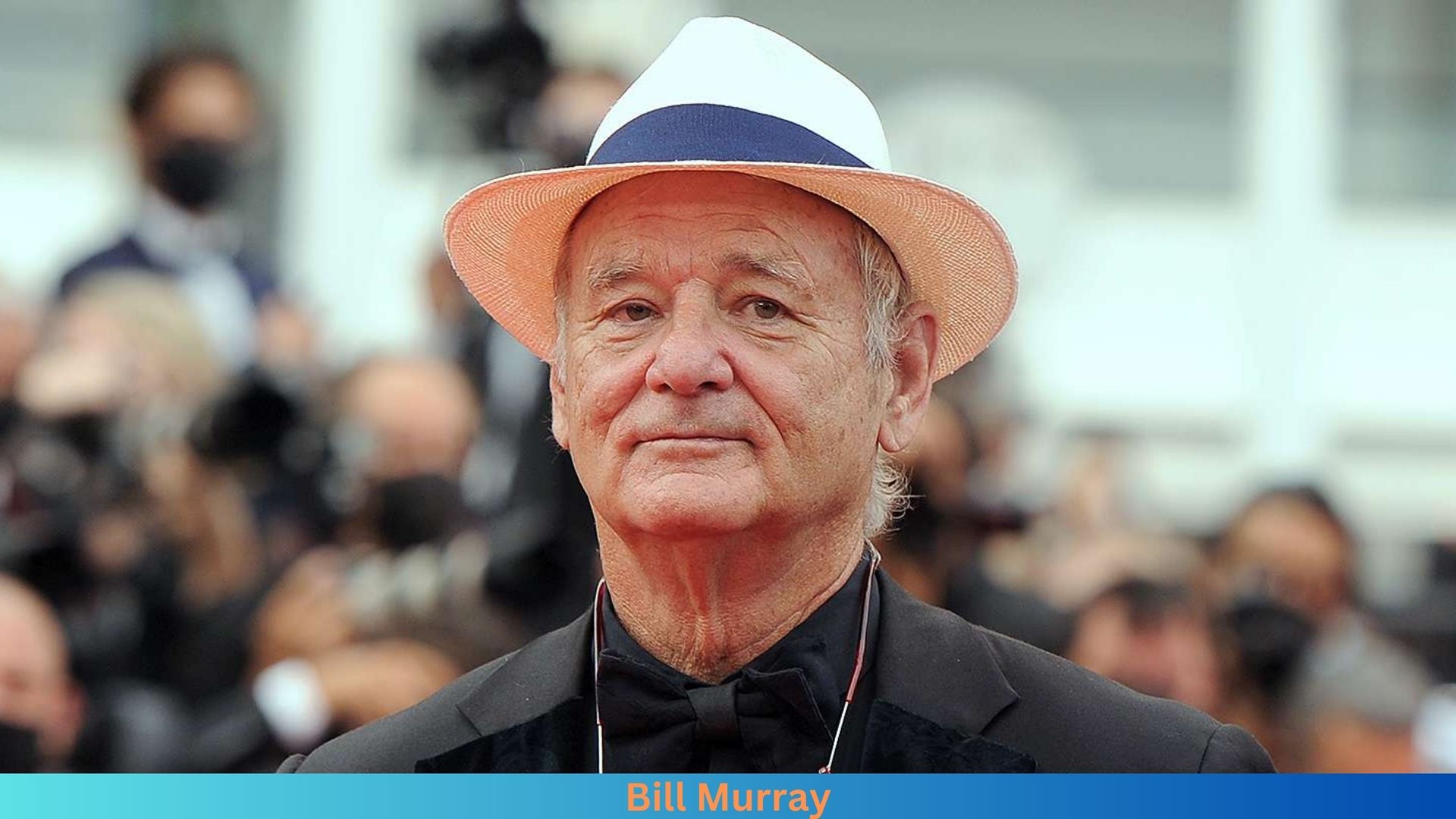
The Role of Bill Murray in Public Health: Cultural Impact, Advocacy, and Philanthropy
Bill Murray’s role in public health spans cultural health education, public health crisis advocacy, and sustained healthcare philanthropy. While not a medical professional, Murray has influenced public health through his educational po...
Bill Murray’s role in public health spans cultural health education, public health crisis advocacy, and sustained healthcare philanthropy. While not a medical professional, Murray has influenced public health through his educational portrayal of human pathobiology in Osmosis Jones, active participation in COVID-19 safety messaging, and extensive fundraising for pediatric and community healthcare foundations.
Contents
Clarifying the Subject: Cultural Icon vs. Academic Health Researchers
When analyzing the intersection of Bill Murray and public health, it is essential to distinguish between cultural figures and academic researchers sharing similar names. In public health literature and global health metrics, the name Murray is most prominently associated with Dr. Christopher J.L. Murray, Director of the Institute for Health Metrics and Evaluation (IHME) at the University of Washington, who co-created the Global Burden of Disease (GBD) study.
Conversely, the American actor and comedian Bill Murray (William James Murray) contributes to public health through non-clinical, high-impact avenues: health literacy pedagogy, crisis communication, and philanthropic capital allocation.
Public health extends beyond clinical interventions and statistical modeling; it encompasses health communication, public compliance, risk perception, and community funding. Within these behavioral and educational domains, Bill Murray has occupied a surprisingly durable niche over several decades.
BILL MURRAY'S PUBLIC HEALTH FOOTHOLDS
- Media & Health Literacy: "Osmosis Jones" Pedagogical Tool
- Crisis Communication: COVID-19 PSA & Mask Awareness
- Healthcare Philanthropy: Golf Tournaments & Hospital Funds
Osmosis Jones and Visual Health Literacy
One of Bill Murray’s most notable indirect contributions to public health education is his live-action performance as Frank Detorre in the 2001 film Osmosis Jones. Directed by Peter and Bobby Farrelly, the film blends live-action scenes with animation to depict the internal biological mechanisms of the human body fighting off a lethal pathogen.
While designed as commercial entertainment, Osmosis Jones became an unexpected staple in middle school, high school, and introductory undergraduate health and biology curricula across North America.
Pedagogical Value in Pathobiology and Hygiene
In the film, Murray plays an unhealthy zookeeper whose poor personal hygiene, compromised diet, and neglect of basic sanitation lead to ingestion of a deadly bacterium (Thrax). His live-action scenes illustrate the macro-level behavioral risk factors that directly trigger micro-level physiological crises.
- Immune System Visualisation: The animated sequences inside Frank's body depict white blood cells (leukocytes), cellular transport, the blood-brain barrier, and inflammatory responses in an accessible format.
- Epidemiological Risk Behaviors: Murray’s character serves as a case study in compromised host susceptibility, highlighting how stress, poor nutrition, lack of exercise, and food hygiene failures weaken innate immunity.
- Symptom Recognition vs. Etiology: The narrative contrasts palliative symptom suppression (e.g., taking cold medication) with actual targeted immune responses against pathogens.
Educators use the film to improve health literacy—defined by the U.S. Department of Health and Human Services as the degree to which individuals have the capacity to obtain, process, and understand basic health information needed to make appropriate health decisions. By visualizing cellular mechanisms through a relatable, flawed human host, the movie helps students grasp how personal hygiene decisions impact systemic biological health.
COVID-19 Public Awareness and Regional Crisis Response
During the height of the COVID-19 pandemic, public health agencies faced unprecedented challenges in message fatigue, skepticism, and non-compliance with infection control measures. Public health communicators frequently enlisted trusted cultural figures to bridge the gap between scientific consensus and community practice.
Bill Murray engaged in localized public health advocacy, particularly within South Carolina, where he resides part-time and holds co-ownership in regional sports and hospitality ventures.
Public Service Announcements (PSAs) and Mask Advocacy
In mid-2020, Murray partnered with local government entities and health coalitions in Charleston, South Carolina, to produce public service announcements encouraging mask compliance, social distancing, and support for local businesses adhering to safety protocols.
- Framing Mask Compliance as Civic Duty: Rather than relying on technical medical jargon, Murray’s public messaging emphasized civic responsibility, neighborly courtesy, and protecting vulnerable community members.
- Addressing Message Resistance: Behavioral science demonstrates that non-clinical influencers can sometimes bypass political or ideological resistance to health mandates. Murray’s neutral, humorous, and universally recognizable persona allowed safety recommendations to reach demographics resistant to institutional messaging.
- Support for Frontline Healthcare Workers: Beyond public PSAs, Murray participated in morale-boosting initiatives for local hospital staff, highlighting the strain on emergency medical services and advocating for resource allocation to regional healthcare facilities.
Healthcare Philanthropy and Foundation Support
Philanthropy represents a structural contribution to public health, directly supplying funds to medical research, pediatric care facilities, and emergency services. Through high-profile charity events and direct personal contributions, Murray has consistently raised capital for healthcare institutions.
The Murray Bros. Caddyshack Charity Golf Tournament
Founded by Bill Murray and his brothers, the annual Murray Bros. Caddyshack Charity Golf Tournament has raised millions of dollars for healthcare non-profits. Primary beneficiaries of these public health and medical initiatives include:
- Firefighter Cancer Support Network (FCSN): Providing awareness, timely screening education, and support resources for firefighters facing occupational cancer risks.
- Pediatric Medical Foundations: Direct funding for pediatric surgical units, specialized care facilities, and family support systems during long-term pediatric hospitalizations.
- Regional Healthcare Systems: Allocation of event proceeds to emergency response systems and community health initiatives in target event regions.
By pairing entertainment with charitable fundraising, these events direct private capital toward systemic healthcare gaps, particularly in patient support services and specialized medical equipment procurement.
Comparative Overview of Bill Murray's Public Health Contributions
The table below outlines the core domains, public health categories, key mechanisms, and target outcomes of Bill Murray's public health involvement:
| Public Health Domain | Category | Core Mechanism / Action | Primary Public Health Outcome |
|---|---|---|---|
| Health Literacy & Education | Pop Culture Pedagogy | Depiction of host susceptibility and hygiene in Osmosis Jones | Improved understanding of cellular immunity and hygiene practices among students |
| Epidemic Crisis Response | Risk Communication | Regional PSAs for mask-wearing and virus containment | Reduced message fatigue; increased adherence to safety guidelines in targeted regions |
| Occupational Health Funding | Philanthropy & Prevention | Fundraising for the Firefighter Cancer Support Network | Enhanced cancer screening awareness and support for high-risk emergency responders |
| Pediatric Healthcare Support | Medical Foundation Support | Direct donation and charity tournament proceeds to children's hospitals | Provision of medical equipment and family assistance funds for pediatric care |
| Community Mental Health | Public Morale & Wellness | High-visibility morale campaigns for frontline medical staff | Mitigated burnout and reinforced social recognition for essential healthcare personnel |
The Strategic Value of Celebrity Advocates in Risk Communication
Public health communication relies heavily on trust dynamics. The field of health communication, studied extensively by institutions like the World Health Organization, underscores that message delivery is often as critical as message content.
Traditional Public Health Pipeline:
- Epidemiological Data
- Institutional Mandate
- Public Resistance
Celebrity-Mediated Pipeline:
- Epidemiological Data
- Cultural Translation
- Behavior Change / Action
Behavioral Science and Non-Clinical Influencers
When health organizations communicate risk, the public evaluates messages based on perceived competence, benevolence, and authenticity. Non-clinical advocates like Bill Murray offer distinct advantages in risk communication strategy:
- Bypassing Institutional Skepticism: Populations suspicious of government bodies or pharmaceutical entities often respond more favorably to cultural figures who lack institutional affiliations.
- Simplifying Complex Guidance: Complex epidemiological models can paralyze public decision-making. Accessible figures reduce cognitive load by translating guidance into actionable daily habits.
- Normalizing Preventive Behaviors: When prominent public figures visibly practice preventive behaviors (such as wearing masks or getting vaccinated), it creates a positive social norm, accelerating broad adoption.
However, health communication experts emphasize that celebrity advocacy must complement—rather than replace—rigorous scientific communication. While celebrities can generate awareness and reduce friction, clear guidance from accredited medical professionals remains necessary for clinical compliance.
Frequently Asked Questions
Is Bill Murray a public health professional or medical doctor?
No. Bill Murray is an American actor, comedian, and philanthropist. His involvement in public health occurs through health literacy media, public service announcements, risk communication advocacy, and healthcare charity fundraising.
How is the movie Osmosis Jones used in public health and biology education?
Osmosis Jones is used by educators to illustrate complex biological concepts such as immune responses, white blood cell activity, pathogen transmission, and cellular function. It also serves as a practical case study in how personal hygiene, diet, and lifestyle habits impact human host susceptibility to disease.
Did Bill Murray participate in official COVID-19 public health campaigns?
Yes. Bill Murray participated in localized public service campaigns, notably in South Carolina, advocating for mask usage, social distancing, and adherence to safety protocols to protect community health and prevent local hospital overload.
What healthcare charities does Bill Murray support?
Through initiatives like the Murray Bros. Caddyshack Charity Golf Tournament and private philanthropy, Murray has raised funds for organizations such as the Firefighter Cancer Support Network, pediatric healthcare funds, and regional community medical centers.
How does celebrity endorsement impact public health outcomes?
Celebrity endorsements assist public health by increasing message reach, breaking through information fatigue, reducing ideological resistance, and establishing positive social norms around preventive health practices like vaccination, screening, and hygiene.
Recommendations for Health Communicators and Educators
For public health professionals, educators, and campaign planners looking to leverage media and public figures for health promotion, the following evidence-based steps are recommended:
- Integrate Media Tools into Health Literacy Curricula: Utilize accessible pop-culture media (such as clips from Osmosis Jones) to explain basic immunological and epidemiological concepts to non-technical audiences.
- Deploy Culturally Relevant Advocates: When designing public health campaigns, partner with respected, non-polarized figures who reflect local community values to deliver sensitive risk communication.
- Balance Cultural Appeal with Scientific Accuracy: Ensure all public health messages delivered by non-clinical spokespersons are vetted by public health agencies to prevent the spread of inaccurate medical information.
- Target Philanthropic Efforts toward Structural Gaps: Focus charity initiatives on underserved areas of public health, such as occupational hazard screenings for first responders and pediatric family support programs.
Image Gallery