Who Can Teach Islam in Schools: Qualifications, Legal Requirements, and Career Paths
The eligibility to teach Islam in schools depends primarily on the type of institution—public, private, or faith-based—and the specific jurisdiction’s educational laws. Generally, a candidate must possess a bachelor’s degree in Educati...
The eligibility to teach Islam in schools depends primarily on the type of institution—public, private, or faith-based—and the specific jurisdiction’s educational laws. Generally, a candidate must possess a bachelor’s degree in Education or Islamic Studies, alongside a state-recognized teaching license or certification. In faith-based Islamic schools, additional theological credentials such as an Alim/Alimah degree are often required to ensure doctrinal accuracy.
Contents
As of 2026, the landscape of religious education continues to evolve, emphasizing a balance between academic rigor, pedagogical skill, and cultural competency. Whether you are an aspiring educator or a school administrator, understanding the specific prerequisites is essential for compliance and educational quality.
Understanding the Educational Context
The question of "who can teach" cannot be answered without first defining the environment. The requirements for a public secular school are vastly different from those of an Islamic parochial school or an after-school madrasah.
Public and Secular Schools
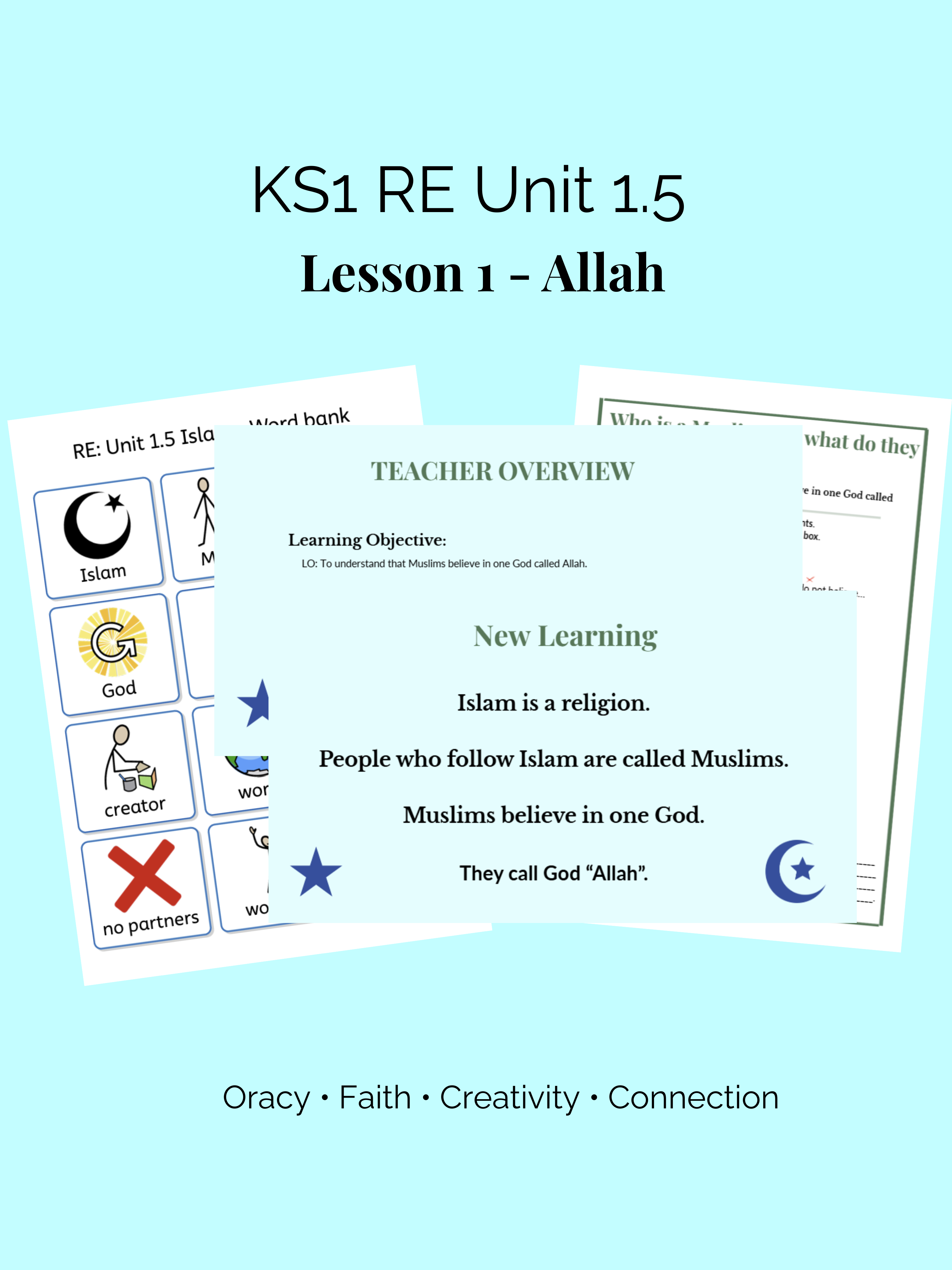
In most Western nations, such as the United Kingdom, the United States, and Canada, public schools do not "teach" Islam as a matter of faith (proselytization). Instead, they teach about Islam within the framework of Religious Education (RE), World Religions, or Social Studies.
In this context, the teacher does not necessarily need to be a practicing Muslim. The primary requirement is a professional teaching qualification. For example, in the UK, a teacher must have Qualified Teacher Status (QTS), usually obtained through a Postgraduate Certificate in Education (PGCE). The focus is on objective, historical, and sociological perspectives rather than theological instruction.
Private Islamic Schools
Islamic schools (often called Muslim schools or academies) integrate Islamic values into the core curriculum. Here, the "who" is often a professional who is also a practicing Muslim with deep knowledge of the Quran, Hadith, and Fiqh (jurisprudence). These institutions look for dual-qualified individuals: those who hold standard state teaching credentials and have formal Islamic scholarship from recognized institutes.
Supplementary Schools (Madrasahs)
These usually operate outside of standard school hours. Because they are often community-led, the formal state requirements for "teachers" may be less stringent regarding academic degrees, but they are increasingly regulated concerning safeguarding, child protection, and background checks.
Core Academic and Professional Qualifications
To be a lead teacher of Islamic Studies in a formal 2026 school setting, specific benchmarks must be met. These ensure that the educator is not only knowledgeable in the subject matter but also capable of managing a classroom and delivering information according to age-appropriate standards.
1. Undergraduate Degrees
The foundational requirement is a Bachelor’s degree. For a dedicated Islamic Studies role, a degree in one of the following is standard:
- BA in Islamic Studies: Focusing on Islamic history, theology, and philosophy.
- BA in Education (B.Ed): With a specialization in humanities or religious studies.
- BA in Arabic Language: Particularly useful for primary sources and Quranic studies.
2. Professional Certification
In most regions, a degree alone is insufficient to lead a classroom.
- United Kingdom: Candidates typically require a PGCE in Religious Education. This one-year postgraduate course provides the pedagogical training needed to handle diverse classrooms.
- United States: Educators must be state-certified. This involves passing Praxis exams or state-specific assessments in "Social Studies" or "World Religions."
- Middle East (UAE/Saudi Arabia): Requirements have become stricter in 2026. Teachers of Islamic Studies must often have their degrees "equalized" by the Ministry of Education and may need to pass specific pedagogical proficiency tests.
The Role of Theological Training
In faith-based environments, academic degrees are often supplemented by traditional Islamic scholarship. This ensures that the teacher can interpret classical texts with authority and nuance.
Alim and Alimah Qualifications
An Alim (male) or Alimah (female) is someone who has completed a rigorous multi-year program (often called the Dars-e-Nizami) covering:
- Tafsir: Exegesis of the Quran.
- Hadith: Study of the prophetic traditions.
- Fiqh: Islamic law and jurisprudence.
- Sarf and Nahw: Arabic morphology and grammar.
While many traditional scholars possess these titles, modern Islamic schools in 2026 increasingly prefer "bridge" candidates—scholars who have also completed a university degree. This ensures they can translate classical concepts into a modern educational framework.
Ijazah (Authorization)
For teachers specifically focusing on Quranic recitation (Tajweed) or Hifz (memorization), an Ijazah is the gold standard. This is a traditional license or certificate that grants the holder the authority to transmit specific knowledge, signifying that they have mastered the subject under the tutelage of a recognized scholar.
Global Comparison of Teacher Requirements (2026)
The following table summarizes the typical requirements for teaching Islam or Islamic Studies across different regions as of 2026.
| Region | School Type | Primary Qualification | Authority / Regulator | Key Requirement |
|---|---|---|---|---|
| United Kingdom | State-Funded (RE) | PGCE + QTS | Department for Education (DfE) | Degree in Humanities/Theology |
| United States | Public (World Religions) | State Teaching License | State Board of Education | Background check + Praxis Exam |
| Canada | Islamic Private School | B.Ed + Islamic Studies Minor | Provincial Ministry of Education | Provincial Certification |
| UAE | Private/International | Degree in Islamic Studies | KHDA / SPEA / ADEK | Ministry Approval & Equivalency |
| Australia | Islamic College | VIT/NESA Registration | State Institute of Teaching | Degree in Education |
Essential Skills for Modern Islamic Educators
Beyond degrees and certifications, several soft and technical skills are mandatory for anyone teaching Islam in a 2026 school environment.
Cultural Competency and Sensitivity
Teachers must be able to navigate the diverse interpretations within Islam (Sunni, Shia, and various schools of thought) without bias. In a public school setting, this means maintaining neutrality. In a faith-based setting, it involves fostering an environment of "Adab" (etiquette) and respect for differing opinions (Ikhtilaf).
Pedagogical Proficiency
Knowing the subject matter is only half the battle. A qualified teacher must understand:
- Differentiation: Tailoring lessons for students of varying abilities.
- Curriculum Mapping: Ensuring the Islamic Studies syllabus aligns with broader school goals and national standards.
- Assessment Literacy: Designing exams and rubrics that accurately measure a student’s understanding of complex theological concepts.
Digital Literacy
By 2026, many Islamic Studies curricula utilize digital platforms, virtual reality tours of historical sites, and AI-driven Arabic language learning tools. A teacher must be adept at integrating these technologies into the classroom while maintaining the sanctity of the subject matter.
Safeguarding and Legal Compliance
In almost every jurisdiction, the "who" is strictly limited by safety protocols. No matter how qualified an individual is academically or theologically, they cannot teach in a school without:
- Criminal Record Clearance: Such as a DBS check (UK), Live Scan (USA), or Blue Card (Australia).
- Child Protection Training: Certification in identifying and reporting signs of abuse or radicalization.
- Right to Work: Legal residency or a valid work visa in the country of employment.
Challenges and Future Outlook
The demand for qualified Islamic Studies teachers is rising, but the bar for entry is also higher. In 2026, there is a significant push for "Interdisciplinary Islamic Education." This means schools are looking for teachers who can connect Islamic principles to modern issues like climate change, bioethics, and digital citizenship.
Furthermore, there is a growing movement toward the professionalization of madrasah teachers. Community leaders are increasingly encouraging traditional scholars to pursue "Assessment and Quality" certifications to ensure that supplementary education matches the standards of mainstream schooling.
Frequently Asked Questions
Can a non-Muslim teach Islam in a school?
In public, secular schools, yes. They teach "Religious Education" as an academic subject. However, in private Islamic schools, it is almost always a requirement for the teacher of Islamic Studies to be a practicing Muslim, as the role involves spiritual guidance and leading congregational prayers.
Is an Alim degree recognized by the government for teaching?
Generally, an Alim degree is viewed as a "specialist subject" qualification. On its own, it does not usually grant the legal right to teach in state-funded schools in the UK or US. Most scholars must also obtain a Bachelor's degree and a teaching certificate (like a PGCE or State License) to be fully recognized by educational authorities.
What is the difference between an Islamic Studies teacher and a Quran teacher?
An Islamic Studies teacher covers broad topics like history, ethics, and jurisprudence. A Quran teacher (often called a Qari or Muallim) focuses specifically on Tajweed (rules of recitation) and Hifz (memorization). The latter requires a specialized Ijazah rather than a broad academic degree.
How can I verify if a teacher is qualified?
For public schools, you can check the state's teacher certification database. For private Islamic schools, you should request to see both their academic transcripts and their theological credentials (such as an Alimiyyah certificate).
Do I need to speak Arabic to teach Islam?
While not always a legal requirement for public school RE teachers, it is highly expected in Islamic schools. Proficiency in classical Arabic is necessary to interpret the Quran and Hadith correctly, while modern Arabic is often taught as a separate subject.
Practical Recommendation for Aspiring Teachers
If you intend to teach Islam in a formal school setting, the most robust path is the Dual-Track Approach. First, secure a standard university degree (Bachelor’s or Master’s) in Education or a related field. Simultaneously, or subsequently, pursue a formal Islamic qualification from an accredited seminary or university. This "bridge" of credentials makes you an ideal candidate for high-tier private academies and ensures you meet the legal requirements of national education boards. Always ensure your safeguarding certifications are current, as these are the first documents requested by hiring committees in 2026.
Image Gallery