What Happens After the Final Death in Coco? Pixar’s Worldbuilding and Cultural Roots Explained
In Pixar’s 2017 animated film Coco, after a spirit experiences the Final Death (la Última Muerte), they dissolve into glowing orange marigold dust and vanish entirely from the Land of the Dead. The movie explicitly leaves their ultimat...
In Pixar’s 2017 animated film Coco, after a spirit experiences the Final Death (la Última Muerte), they dissolve into glowing orange marigold dust and vanish entirely from the Land of the Dead. The movie explicitly leaves their ultimate destination unknown, framing the event as the ultimate end of existence that occurs when no living person remembers them.
Contents
Understanding the Cosmology: The Three Deaths in Coco
To understand what happens after the Final Death, one must first examine the rules of mortality established in Coco. Pixar's narrative framework splits human existence into three distinct transitions. Each stage shifts the soul’s relationship with the living world and determines how they interact with the afterlife.
- Living World
- 1st Death (Physical Body Dies)
- Land of the Dead
- 2nd Death (Burial / Funeral Rituals)
- 3rd Death ("Final Death" - Memory Fades in Living World)
- Disappearance / The Unknown Beyond
1. The First Death: Physical Death
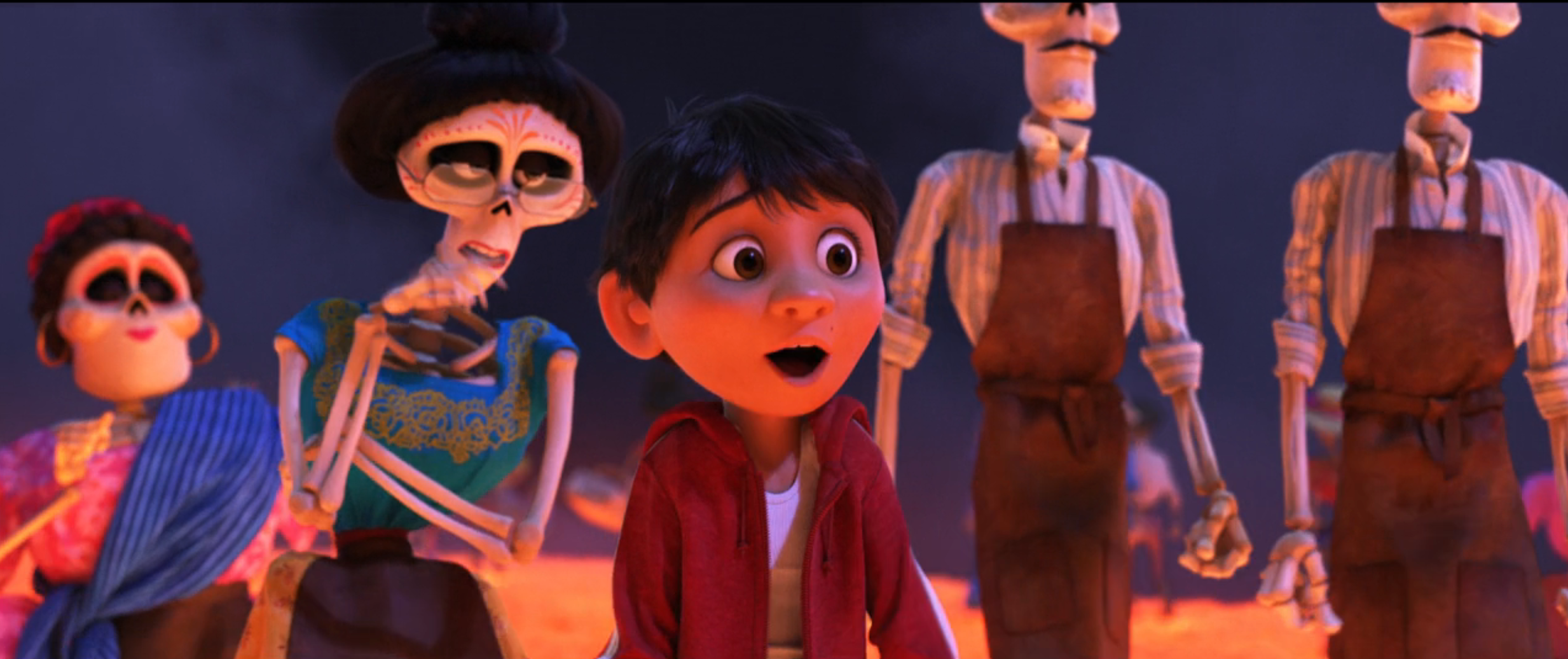
The first death occurs in the mortal realm when a person's physical body stops functioning. The heart ceases to beat, and the soul departs the physical world. In the world of Coco, this transition separates the physical body from the spirit, sending the deceased individual into the vibrant, skeletal realm known as the Land of the Dead.
2. The Second Death: Burial and Entombment
The second death takes place when the body is laid to rest in the ground or placed in a tomb. This step formalizes the separation between the physical world and the ancestral realm. In Mexican tradition and the internal lore of Coco, this phase solidifies the deceased person's status as an ancestor. They become reliant on the living to keep their memory alive through oral traditions and sacred spaces like the ofrenda (the altar prepared during Día de los Muertos).
3. The Third Death: The Final Death (La Última Muerte)
The third death—known directly in the film as the Final Death—occurs when the absolute last person in the living world who personally remembered the deceased passes away or completely forgets them. Unlike physical death, which alters a person's form, the Final Death causes the spirit to fade out of the Land of the Dead entirely.
The pivotal moment demonstrating this rule occurs when Miguel and Héctor visit Chicharrón, a forgotten spirit living in a neglected shantytown on the outskirts of the skeletal metropolis. Chicharrón begins to glow with a warm orange light, his skeletal frame vibrating softly as his body turns into shimmering dust. After sipping a final drink and listening to Héctor play "Everyone Knows Juanita" on the guitar, Chicharrón dissolves into a cloud of marigold-colored light, leaving only his hat behind.
What Happens to the Spirit After the Final Death?
When Chicharrón disappears, a visibly shaken Miguel turns to Héctor and asks where forgotten spirits go after fading away. Héctor gives a simple, sobering response: "No one knows."
This line defines the mystery at the heart of the film's afterlife mechanics. Pixar consciously chose not to provide a definitive visual or narrative depiction of a post-Final Death realm. However, analyzing the film's visual language and cultural inspirations offers three main perspectives on what follows.
1. Absolute Oblivion (Ceasing to Exist)
Within the practical narrative of Coco, the Final Death acts as the definitive end of consciousness. In this interpretation, a person lives two lives: their physical existence and their existence in the memories of descendants. Once memory fades, the energy sustaining their soul vanishes. The spirit does not move to a darker underworld or a punishment realm; rather, they simply cease to exist. The visual cue of turning into marigold dust—the flower traditionally used in Day of the Dead celebrations to guide spirits—suggests that their energy returns to the cosmos or fuses with the spiritual fabric of the universe.
2. Transcendence Beyond the Skeleton City
Another interpretation grounded in mythic storytelling is that the Land of the Dead shown in Coco is merely a transitional realm. The bustling skeletal metropolis, complete with border check-ins, transit lines, and concert halls, mirrors human society. It represents a lingering echo of mortal life.
Under this framework, the Final Death is not a destruction of the soul, but a release from earthly attachments. Once a spirit no longer holds a tether to living human memory, they are freed from the skeletal form and move onward to a higher, incomprehensible plane of existence that lies beyond the border of the city.
3. Return to Nature and Ancestral Dust
Visually, the particles that break away during the Final Death resemble the petals of the cempasúchil (the Mexican marigold). Throughout the film, marigold petals serve as the bridge between worlds—forming the massive bridge connecting the Land of the Living to the Land of the Dead. When a spirit undergoes the Final Death, their body disintegrates into these same glowing particles, implying a return to the foundational spiritual element of the universe.
Cultural Foundations: Mexican Day of the Dead Traditions
While Pixar dramatized the rules of the afterlife to heighten narrative tension, the concept of the Final Death draws from genuine Mexican philosophy surrounding Día de los Muertos and Indigenous Mesoamerican beliefs.
| Concept | Traditional Belief / Practice |
|---|---|
| Three Deaths | Traditional Mexican belief that a person dies thrice: body stops, body buried, memory ends. |
| Petal Bridges | Marigolds (Cempasúchil) guide souls back home using vibrant color and scent. |
| Ofrenda Altars | Displaying photo and offerings allows ancestors to visit during holiday. |
| Mictlán | Aztec underworld composed of nine layers where souls rest after a long journey. |
The Three Deaths in Mexican Philosophy
In Mexican folklore, it has long been said that human beings die three distinct deaths:
- The day our body ceases to function.
- The day we are lowered into the earth out of sight.
- The day there is no one left in the living world who remembers us.
Coco translates this philosophical concept into physical rules for its animated universe. In traditional practice, Día de los Muertos is not a mournful event; it is a joyful reunion. The living construct altars decorated with cempasúchil petals, candles, photos, and favorite foods (ofrendas) to invite the spirits of loved ones back home for one night a year.
The Role of Aztec Mythology (Mictlán)
Before the Spanish arrival in Mexico, the Mexica (Aztec) people believed that when most people died, their souls traveled through Mictlán—an arduous nine-level underworld. Reaching the final level, Mictlan-Opochcalocan, required surviving nine trials over four years. Once souls reached the final realm, they achieved absolute rest (descanso eterno).
In Coco, while the visual aesthetic relies heavily on modern Mexican pop culture, folk art (alebrijes), and turn-of-the-century architecture, the idea of a spirit passing into an unseen final resting state mirrors the ancient destination of souls completing their journey through Mictlán.
Narrative Stakes: How the Final Death Drives the Plot
The mechanism of the Final Death is not merely background worldbuilding; it is the primary emotional engine of Coco. Without the threat of the Final Death, the film's climax would lack urgency.
- Plot Progression & Memory Mechanics
- Mamá Coco's Aging Memory: Memory of her father (Héctor) is slipping due to advanced age.
- Héctor's Fading Spirit: Physical instability, orange glows, and weakness in Land of the Dead.
- The Climax & Solution: Miguel sings "Remember Me" to Mamá Coco in Santa Cecilia.
- Restored Memory & Legacy: Mamá Coco remembers her father, preserves his letters/lyrics, and saves Héctor from the Final Death.
Héctor’s Race Against Time
Throughout the film, Héctor is desperately trying to cross the marigold bridge into the Land of the Living. Initially, the audience believes he simply wants to visit the living world for fun or pride. However, the film reveals his true motivation: his daughter, Mamá Coco, is very old and her memories are fading due to cognitive decline.
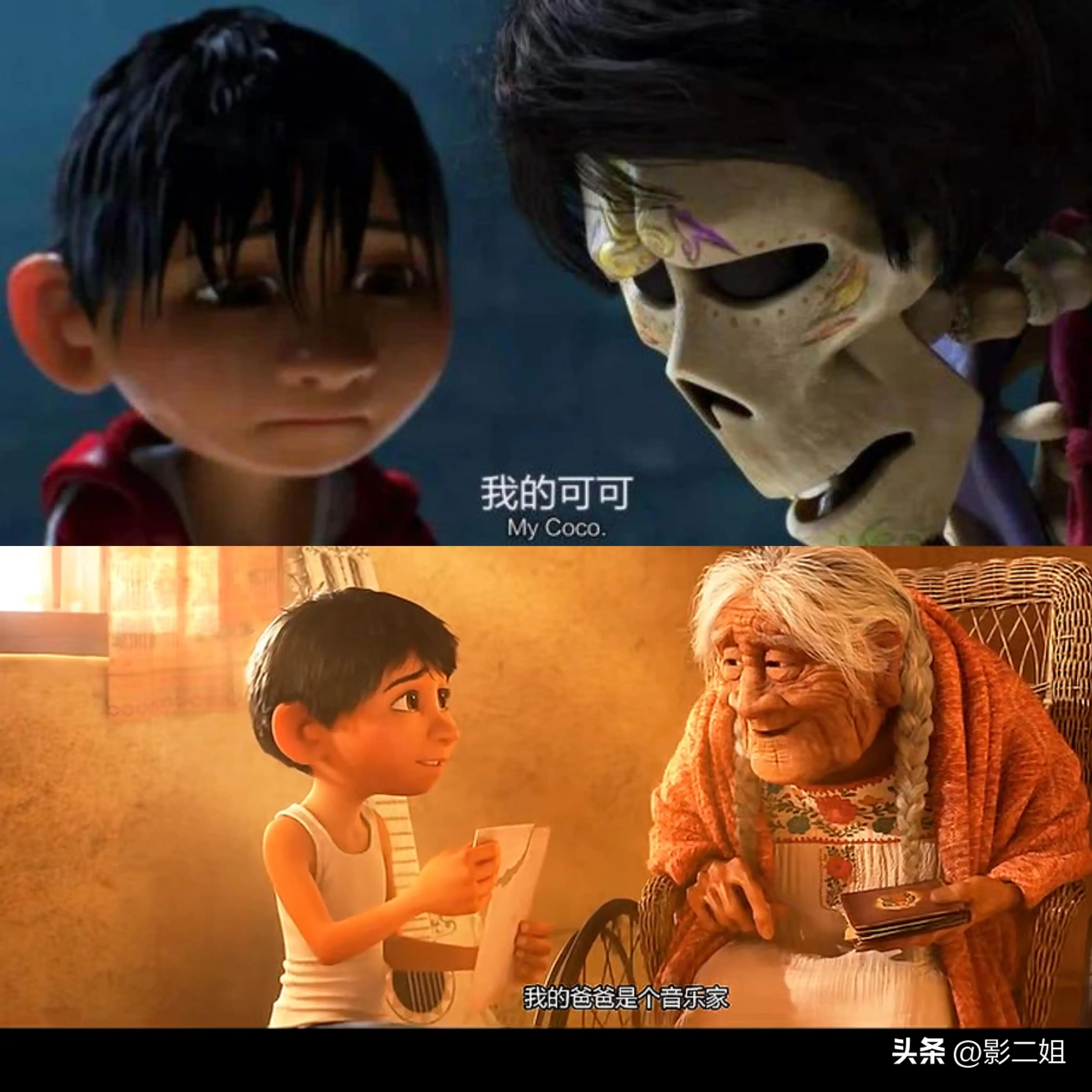
Because Héctor was murdered away from home, his family believed he abandoned them. They removed his picture from the family ofrenda and banned his memory. Mamá Coco is the only living person who actually knew him and loved him. As her memory slips away, Héctor experiences violent spasms of orange light—physical warning signs that he is on the verge of the Final Death.
De la Cruz vs. True Memory
The film contrasts two different types of memory:
- Public Fame: Ernesto de la Cruz is worshipped by millions of fans who sing his songs and watch his movies. As long as the public remembers him, he remains wealthy and celebrated in the Land of the Dead.
- Personal Love: Héctor seeks true, personal love from his daughter. Coco argues that cold public idolization pales in comparison to genuine familial remembrance.
When Miguel returns to the living realm and sings "Remember Me" to Mamá Coco, he revives her dormant memories of her father. She shares Héctor's original letters and song lyrics with her family, placing his image on the ofrenda. This act restores Héctor’s standing in the living realm, reversing his spiritual decline and saving him from the Final Death forever.
Technical & Conceptual Comparison of Existential States in Coco
To clarify how the film categorizes existence, the following table breaks down the rules governing each state of being presented in the movie.
| Characteristic | The Living Realm (Santa Cecilia) | The Land of the Dead | Post-Final Death State |
|---|---|---|---|
| Physical Form | Flesh, blood, and mortal organs | Skeletal body with animated movement | Dispersed marigold energy / Unknown |
| Primary Dependency | Biological processes (heartbeat, oxygen) | Living memory of descendants/loved ones | None (complete detachment from living realm) |
| Bridge Access | Cannot see spirits (except on Día de los Muertos via special circumstances) | Can cross marigold bridge only if photo is on an ofrenda | Cannot cross bridges or communicate with either realm |
| Risk Factors | Mortality, injury, aging, illness | Experiencing the Final Death due to being forgotten | Irreversible; no known method of return |
| Visual Indicators | Human appearance, vibrant real-world colors | Brightly colored skeletons, glowing eyes, alebrijes companion spirit guide | Dissolving orange sparks, marigold dust clouds |
Common Misconceptions About the Final Death
Due to the complex lore of Coco, several common misunderstandings exist among viewers regarding how the afterlife rules operate.
Misconception 1: Placing a Photo on an Ofrenda Prevents the Final Death Automatically
Fact: A photo on an ofrenda allows a spirit to cross the marigold bridge to visit the living world on Día de los Muertos. However, the photo itself is not what sustains the spirit's existence. What keeps a spirit alive in the Land of the Dead is the presence of active memory and stories passed down among living people. A photo serves as the legal ticket through airport-style border security in the afterlife, but living memory is the actual energy source keeping the soul from fading.
Misconception 2: The Final Death Is a Form of Punishment or Hell
Fact: The Final Death affects good and bad spirits alike if they are forgotten. It is an unfeeling law of nature within the film's universe, not a moral judgment or penal system. Chicharrón was not punished; he was simply forgotten by the living world as his peers passed away.
Misconception 3: Spirits Can Return After Experiencing the Final Death
Fact: Once a spirit undergoes the Final Death and turns to dust, the process is completely permanent. If a living person suddenly remembers a forgotten person after they have already vanished, the film gives no indication that the spirit regenerates. The sense of urgency in Héctor’s storyline relies entirely on the fact that once he dissolves, he cannot be brought back.
Frequently Asked Questions
Why did Chicharrón disappear in Coco?
Chicharrón suffered the Final Death because there was no one left in the living world who remembered him. All of his living friends and family members had passed away, and no one preserved his memory through stories or photos.
Does putting a photo on an ofrenda bring someone back from the Final Death?
No. Putting a photo on an ofrenda allows a spirit to cross the bridge into the living realm during Día de los Muertos, but it cannot bring back a spirit that has already experienced the Final Death. Memory must exist before the spirit completely fades away to sustain them.
Where do spirits go after the Final Death in Coco?
The film explicitly states that "no one knows" where spirits go after the Final Death. Visually, they dissolve into glowing orange marigold dust. Symbolically, it represents passing on to an absolute final rest beyond the skeletal realm or ceasing to exist entirely.
Can a living person visit the Land of the Dead without dying?
In Coco, Miguel enters the Land of the Dead while still alive because he steals a guitar belonging to the dead on Día de los Muertos, placing a curse upon himself. Normally, living people cannot see or enter the Land of the Dead.
What is the difference between the picture rule and the memory rule in Coco?
The picture rule governs whether a spirit can physically cross the marigold bridge to visit the living realm on Day of the Dead. The memory rule governs whether the spirit can continue to exist at all in the Land of the Dead.
Key Takeaways for Viewers
The concept of the Final Death in Coco delivers a powerful message about family history, storytelling, and cultural heritage. To honor the themes of the film and ensure family legacies remain alive in the real world:
- Document Family Oral Histories: Take time to record stories from grandparents and older relatives. Audio recordings, written journals, and family trees preserve memories beyond a single generation.
- Preserve Photographs and Records: Maintain physical or organized digital archives of family members, ensuring names and dates are clearly labeled for future descendants.
- Participate in Cultural Traditions: Engaging in rituals like setting up an ofrenda, sharing meals, and telling stories of passed ancestors fulfills the real-world spirit of Día de los Muertos—keeping the dead alive in human hearts.
Image Gallery