Understanding the Mold Remediation Cost in Staten Island
The cost of mold remediation in Staten Island typically ranges from $1,500 to $6,000 for localized issues, though large-scale infestations in expansive properties can exceed $10,000 or more. Final pricing is contingent upon the total s...
The cost of mold remediation in Staten Island typically ranges from $1,500 to $6,000 for localized issues, though large-scale infestations in expansive properties can exceed $10,000 or more. Final pricing is contingent upon the total square footage affected, the accessibility of the contaminated areas, the specific materials involved, and the extent of underlying water damage requiring structural repair.
Contents
Factors Influencing Remediation Pricing
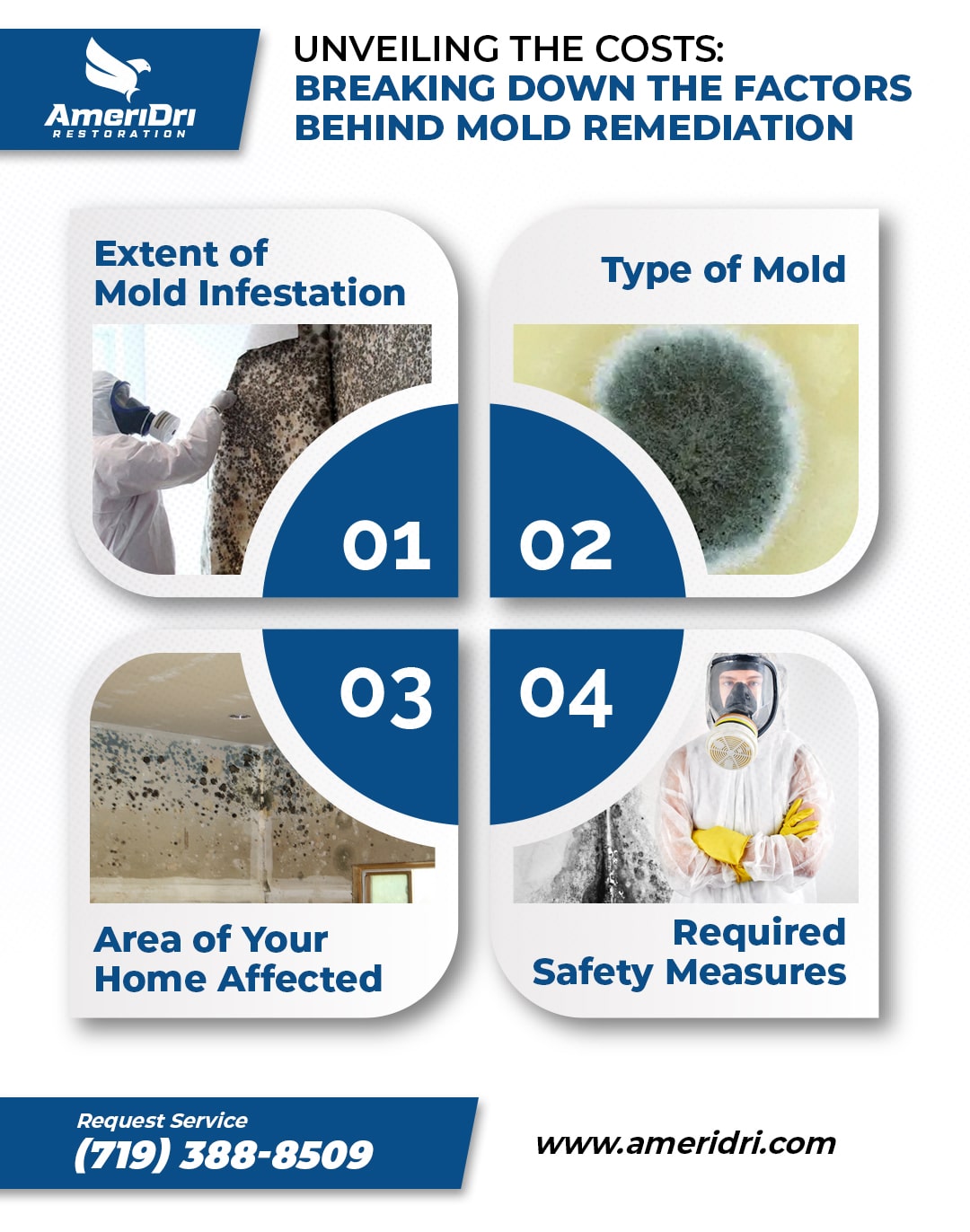
When property owners in Staten Island seek quotes for mold remediation, they often encounter wide variations in pricing. This variance is rarely arbitrary; rather, it is driven by the specific environmental and structural variables present in your home or commercial space.
1. Scope and Square Footage The most significant factor is the surface area covered by mold. Remediation involves more than just wiping down walls; it requires specialized containment, air filtration, and physical removal. Small, contained patches (under 10 square feet) are often handled as minor mitigation, while extensive growth involving entire crawlspaces or multiple rooms necessitates labor-intensive protocols that scale the cost significantly.
2. Accessibility and Infrastructure Staten Island features a diverse mix of architectural styles, from historic homes with tight attics and crawlspaces to modern developments. If mold is located in areas requiring specialized equipment or structural dismantling—such as removing drywall, baseboards, or flooring—labor costs rise. Furthermore, working in cramped, low-clearance areas requires additional safety measures and slower work cycles, which professionals factor into their estimates.
3. The Severity of Water Intrusion Mold is a symptom, not the root cause. A remediation professional must address the source of moisture. If the mold is present due to a simple surface leak, remediation is straightforward. However, if the cause is long-term seepage through a foundation wall or a chronic plumbing failure within a wall cavity, the price of the project will naturally incorporate the repair of these underlying systems.
4. Material Porosity Non-porous materials like glass, metal, or tile can often be cleaned and sanitized. Porous materials, such as drywall, carpeting, ceiling tiles, and insulation, are frequently difficult to fully decontaminate. When these materials are heavily compromised, the industry standard is removal and disposal, which adds debris removal fees and replacement costs to your final budget.
Comparative Breakdown of Remediation Costs
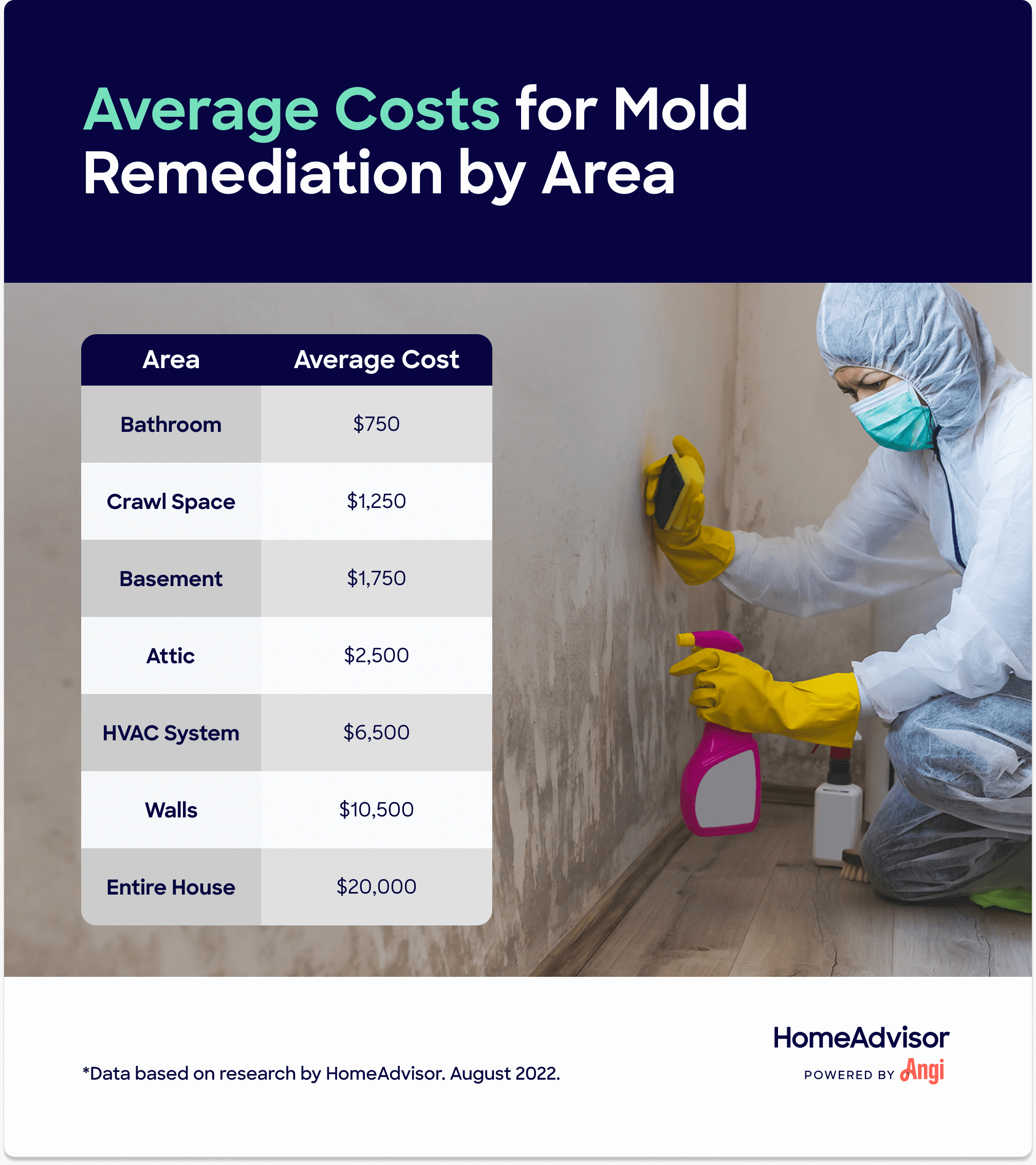
The following table provides an estimated range for various project scopes. Note that these figures are based on market averages in the Staten Island region for 2026 and should be used as a baseline for budgeting.
| Project Scale | Typical Cost Range (USD) | Primary Drivers |
|---|---|---|
| Minor (Under 10 sq. ft.) | $500 – $1,500 | Inspection, basic cleaning, drying. |
| Moderate (10 – 50 sq. ft.) | $1,500 – $4,000 | Containment, PPE, material removal. |
| Large (Whole room/crawlspace) | $4,000 – $10,000+ | Professional drying, structural repair. |
| Professional Testing | $300 – $800 | Air quality sampling, lab analysis. |
The Importance of Professional Assessment
Before engaging a remediation company, it is essential to determine the extent of the problem. Many homeowners attempt to use bleach or over-the-counter sprays, but these methods often fail to penetrate porous materials and can sometimes cause the mold to release spores into the air, exacerbating the spread.
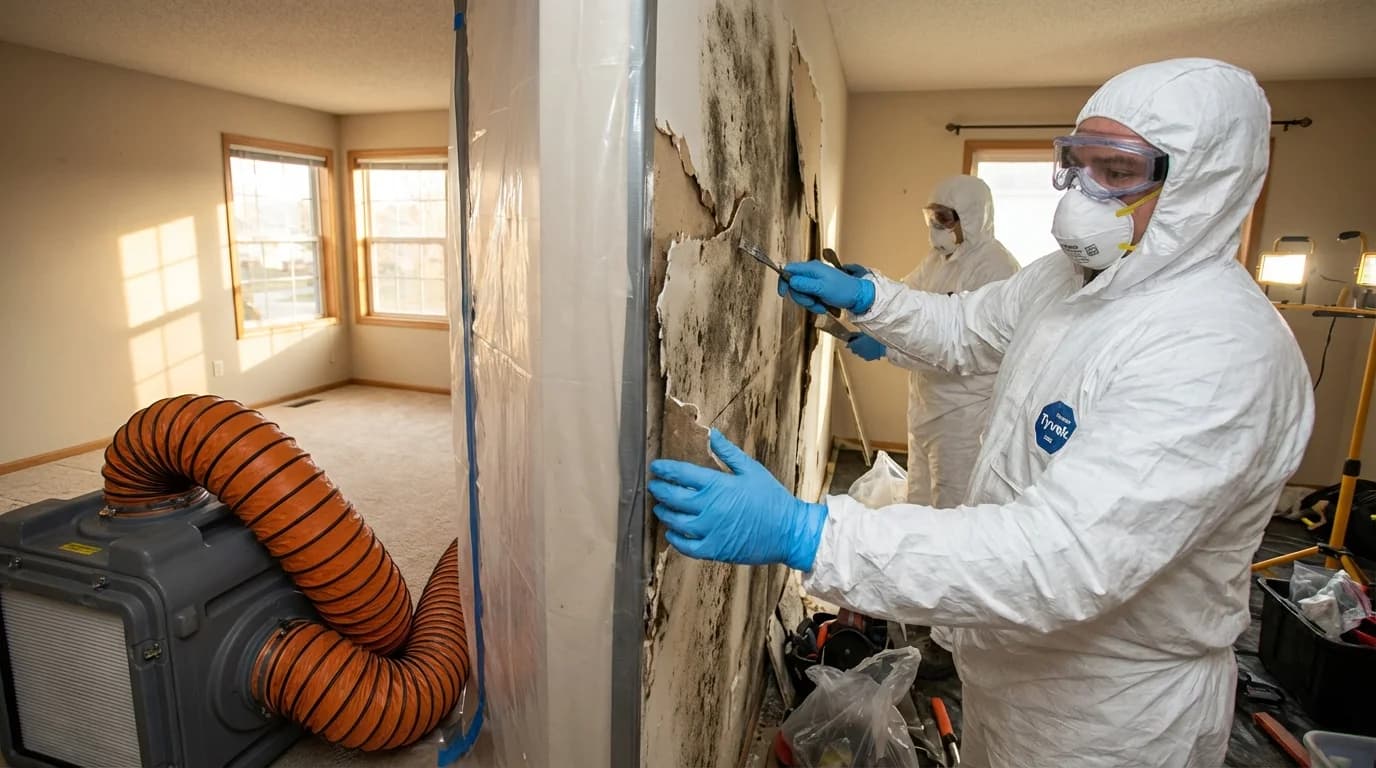
Professional contractors in New York typically follow guidelines established by the Institute of Inspection, Cleaning, and Restoration Certification (IICRC). A certified professional will use moisture meters, infrared cameras, and, if necessary, air quality testing to establish a "scope of work." This document is your most important tool; it details exactly what will be removed, how the area will be contained (often using negative air pressure machines to prevent cross-contamination), and how the space will be restored to a healthy baseline.
Navigating Insurance and Liability
In Staten Island, homeowners' insurance policies generally cover mold remediation only if the mold resulted from a "covered peril," such as a sudden pipe burst. If the mold is the result of long-term neglect, high humidity, or lack of maintenance, it is often excluded from coverage.
Always review your specific policy language. If you suspect your insurance may cover the remediation, contact your provider before signing a contract with a mitigation firm. Ensure that you document the water damage immediately with photographs and provide these to your adjuster. Remember that even when coverage exists, you are responsible for any deductible stated in your policy.
Common Pitfalls to Avoid
When choosing a service provider, avoid companies that offer "guaranteed" pricing over the phone without a physical walkthrough. A reputable contractor will need to see the affected site to determine the presence of mold growth vs. staining.
Be wary of firms that demand full payment upfront. Standard practice involves a deposit with the remainder due upon successful completion or after a post-remediation verification (PRV) test. A PRV test is performed by an independent environmental hygienist who checks the air and surfaces after the remediation is finished to ensure the mold counts are within a normal, safe range. This independent verification provides peace of mind that the work was performed correctly.
Frequently Asked Questions
1. Is air testing mandatory before starting remediation? Testing is not strictly required by law for all residential cases, but it is highly recommended if you are experiencing health symptoms or if the source of the mold is unclear. An independent test provides a scientific baseline that helps prevent contractors from over-charging for work that may not be necessary.
2. Can I handle small mold issues myself? For minor growth on non-porous surfaces that you can easily access, DIY cleaning with a HEPA-rated vacuum and mild soap can be effective. However, if the mold covers more than 10 square feet or if you have respiratory health concerns, it is best to consult a professional to avoid spreading spores throughout your home.
3. Does the age of a home in Staten Island affect remediation costs? Older homes may contain hazardous materials like lead-based paint or asbestos-containing insulation. If these materials are disturbed during the mold remediation process, specialized hazardous waste disposal protocols must be followed, which will increase the cost of the project significantly.
4. How long does the remediation process typically take? A typical residential remediation project takes between two to five days. The duration depends on the size of the containment area and the time required for structural drying, which often necessitates the use of large industrial dehumidifiers and air movers.
5. What should I do if the mold returns after remediation? If mold reappears, it indicates that the underlying moisture source was not successfully resolved. Contact your contractor immediately to inspect the site. Most reputable firms offer a warranty on their remediation work, provided that the building's humidity and moisture levels are kept within reasonable parameters following the service.
Recommended Next Actions
If you detect mold, your first priority is to locate and stop the moisture source. Once the water is addressed, contact at least two licensed, insured remediation professionals for an on-site evaluation and a detailed written estimate. Compare the "scope of work" carefully—the cheapest bid may lack essential safety steps like full containment or HEPA air scrubbing. Always verify that your chosen company holds the appropriate licenses for work in New York State and requests a post-remediation verification test to ensure the job was completed effectively.
Image Gallery