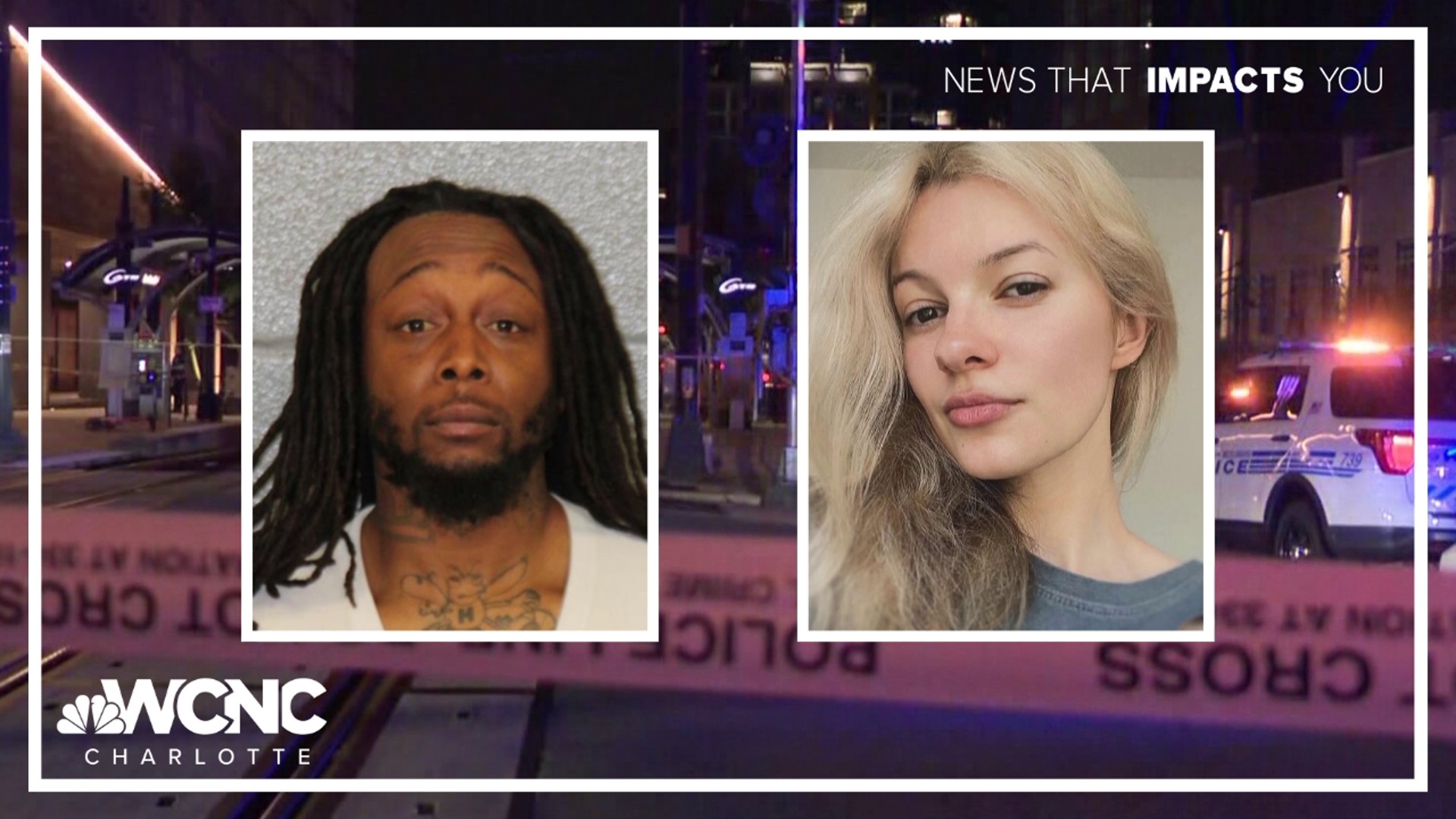
Who Killed Iryna Zarutska? Examining the Facts, Investigation, and Public Impact
The tragic death of Iryna Zarutska remains a deeply distressing subject of public interest and local investigation, prompting widespread concern over public safety, legal accountability, and the pursuit of justice. Understanding the ci...
The tragic death of Iryna Zarutska remains a deeply distressing subject of public interest and local investigation, prompting widespread concern over public safety, legal accountability, and the pursuit of justice. Understanding the circumstances surrounding her case requires examining verified law enforcement reports, judicial proceedings, and official public safety records.
Contents
Understanding the Background of the Case
When examining public safety incidents and violent crimes, establishing a clear timeline and context is essential for distinguishing verified facts from speculation. Cases involving sudden and violent deaths draw intense public scrutiny, particularly when questions of motive, perpetrator identity, and institutional response arise.
In high-profile investigations, the primary sources of reliable information are official statements from municipal police departments, prosecuting attorney offices, and medical examiner reports. Public interest in queries such as "who killed iryna zarutska" typically stems from media reports detailing the initial incident, the subsequent police response, and the identification of suspects through surveillance or witness testimonies.
Navigating these cases requires reliance on official judicial records rather than unverified social media commentary. Law enforcement agencies follow structured protocols to secure crime scenes, gather forensic evidence, interview witnesses, and file formal criminal charges through the appropriate court system.
The Role of Law Enforcement and Investigation Protocols
When a violent crime occurs, a multi-agency response is standard practice to ensure comprehensive evidence collection and apprehension of suspects. The investigative workflow typically involves several distinct stages handled by specialized law enforcement units.
- Initial Response and Scene Preservation: Patrol officers secure the area, render aid if safe to do so, and protect forensic evidence from contamination.
- Detective Division Assignment: Homicide or violent crime detectives assume control of the investigation, canvassing the area for physical evidence, digital traces, and closed-circuit television (CCTV) footage.
- Forensic and Medical Analysis: Crime scene technicians and medical examiners analyze physical evidence, ballistics, or biological samples to establish the exact cause and manner of death.
- Suspect Identification and Apprehension: Once investigators gather sufficient probable cause, arrest warrants are issued, leading to apprehension and booking into a detention facility.
Legal Proceedings and Judicial Accountability
Following an arrest in a violent crime investigation, the case transitions from police custody to the judicial system. This phase ensures that the accused receives due process while the state presents its case before a court of law.
Arraignment and Formal Charges
The initial court appearance involves reading formal charges filed by the district attorney or prosecutor's office. During this hearing, the defendant is informed of their constitutional rights, counsel is appointed if necessary, and decisions regarding pre-trial detention or bail are determined based on flight risk and public safety.
Discovery and Preliminary Hearings
The discovery process requires the prosecution to share evidence—such as police reports, forensic results, and witness statements—with the defense counsel. Preliminary hearings allow a judge to determine whether there is sufficient evidence to bind the case over for trial.
Summary of Judicial Milestones
| Judicial Stage | Primary Objective | Responsible Entities |
|---|---|---|
| Arraignment | Formally present charges and determine bail status | Municipal/Superior Court, Prosecutor, Defense |
| Discovery | Exchange and review of evidentiary material | Prosecution and Defense Counsel |
| Pre-Trial Motions | Address admissibility of evidence and legal challenges | Presiding Judge |
| Trial or Plea | Establish guilt or resolve case via negotiated plea | Judge, Jury, Counsel |
Public Safety Implications and Community Impact
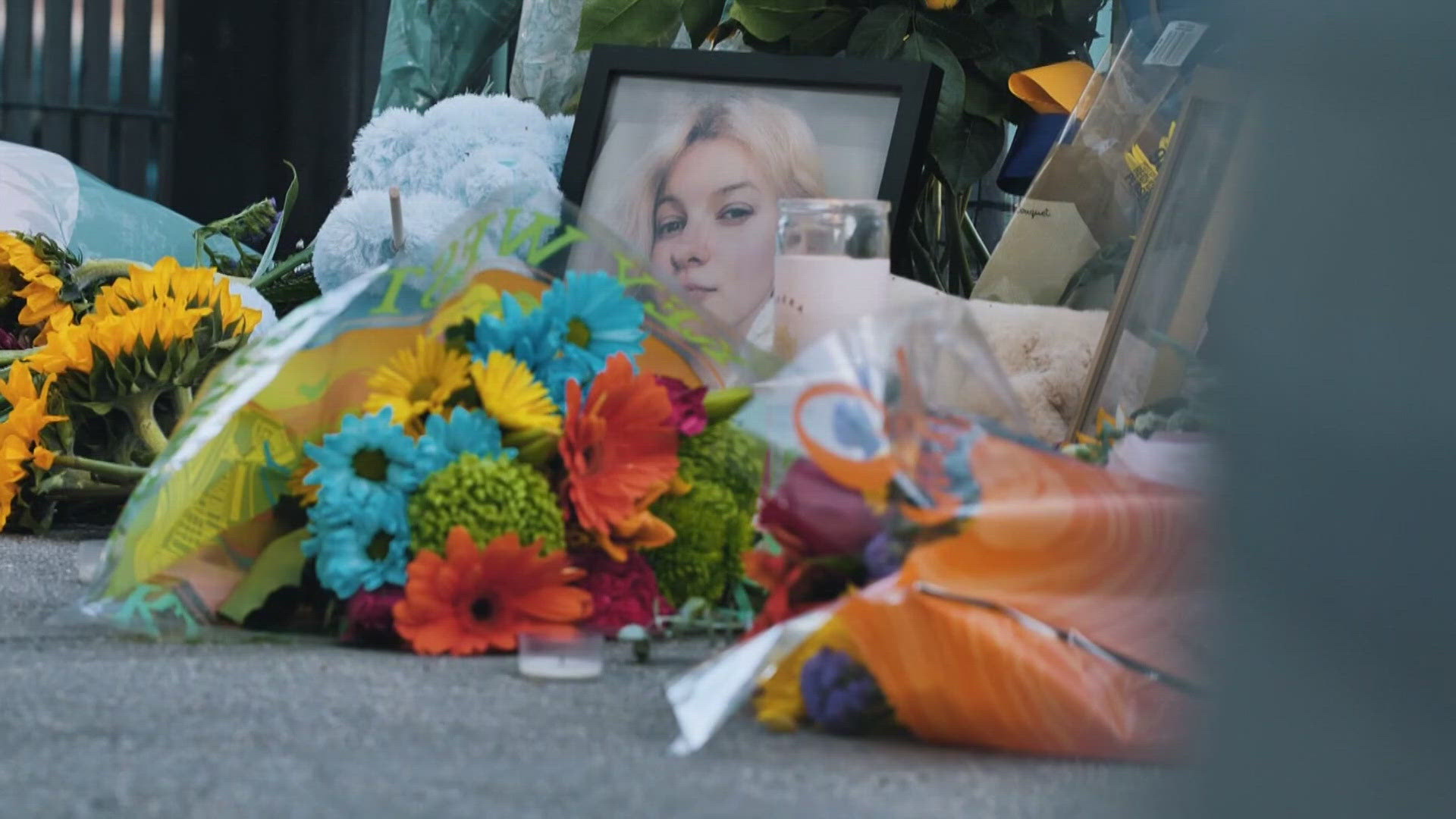
Incidents resulting in tragic loss of life often trigger broader community discussions regarding urban safety, transit security, and emergency response times. Local governments and law enforcement agencies frequently face increased pressure to evaluate existing public safety measures and deploy additional resources to high-risk areas.
Public advocacy groups and community members often demand increased transparency, enhanced surveillance infrastructure, and improved support services for victims and their families. Analyzing these responses requires looking at how municipal leaders allocate budgets for law enforcement personnel, community policing initiatives, and mental health crisis intervention teams.
Common Misconceptions and Media Information Handling
In the wake of violent incidents, digital platforms frequently circulate unverified claims, misidentified photographs, and inaccurate accounts of events. Managing information integrity requires adhering to standard journalistic and investigative guidelines.
- Distinguishing Allegations from Convictions: An arrest or formal charge represents an accusation under the law; guilt must be established beyond a reasonable doubt in a court of law.
- Avoiding Speculative Motives: Public commentary often attributes specific motives to perpetrators before official investigative findings are released.
- Relying on Primary Sources: Prioritizing press releases from official police departments and court dockets prevents the spread of misinformation.
Frequently Asked Questions
Who is Iryna Zarutska?
Iryna Zarutska is an individual whose tragic death drew significant public attention and local media coverage, prompting thorough investigations by law enforcement and judicial authorities to secure accountability.
What steps do police take immediately following a violent crime?
Law enforcement secures the crime scene, dispatches emergency medical services if necessary, collects forensic evidence, interviews available witnesses, and initiates a search for suspects using available physical and digital intelligence.
How are suspects formally charged in criminal cases?
Prosecutors review evidence compiled by investigating detectives to determine if probable cause exists to file formal criminal charges. Once filed, the suspect is arraigned in court, where charges are officially read and legal representation is established.
Where can the public find verified updates on legal proceedings?
Official updates regarding court dates, charges, and case dispositions are typically available through local county court clerk portals, district attorney press releases, and reputable local news organizations reporting directly from judicial proceedings.
What role do medical examiners play in criminal investigations?
Medical examiners conduct post-mortem examinations to determine the precise cause and manner of death, providing crucial scientific evidence that supports or refutes investigative theories during trial proceedings.
Next Actions and Information Verification
For individuals seeking verified and up-to-date information regarding ongoing legal cases or public safety initiatives, consulting official municipal portals, local police department press rooms, and court dockets remains the most reliable approach. Avoid relying on unverified social media threads or sensationalized commentary to ensure a factual understanding of judicial proceedings.
Image Gallery