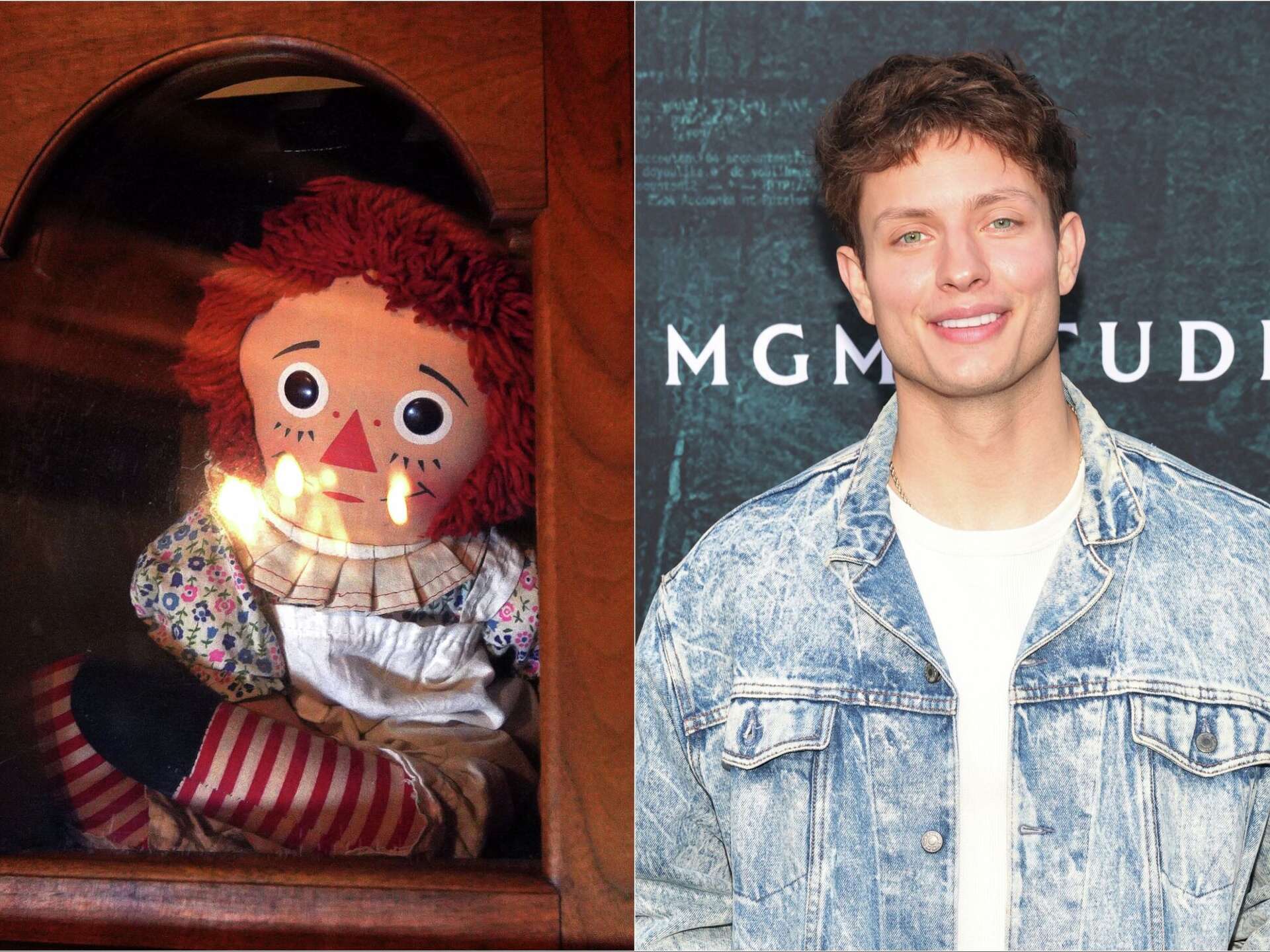
Matt Rife House Annabelle Explained: Debunking the Viral Haunted Doll Narrative
The viral sensation involving comedian Matt Rife and a doll named Annabelle centers on a series of social media videos and stage performances where Rife incorporates a specific, vintage-style doll into his dark humor routines. The narr...
The viral sensation involving comedian Matt Rife and a doll named Annabelle centers on a series of social media videos and stage performances where Rife incorporates a specific, vintage-style doll into his dark humor routines. The narrative, which gained traction through TikTok and Instagram, blurred the lines between genuine paranormal belief and performance art, leading fans to question if Rife actually owns a haunted object.
Contents
The Origins of the "Annabelle" Narrative in Matt Rife’s Content
The association between Matt Rife and a doll often referred to as "Annabelle" is rooted in the comedian’s penchant for interactive, high-energy crowd work and his tendency to integrate viral internet lore into his stand-up persona. In recent years, Rife has utilized various props and recurring characters during his live sets, which are frequently clipped and shared across social media platforms.
The specific "Annabelle" narrative emerged when Rife began featuring a creepy, porcelain-faced doll during his segments. In the context of his comedy, the doll is used as a foil for improvised interactions. By treating the object as if it possesses a malevolent personality—or as if it has been "cursed"—Rife leverages his audience's existing knowledge of urban legends, specifically the famous Annabelle doll housed at the Warren Occult Museum. It is important to note that the doll featured in Rife's clips is a generic prop used for comedic effect, rather than the historical artifact associated with Ed and Lorraine Warren.
Understanding the Influence of Internet Folklore
To understand why this narrative became a search query, one must look at the intersection of modern comedy and "creepypasta" culture. Internet folklore thrives on the ambiguity between reality and fiction. When a high-profile influencer like Rife—who has amassed a massive following through viral clips—engages with a trope as well-known as "the haunted doll," fans often seek to verify the authenticity of the claim.
The fascination with haunted objects is a staple of digital entertainment. By leaning into the "haunted" angle, Rife effectively gamifies his content. He is not claiming to be a paranormal investigator, but rather using the trope to create a "lore" around his personal life and touring environment. This creates an immersive experience for the audience, who enjoy the performance of fear or skepticism that Rife projects during his shows.
The Role of Performance Art in Modern Comedy
For contemporary comedians, the "bit" (a short segment of a stand-up routine) no longer ends when the performer leaves the stage. Instead, bits are extended into social media storytelling. The "Annabelle" saga is an example of performance art where the comedian maintains a fictionalized version of reality for the purpose of engagement.
By consistently bringing the doll into his videos or referring to it in captions, Rife creates a recurring character. This provides a sense of continuity for his viewers. The "explanation" for the doll is simply that it is a tool for comedic suspension of disbelief. It serves to:
- Heighten Audience Engagement: Fans often comment on the videos, playing along with the "haunted" premise, which boosts algorithmic performance.
- Create Mystery: It adds a layer of "insider" information for fans who follow the comedian's social media closely.
- Differentiate Content: It moves the comedy beyond standard jokes and into the realm of narrative-driven digital content.
Comparative Analysis: Real Folklore vs. Comedic Props
It is helpful to distinguish between the cultural phenomenon of the Warrens' Annabelle and the usage of such imagery in entertainment.
| Feature | The Original Annabelle | Matt Rife's "Annabelle" |
|---|---|---|
| Origin | Raggedy Ann doll, 1970s occult case | Modern comedic prop |
| Purpose | Historical object of paranormal lore | Prop for live comedy/crowd work |
| Location | The Warren Occult Museum | Touring with the comedian |
| Status | Subject of films and documentaries | Instrument for improvised humor |
The table above illustrates that while the name "Annabelle" carries significant weight in horror culture, its application by public figures like Rife is largely metaphorical or purely aesthetic. There is no evidence—nor is there any claim from reputable sources—that Rife possesses items of historical occult significance.
Why Fans Question the Authenticity
The prevalence of "haunted" content on platforms like TikTok creates a high degree of skepticism among viewers. When a user sees a video titled "Matt Rife House Annabelle," the intent is usually to determine whether a public figure is genuinely dabbling in the occult or merely engaging in a stunt.
In the case of Matt Rife, the ambiguity is intentional. The comedian rarely breaks character when discussing his props. This "commitment to the bit" is a hallmark of his digital presence. Fans who investigate this usually find that the "haunting" is an elaborate gag. The "house" mentioned in search queries often refers to the comedian's living space as depicted in vlogs, where he may place the doll in humorous, eerie positions to keep the joke alive for his followers.
Navigating Paranormal Entertainment
If you are a fan trying to determine if a public figure's content is "real," it is essential to consider the following criteria:
- Source of Verification: Does the individual have a background in paranormal research, or are they a performer?
- Repetitive Use: Is the item used in a consistent, narrative-driven manner that aligns with a comedic arc?
- Audience Reaction: Is the content designed to provoke a reaction or to document an event?
Most viral stories involving celebrities and "haunted" objects turn out to be promotional stunts, comedic setups, or engagement-farming techniques. Rife’s usage of the doll falls squarely into the category of engagement-driven comedy.
Common Misconceptions and FAQ
Is the doll in Matt Rife’s videos actually haunted? No. There is no evidence to support that any doll used in the comedian’s routines has supernatural properties. The doll is a theatrical prop.
Why do people keep searching for "Matt Rife House Annabelle"? The search volume is driven by the algorithmic popularity of Rife’s videos, where he treats the doll with mock-seriousness, prompting fans to research if there is a deeper, unstated backstory.
Did Matt Rife buy the real Annabelle doll? No. The original Annabelle doll is legally and physically secured within the Warren Occult Museum and is not available for purchase or private ownership.
Is this part of a promotional campaign for a movie? While some influencers collaborate with horror film studios, Rife’s usage of the doll appears to be tied to his personal brand of humor rather than a specific film promotion.
How does this impact his comedy career? It helps solidify his brand as a performer who is "online" and aware of internet culture, making his content more relatable to Gen Z and millennial audiences who are familiar with these types of memes.
Moving Forward with Media Literacy
As an audience, it is useful to view high-production social media content through a lens of critical consumption. While Matt Rife’s "Annabelle" bit is harmless and entertaining, understanding that it is a curated performance allows viewers to appreciate the skill involved in building a viral narrative without mistaking it for genuine occult activity.
The next time you encounter a video featuring a "haunted" object from a comedian or influencer, look for the "bit." Once you identify the pattern of the joke, you will find that the mystery resolves itself, leaving you to enjoy the comedy for what it is—a well-crafted piece of digital performance art designed to capture attention in an increasingly crowded media landscape.
Image Gallery