Understanding Chapter 13 Bankruptcy in Pennsylvania: A Strategic Guide
Chapter 13 bankruptcy in Pennsylvania functions as a court-supervised debt reorganization plan, allowing individuals with regular income to repay all or a portion of their debts over three to five years while protecting assets from liq...
Chapter 13 bankruptcy in Pennsylvania functions as a court-supervised debt reorganization plan, allowing individuals with regular income to repay all or a portion of their debts over three to five years while protecting assets from liquidation. Unlike Chapter 7, which often focuses on total discharge, Chapter 13 provides a structured mechanism to halt foreclosures, manage tax debt, and consolidate arrears under the jurisdiction of the federal bankruptcy courts.
Contents
The Purpose and Mechanics of Chapter 13
Chapter 13 bankruptcy is essentially a financial restructuring tool. When an individual files a petition in a Pennsylvania bankruptcy court, an "automatic stay" immediately takes effect. This legal injunction stops creditors from pursuing collection actions, including wage garnishment, lawsuits, and, critically, mortgage foreclosure proceedings.
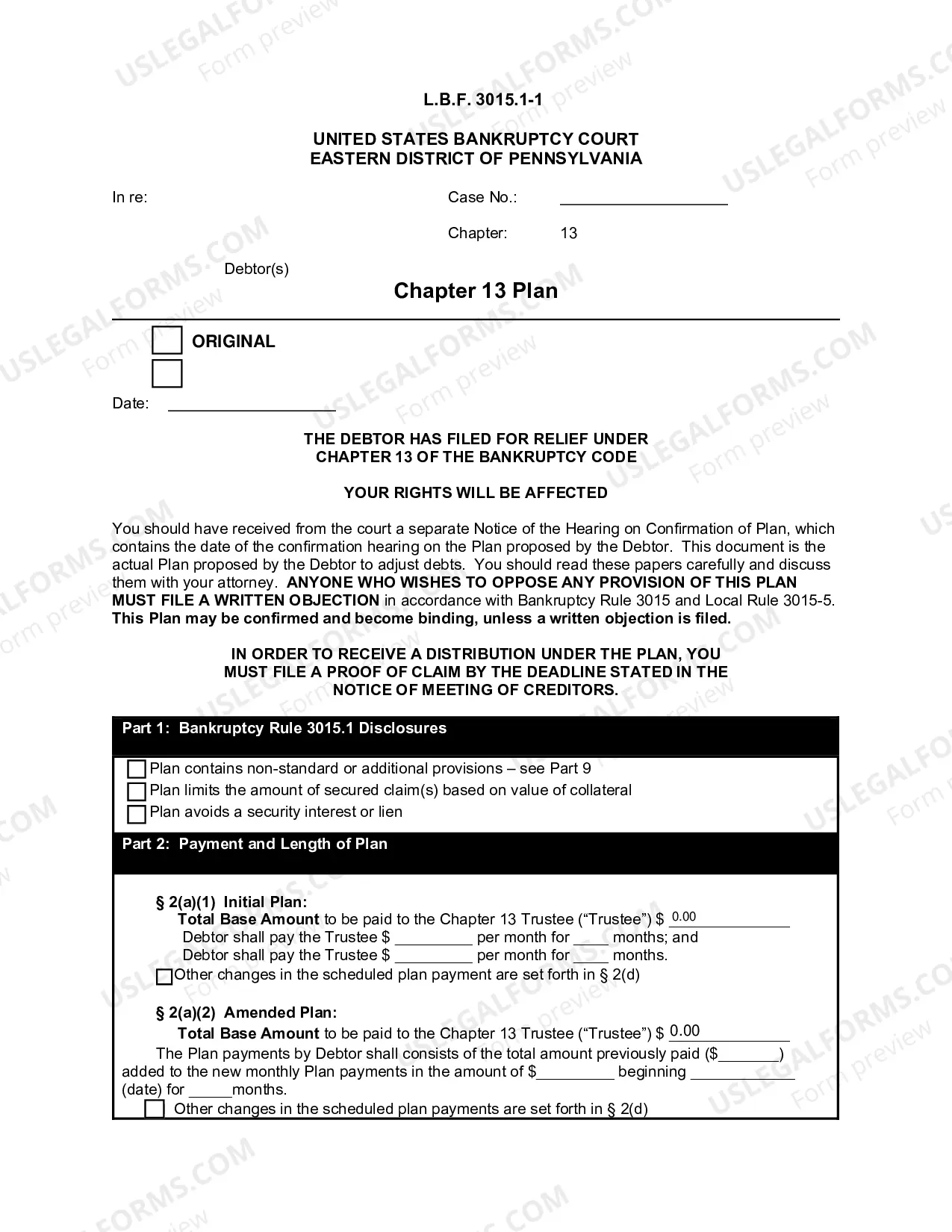
The cornerstone of this process is the repayment plan. Debtors submit a plan to the court detailing how they will allocate their disposable income to pay off creditors. Once the court confirms the plan, the debtor makes periodic payments—usually monthly—to a court-appointed Chapter 13 Trustee. The trustee then distributes these funds to creditors according to the priority established by the Bankruptcy Code. Successful completion of this plan results in the discharge of remaining eligible debts, providing a structured path toward fiscal recovery.
Eligibility Requirements in Pennsylvania
Not every individual qualifies for Chapter 13. To be eligible, you must meet specific criteria defined by federal law and influenced by your financial situation in Pennsylvania:
- Debt Limits: While the Bankruptcy Threshold Adjustment and Technical Corrections Act previously expanded debt limits, you must still remain within the currently applicable federal caps for secured and unsecured debt.
- Regular Income: You must demonstrate a consistent source of income sufficient to fund the proposed repayment plan. This includes wages, self-employment earnings, pension payments, or even regular contributions from a household member.
- Individual Filing: Only individuals (or married couples filing jointly) can file for Chapter 13; corporations and partnerships are excluded.
- Credit Counseling: You must complete an approved credit counseling course within 180 days before filing your petition.
The Role of the Means Test and Disposable Income
While Chapter 7 requires a strict "means test" to determine eligibility based on state median income, Chapter 13 is more flexible. However, the court still analyzes your "disposable income." This is calculated by taking your average monthly income and subtracting reasonable and necessary living expenses—such as housing, utilities, food, and transportation—based on IRS standards. The remaining amount is generally what must be paid into the Chapter 13 plan.
The Filing Process: Step-by-Step
Navigating the Pennsylvania bankruptcy court system requires adherence to strict procedural timelines.
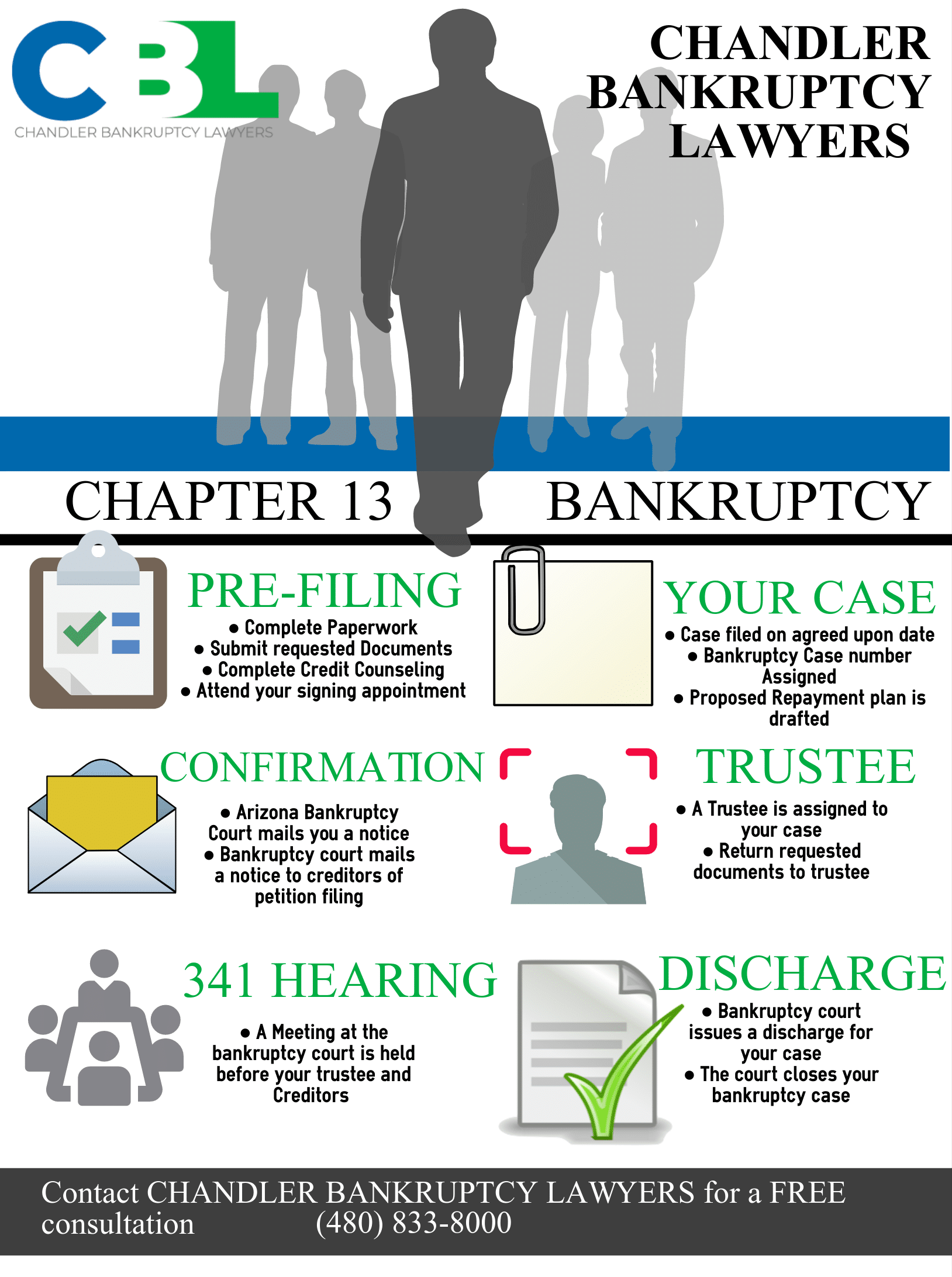
- Preparation and Documentation: You must compile a comprehensive list of all creditors, assets, income sources, and recent financial transactions. This "Schedules" document forms the backbone of your case.
- Filing the Petition: Your bankruptcy attorney files the petition in the appropriate Pennsylvania district—Eastern, Middle, or Western—based on your county of residence.
- Meeting of Creditors (Section 341 Hearing): Usually held about 30 to 45 days after filing, you must attend a meeting where the trustee and creditors may ask questions regarding your financial affairs under oath.
- Plan Confirmation: The bankruptcy judge holds a hearing to determine if your plan meets the "best interests of creditors" test, which requires that creditors receive at least as much as they would have under a hypothetical Chapter 7 liquidation.
- Execution and Discharge: After 36 to 60 months of consistent payments and the completion of a mandatory debtor education course, the court grants a discharge of the remaining dischargeable debt.
Comparison: Chapter 13 vs. Chapter 7
| Feature | Chapter 7 | Chapter 13 |
|---|---|---|
| Primary Goal | Liquidation of assets | Reorganization/Repayment |
| Asset Risk | Higher (non-exempt assets may be sold) | Lower (assets are generally kept) |
| Timeline | Typically 3–6 months | 3–5 years |
| Eligibility | Income-based (Means Test) | Income must support a payment plan |
| Co-signers | Not protected | Protected (the "Co-debtor Stay") |
Protecting Your Home in Pennsylvania
One of the most frequent reasons Pennsylvanians choose Chapter 13 is to save a home from foreclosure. Because Pennsylvania is a judicial foreclosure state—meaning lenders must go through the court system to foreclose—Chapter 13 is highly effective.
By filing, you can force the lender to accept a "cure" of your mortgage arrears over the life of your plan. While you must resume making your regular ongoing mortgage payments, the past-due amount (arrearages) is folded into the Chapter 13 plan, effectively stopping the foreclosure sale and giving you years to catch up.
Common Pitfalls and Challenges
- Plan Default: The most significant risk in Chapter 13 is the failure to make payments. If you fall behind, the case may be dismissed, leaving you without protection. If a hardship arises, such as sudden medical issues or job loss, you may request a plan modification.
- Attorney Selection: Bankruptcy law is complex. Working with an attorney who specializes in Pennsylvania bankruptcy practice is essential for navigating local court rules and ensuring your schedules are prepared accurately.
- Inaccurate Disclosures: The court requires full transparency. Omitting assets or income can lead to a denial of discharge or even accusations of bankruptcy fraud.
Frequently Asked Questions
Will my creditors stop calling me immediately after I file?
Yes. Once you file your petition, the "automatic stay" prevents creditors from contacting you, attempting to collect debts, or pursuing legal action. Any violation of this stay by a creditor can result in severe penalties from the bankruptcy court.
Can I keep my car in Chapter 13?
Generally, yes. If you are behind on car payments, Chapter 13 can help you catch up on the arrears through the plan. If the car is worth less than the loan balance, you may sometimes use a "cramdown" to reduce the secured loan balance to the current market value of the vehicle, though this depends on specific timing and loan conditions.
Does Chapter 13 clear all of my debts?
No. While it discharges most unsecured debts like credit cards and medical bills, it does not typically discharge child support, alimony, most student loans, or recent tax debts. You will remain responsible for these obligations even after the bankruptcy.
How long does a Chapter 13 bankruptcy stay on my credit report?
Under the Fair Credit Reporting Act, a Chapter 13 bankruptcy filing can remain on your credit report for up to seven years from the date of filing. While this is shorter than the ten-year period for Chapter 7, it still impacts your ability to obtain new credit during that time.
Do I have to pay back 100% of my debts?
Not necessarily. Your repayment plan is calculated based on your disposable income and your assets. In many cases, if you have limited disposable income, you may pay back only a small percentage of your unsecured debts, with the remaining balance discharged at the end of the term.
Next Steps and Professional Guidance
Before initiating a Chapter 13 filing in 2026, evaluate your financial objectives. Analyze your monthly budget to see if it can support a multi-year repayment plan. If your primary goal is to prevent foreclosure or reorganize complex debt, schedule a consultation with a qualified bankruptcy attorney admitted to practice in your specific Pennsylvania federal district. They can assess your assets, debts, and income to determine if a Chapter 13 plan is the most viable path forward for your specific situation.
Image Gallery