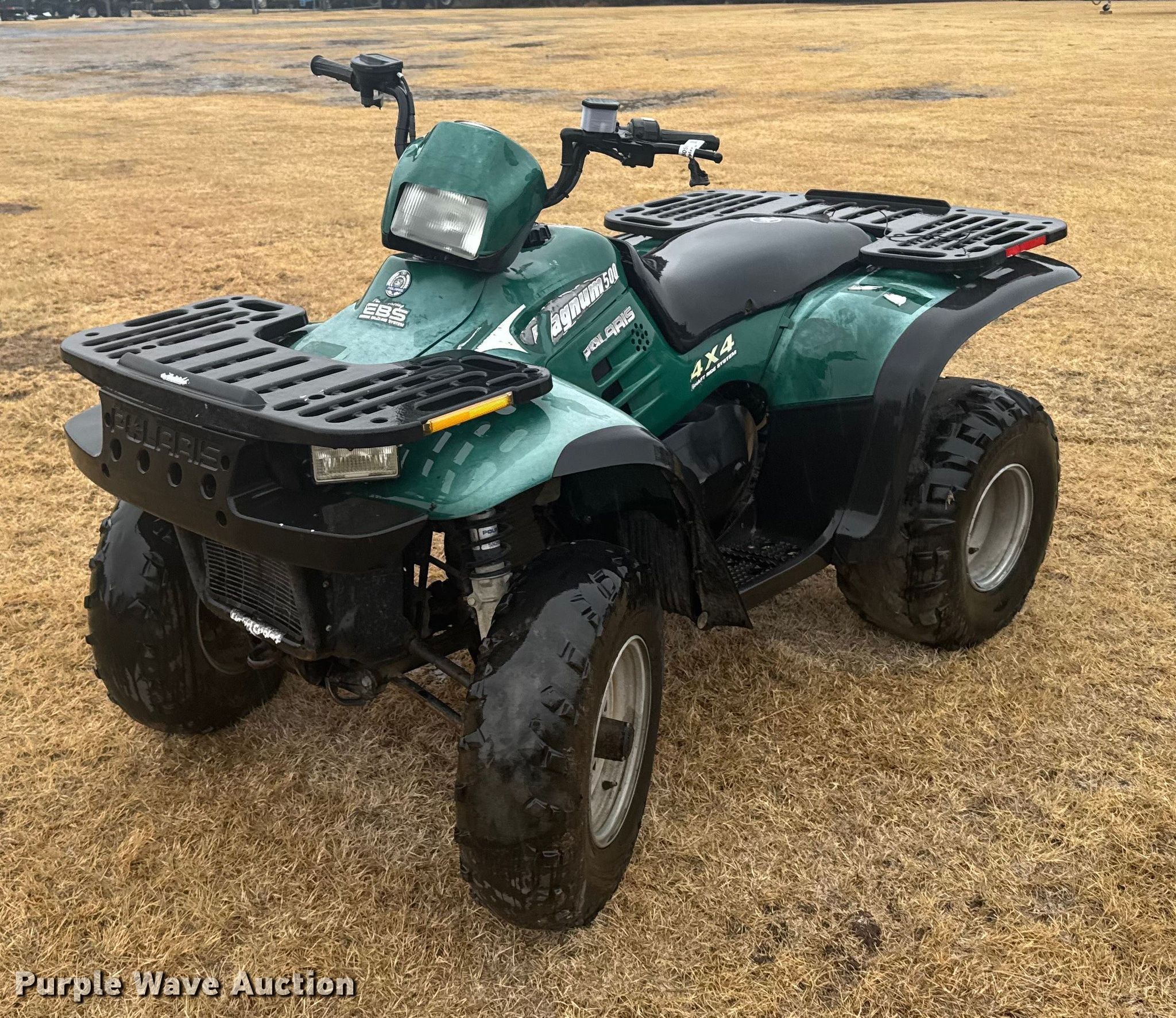
Buying and Owning a 1999 Polaris Sportsman 500 in 2026: A Comprehensive Market Guide
In 2026, the 1999 Polaris Sportsman 500 remains a highly sought-after utility ATV due to its mechanical simplicity, robust Independent Rear Suspension (IRS), and the enduring reliability of its 499cc liquid-cooled engine. While modern...
In 2026, the 1999 Polaris Sportsman 500 remains a highly sought-after utility ATV due to its mechanical simplicity, robust Independent Rear Suspension (IRS), and the enduring reliability of its 499cc liquid-cooled engine. While modern machines offer electronic fuel injection and power steering, the 1999 model offers a tactile, user-serviceable alternative that holds significant value for property owners and vintage enthusiasts.
Contents
The Enduring Legacy of the 1999 Polaris 500
The 1999 Polaris Sportsman 500 arrived at a pivotal moment in off-road history. During the late 1990s, the industry was transitioning from lightweight, two-stroke "play" machines to heavy-duty, four-stroke utility workhorses. Polaris solidified its dominance with the Sportsman 500, which featured an engineering package that many modern ATVs still emulate today. In the context of 2026, this machine is no longer just an "old quad"; it is considered a classic example of "over-engineered" utility design.
The core of its appeal was the introduction of a sophisticated Independent Rear Suspension (IRS) system at a time when many competitors still utilized rigid swingarms. This allowed the 1999 Sportsman to traverse technical terrain with a level of rider comfort and tire contact that was revolutionary. For a buyer in 2026, this means you are getting a machine that can still compete with entry-level modern ATVs in terms of ride quality, provided the bushings and shocks have been maintained or replaced.
Furthermore, the 1999 model represents the "Goldilocks" era of Polaris manufacturing. It was built before the massive influx of complex electronic sensors and limp-mode triggers that characterize many post-2015 machines. For the DIY mechanic, the 1999 Sportsman 500 is one of the most accessible 4x4 ATVs to maintain, with a vast ecosystem of aftermarket parts still available nearly three decades after its production.
Technical Specifications and Engineering Integrity
Understanding the mechanical soul of the 1999 Polaris 500 is essential for evaluating its worth in today's market. The machine is powered by a 499cc, four-stroke, single-cylinder SOHC (Single Over Head Cam) engine. This liquid-cooled powerplant was known for its "thumper" torque, making it ideal for towing trailers, dragging logs, or climbing steep inclines where steady power delivery is more important than top-end speed.
The transmission is the Polaris Variable Transmission (PVT), a continuously variable transmission (CVT) that includes High, Low, Neutral, and Reverse gears. One of the standout features of the 1999 model is the "On-Demand" true All-Wheel Drive (AWD) system. Unlike limited-slip systems used by some manufacturers, the Polaris system locks all four wheels when traction is lost, providing maximum pull in mud or snow.
| Feature | Specification (1999 Sportsman 500) | Modern Equivalent Context (2026) |
|---|---|---|
| Engine Type | 499cc Liquid-Cooled 4-Stroke | Similar displacement to modern 450-570 classes |
| Fuel System | Mikuni 34mm Carburetor | Manual choke; easier to fix, prone to gumming |
| Drive System | Shaft Drive / On-Demand AWD | Standard utility configuration |
| Front Suspension | MacPherson Strut (6.25" travel) | Robust, though less adjustable than A-arms |
| Rear Suspension | Progressive Rate IRS (9.5" travel) | Comparable to modern mid-size ATVs |
| Braking | Single-lever hydraulic disc (Front/Rear) | Functional, but lacks modern multi-lever precision |
| Dry Weight | Approximately 690 lbs | Heavy by 1999 standards; average by 2026 standards |
| Towing Capacity | 1,225 lbs | Still competitive for light farm/yard work |
Assessing Market Value in 2026
The market for 1990s ATVs has seen a surprising resurgence by 2026. As the price of new 500cc-class machines has climbed toward the $8,000–$10,000 range, well-maintained older units have become a "value hedge" for consumers. A 1999 Polaris Sportsman 500 in 2026 typically falls into three pricing tiers based on condition and location.
1. The "Barn Find" / Project Tier ($1,200 – $1,800): These units usually have non-functional AWD, dry-rotted tires, or carburetors clogged by ethanol fuel. They are popular with hobbyist mechanics who recognize that the core engine and frame are likely still sound. At this price point, you are paying for the "bones" of the machine.
2. The Reliable Workhorse ($2,200 – $3,200): This is the most common bracket. These machines show cosmetic wear—faded plastics, torn seats—but are mechanically sound. They have likely had the CV boots replaced and the carburetor cleaned recently. In 2026, this represents the sweet spot for someone needing a utility vehicle for a small acreage without the monthly payment of a new machine.
3. The Collector/Mint Condition ($3,500 – $4,500+): Occasionally, a 1999 model surfaces with exceptionally low hours and original plastics that haven't been "sun-baked." These units command a premium because they offer the reliability of a new machine with the simplicity of the 1999 design. Collectors often seek these out as "heritage" pieces of Polaris history.
Critical Areas for Inspection: The "Watch Outs"
If you are evaluating a 1999 Polaris 500 in today's market, you must look past the plastic. These machines have specific "pain points" that can turn a bargain into a money pit.
The most notorious issue with the early 500cc Polaris engines is camshaft wear. Some units from this era were manufactured with softer metal on the exhaust lobes of the camshaft. Over time, the lobe wears down, leading to a loss of power and difficult starting. When inspecting a machine, listen for excessive valve train noise and ensure the engine revs freely through the entire power band. If the machine feels "sluggish" despite a clean carburetor, the camshaft may be flat.
Second, inspect the Hub-Style AWD system. Unlike later models that moved the AWD engagement into the front differential, the 1999 model uses electric coils inside the front hubs. These hubs require specific "Demand Drive" fluid. If a previous owner used standard gear oil or ignored leaks, the AWD will fail to engage. Replacing these coils and seals is labor-intensive and can be expensive if parts are sourced as OEM.
Finally, check the CV boots and bushings. With a 27-year-old machine, rubber components are reaching the end of their natural life. Cracks in the CV boots will lead to joint failure, and worn suspension bushings will cause "sloppy" handling. Fortunately, the 2026 aftermarket is flooded with high-quality polyurethane bushing kits that are superior to the original rubber.
Performance in a Modern Context
Riding a 1999 Polaris Sportsman 500 in 2026 provides a visceral experience. Compared to a modern 2026 Sportsman 570, the 1999 model feels "mechanical." You feel the engagement of the CVT, you hear the intake through the carburetor, and you manage the choke on cold mornings.
In terms of raw capability, the 1999 model holds its own. The 9.5 inches of rear travel still soak up "whoops" and trail chop effectively. The machine's weight, while significant, provides a planted feel when towing or traversing off-camber slopes. However, the lack of Electronic Power Steering (EPS) is noticeable. At low speeds or in tight woods, steering the 1999 500 requires significantly more physical effort than a modern machine. If you have shoulder issues or plan on spending 8 hours a day in the saddle, the lack of EPS is a material consideration.
One area where the 1999 model actually outperforms some modern budget ATVs is build quality of the racks and frame. The 1999 model used steel-reinforced composite racks that were incredibly durable. Many modern "entry-level" ATVs have moved to thinner plastics and lighter-gauge steel frames to save costs, making the 1999 version feel like a "tank" by comparison.
Maintenance and Parts Availability in 2026
The longevity of any vintage vehicle depends on parts. Fortunately, Polaris sold tens of thousands of these units, and the 500cc engine remained in production in various forms for years. In 2026, you can still find:
- OEM Parts: Available for high-wear items like belts, filters, and some engine internals through specialized Polaris heritage dealers.
- Aftermarket: Companies like All Balls Racing, Moose Utility Division, and various specialized vendors on digital marketplaces provide everything from carburetors to complete axle assemblies.
- Used Market: Because so many of these machines were produced, "part-out" units are common on local classifieds, providing a cheap source for body panels, frames, and transmissions.
Maintenance is straightforward. Oil changes require a specific procedure to prime the oil pump (a quirk of the dry-sump system), and the transmission belt should be inspected every 500 miles. For a 2026 owner, the ability to perform these tasks with a basic set of metric wrenches is a significant financial advantage over modern machines that require dealer-only diagnostic software for even minor sensor resets.
FAQs
Is the 1999 Polaris Sportsman 500 fuel efficient?
Compared to modern Electronic Fuel Injected (EFI) machines, the 1999 carbureted model is less efficient. You can expect significantly more fuel consumption during idling and cold-start cycles. However, for typical utility work around a property, the difference in annual fuel cost is usually negligible compared to the higher purchase price of an EFI machine.
Can I add power steering to a 1999 Polaris 500?
Yes, aftermarket electric power steering (EPS) kits are available in 2026. These kits tie into the steering column and require a minor upgrade to the battery and charging system to handle the electrical load. While it adds $500–$800 to the build, it transforms the machine's usability in tight terrain.
What is the most common cause of AWD failure on this model?
The most common cause is either failed hub seals leading to fluid contamination or broken wires leading to the hub coils. Because the wires are exposed near the A-arms, they can be snagged by brush. Always check for electrical continuity to the hubs before assuming the mechanical components have failed.
Does the 1999 model have a "Limp Mode"?
No. This is one of the primary reasons it remains popular in 2026. The 1999 model does not have an Engine Control Unit (ECU) that can limit RPMs due to sensor failure. If the engine has spark, fuel, and air, it will run. This makes it much more reliable for remote back-country use where a sensor failure on a modern machine could leave a rider stranded.
Is it safe for beginners?
The 1999 Sportsman 500 is a large, heavy machine. While the automatic transmission makes it easy to operate, its weight can be unforgiving in a rollover. It is recommended for adult riders who have the physical strength to manage a 700-pound vehicle. New riders should also be aware that the braking system (single-lever) behaves differently than the dual-lever systems found on some other brands.
Final Recommendation for 2026 Buyers
If you are looking for a rugged, repairable, and capable 4x4 ATV in 2026, the 1999 Polaris Sportsman 500 is an excellent choice, provided you find a unit that has been shielded from the elements. It represents a "sweet spot" of ATV engineering where modern comfort (IRS) met old-school mechanical reliability. Prioritize machines with documented maintenance and a clean-sounding top end. Avoid units with "milky" oil or non-functional AWD unless you are prepared for a significant restoration project. For the right owner, this machine will easily provide another decade of service for a fraction of the cost of a new vehicle.
Image Gallery