What Era Is When Calls the Heart Set In? Historical Timeline & Setting Explained
When Calls the Heart is set in the early 20th century, specifically beginning in 1910 during the post-Edwardian era. As the multi-season Hallmark Channel series progresses, the narrative moves chronologically through the decade of the...
When Calls the Heart is set in the early 20th century, specifically beginning in 1910 during the post-Edwardian era. As the multi-season Hallmark Channel series progresses, the narrative moves chronologically through the decade of the 1910s and into the early 1920s, capturing the rapid industrialization and social evolution of a Canadian frontier community.
Contents
The Historical Era of When Calls the Heart
The story of When Calls the Heart opens in the year 1910 in Coal Valley, a small coal-mining town located in Western Canada along the Canadian frontier. This period marks a major turning point in North American history. The world was transitioning away from 19th-century Victorian traditions into a modern, industrialized society.
The early 1910s are often classified as late Edwardian or post-Edwardian. For rural communities in the Pacific Northwest and Western Canada, this era represented a unique blend of rugged pioneer living and emerging technological convenience. Residents relied on horse-drawn carriages and wood-burning stoves, yet they were beginning to witness the introduction of electric lights, landline telephones, automobiles, and early motion pictures.
As the series continues across its many seasons, the timeline advances steadily. By the middle and later seasons, the town—renamed Hope Valley following the disaster that closed the coal mine—navigates life in the mid-to-late 1910s and enters the dawn of the 1920s. This steady progression allows viewers to watch the community experience historic shifts firsthand, from the rise of early petroleum drilling to changing social dynamics regarding women's independence and labor rights.
Detailed Season-by-Season Timeline Progression
While period television shows sometimes keep their characters trapped in a single year, When Calls the Heart uses a moving timeline. Major plot points, seasonal changes, births, and technological rollouts reflect the steady march of time during the 1910s.
| Series Stage | Estimated Historical Year | Major Era & Technological Milestones Depicted |
|---|---|---|
| Season 1 | 1910 | Coal Valley era; coal mining economy, horses, lanterns |
| Seasons 2–4 | 1910 – 1912 | Transition to Hope Valley; early oil drilling, telegraph |
| Seasons 5–7 | 1913 – 1915 | Arrival of motorcars, landline telephones, steam trains |
| Seasons 8–10 | 1916 – 1918 | Expansion of radio, early cinema, local infrastructure |
| Seasons 11–12+ | 1919 – 1920s | Early Roaring Twenties influences, tourism, modern law |
The Initial Setting: Coal Valley (1910)
In the inaugural season, young teacher Elizabeth Thatcher leaves her wealthy family in Hamilton, Ontario, to take a teaching position in Coal Valley. The atmosphere in 1910 Coal Valley is somber and stark. The town relies entirely on the local coal mine for its economy. Oil lamps, muddy dirt roads, wood stove heating, and heavy canvas or wool garments dominate daily life. The governance and law enforcement in this remote borderland fall under the jurisdiction of the Royal Northwest Mounted Police (RNNWMP).
The Transformation to Hope Valley (1911–1913)
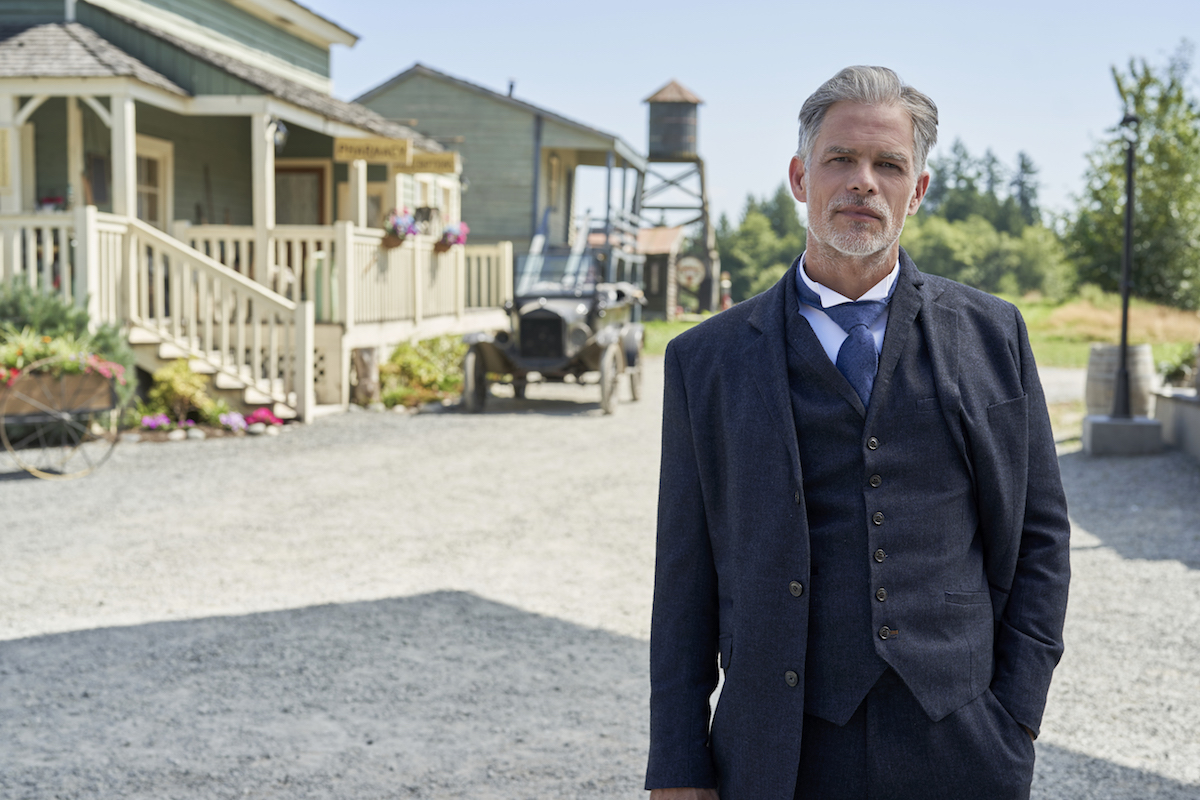
After the devastating mine collapse that forms the backdrop of the early series, the mine is permanently closed, and the town reclaims its identity as Hope Valley. During these middle-early seasons, the economy shifts toward lumber mills, small agriculture, and early oil exploration. The physical setting reflects the rapid growth of small-town infrastructure: wooden boardwalks are updated, permanent clapboard structures replace temporary tents, and the town gains a dedicated schoolhouse, church, hotel, and infirmary.
Industrialization and Modernization (1914–1920s)
In later seasons, Hope Valley becomes a microcosm of early 20th-century modernization. The town introduces switchboard-operated telephones, motorcars (such as early Model T Fords), motorized fire engines, and expanded rail connections. The arrival of these technologies reflects the historical reality of Western Canada during the late 1910s, when rural isolation began to diminish due to rail expansion and regional communication networks.
Geographical Setting: Where Does the Story Take Place?
When Calls the Heart takes place in the fictional town of Hope Valley, situated in the frontier region of Western Canada—specifically representing the province of Alberta or the interior of British Columbia.
During the 1910s, Western Canada was experiencing an influx of immigrants and eastern Canadians moving west under homesteading initiatives and resource booms. Settlers built communities around natural resources like timber, coal, and minerals.
Although Hope Valley is fictional, the show is filmed on a dedicated outdoor set known as the MacInnes Movie Ranch in Langley, British Columbia. The physical buildings—including the saloon, church, schoolhouse, and mercantile—are built in the style of early 20th-century Canadian frontier architecture, featuring false-front facades and timber framing typical of the era.
Key Historical Elements Depicted in the Show
The early 1910s setting provides a backdrop for several key historical institutions, socio-economic dynamics, and technological transitions.
1. The Royal Northwest Mounted Police (RNWMP)
One of the most distinct era-specific elements of the show is the prominent presence of Constable Jack Thornton and subsequent Mounties. Historically, the law enforcement body shown in the early seasons was the Royal Northwest Mounted Police (RNWMP).
The RNWMP operated in Western Canada from 1904 until 1920, when it absorbed the Dominion Police and was renamed the Royal Canadian Mounted Police (RCMP). The distinctive scarlet tunics, Stetson hats, and horseback patrols portrayed in the show accurately reflect the uniform and operational methods used by Mounties maintaining order in remote Western settlements during the 1910s.
2. Technological Evolution
The series serves as a visual chronicle of the Second Industrial Revolution’s impact on everyday citizens:
- Transportation: The town transitions from reliance on riding horses and horse-drawn buggies to early automobiles. The sight of horses sharing dirt roads with early automobiles was common in rural communities between 1910 and 1920.
- Communication: In the beginning, news travels via mail carriage or basic telegraph lines. Over time, the town installs a manual telephone switchboard, allowing residents to make local and long-distance calls through a central operator.
- Energy and Light: Kerosene lamps and wood-burning hearths gradually give way to localized electrical generators, allowing indoor electric light bulbs and mechanized equipment.
3. Women's Changing Roles and Social Reform
The 1910s were a pivotal decade for women's rights in Canada and across North America. The show reflects this through female characters who operate independent businesses, manage medical clinics, serve on town councils, and advocate for educational reform. Historically, Western Canadian provinces were among the first in the British Empire to grant women the right to vote in provincial elections, with Manitoba, Saskatchewan, and Alberta passing suffrage legislation in 1916, followed by British Columbia in 1917.
When Calls the Heart Book vs. TV Adaptation Timeline
The television series is inspired by the classic 1983 Christian fiction novel When Calls the Heart by Canadian author Janette Oke. However, there are notable differences in timeline and setting between the book series and the Hallmark Channel adaptation.
- The Book Series: Janette Oke’s Canadian West series begins in the late 19th century (roughly the 1880s–1890s). The original novel depicts an even more isolated, primitive frontier experience, where survival, harsh weather, and basic wilderness living are central themes.
- The Television Adaptation: Developed for television by Michael Landon Jr. and Brian Bird, the TV series pushed the setting forward to 1910. Moving the timeline into the 20th century allowed the producers to introduce modern story elements, colorful period fashion, early technology, and broader economic storylines while keeping the traditional frontier charm.
Historical Accuracy vs. Creative License
While When Calls the Heart captures the spirit and general timeline of early 20th-century Western Canada, the show prioritizes romantic period-drama storytelling over strict historical documentation. Understanding where the show adheres to history and where it takes creative liberties helps set proper expectations.
Where the Show Is Accurate
- Mountie Operations: The administrative hierarchy, regional patrols, and presence of the RNWMP match historical enforcement in frontier territories.
- Economic Transitions: The shift from coal mining to timber production, small-scale farming, and independent merchant trades reflects true Western Canadian economic patterns of the 1910s.
- Technological Arrival: The order in which technologies arrive—first the telegraph, followed by landline phones, motorcars, and commercial petroleum exploration—aligns with historical rollout timelines for isolated rural towns.
Where the Show Takes Creative Liberties
- Wardrobe and Grooming: The costumes in When Calls the Heart are notoriously clean, tailored, and vibrant compared to historical 1910s frontier attire. Women frequently wear bright pastel dresses with modern hair styling, and characters maintain pristine grooming despite working in dusty, muddy environments.
- Sanitation and Infrastructure: Real frontier mining towns in 1910 suffered from severe mud, coal dust, poor sanitation, and frequent outbreaks of disease. Hope Valley presents an idealized, spotless aesthetic suitable for family viewing.
- Social Etiquette: While the show respects early 20th-century social decorum, character interactions and gender dynamics often reflect modern sensibilities, allowing female leads greater career autonomy than was typical for rural settlements in 1910.
Frequently Asked Questions
Is When Calls the Heart set in the 1800s or 1900s?
When Calls the Heart is set in the 1900s—specifically starting in the year 1910 during the early 20th century. It is not set in the 1800s, though Janette Oke's original book series was set closer to the late 19th century.
What year is Season 1 of When Calls the Heart set in?
Season 1 of When Calls the Heart begins in 1910. This establishment date is referenced in the pilot episode when Elizabeth Thatcher moves from Hamilton, Ontario, to the frontier town of Coal Valley.
Is Hope Valley a real town in Canada?
No, Hope Valley is a fictional town created for the show (originally named Coal Valley in Season 1). The series is filmed on a set built at the MacInnes Movie Ranch in Langley, British Columbia, Canada.
What was the police force called in When Calls the Heart?
The law enforcement officer in the show belongs to the Royal Northwest Mounted Police (RNWMP). This was the real-life predecessor to the modern Royal Canadian Mounted Police (RCMP), operating under the RNWMP name from 1904 until 1920.
Why do the characters drive cars if it is a period drama?
Automobiles like the Model T Ford became widely produced after 1908 and began appearing in rural North American towns throughout the 1910s. Because When Calls the Heart spans the 1910s decade, the introduction of early motorcars aligns with the historical timeline of the era.
Recommended Next Steps for Viewers and History Buffs
If you enjoy the historical setting of When Calls the Heart and want to explore the real-life history or original literature behind the show, consider the following steps:
- Read Janette Oke’s Original Book Series: Start with the 1893-based novel When Calls the Heart (published in 1983) to compare the book's late 19th-century frontier setting with the show’s 1910s television environment.
- Explore Western Canadian Frontier History: Research the history of the Royal Northwest Mounted Police and the settlement of Western Canada in the post-Edwardian era through official historical resources like the National Film Board of Canada archives.
- Visit the Film Location: Period drama enthusiasts visiting British Columbia can research public tours or local events around the Langley area, where the permanent Hope Valley set is preserved.
Image Gallery