The Net Worth of Norman Vincent Peale Explained: A Legacy of Positive Thinking and Publication
At the time of his death in 1993, Dr. Norman Vincent Peale had an estimated net worth of approximately $15 million to $20 million. This wealth was primarily derived from the massive success of his book, The Power of Positive Thinking,...
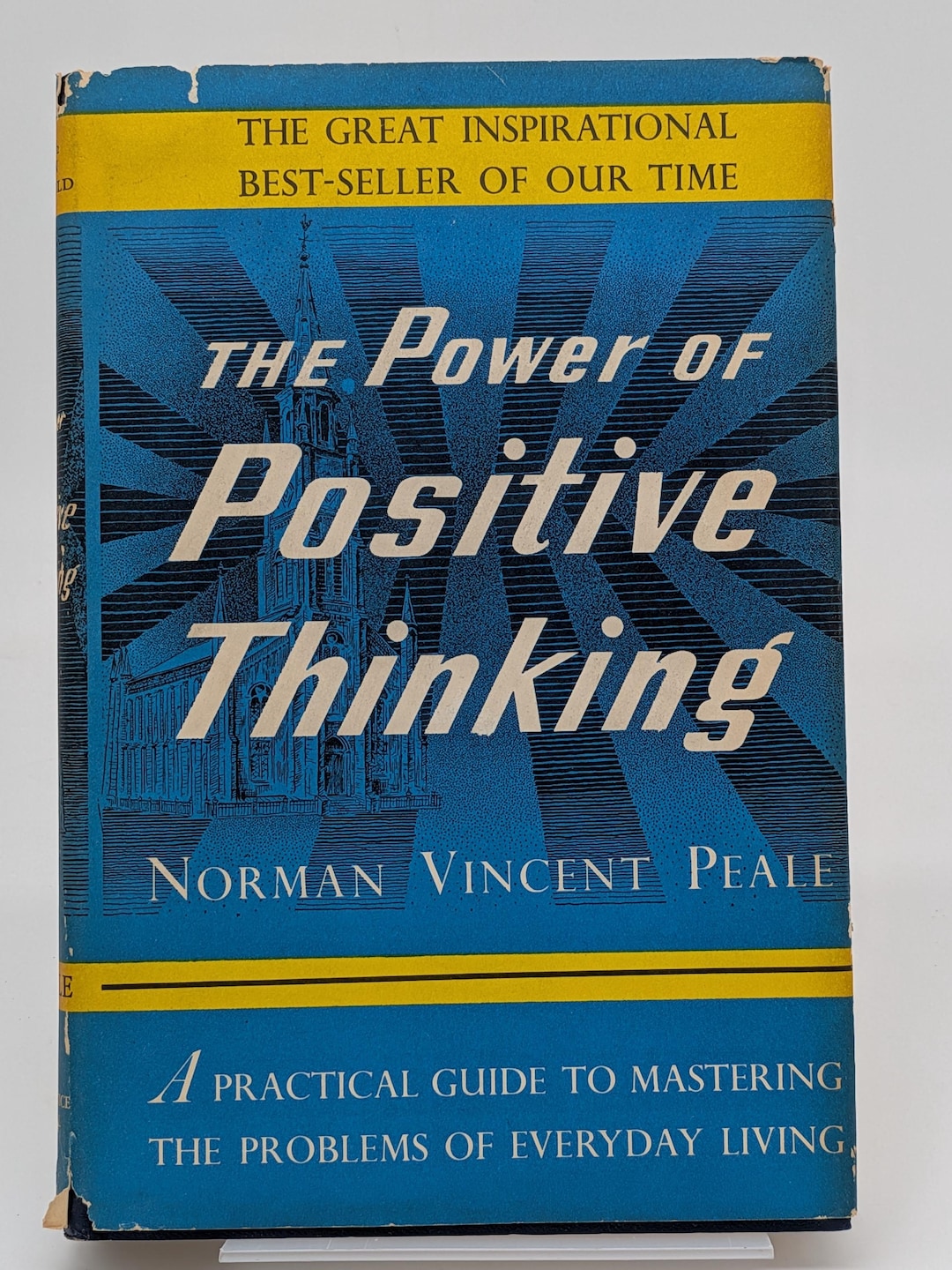
At the time of his death in 1993, Dr. Norman Vincent Peale had an estimated net worth of approximately $15 million to $20 million. This wealth was primarily derived from the massive success of his book, The Power of Positive Thinking, his roles in media, and the founding of the influential Guideposts magazine.
Contents
While the name is occasionally searched as "Norman Vincent Peel," the correct historical figure is Dr. Norman Vincent Peale, the minister and author who revolutionized the self-help genre in the mid-20th century. His financial success was not merely the result of a high-profile ministry at New York’s Marble Collegiate Church, but rather a sophisticated multi-media empire that included publishing, radio, television, and public speaking. In 2026, his estate’s value, if adjusted for modern inflation and ongoing intellectual property royalties, represents a pioneer model for the modern motivational industry.
The Financial Foundation: "The Power of Positive Thinking"
The primary driver of Norman Vincent Peale's net worth was his 1952 masterpiece, The Power of Positive Thinking. This book was not just a literary success; it was a cultural phenomenon that stayed on the New York Times bestseller list for 186 consecutive weeks.
Sales Volume and Royalty Structures
By the time of Peale's passing, the book had sold over 20 million copies in dozens of languages. In the publishing world of the 1950s and 60s, a standard royalty for a hardcover bestseller ranged from 10% to 15% of the retail price. Given the volume of sales, the book generated millions of dollars in personal income for Peale. Even today, the book continues to sell thousands of copies annually, providing a steady stream of passive income to his estate and the foundations he established.
Translation and Global Licensing
Peale’s wealth was further bolstered by international rights. The Power of Positive Thinking was translated into over 40 languages. Each international territory required separate licensing agreements, which typically included an upfront advance and ongoing royalties. This global reach ensured that Peale’s financial footprint extended far beyond the United States, tapping into markets in Europe, Asia, and South America.
The Business of Media: Guideposts and Broadcasting
Beyond his books, Peale was a media pioneer. He understood early on that a message of inspiration could be scaled through modern technology and subscription-based models.
The Success of Guideposts Magazine
In 1945, Peale and his wife, Ruth Stafford Peale, founded Guideposts. What began as a small inspirational leaflet grew into a massive publication with a circulation that peaked at over 4 million subscribers. While Guideposts was established as a non-profit organization (Guideposts Associates, Inc.), the reach and influence of the magazine served as a powerful marketing engine for Peale’s other ventures. The organization’s growth provided the Peales with a platform that increased his value as a speaker and author.
Radio and Television Earnings
Peale hosted a long-running radio program, The Art of Living, which was broadcast for over 50 years. He also had a television show in the 1950s titled What's Your Trouble?. While these programs were often produced in conjunction with his ministry, they significantly raised his profile, making him one of the most sought-after public speakers in the world. High-profile speaking engagements in the 1970s and 80s could command fees that would be the equivalent of $20,000 to $50,000 per event today.
Professional Ministry at Marble Collegiate Church
From 1932 to 1984, Peale served as the senior minister of Marble Collegiate Church in New York City. This was one of the most prestigious pulpits in the United States. While the salaries of clergy are generally not public record, the minister of a major Manhattan congregation during that era would have received a substantial housing allowance, benefits, and a competitive salary.
However, it is important to note that Peale’s primary wealth did not come from the church’s coffers. Instead, the church served as the base of his operations. The visibility he gained from the pulpit allowed him to launch his writing career. By the 1950s, his income from book royalties and speaking engagements far eclipsed his clerical salary.
The Peale Estate and Intellectual Property in 2026
As of 2026, the legacy of Norman Vincent Peale continues to be managed through various entities, including the Peale Center for Christian Living and the Horatio Alger Association (where he was a founding member). The intellectual property (IP) rights to his name, likeness, and over 40 books are meticulously managed.
Valuation of Intellectual Property
The "Peale Brand" remains valuable because the concepts of "positive thinking" and "optimism" are evergreen. In the modern era, intellectual property is often more valuable than physical assets. The estate continues to collect royalties from digital sales, audiobooks, and licensing for motivational seminars. If we were to value Peale’s total financial impact—including the assets of the non-profits he founded and the cumulative earnings of his works—the figure would exceed $100 million in 2026 currency.
Real Estate Holdings
During his life, Peale maintained residences in New York and rural areas, which appreciated significantly over the decades. The Peale family’s real estate holdings were part of a diversified portfolio that included stocks and bonds, typical for a high-net-worth individual of his era.
Comparative Earnings and Economic Impact
To understand the scale of Norman Vincent Peale's net worth, it is helpful to compare his primary revenue sources with other major figures in the inspirational and publishing industries of the 20th century.
| Revenue Stream | Estimated Impact (Lifetime) | Primary Driver |
|---|---|---|
| Book Sales | $30M - $50M (Gross) | The Power of Positive Thinking and 40+ other titles. |
| Guideposts Subscriptions | $100M+ (Organization Revenue) | Massive scale of 4 million+ monthly subscribers. |
| Speaking Engagements | $5M - $10M | Corporate events and national conventions. |
| Media (Radio/TV) | $2M - $5M | Syndication and sponsorship deals. |
| Investments | Variable | Conservative portfolio in equities and Manhattan real estate. |
Philanthropy and the Distribution of Wealth
Norman Vincent Peale was not known for a lavish lifestyle. Much of his wealth was reinvested into his mission. He and his wife were significant philanthropists, donating millions to educational institutions and religious organizations.
The Peale Foundation and the Peale Center were the primary beneficiaries of his estate. These organizations were designed to ensure that his message survived long after his death. By funneling his wealth into these structures, Peale ensured that his net worth would transition into a "legacy fund" that continues to operate in 2026. This move also provided significant tax advantages, allowing the core of his fortune to remain intact for charitable purposes rather than being heavily depleted by estate taxes.
Criticisms and the "Business of Faith"
Peale’s wealth was not without controversy. In the 1950s and 60s, some theologians and psychologists criticized him for what they called "the cult of optimism." They argued that he was commercializing faith. From a financial perspective, however, this "commercialization" was a masterclass in brand building. Peale was one of the first individuals to successfully bridge the gap between religious guidance and the business of self-improvement, a path later followed by figures like Tony Robbins and various modern megachurch pastors.
His ability to monetize a message of hope created a blueprint for the modern self-help industry. When analyzing his net worth, one must view it through the lens of an entrepreneur who recognized the market demand for mental and spiritual resilience.
Frequently Asked Questions
What was Norman Vincent Peale's most profitable book?
The Power of Positive Thinking was by far his most profitable work. Published in 1952, it sold over 20 million copies and was translated into 41 languages. The royalties from this single title accounted for the majority of his personal wealth.
Did Norman Vincent Peale start Guideposts for profit?
While Guideposts became a very successful and wealthy organization, it was established as a non-profit. Peale used the magazine's platform to spread his message, and while the organization held significant assets, it was not a direct source of "personal profit" in the same way his book royalties were.
Who inherited Norman Vincent Peale's estate?
His estate was primarily managed by his wife, Ruth Stafford Peale, until her death in 2008, and their three children. A significant portion of the ongoing royalties and assets were also directed toward the Peale Center and other charitable foundations established by the family.
How does Peale's net worth compare to modern motivational speakers?
Adjusted for inflation, Peale's net worth of $15-$20 million in 1993 would be roughly $35-$45 million in 2026. While modern speakers like Tony Robbins have net worths in the hundreds of millions, Peale was a pioneer who operated in a time before the massive scaling of digital courses and social media monetization.
Was Norman Vincent Peale a billionaire?
No. While he was very wealthy and his foundations controlled significant sums, his personal net worth never reached the billionaire status. He lived a relatively comfortable but disciplined life focused on his ministry and writing.
Practical Recommendation for Researchers
For those looking to verify the financial legacy of Norman Vincent Peale in 2026, the best course of action is to review the public tax filings (Form 990) of Guideposts Associates, Inc. and the Peale Center. While his personal estate records are private, these filings provide a transparent look at the ongoing financial health and scale of the organizations he founded. Additionally, the Horatio Alger Association provides historical context on Peale's business ethics and his contributions to the American "rags-to-riches" narrative.
Image Gallery