Tennessee Universal Life Insurance Explained
Tennessee universal life insurance is a form of permanent life insurance that combines a death benefit with a flexible savings component known as cash value. Regulated by the Tennessee Department of Commerce and Insurance, these polici...
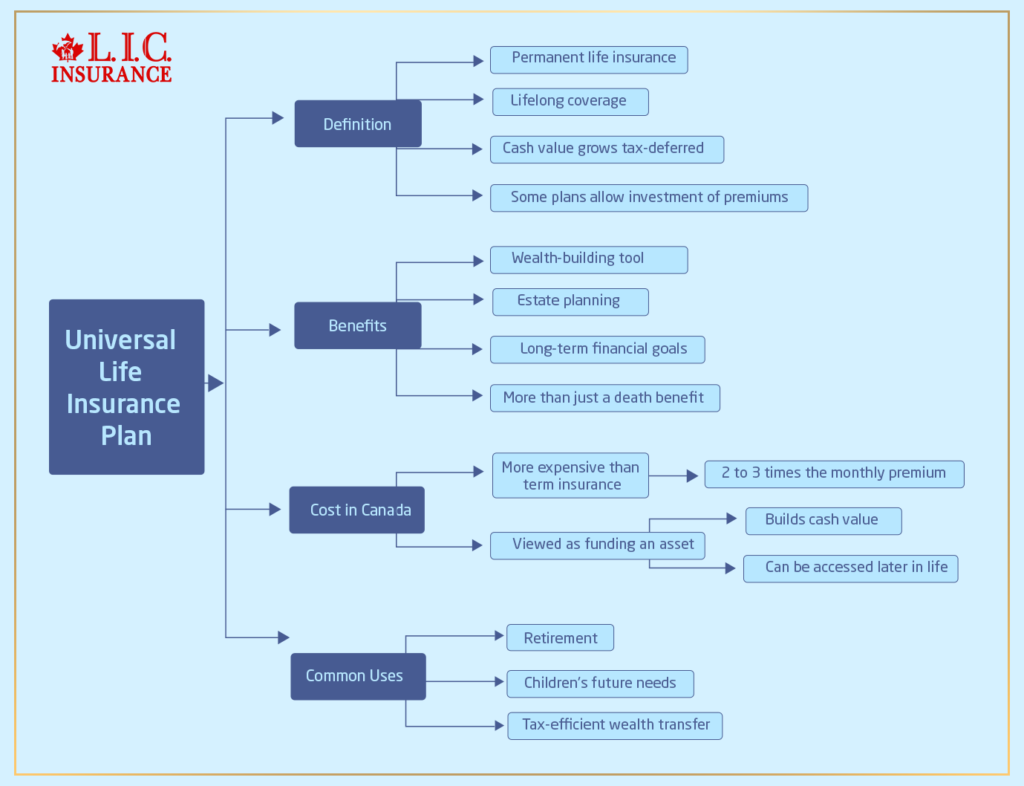
Tennessee universal life insurance is a form of permanent life insurance that combines a death benefit with a flexible savings component known as cash value. Regulated by the Tennessee Department of Commerce and Insurance, these policies allow policyholders to adjust premium payments and death benefits over time, providing a versatile financial tool for long-term protection and tax-deferred wealth accumulation.
Contents
Universal life (UL) insurance serves as a middle ground between the rigid structure of whole life insurance and the temporary nature of term life insurance. For Tennessee residents in 2026, understanding how these policies function is essential for navigating estate planning, retirement supplementation, and family protection. Unlike term insurance, which expires after a set duration, universal life is designed to remain in force as long as the policy is sufficiently funded. The distinguishing characteristic of UL is its "unbundled" nature, where the protection element, the savings element, and the administrative expenses are accounted for separately, offering transparency that other permanent products may lack.
The Mechanics of Universal Life Insurance in Tennessee
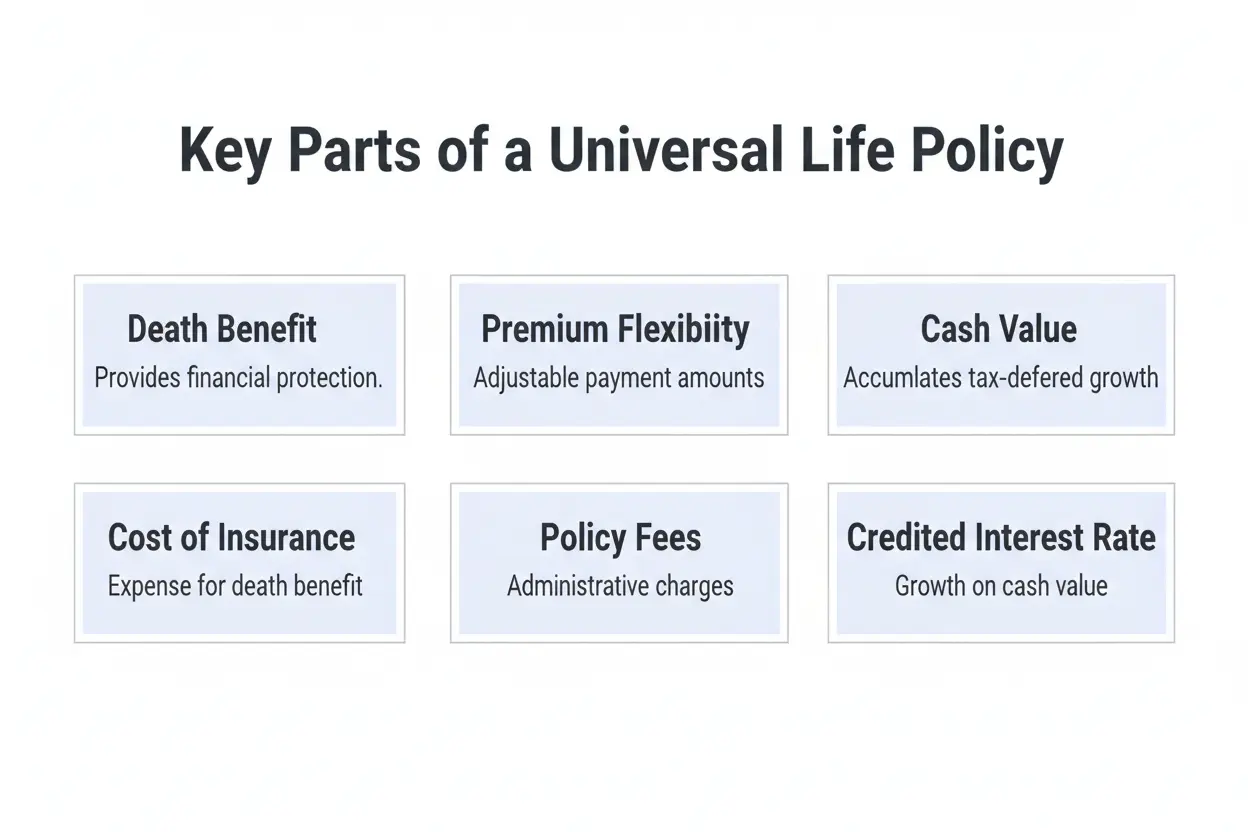
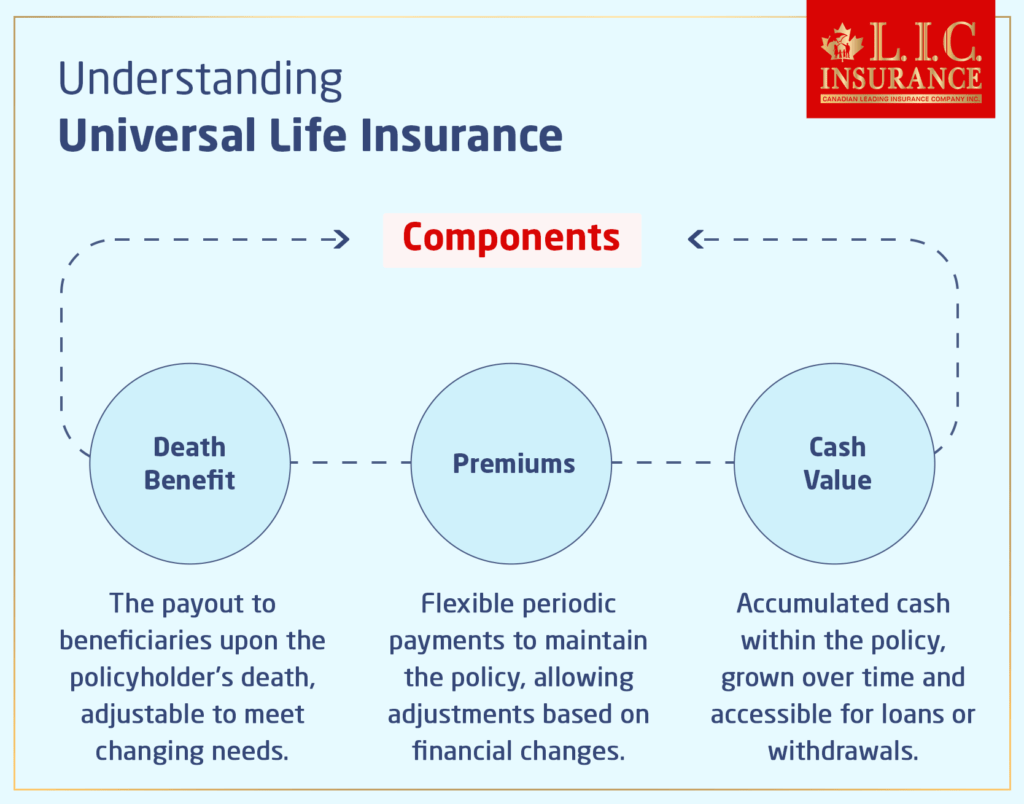
To grasp how Tennessee universal life insurance works, one must understand the relationship between premiums, cash value, and the cost of insurance (COI). When a policyholder pays a premium, a portion is directed toward the COI—which covers the mortality risk to the insurer—and administrative fees. The remaining balance is credited to the policy’s cash value account, where it earns interest based on the specific type of universal life policy chosen.
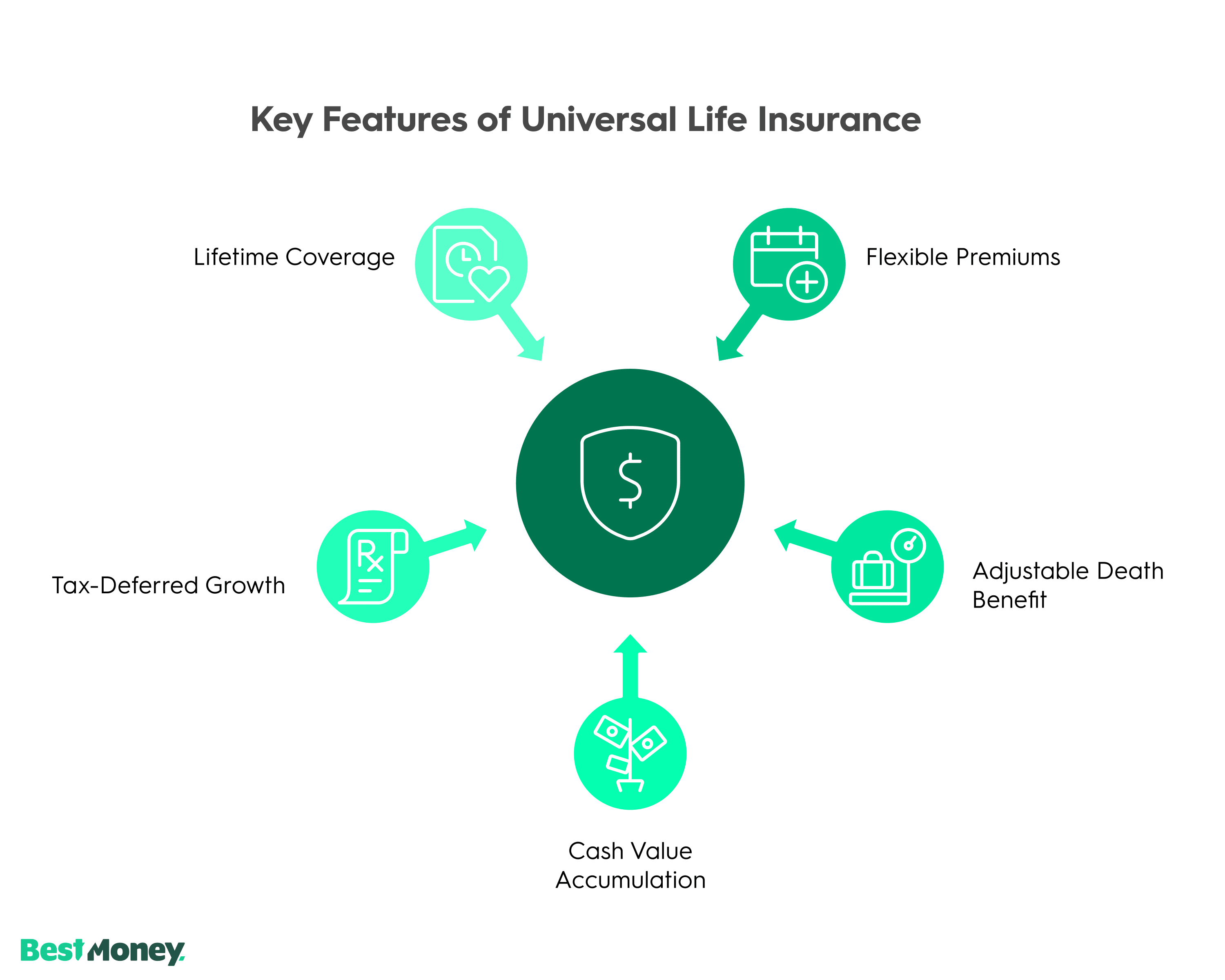
The flexibility of UL insurance allows Tennessee policyholders to increase or decrease their premium payments within certain limits set by the insurance company. If the cash value account has grown sufficiently, the policyholder may even use those funds to pay the premiums entirely, effectively making the policy "self-funding" for a period. However, this flexibility requires diligent monitoring. If the cash value drops too low to cover the monthly cost of insurance and fees, the policy may lapse, leaving the insured without coverage.
Cash Value Accumulation and Tax Advantages
The cash value component of a Tennessee universal life policy grows on a tax-deferred basis under Internal Revenue Code Section 7702. This means policyholders do not pay taxes on the interest or gains as they accrue. In 2026, this remains a primary draw for high-net-worth individuals in Nashville, Memphis, and across the state who are looking for tax-efficient ways to build assets.
Furthermore, policyholders can often access this cash value through policy loans or partial withdrawals. While loans must eventually be repaid or deducted from the death benefit, they typically do not trigger an immediate tax event, provided the policy remains active and is not classified as a Modified Endowment Contract (MEC).
Types of Universal Life Insurance Available in Tennessee
The Tennessee insurance market offers several variations of universal life insurance, each catering to different risk tolerances and financial goals.
1. Indexed Universal Life (IUL)
Indexed Universal Life is currently a popular choice in Tennessee due to its balance of growth potential and downside protection. The interest credited to the cash value is linked to the performance of a market index, such as the S&P 500. While the policy does not directly invest in the stock market, the insurer uses a formula to credit interest based on index gains, usually subject to a "cap" (maximum return) and a "floor" (minimum return, often 0%). This ensures that even if the market declines, the cash value does not lose principal due to market performance.
2. Variable Universal Life (VUL)
Variable Universal Life is the most aggressive form of UL. It allows policyholders to invest their cash value in various sub-accounts, which function similarly to mutual funds. Because the cash value is directly tied to the performance of these investments, VUL policies offer the highest potential for growth but also the highest risk. In Tennessee, VUL policies are considered securities and must be sold by agents with the appropriate FINRA licensing.
3. Guaranteed Universal Life (GUL)
Guaranteed Universal Life, often referred to as "Secondary Guarantee Universal Life," focuses less on cash value accumulation and more on permanent death benefit protection. These policies are designed to stay in force until a specific age (often 90, 100, or 121), provided a minimum premium is paid. They are generally less expensive than traditional UL or whole life policies because they do not build significant cash reserves.
Tennessee State Regulations and Consumer Protections
The Tennessee Department of Commerce and Insurance (TDCI) oversees all life insurance activities within the state. Tennessee law provides specific protections and mandates that insurers must follow to ensure transparency and fairness.
The "Free Look" Period
In Tennessee, new life insurance policyholders are typically granted a "free look" period, which is usually 10 days from the date of policy delivery. During this window, the owner can review the contract and, if unsatisfied for any reason, return the policy for a full refund of all premiums paid. This is a critical consumer right that allows for a final verification of the policy terms without financial penalty.
The Tennessee Life and Health Insurance Guaranty Association
If an insurance company authorized to do business in Tennessee becomes insolvent or is unable to meet its financial obligations, the Tennessee Life and Health Insurance Guaranty Association provides a safety net. For life insurance death benefits, the association generally provides coverage up to $300,000 per insured life, while cash surrender values are typically protected up to $100,000. These limits ensure that Tennessee residents have a baseline of security when purchasing long-term permanent insurance.
Grace Periods and Lapse Notices
Tennessee statutes require insurers to provide a grace period (commonly 30 or 31 days) for premium payments. If a universal life policy is in danger of lapsing due to insufficient cash value, the insurer must typically send a notification to the policyholder’s last known address, providing an opportunity to pay the necessary amount to keep the policy in force.
Comparing Tennessee Universal Life to Other Policy Types
When deciding if universal life is the right choice, it is helpful to compare its features against term and whole life insurance.
| Feature | Term Life Insurance | Whole Life Insurance | Universal Life Insurance |
|---|---|---|---|
| Duration | Temporary (10–30 years) | Permanent (Lifetime) | Permanent (Lifetime) |
| Premiums | Fixed for the term | Fixed for life | Flexible |
| Cash Value | None | Guaranteed growth | Variable interest/Index-linked |
| Death Benefit | Fixed | Guaranteed | Adjustable |
| Complexity | Low | Moderate | High |
| Best For | Temporary needs (mortgage) | Lifetime stability | Flexibility and tax planning |
Considerations for Tennessee Residents in 2026
As we navigate 2026, several factors influence the performance and suitability of universal life insurance in the Volunteer State. Interest rate environments significantly impact the "current assumption" universal life policies. When interest rates are higher, the cash value in a traditional UL policy grows more quickly, potentially allowing for lower out-of-pocket premiums.
Estate Planning and the Absence of State Inheritance Tax
Tennessee eliminated its inheritance tax as of January 1, 2016. However, federal estate taxes still apply to very large estates. Universal life insurance remains a staple in Tennessee estate planning because the death benefit is generally received by beneficiaries free of federal income tax. It can be used to provide liquidity to pay federal estate taxes, settle debts, or ensure an equal inheritance among heirs when illiquid assets (like a family farm or business) are involved.
The Risk of Underfunding
The greatest risk associated with universal life insurance is underfunding. Many policies issued in previous decades faced challenges when interest rates remained low for extended periods, causing the cash value to deplete faster than expected. In 2026, Tennessee consumers are advised to request "in-force illustrations" annually. These documents project the future performance of the policy based on current interest rates and COI charges, helping the owner determine if a premium increase is necessary to prevent a future lapse.
How to Apply for Universal Life Insurance in Tennessee
The application process for a universal life policy in Tennessee involves several steps designed to assess the risk and determine the appropriate premium.
- Needs Analysis: Work with a licensed Tennessee insurance agent to determine the amount of coverage needed and the primary goal (e.g., pure protection vs. cash accumulation).
- Illustration Review: The agent will provide a basic illustration. This is a hypothetical projection showing how the policy might perform over time. Pay close attention to the "guaranteed" vs. "non-guaranteed" columns.
- Application and Medical Underwriting: You will complete an application detailing your medical history and lifestyle. Most Tennessee insurers require a paramedical exam, which includes checking height, weight, blood pressure, and blood/urine samples.
- Policy Issue and Delivery: Once the insurance company’s underwriters approve the application, the policy is issued. The "free look" period begins upon delivery.
Frequently Asked Questions
Can I change my death benefit on a Tennessee universal life policy?
Yes. One of the primary advantages of universal life insurance is the ability to adjust the death benefit. If your needs increase (e.g., a new child), you can request an increase, though this usually requires new medical evidence of insurability. Conversely, if your needs decrease (e.g., the mortgage is paid off), you can lower the death benefit to reduce the monthly cost of insurance.
What happens if I stop paying premiums?
If you stop paying premiums, the insurance company will deduct the monthly cost of insurance and administrative fees directly from your accumulated cash value. As long as there is enough cash value to cover these expenses, the policy remains active. Once the cash value is exhausted, the policy will enter a grace period and eventually lapse if no further payments are made.
Are universal life insurance proceeds taxable in Tennessee?
Generally, no. Death benefits paid to beneficiaries from a life insurance policy are not subject to federal or state income tax. However, if the policy was "sold" for value (Transfer-for-Value Rule) or if the death benefit is paid to the estate rather than a named beneficiary, there may be tax implications. For residents of Tennessee, the lack of a state inheritance tax further simplifies the tax-free transfer of these funds.
Is an IUL better than a traditional UL in the current 2026 market?
The "better" option depends entirely on your risk tolerance. An Indexed Universal Life (IUL) policy offers the potential for higher gains when the equity markets perform well, whereas a traditional UL policy provides more predictable interest crediting based on the insurer's general account performance. In 2026, many Tennessee residents prefer IUL for its "floor" of 0%, protecting them from market losses while allowing for upside participation.
Practical Recommendation for Policyholders
Before committing to a Tennessee universal life insurance policy in 2026, ensure you have a clear understanding of the "internal charges." Ask your agent for a breakdown of the premium load, surrender charges, and the maximum cost of insurance allowed under the contract. Because these policies are long-term commitments, it is often beneficial to overfund the policy in its early years to build a robust cash value cushion. This provides greater flexibility later in life and protects the policy against periods of low interest rates or market volatility. Regularly reviewing your policy with a professional ensures that your coverage evolves alongside Tennessee’s changing economic landscape.
Image Gallery