Uncovering the Yacht Used in the Film Adaptation of The Woman in Cabin 10
When cinematic adaptations of bestselling psychological thrillers enter production, fans and maritime enthusiasts alike often shift their focus away from the plot to examine the real-world luxury assets featured on screen. For the scre...
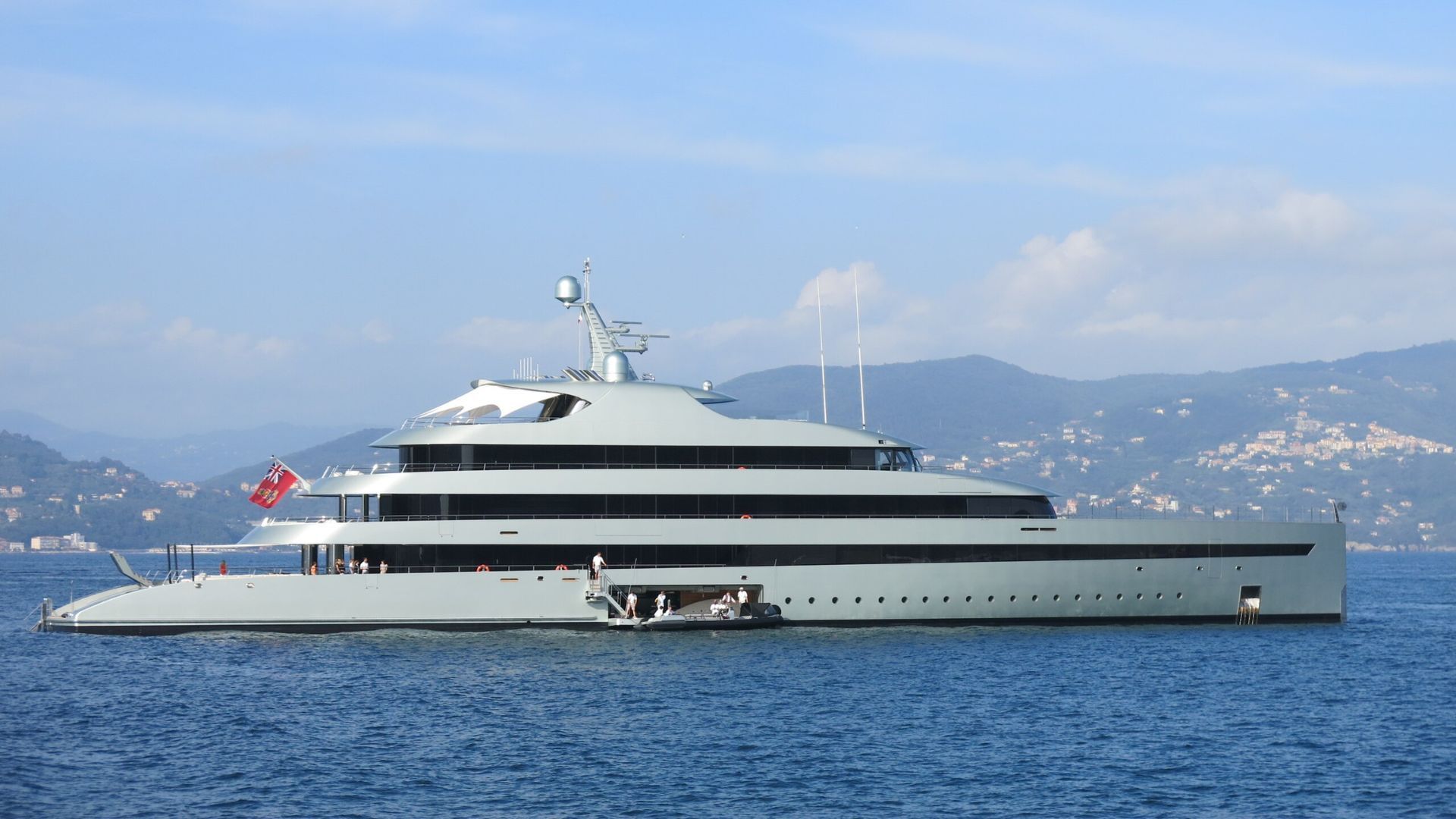
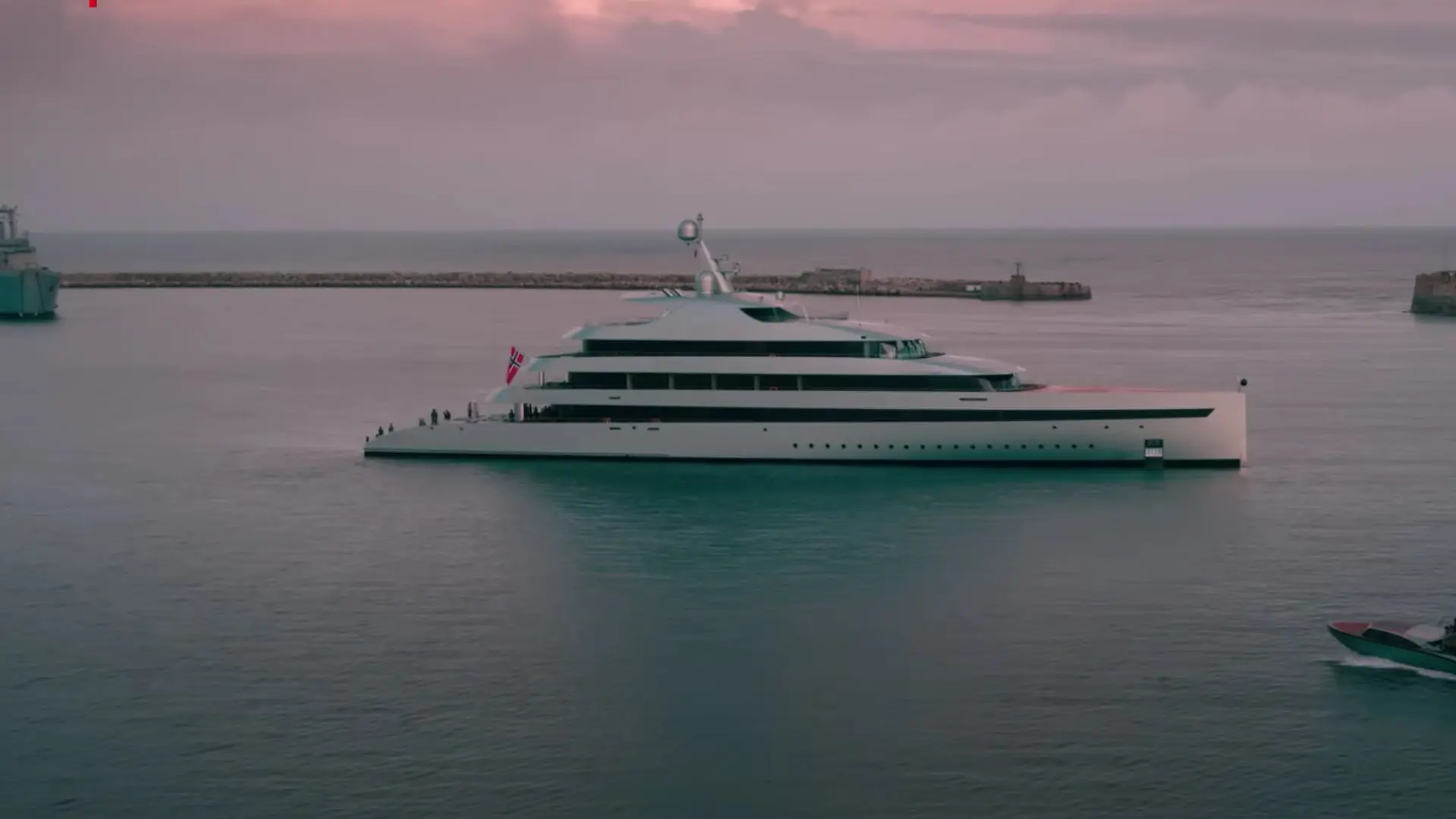
When cinematic adaptations of bestselling psychological thrillers enter production, fans and maritime enthusiasts alike often shift their focus away from the plot to examine the real-world luxury assets featured on screen. For the screen adaptation of Ruth Ware’s bestselling novel The Woman in Cabin 10, the choice of vessel is not merely a background prop; it serves as a primary, claustrophobic setting that dictates the atmosphere of the entire narrative. Identifying the specific yacht utilized during filming requires looking behind the scenes at the production design choices, studio logistics, and the actual maritime vessels chartered or built to portray the fictional luxury cruise ship, the Aurora boreal.
Contents
Understanding the Setting: From Novel to Screen
Ruth Ware’s 2016 novel The Woman in Cabin 10 centers on travel journalist Lo Blacklock, who embarks on an exclusive cruise aboard a small, luxury boutique yacht named the Aurora. The premise relies heavily on the intimate, high-end, yet isolated environment of a luxury vessel where passengers mingle closely, making a supposed disappearance both terrifying and baffling. When adaptations move from page to screen, production teams face the monumental task of translating this literary vision into a tangible, visually striking cinematic experience.
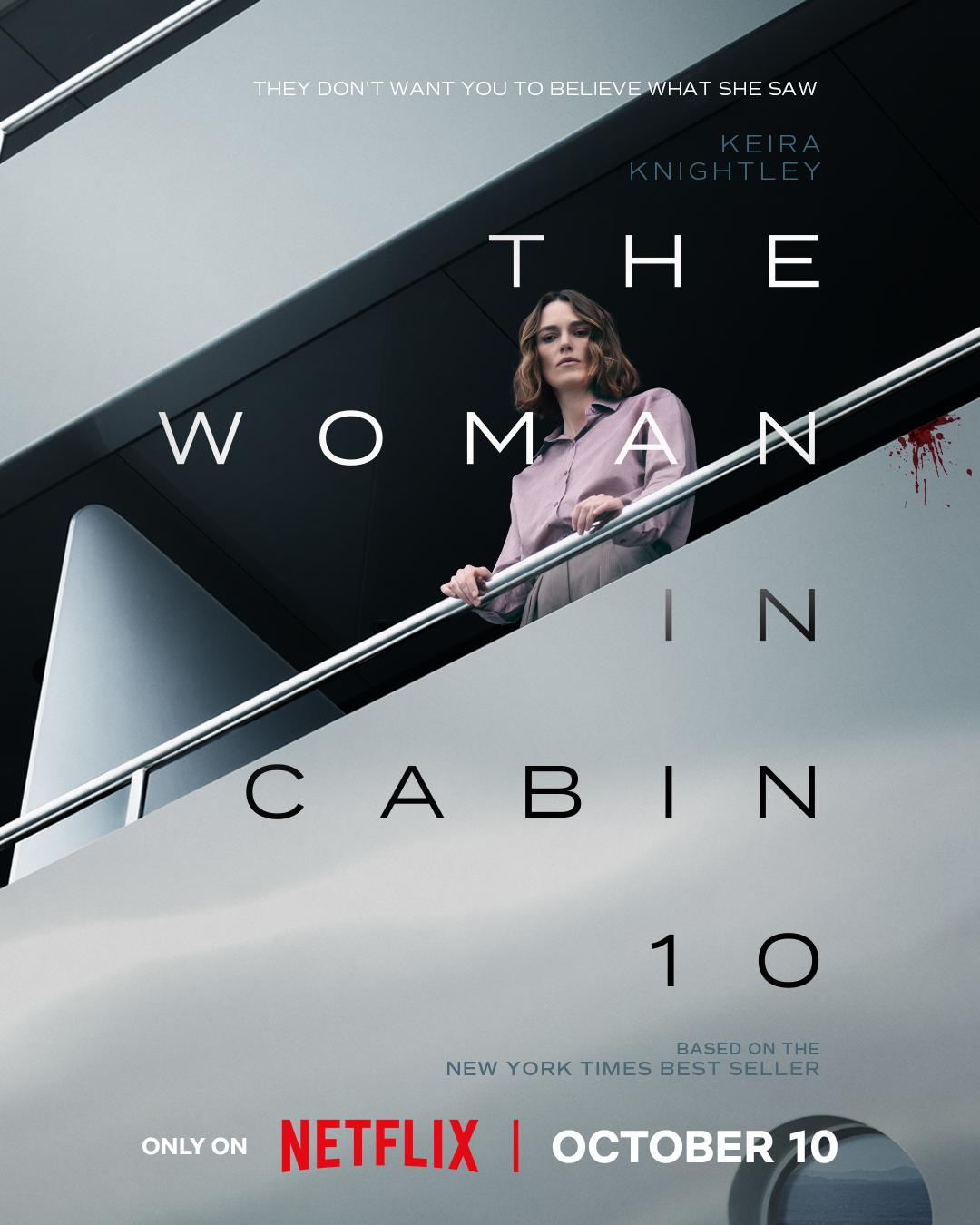
In translating the story for the screen—specifically starring Keira Knightley in the lead role under the direction of Simon Stone for Netflix—the production required a vessel that could convey elite luxury while simultaneously offering the tight, confined corridors necessary for a psychological thriller. Rather than relying entirely on computer-generated imagery (CGI) or building a full-scale ship from scratch in a dry dock, filmmakers typically combine practical locations aboard real luxury superyachts with specialized soundstage replicas.
The Practical Challenges of Filming on a Luxury Yacht
Filming a feature-length motion picture on a functioning superyacht presents severe logistical hurdles. Luxury yachts are engineered for private leisure, relaxation, and high-end chartering, not for the heavy equipment, lighting rigs, sound booms, and dozens of cast and crew members required by a major motion picture production.
- Space Constraints: Cabins, corridors, and communal decks on high-end yachts are notoriously narrow. Moving a cinema-grade camera rig down a stateroom hallway requires specialized equipment or modular set pieces.
- Logistical Control: High-end vessels command astronomical charter fees, often running into hundreds of thousands—or even millions—of dollars per week. Production schedules must be rigidly maintained to avoid costly overruns.
- Safety and Regulations: Maritime laws, insurance liabilities, and environmental regulations strictly govern open-water filming, limiting where and how a production crew can operate a vessel of considerable size.
Consequently, modern film productions frequently utilize a hybrid approach. Exterior sweeping shots, arrivals, departures, and select deck sequences are captured using a real, chartered luxury yacht or superyacht. Meanwhile, interior scenes—especially those inside specific staterooms like Cabin 10—are meticulously recreated on custom soundstages where walls can be removed to accommodate camera angles.
Maritime Specifications of Cinematic Superyachts
When studios search for a vessel to play a starring role in a high-stakes maritime thriller, specific technical parameters guide their selection. The vessel must possess a sleek, modern, or classic silhouette that instantly communicates wealth and exclusivity to the audience.
| Feature Category | Production Requirement | Real-World Application |
|---|---|---|
| Vessel Length | 50 to 90+ meters | Provides adequate scale for exterior drone and helicopter shots without being impossible to maneuver in port. |
| Deck Layout | Multiple multi-tier sun decks, infinity pools, and helipads | Essential for staging dramatic character interactions, social gatherings, and tense confrontations in the open air. |
| Interior Aesthetic | Minimalist modern luxury, dark wood paneling, or Art Deco accents | Enhances the psychological mood; sleek lines and polished surfaces reflect lighting in ways that build tension. |
| Operational Range | Transatlantic or long-range cruising capability | Allows the production unit to move between shooting locations without constant refueling stops. |
Behind the Scenes: Production Design and Visual Effects
The artistry of bringing The Woman in Cabin 10 to the screen extends far beyond selecting a single floating asset. Production designer sets and digital effects teams work in tandem with maritime coordinators to ensure continuity between the real yacht used for exterior establishing shots and the soundstage builds used for dramatic dialogue scenes.
During principal photography, exterior shots of the yacht navigating open waters establish the grand scale of the journey. When characters look out their portholes or wander the decks at night, the visual language shifts. Lighting plays a pivotal role; stark shadows, cold LED highlights, and the deep, pitch-black expanse of the ocean visible through glass panes reinforce the isolation experienced by the protagonist.
Furthermore, post-production digital artists often enhance the practical footage. They may alter the name emblazoned on the stern, modify exterior architectural elements to match the fictional Aurora, or adjust weather conditions to heighten the atmospheric dread as the plot thickens.
Frequently Asked Questions
What is the name of the ship in The Woman in Cabin 10?
In the original novel by Ruth Ware, the fictional ship is a small luxury cruise liner named the Aurora. In the cinematic adaptation, the vessel's representation on screen bridges real-world superyacht exteriors with customized studio sets.
Was the entire film shot on a real yacht?
No. While exterior shots, arrivals, and select deck sequences typically utilize real-world luxury vessels or marine doubles, interior scenes, tight corridors, and cabin sequences are constructed on soundstages to accommodate film crews, lighting equipment, and camera tracks.
Who stars in the film adaptation of The Woman in Cabin 10?
The Netflix adaptation is headlined by Academy Award-nominee Keira Knightley, who portrays the protagonist Lo Blacklock, a journalist trapped in a nightmare scenario at sea.
Why do film productions use soundstages instead of real ships for interior scenes?
Real yacht interiors are exceptionally cramped, making it difficult to position film cameras, booms, and lighting equipment. Soundstage replicas feature "wild walls"—walls that can be moved or removed—giving directors and cinematographers the flexibility required for complex setups.
Where can I stream or watch The Woman in Cabin 10?
The film adaptation is distributed by Netflix. Release schedules and availability depend on regional streaming rights and the production's finalized post-production timeline.
Next Actions for Fans and Maritime Enthusiasts
For readers and viewers looking to deepen their appreciation of the film, revisiting Ruth Ware’s original novel offers a clear baseline for how the book's claustrophobic atmosphere compares to the visual choices made by director Simon Stone. Keep an eye on official Netflix promotional materials, featurettes, and behind-the-scenes documentaries released closer to the film's premiere for specific breakdowns of the naval architecture and special effects used to bring the luxury vessel to life.
Image Gallery