Workers’ Compensation for Contractors in NYC: 2026 Compliance and Cost Guide
In New York City, workers’ compensation is a mandatory insurance requirement for virtually all contractors who employ one or more individuals, including full-time, part-time, and seasonal workers. As of 2026, the New York State Workers...
In New York City, workers’ compensation is a mandatory insurance requirement for virtually all contractors who employ one or more individuals, including full-time, part-time, and seasonal workers. As of 2026, the New York State Workers’ Compensation Board strictly enforces these regulations to ensure that injured workers receive medical care and wage replacement while protecting employers from direct litigation resulting from workplace accidents.
Contents
The Legal Framework for NYC Contractor Coverage
The foundation of workers' compensation in New York City is rooted in the New York State Workers’ Compensation Law, specifically Section 10, which mandates that employers provide benefits to employees for injuries "arising out of and in the course of employment." For contractors operating within the five boroughs, this is not merely a financial safeguard but a prerequisite for legal operation.
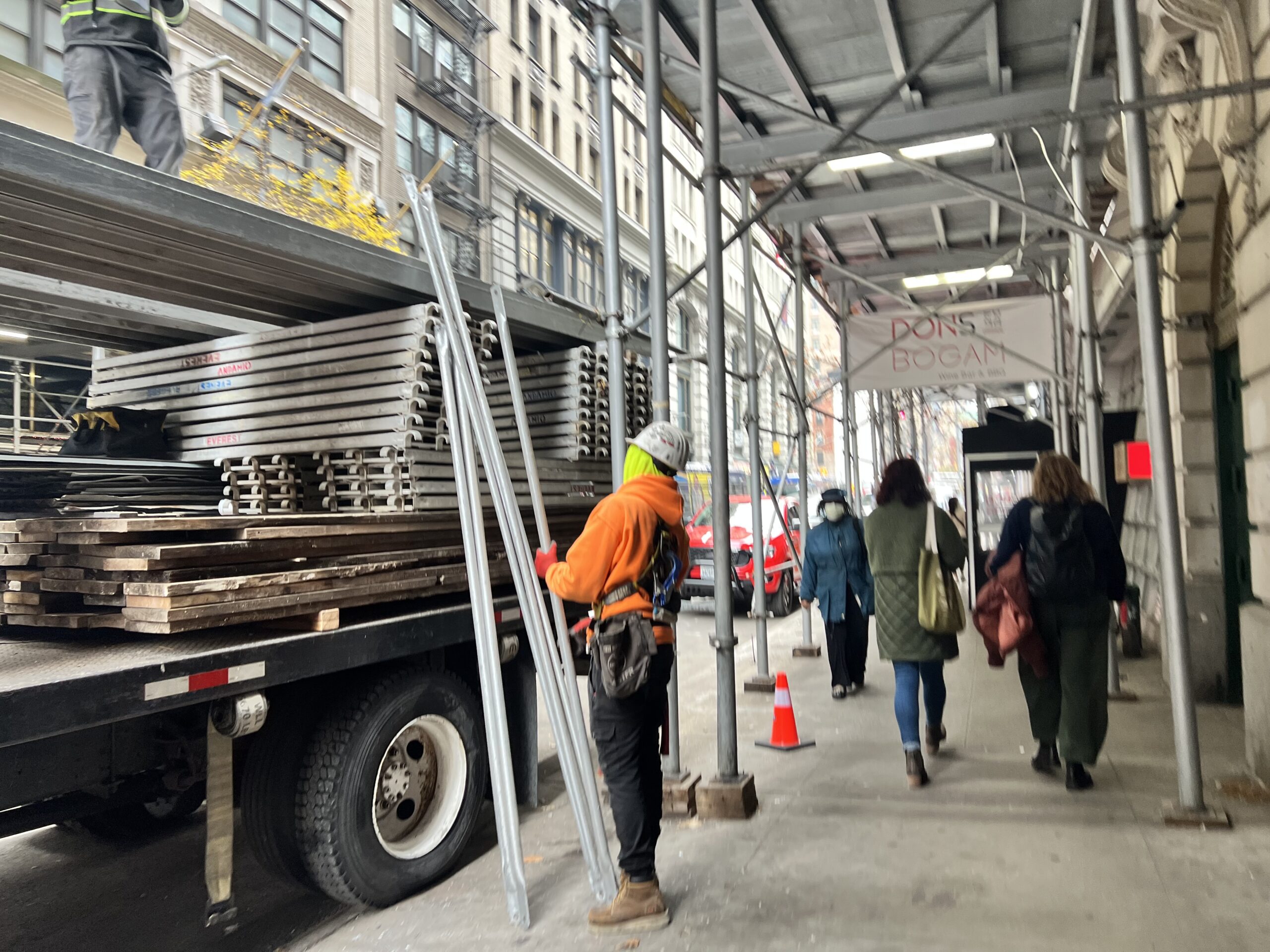
In NYC, the construction industry faces higher scrutiny due to the inherent risks of urban density and high-rise development. The law is designed to be a "no-fault" system. This means that an injured worker does not need to prove the employer was negligent to receive benefits, and in exchange, the worker generally loses the right to sue the employer for the injury. However, NYC is unique due to Labor Law 240/241, often called the "Scaffold Law," which imposes absolute liability on contractors and owners for gravity-related injuries. While workers' comp covers medical and lost wages, it is often the first line of defense in a complex legal landscape.
To maintain compliance in 2026, contractors must ensure their policy specifically covers the New York jurisdiction. Out-of-state contractors performing work in NYC must frequently obtain a New York-specific policy or an endorsement, as the state rarely recognizes "reciprocity" for high-risk construction trades from other states.
Who is Required to Carry Coverage in NYC?
A common misconception among small-scale contractors is that coverage is only necessary for large firms. In reality, the requirement is much broader.
Employees vs. Independent Contractors
The Workers’ Compensation Board (WCB) utilizes a strict "Right to Control" test to determine if a worker is an employee or an independent contractor. Even if you pay a worker via 1099, the WCB may deem them an employee if you provide the tools, set the schedule, and supervise the methods of work. In NYC, most laborers on a job site are legally classified as employees for insurance purposes.
Sole Proprietors and Partnerships
By default, sole proprietors and members of a Limited Liability Company (LLC) without employees are not required to cover themselves. However, they are also not covered for their own injuries unless they specifically opt-in to a policy. In the NYC market, most General Contractors (GCs) will refuse to hire an uninsured sole proprietor because of the "ladder of liability." If a sole proprietor is injured on-site and lacks their own coverage, the GC’s insurance may be forced to pay the claim, leading to massive premium increases.
Subcontractor Liability
If you are a General Contractor hiring subcontractors, you are legally responsible for ensuring they carry their own workers’ compensation. If a subcontractor is uninsured and one of their employees gets hurt, the liability "flows up" to your policy. NYC contractors must collect a Certificate of Insurance (C-105.2 or U-26.3) from every sub before they set foot on the job site.
The Role of the NYC Department of Buildings (DOB)
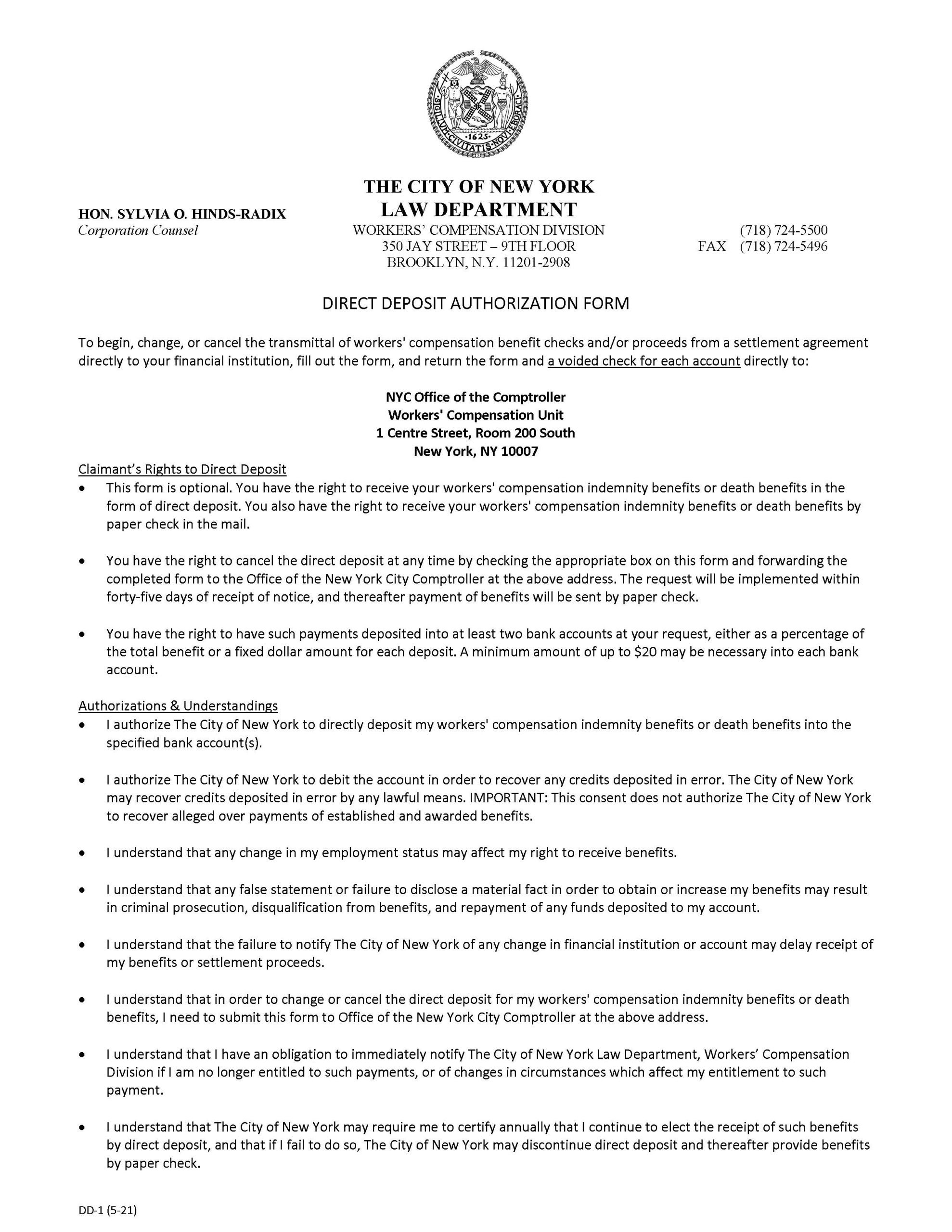
For contractors in NYC, workers’ compensation is inextricably linked to the permitting process. The NYC Department of Buildings (DOB) will not issue or renew a work permit without proof of valid workers’ compensation insurance.
When filing for permits through the DOB NOW portal or the Building Information System (BIS), contractors must provide specific forms. The standard Accord 25 form—common in other states—is generally not accepted by the DOB as proof of workers' comp. Instead, contractors must submit:
- Form C-105.2: Certificate of Workers’ Compensation Insurance.
- Form U-26.3: For those insured through the New York State Insurance Fund (NYSIF).
- Form SI-12: For self-insured employers.
- Form CE-200: A Certificate of Attestation of Exemption, used only if the contractor has no employees and is not required by law to carry coverage.
Failure to keep these filings current in the DOB system will result in an immediate "Stop Work Order" (SWO), which can derail project timelines and lead to heavy civil penalties.
How Much Does Workers' Comp Cost for NYC Contractors?
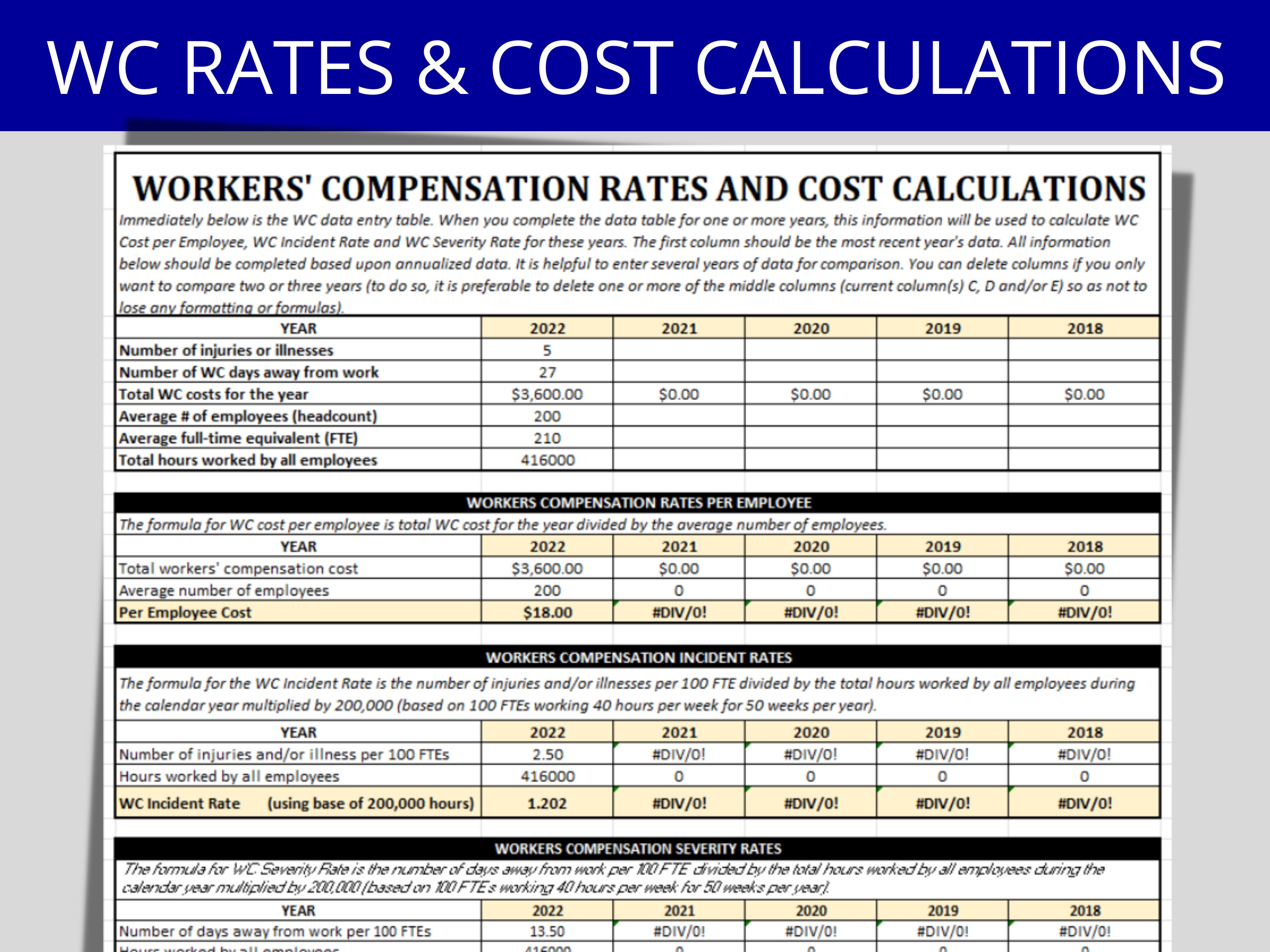
Premium costs in 2026 are calculated based on three primary factors: Classification Codes, Payroll, and the Experience Modification Rate (EMR).
1. Classification Codes (Class Codes)
The New York Compensation Insurance Rating Board (NYCIRB) assigns four-digit codes to different types of work based on their risk level. For example, a contractor doing interior painting (Code 5474) will pay significantly less per $100 of payroll than a contractor doing structural steel erection (Code 5040). It is vital to ensure your employees are coded correctly; misclassification can lead to massive back-premiums during an annual audit.
2. Payroll
Premiums are a percentage of your total gross payroll. For 2026, there are specific payroll caps for executive officers, but for field laborers, the entire wage is typically subject to the premium rate.
3. Experience Modification Rate (EMR)
The EMR is a multiplier that reflects your company’s safety record. A "1.0" is the industry average. If you have a clean safety record, your EMR might drop to 0.85 (a 15% discount). If you have frequent claims, it could rise to 1.50 (a 50% surcharge). In the competitive NYC bidding environment, many commercial projects require an EMR of 1.0 or lower to even submit a bid.
| Contractor Type | Common Class Code | Estimated 2026 Risk Level | Primary Coverage Focus |
|---|---|---|---|
| Carpentry | 5403 | Moderate | Falls from heights, power tool injuries |
| Electrical | 5190 | Low/Moderate | Electrocution, ladder safety |
| Masonry | 5022 | High | Heavy lifting, silica exposure, scaffolding |
| Plumbing | 5183 | Moderate | Water damage, confined spaces, burns |
| Excavation | 6217 | High | Trench collapses, heavy machinery |
Obtaining Coverage: Private Carriers vs. NYSIF
NYC contractors have two primary avenues for purchasing insurance: the private market and the state fund.
Private Insurance Carriers
Many contractors prefer private carriers because they often bundle workers’ compensation with General Liability and Umbrella policies. Private carriers are selective; they prefer contractors with established histories and low EMRs. They may offer safety dividends or specialized loss-control services that help reduce long-term costs.
New York State Insurance Fund (NYSIF)
NYSIF is a state agency that acts as a "carrier of last resort." By law, NYSIF must provide coverage to any employer in New York, regardless of their risk profile or claims history. This is often the only option for new businesses with no track record or for contractors in high-risk demolition or roofing sectors. While NYSIF is reliable, their billing and audit processes are famously rigid.
Self-Insurance
Only the largest construction conglomerates in NYC typically qualify for self-insurance. This requires a massive security deposit with the state and a proven ability to pay claims out of pocket. For 99% of NYC contractors, traditional insurance is the only viable path.
Penalties for Non-Compliance in 2026
The consequences of operating without workers’ compensation in New York City are among the most severe in the United States. The WCB uses data-matching with the NYC DOB and Department of Labor to identify uninsured employers.
- Civil Fines: The penalty for non-compliance can be as high as $2,000 for every 10-day period without coverage. It is not uncommon for small contractors to face six-figure fines after a year of non-compliance.
- Criminal Charges: Failure to carry coverage for more than five employees is a Class E Felony in New York. Even for fewer than five employees, it is a misdemeanor.
- Stop Work Orders: If a WCB inspector or DOB official visits a site and proof of insurance cannot be produced, the site will be shut down immediately. This often triggers "liquidated damages" clauses in construction contracts, making the contractor liable for project delays.
- Personal Liability: If an injury occurs while you are uninsured, the corporate veil may not protect you. Owners and officers can be held personally liable for the medical costs and lost wages of the injured worker.
Frequent Questions About NYC Contractor Coverage
Do I need workers' comp if I only hire family members?
Yes. In New York State, there are no exceptions for family members. If your brother, cousin, or child works for your contracting business, they must be covered by a workers’ compensation policy unless they are a bona fide partner or officer with an ownership stake (and even then, certain rules apply).
How do I get a "waiver" if I have no employees?
You do not get a waiver, but rather an Exemption. You must apply for a CE-200 form through the NYS Workers’ Compensation Board’s online portal. This form is project-specific or can be used for general licensing. It tells the NYC DOB that you are a sole proprietor/LLC member and have no employees, thus exempting you from the insurance requirement for that specific permit.
Can I use my "Occupational Accident Insurance" instead?
No. Occupational Accident Insurance is a product often sold to independent owner-operators (like truckers), but it does not meet the legal requirements of the NYS Workers' Compensation Law for contractors. The NYC DOB will reject any permit application that attempts to use this as a substitute.
What is a "Wrap-Up" policy (OCIP/CCIP)?
On many large-scale NYC developments, the owner or General Contractor will provide a Project Specific Insurance Program, also known as a "Wrap-Up." In this scenario, the owner’s policy covers every contractor on the site. However, as a subcontractor, you still need your own "off-site" workers' comp policy to cover your employees when they are at your warehouse, driving to the site, or working on other smaller jobs.
How does the 2026 "Audit" process work?
At the end of every policy year, your carrier will perform an audit. They will review your payroll records, tax filings (941s), and certificates of insurance for any subcontractors you hired. If you paid an uninsured sub, the auditor will charge you the premium for that sub's payroll as if they were your own employee. Keeping meticulous records of subcontractor COIs is the only way to avoid these "surprise" bills.
Strategic Recommendations for Contractors
To navigate the NYC market successfully in 2026, contractors should move beyond viewing workers' comp as a mere "tax."
- Prioritize Safety Documentation: In NYC, a single "gravity-related" fall can result in a claim that haunts your EMR for years. Implement and document weekly "Toolbox Talks."
- Verify Subcontractors Monthly: Do not wait for the annual audit. Use a digital tracking system to ensure your subcontractors' policies haven't expired mid-project.
- Consult a NYC-Specialist Broker: The New York construction market is unique. A broker who understands NYC class codes and the nuances of the NYSIF can often find "credits" or safety groups that reduce premiums by 20% or more.
- Use 2026 Digital Tools: Leverage the WCB’s improved online verification tools to check the status of any business’s coverage instantly before signing a contract.
Image Gallery