Danbury Auto Insurance Costs and Common Myths in 2026
In 2026, Danbury auto insurance costs typically range between $1,850 and $2,700 per year for full coverage, depending on driver history and vehicle type. These rates reflect Fairfield County’s high traffic density and Connecticut’s man...
In 2026, Danbury auto insurance costs typically range between $1,850 and $2,700 per year for full coverage, depending on driver history and vehicle type. These rates reflect Fairfield County’s high traffic density and Connecticut’s mandatory liability requirements. Understanding local pricing factors and debunking common myths is essential for securing optimal protection and value.
Contents
The Landscape of Auto Insurance in Danbury, Connecticut
As of 2026, Danbury remains one of the most active economic hubs in Fairfield County. Its proximity to the New York border and the intersection of major thoroughfares like Interstate 84 and Route 7 creates a unique risk profile for motorists. For residents, navigating the auto insurance market requires more than just finding the lowest premium; it requires an understanding of how local geography and state mandates intersect.
Connecticut operates under a "fault" system, meaning the person responsible for an accident is liable for the resulting damages. Consequently, insurance premiums in Danbury are heavily influenced by the frequency of local collisions and the cost of litigation within the state. While Danbury drivers often enjoy slightly lower rates than those in high-density urban centers like Bridgeport or Hartford, they still face the "Fairfield County premium," where higher property values and repair costs drive up the average claim size.
Breakdown of Average Costs in 2026
Auto insurance pricing in Danbury is not a monolithic figure. Instead, it is a calculation based on individual risk assessments and regional trends. By 2026, several factors have stabilized or shifted, influencing the monthly and annual totals residents see on their policy renewals.
Minimum Liability vs. Full Coverage
The state of Connecticut requires a minimum level of coverage to legally operate a motor vehicle. Currently, these limits are set at $25,000 for bodily injury per person, $50,000 for bodily injury per accident, and $25,000 for property damage (often referred to as 25/50/25). However, very few Danbury residents opt for minimum coverage due to the high cost of medical care and vehicle replacement in the Northeast.
Full coverage—which includes liability, collision, and comprehensive insurance—is the standard for most Danbury drivers, especially those with financed or leased vehicles. In 2026, a driver with a clean record can expect to pay significantly less than a driver with a single at-fault accident or a moving violation within the last three years.
Demographic and Situational Variations
- Young Drivers: Residents under the age of 25 continue to face the highest premiums in Danbury, often exceeding $4,000 annually if they are on an independent policy.
- Senior Drivers: While experienced drivers often see rate drops in their 40s and 50s, those over 75 may see slight increases due to statistical rises in claim frequency for that age bracket.
- Vehicle Type: With the continued rise of electric vehicles (EVs) in Danbury, insurance costs have adjusted. While EVs offer fuel savings, their higher repair costs and specialized battery components often lead to premiums that are 10% to 15% higher than their internal combustion counterparts.
Geographic and Environmental Factors Influencing Danbury Rates
Danbury’s specific infrastructure plays a significant role in insurance underwriting. The heavy congestion on I-84, particularly during peak commuting hours toward Westchester County or Hartford, increases the statistical likelihood of "fender benders" and multi-vehicle pileups. Insurance carriers analyze zip codes like 06810 and 06811 differently based on local crime statistics, specifically rates of vehicle theft and vandalism.
Furthermore, Danbury’s weather patterns contribute to seasonal rate adjustments. The 2025-2026 winter season saw significant ice events in Western Connecticut, leading to a spike in comprehensive claims related to fallen branches and collision claims due to slick road conditions on hilly terrain like Middlebury Road or near Candlewood Lake. Carriers use this historical data to set "territory ratings," which explains why a driver moving from a rural part of Litchfield County to Danbury might see a sudden 20% jump in their premium despite no change in their driving record.
Mandatory vs. Optional Coverage in Connecticut
Understanding what is required by the Connecticut Insurance Department versus what is recommended is crucial for Danbury motorists.
- Bodily Injury Liability: Covers medical expenses for others if you are at fault.
- Property Damage Liability: Pays for damage to another person’s property.
- Uninsured/Underinsured Motorist (UM/UIM): This is mandatory in Connecticut. It protects you if you are hit by a driver who has no insurance or insufficient limits. In a high-traffic area like Danbury, where out-of-state drivers frequently pass through, this coverage is vital.
- Medical Payments (MedPay): An optional coverage that pays for medical or funeral expenses for you and your passengers, regardless of fault.
- Collision and Comprehensive: These are optional by law but required by most lenders. Comprehensive covers non-collision events like theft, fire, or damage from a Danbury hailstorm.
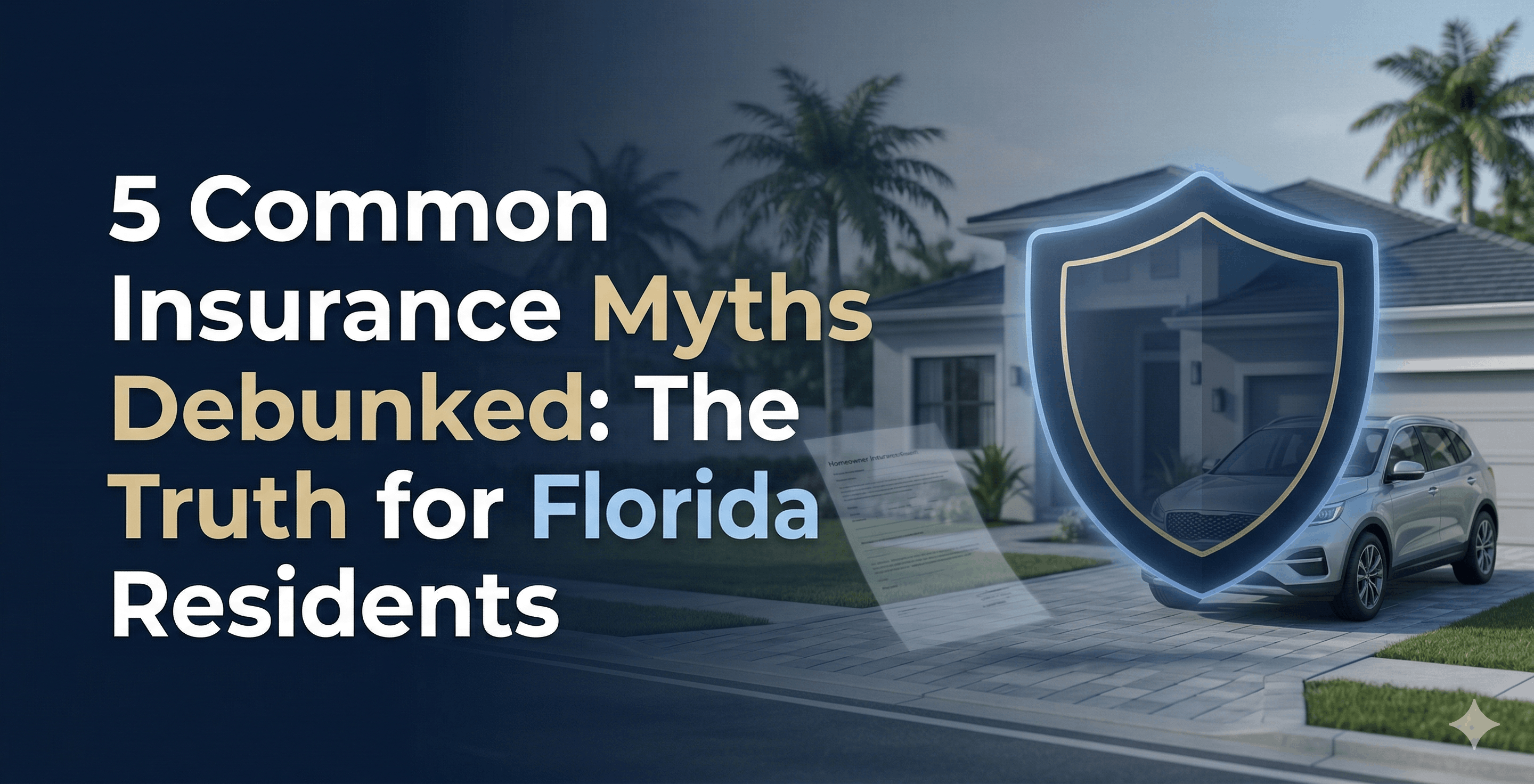
Debunking Common Auto Insurance Myths
Misinformation often leads Danbury drivers to make poor financial decisions or leave themselves underinsured. Here, we clarify the reality behind the most persistent myths in the 2026 insurance market.
Myth 1: The Color of Your Car Affects Your Premium
One of the most enduring myths is that driving a red car costs more to insure. In reality, insurance companies do not even ask for the color of your vehicle when generating a quote. They are interested in the VIN (Vehicle Identification Number), which reveals the make, model, year, engine size, and safety features. A red sedan and a white sedan of the same model will have the exact same premium.
Myth 2: "Full Coverage" Covers Everything
The term "full coverage" is a colloquialism, not a legal or technical insurance term. It typically refers to a policy that includes liability, collision, and comprehensive. It does not automatically include roadside assistance, rental car reimbursement, or "gap" insurance. Danbury drivers often discover this too late—usually after an accident—realizing they are responsible for their own rental car costs because they assumed "full coverage" meant "total protection."
Myth 3: Your Credit Score Doesn't Matter
While some states have moved to ban credit-based insurance scores, Connecticut still allows insurers to use credit history as a factor in determining premiums. In Danbury, a driver with an "excellent" credit score may pay hundreds of dollars less per year than a driver with "poor" credit, even if both have identical driving records. This is because actuarial data suggests a correlation between financial responsibility and driving safety.
Myth 4: If My Friend Borrows My Car and Crashes, Their Insurance Covers It
In Connecticut, insurance generally follows the vehicle, not the driver. If you lend your car to a friend in Danbury and they cause an accident, your insurance will likely be the primary coverage to pay for the damages. This means your rates could increase due to an accident someone else caused while driving your car.
Myth 5: Older Drivers Always Pay Less
While experience is rewarded, the "senior discount" has limits. Once a driver reaches their 70s or 80s, the physical risks associated with aging—such as slower reaction times or diminished vision—become a factor in actuarial tables. Consequently, Danbury seniors may see their rates plateau or rise slightly, rather than continue to decrease.
2026 Danbury Insurance Comparison Table
The following table illustrates estimated annual premiums for different coverage levels in Danbury, assuming a 35-year-old driver with a clean record and a mid-sized sedan.
| Coverage Level | Description | Estimated Annual Cost (2026) | Best For |
|---|---|---|---|
| State Minimum | 25/50/25 Liability + UM/UIM | $950 - $1,150 | Drivers of low-value vehicles with few assets. |
| Standard Coverage | 50/100/50 Liability + Collision & Comp ($1,000 Deductible) | $1,850 - $2,100 | Most Danbury commuters with moderate assets. |
| Premium Protection | 100/300/100 Liability + Collision & Comp ($500 Deductible) | $2,400 - $2,800 | Homeowners and those with high-value vehicles. |
| High-Limit/Umbrella | 250/500/100 + Umbrella Policy Integration | $3,000+ | Individuals looking to protect significant personal wealth. |
Strategies for Reducing Premiums in Danbury
Despite the rising costs of living in Western Connecticut, there are verified methods to lower auto insurance expenses without sacrificing essential coverage.
- Telematics and Usage-Based Insurance: Many carriers in 2026 offer discounts for drivers who install a tracking app or device. If you primarily work from home in Danbury or have a short commute to a local employer like Nuvance Health, you could save up to 30% by proving your low mileage and safe driving habits.
- Bundling Policies: Combining your Danbury homeowners or renters insurance with your auto policy remains the most effective way to secure a multi-policy discount, often ranging from 10% to 20%.
- Increasing Deductibles: If you have an emergency fund, raising your deductible from $500 to $1,000 can significantly lower your monthly premium. However, this should only be done if you can afford the out-of-pocket cost in the event of a claim.
- Professional and Academic Discounts: Many insurers offer lower rates for members of certain professions (e.g., educators, first responders) or students with a "B" average or higher at institutions like Western Connecticut State University.
Frequently Asked Questions
Is Connecticut a no-fault state?
No, Connecticut is a "fault" or "tort" state. This means that the driver who is determined to be at fault in an accident is responsible for paying the damages through their insurance company. This differs from "no-fault" states where each driver’s own insurance covers their medical bills regardless of who caused the accident.
How does a commute to New York City affect my Danbury insurance?
If you commute from Danbury to New York City, your mileage is significantly higher than the average driver. Insurers view high mileage as an increased opportunity for an accident. Additionally, driving in high-traffic areas like the Bronx or Westchester increases your risk profile, which is reflected in a higher premium compared to someone who works locally in Danbury.
Does my insurance cover damage from Candlewood Lake flooding?
Damage from flooding is typically covered under the comprehensive portion of your auto insurance policy. If your car is submerged or damaged by rising waters at Candlewood Lake or during a heavy Danbury storm, you would be covered as long as you have more than just basic liability insurance.
Will my rates go up if I file a glass claim?
In Connecticut, many insurers offer "Full Glass" coverage as an add-on. If you have this, a cracked windshield from road debris on I-84 might be replaced with a $0 deductible. While a single glass claim rarely causes a significant rate hike, multiple claims in a short period can flag your account for a premium increase at renewal.
Does Danbury have higher theft rates than other CT towns?
While Danbury is generally safer than the state’s largest cities, it does experience higher rates of vehicle theft and "theft from motor vehicle" than surrounding rural towns like Bethel or Ridgefield. This local crime data is a component of the comprehensive insurance pricing for Danbury zip codes.
Practical Next Actions for Danbury Residents
To ensure you are not overpaying for auto insurance in 2026, residents should perform an annual policy audit. Start by requesting quotes from at least three different carriers, including one national brand and one regional New England insurer. Review your current liability limits; in 2026, the $25,000 state minimum is often insufficient to cover the medical costs of even a moderate accident.
Finally, contact a local Danbury insurance agent who understands the specific risks of the Fairfield County area. They can often identify "hidden" discounts or local programs that automated online quote tools might miss. By staying informed and questioning common myths, you can maintain robust protection that fits your 2026 budget.
Image Gallery