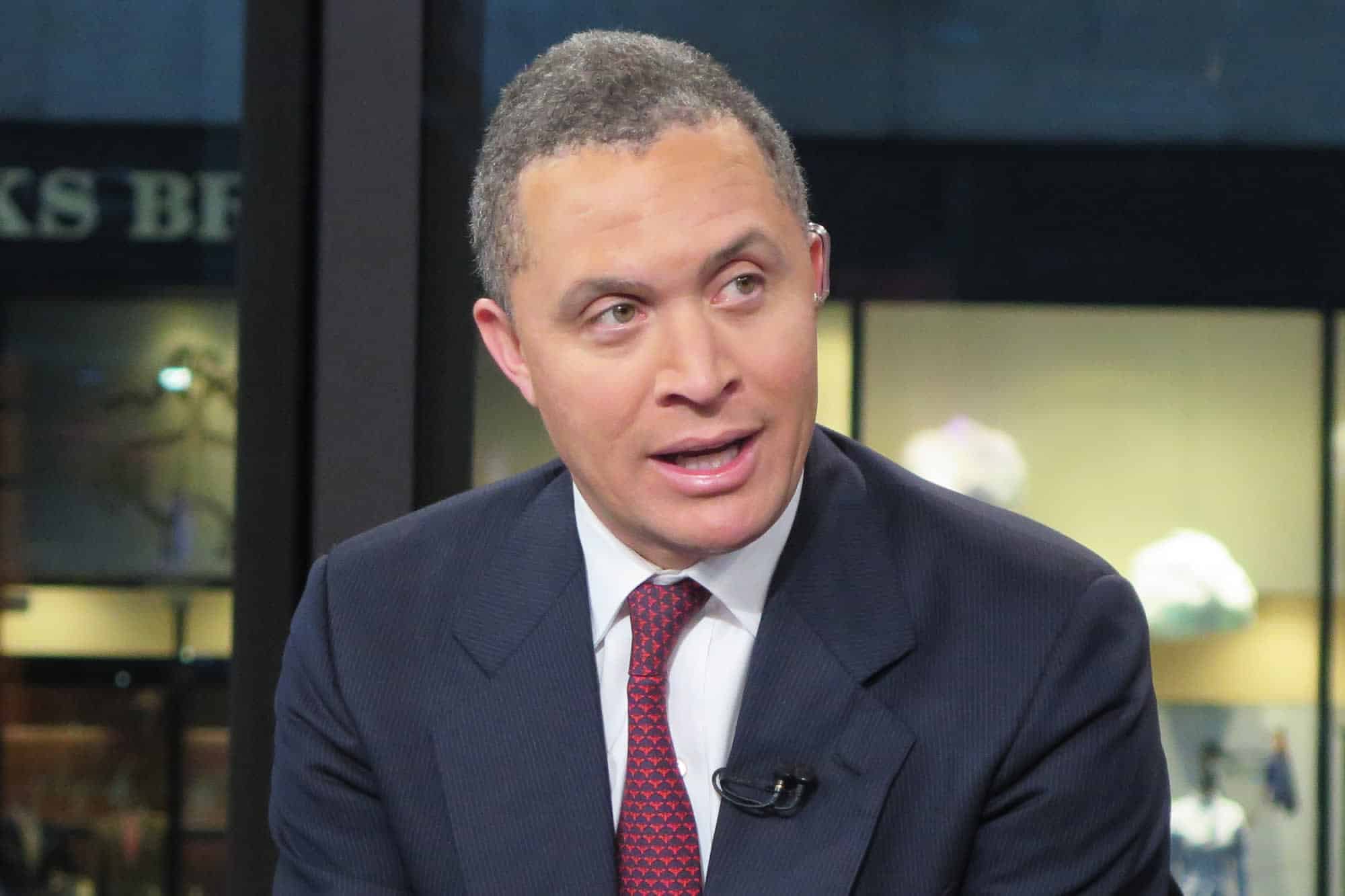
Harold DeBlanc III Net Worth: An Analysis of Professional Achievement and Financial Standing
Harold DeBlanc III is a recognized professional known for his contributions within the technical and industrial sectors, though he does not belong to the category of celebrity public figures or ultra-high-net-worth individuals whose pe...
Harold DeBlanc III is a recognized professional known for his contributions within the technical and industrial sectors, though he does not belong to the category of celebrity public figures or ultra-high-net-worth individuals whose personal wealth is tracked by major financial publications. As of 2026, there is no verified public record of a high-value net worth for Harold DeBlanc III, as his financial data remains private and is not subject to public disclosure requirements.
Contents
Understanding the Nature of Public Financial Disclosure
In the context of wealth tracking, "net worth" refers to the sum of an individual’s total assets—including real estate, cash, stock holdings, and business interests—minus their total liabilities. For the vast majority of professionals, including executives and industry specialists like Harold DeBlanc III, this information is strictly confidential. Financial transparency is generally only required for specific groups:
- Public Company Executives: Directors and officers of publicly traded corporations must file Form 4 or other SEC-mandated disclosures regarding their stock ownership.
- Public Officials: Elected government representatives often file financial disclosure reports to prevent conflicts of interest.
- Billionaires and Multi-Millionaires: High-profile individuals who appear on lists such as the Forbes 400 are tracked via investigative journalism, stock market data, and proprietary modeling.
Harold DeBlanc III does not fall into these categories of mandatory public disclosure. Consequently, any figures appearing on websites claiming to estimate his specific net worth are categorized as speculative. These sites often use automated algorithms that scrape internet activity and social profiles to generate "click-bait" financial profiles. Readers should approach such estimates with significant skepticism, as they lack verification from tax records, bank statements, or audited financial declarations.
Professional Background and Economic Context
The perception of an individual's financial standing is often tied to their professional trajectory. Evaluating a career path provides a more accurate, albeit qualitative, understanding of an individual's economic environment compared to unsubstantiated numerical estimates.
In many professional circles, long-term stability is built through consistent performance in specific industries. For professionals operating in sectors like engineering, technical project management, or specialized industrial services, compensation is typically structured through salary, performance bonuses, and retirement contributions (such as 401(k) plans or pension schemes).
Factors Influencing Professional Value
Professional compensation is rarely a static figure. It is influenced by a variety of macroeconomic and industry-specific factors, which may include:
- Experience and Specialization: Technical professionals with advanced certifications or niche operational experience often command higher base salaries due to the scarcity of their skill sets in the marketplace.
- Regional Economic Variance: Compensation levels are significantly affected by the cost of living and industry demand in the specific geographic locations where the professional is based.
- Educational Attainment: Advanced degrees or professional licenses frequently serve as multipliers for long-term earning potential, allowing for career advancement into senior management or consultancy roles.
- Market Cycles: Industries such as oil and gas, manufacturing, or technology experience cyclical growth. Professionals in these fields may see fluctuations in their total compensation based on the performance of their employers or clients.
Distinguishing Between Public and Private Information
When researching the financial status of individuals who are not public figures, it is essential to distinguish between confirmed facts and internet-based rumors. Many websites generate content to capture search traffic related to the "net worth" keyword, using templates that fill in names without access to actual financial records.
If you are attempting to research the financial history or professional standing of an individual, consider the following methods of verification that rely on objective, legal, and public data:
- Corporate Filings: Use databases like the U.S. Securities and Exchange Commission (SEC) EDGAR system to see if an individual is an executive of a public company.
- Property Records: Tax assessor websites and county property records provide public data on real estate ownership, which is a major component of an individual's asset portfolio.
- Professional Licenses: State regulatory boards maintain public registries of licensed professionals (engineers, attorneys, accountants), which can confirm the scope of their professional standing.
Comparison of Wealth Estimation Methods
To better understand why specific "net worth" numbers found on the internet are frequently inaccurate, consider the table below, which compares reputable financial tracking versus automated internet speculation.
| Feature | Reputable Financial Reporting | Automated Speculation Sites |
|---|---|---|
| Data Source | SEC filings, tax records, audited assets | Search engine algorithms, vanity metrics |
| Verification | Cross-referenced with independent audits | None; based on estimation models |
| Purpose | Investor transparency or historical record | Ad revenue generation via click-throughs |
| Reliability | High; legally mandated accuracy | Very Low; prone to extreme error |
Personal Finance Management and Asset Protection
Regardless of an individual’s public financial status, the principles of building and maintaining wealth remain consistent. For individuals aiming to secure their own financial future, the focus should shift from public curiosity about others to private, actionable strategies.
- Asset Diversification: Building a portfolio that includes a mix of equities, fixed-income instruments, and potentially real estate can help mitigate the risk of loss in any single sector.
- Liability Management: Maintaining a healthy debt-to-income ratio is a cornerstone of personal financial health. This involves paying down high-interest debt and avoiding over-leveraging assets.
- Tax Planning: Utilizing tax-advantaged accounts, such as IRAs or 401(k) plans, is a critical step in preserving wealth over the long term.
- Legal Protections: For those with significant assets, consulting with estate planning professionals is vital. Trusts, wills, and limited liability companies (LLCs) can provide layers of protection for personal and professional wealth.
Frequently Asked Questions
Is the net worth of Harold DeBlanc III public record? No. There is no requirement for Harold DeBlanc III to disclose his personal finances to the public. Any websites claiming to have this information are likely providing estimates without access to factual financial records.
Why do some websites show net worth figures for private citizens? Many websites use automated software to generate content for search engines. By creating "biography" and "net worth" pages for a wide range of individuals, these sites attract traffic and monetize it through advertisements, despite the figures being entirely speculative.
How can I verify the professional background of an individual? The best way to verify professional background is through official channels such as LinkedIn for employment history, the SEC's EDGAR database for corporate roles, or state-specific professional license databases for specialized fields like law, medicine, or engineering.
Does an individual's job title correlate directly to their net worth? While job title and industry are strong indicators of income level, they do not dictate net worth. Net worth is heavily influenced by personal spending habits, debt management, investment success, and inheritance, which vary wildly between individuals with similar career paths.
What should I trust when reading financial information online? Prioritize sources that cite primary documents, such as government records, regulatory filings, or audited financial statements. Avoid sources that lack citations or that use vague language like "sources suggest" or "our analysts estimate" without providing a clear methodology.
Final Recommendation
If your search regarding Harold DeBlanc III is driven by professional interest, focus your efforts on verifying his accomplishments through professional networks, industry trade publications, or official company announcements. Should you be interested in general financial planning, it is recommended to consult with a certified financial planner (CFP) or a tax professional. Relying on speculative internet articles for financial benchmarks is unproductive and often misleading; always prioritize verifiable data from institutional and legal sources when assessing professional or financial standing.
Image Gallery