Understanding What Contestants Can Bring on Alone
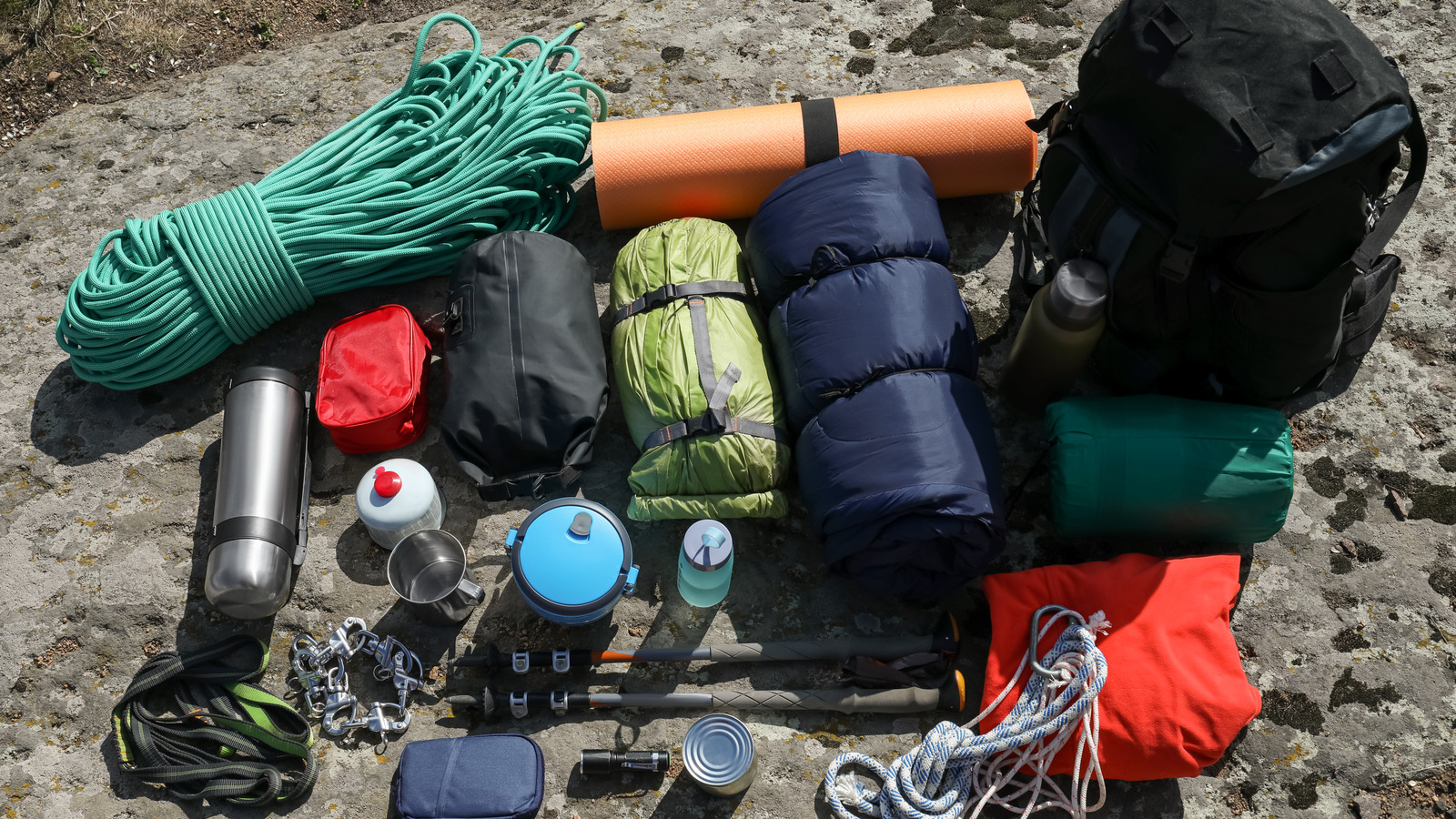
In the context of the History Channel’s survival series Alone, contestants are permitted to bring only ten pre-approved survival items from a standardized list. These items are selected by the participant to supplement the provided man...
In the context of the History Channel’s survival series Alone, contestants are permitted to bring only ten pre-approved survival items from a standardized list. These items are selected by the participant to supplement the provided mandatory survival gear, which includes safety equipment, communication tools, and medical kits, ensuring a baseline for both survival and production oversight.
Contents
The Standardized Selection Process
The core constraint of Alone is the "ten items" rule. While the show features varying locations—from the freezing landscapes of the Arctic to the temperate rainforests of Vancouver Island—the fundamental principle remains the same. Participants must choose ten items from a strictly curated list provided by the production team. This list is updated periodically to reflect safety protocols and technical advancements, but it remains exclusive.
When preparing for the show, contestants go through an extensive vetting process. They do not simply choose items off a retail shelf; they must submit their selections, and each item must be approved to ensure it meets the show's safety and logistical standards. For instance, if a contestant wants to bring a specific type of knife, the producers verify the blade length, steel composition, and build quality to ensure it aligns with the show's fair-play requirements.
Mandatory Gear vs. Personal Selections
It is essential to distinguish between the "ten items" contestants choose and the gear that is automatically provided to them. The mandatory gear is not part of the ten-item limit because it is considered essential for production safety, medical emergency response, and record-keeping.
The mandatory equipment typically includes:
- Safety and Communication: A satellite phone, a GPS tracking device, and an emergency flare.
- Medical: A comprehensive first-aid kit, a trauma kit, and a personal medical kit for pre-existing conditions (if approved).
- Clothing: A standardized set of extreme-weather clothing, including specialized boots, parkas, and thermals designed to mitigate the risk of frostbite and hypothermia.
- Documentation: High-definition cameras, batteries, solar chargers, and memory cards for self-filming.
Contestants cannot trade these items for something else. If a participant feels they do not need the flare, they cannot exchange it for an extra fishing line. The ten-item limit applies solely to the "specialized survival equipment" that allows for individual strategy development.
Category Breakdown of Allowed Items
The items available for selection are grouped into logical categories: hunting and fishing, cooking and water, tools, and personal protection. Because the show requires contestants to be self-reliant, the strategy often revolves around balancing calorie acquisition against tool maintenance.
Cooking and Water
- Metal Pot: Almost every winner has selected a high-capacity metal pot. It is the most critical item for boiling water (to prevent parasites like Giardia) and cooking foraged food.
- Ferrocerium Rod: A high-quality ferro rod is universally considered the most reliable fire-starting tool. Matches or lighters are discouraged or limited because they are single-use or prone to failure in extreme humidity.
Tools
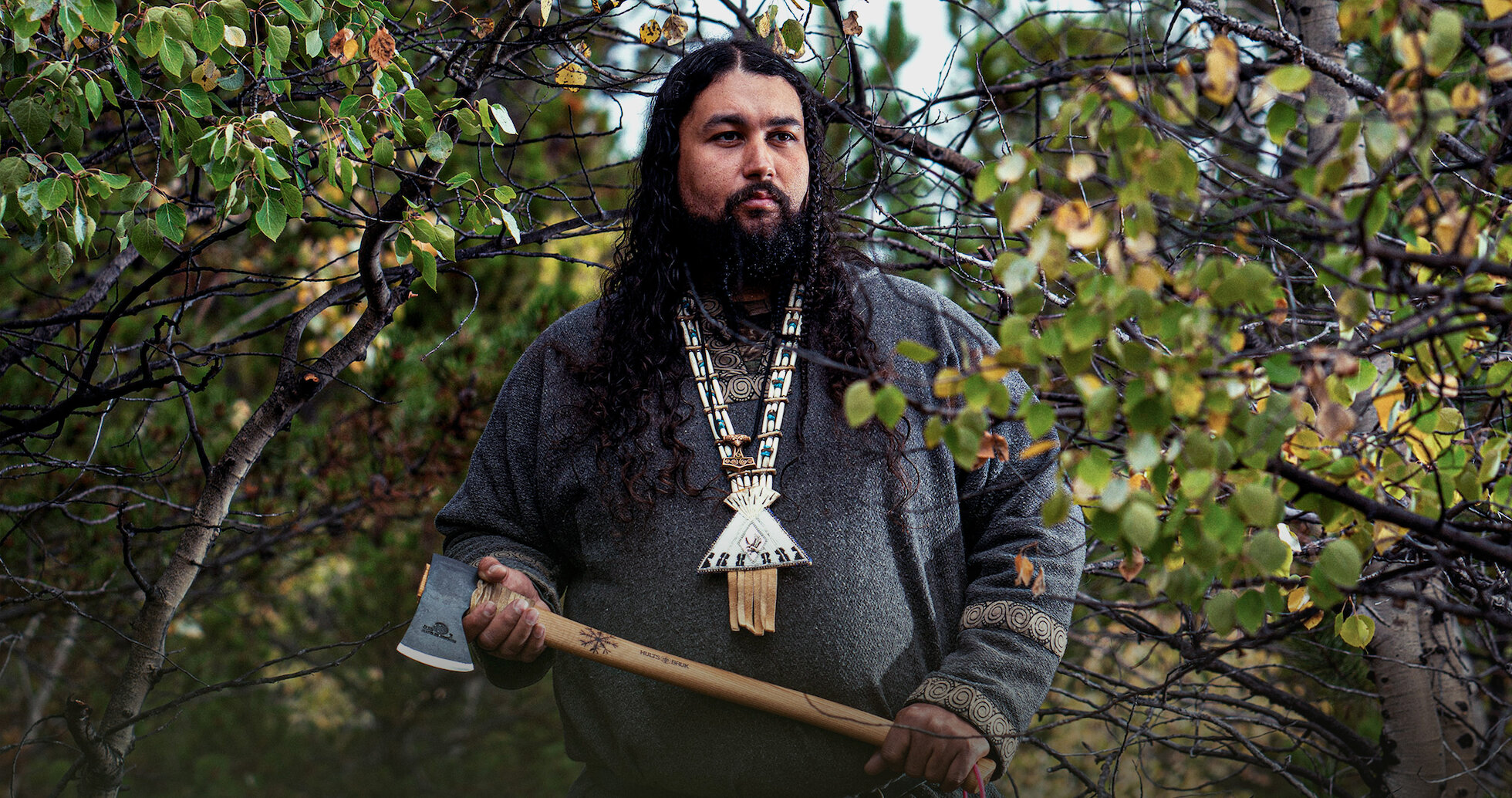
- Full-Size Axe: Necessary for building a robust shelter and processing large quantities of firewood, which is essential in sub-zero temperatures.
- Saw: While axes are great for chopping, saws are more energy-efficient for cutting specific lengths of logs, which helps conserve calories.
- Knife: A high-quality fixed-blade knife is required for fine work, such as gutting fish, crafting snares, and carving tools.
Hunting and Fishing
- Fishing Kit: Usually consisting of a specific length of line and a set of hooks. This is often the primary source of protein for successful contestants.
- Snare Wire: Used for small game trapping. Participants must understand local wildlife regulations, as the show strictly enforces compliance with regional trapping laws.
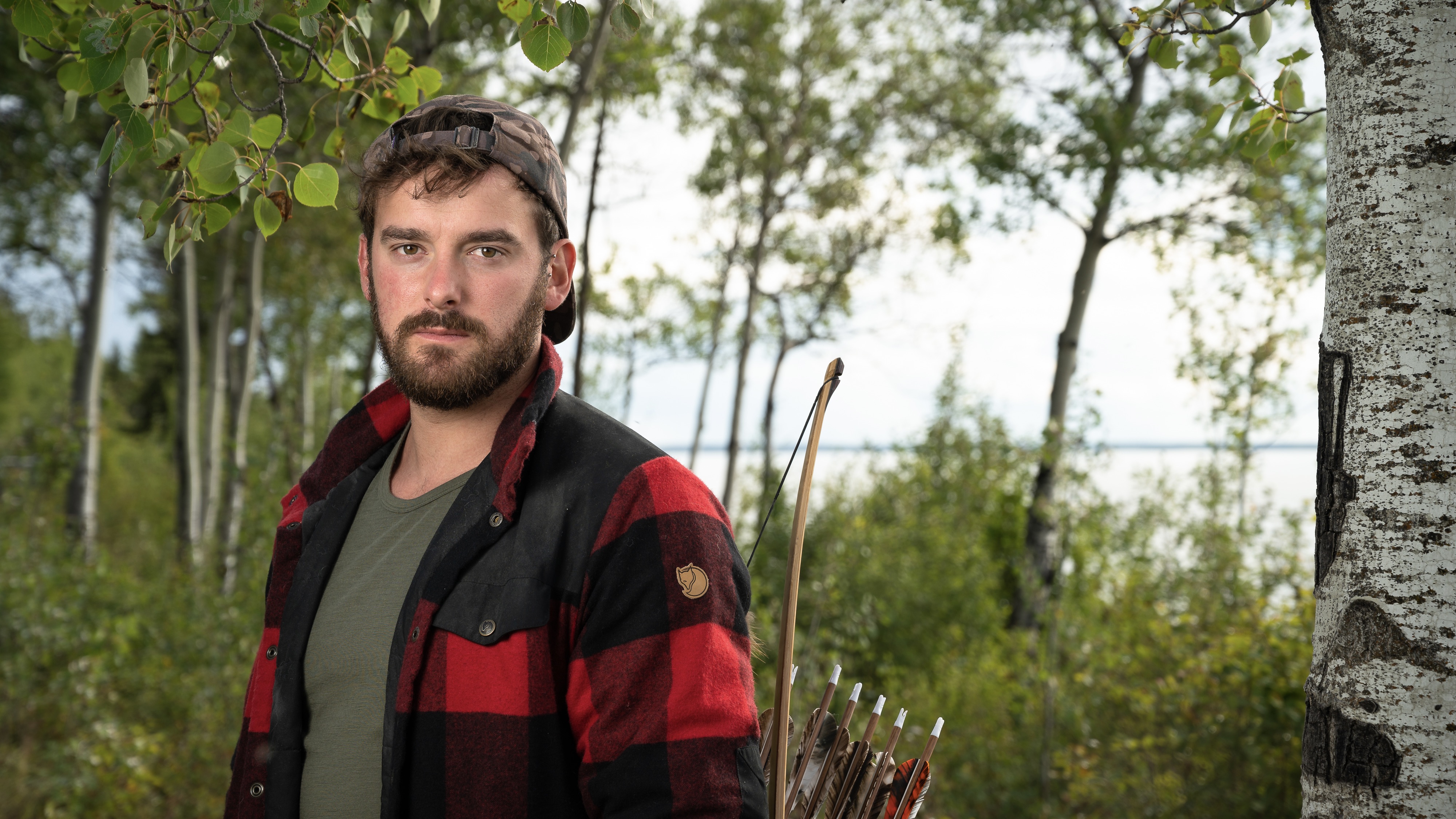
- Bow and Arrow: For those hunting larger game, a bow is the only permitted hunting weapon. It requires significant skill and practice to be effective in a high-stress environment.
Comparison of Item Utility and Strategy
Choosing the right gear is a game of opportunity cost. A contestant who chooses an extra saw might struggle to trap small game if they lack sufficient wire. The table below illustrates the strategic trade-offs common among participants.
| Item Category | Example Item | Strategic Benefit | Primary Limitation |
|---|---|---|---|
| Cutting Tools | Full-Size Axe | Heavy-duty shelter building | Heavy weight/Energy intensive |
| Fire Starting | Ferrocerium Rod | Infinite reliable sparks | Requires dry tinder processing |
| Procurement | Fishing Kit | High success rate for calories | Seasonal limitations/Ice cover |
| Subsistence | Snare Wire | Passive food gathering | High skill floor for placement |
| Cooking | 2-Quart Pot | Hydration and food volume | Requires constant fire maintenance |
Rules and Regulatory Compliance
The "ten items" rule is not just a challenge; it is a legal and ethical framework. Participants are subject to the wildlife laws of the jurisdiction where the show is filmed. If a region prohibits the use of certain types of hooks or requires specific hunting permits, the contestants must adhere to these rules regardless of what is on the "approved" list.
Furthermore, items must be in factory condition. Modifications that give an unfair advantage, such as chemically treating items or adding unauthorized secondary tools to a primary item, are strictly prohibited during the pre-show gear inspection.
Frequently Asked Questions
Can contestants bring extra clothing? No. Contestants are provided a mandatory clothing list. Anything they bring outside of their ten items must be chosen from the approved categories. They cannot bring "extra" sweaters or socks that are not on the list, as this would violate the survival-challenge parameters.
What happens if a piece of gear breaks? If a piece of mandatory gear breaks, the production team may replace it. However, if one of the ten chosen personal items breaks, the contestant must either fix it with what they have in nature or proceed without it. This is a deliberate part of the "survival" test.
Are food items allowed as part of the ten items? Generally, no. Contestants are expected to procure all their own food from the environment. Allowing food as one of the ten items would undermine the premise of the show, which measures a participant's ability to forage and hunt in a remote wilderness.
Can contestants bring modern navigational tools? Beyond the mandatory GPS unit provided for safety and location tracking, participants are not allowed to bring their own maps, compasses, or modern navigation equipment. They must navigate the terrain using their own skills and the environment.
How is the "ten items" list updated? The list is reviewed by survival experts and the production team after every season. Changes are usually made to address safety concerns, such as banning items that proved too dangerous or adding items that better reflect modern bushcraft techniques.
Final Recommendation for Potential Contestants
If you are planning to apply for a future season, do not focus on the "most expensive" gear. Focus on "systemic" gear. The most successful participants are those who choose items that work in tandem—for example, a pot that fits perfectly with a fire-starting kit, or a knife that works in concert with a specific trapping method. Prioritize redundancy for essential tasks like fire and water purification, and ensure you are intimately familiar with the maintenance of every item you select. Test your gear in conditions that mirror the environment you expect to face before you ever step in front of a camera.
Image Gallery