LLC Annual Report Template: A Practical Guide
An LLC annual report template is a standardized document or form used by business owners to update their state government regarding essential operational details, such as principal business addresses, registered agent information, and...
An LLC annual report template is a standardized document or form used by business owners to update their state government regarding essential operational details, such as principal business addresses, registered agent information, and managing member rosters. Utilizing a structured template ensures that business entities maintain good standing, avoid costly late penalties, and streamline compliance obligations year after year.
Contents
Managing a Limited Liability Company (LLC) involves navigating various administrative and legal obligations across different state jurisdictions. Among the most critical yet routine requirements is filing an annual report—sometimes referred to as a statement of information, periodic report, or annual renewal. While the terminology and specific deadlines vary from one jurisdiction to another, the underlying purpose remains consistent: maintaining an accurate public record of active business entities. Organizing your data ahead of time with a reliable LLC annual report template can significantly reduce filing friction, prevent missed deadlines, and protect your corporate veil by proving continuous, active compliance.
Understanding the Purpose of an LLC Annual Report
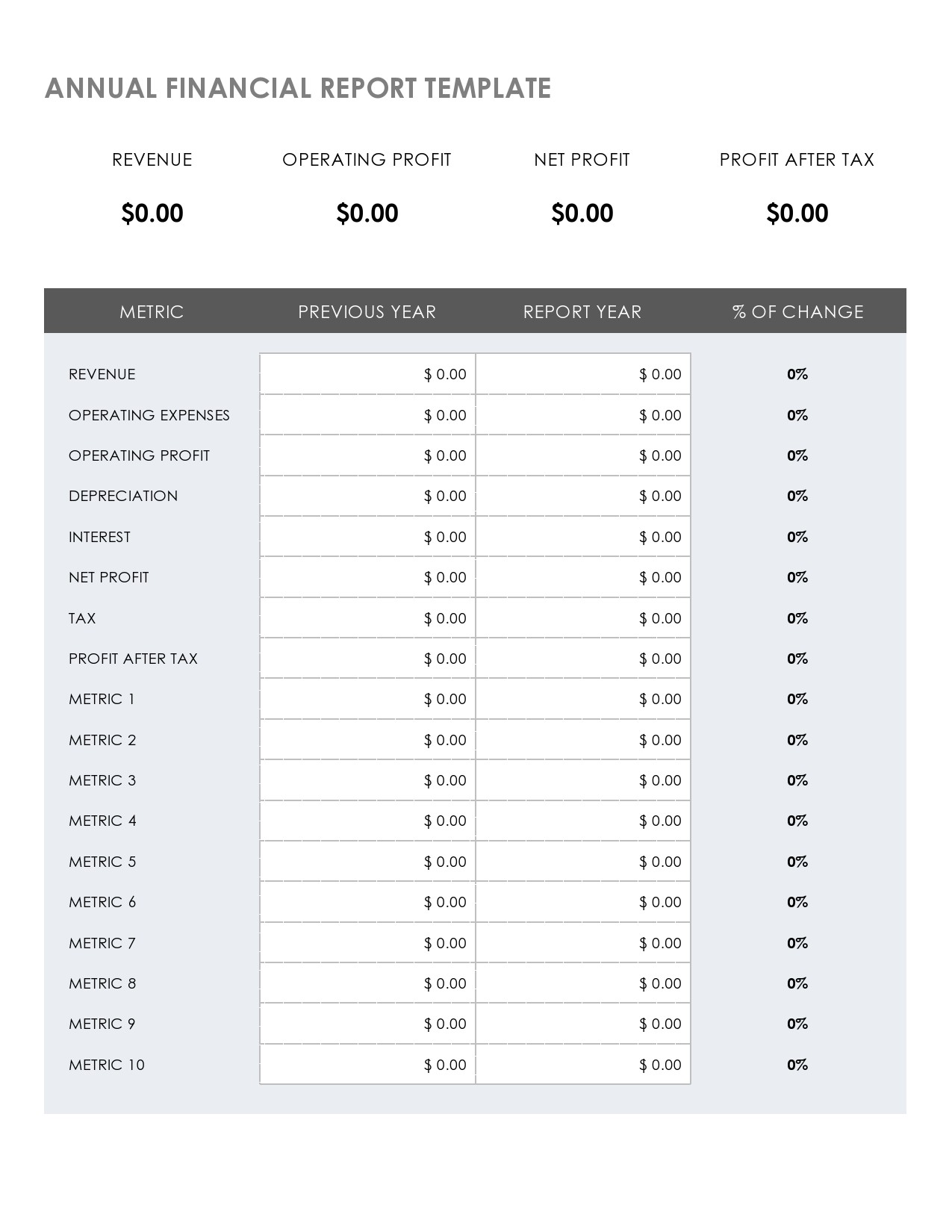
An LLC annual report is not a financial ledger or an accounting document detailing your company profits, losses, and balance sheets. Instead, it is an administrative filing submitted to the state office—typically the Secretary of State or the Division of Corporations—that verifies your business contact details and ownership structure.
State governments rely on these reports to ensure that citizens, creditors, and regulatory agencies have access to a reliable point of contact for every registered business entity. If a legal claim arises or a customer needs to serve process papers, the state's database must reflect the current registered agent and office address. Failing to file this report can lead to administrative dissolution, stripping the LLC of its liability protections and its legal right to operate within the state.
Core Components of an LLC Annual Report Template
Every comprehensive LLC annual report template must capture specific data fields required by state filing portals. While exact requirements fluctuate by jurisdiction, most templates prompt you to supply a uniform set of foundational data points.
Business Identification Details
Your report will always begin with foundational administrative identifiers. These ensure that the state database updates the correct corporate record.
- Entity Name: The exact, legally registered name of your LLC, including any required designators like "LLC" or "Limited Liability Company."
- State of Organization: The state where your LLC was originally formed.
- State File or Identification Number: The unique tracking number assigned to your business by the Secretary of State upon formation.
Registered Agent and Office Information
The registered agent is the individual or corporate entity designated to receive legal notices and official government correspondence on behalf of your LLC.
- Registered Agent Name: The full legal name of the individual or the registered commercial agent service.
- Registered Office Address: A physical street address within the formation or foreign-qualification state where service of process can be delivered during normal business hours. Post office boxes are universally prohibited for this field.
Principal Place of Business
- Principal Office Address: The primary location where the business conducts its daily operations or where executive records are maintained. This may be an office building, a commercial storefront, or a home office, depending on the operational model of the LLC.
Management and Ownership Structure
States require transparency regarding who controls the entity. Depending on whether your LLC is managed by members or managers, you must list:
- Names and Addresses: The full legal names and business or residential addresses of all managers or managing members.
- Authorized Signature: The signature, printed name, and title of the person authorized by the operating agreement to file the report on behalf of the company.
State-by-State Variations and Filing Fees
One of the most critical aspects of managing corporate compliance is recognizing that annual report rules are entirely decentralized. There is no federal equivalent; every U.S. state, territory, and the District of Columbia maintains its own filing schedules, fee structures, and data requirements.
| State / Jurisdiction | Common Filing Frequency | Typical Due Date Basis | Standard State Fee Range |
|---|---|---|---|
| California | Biennial (Every 2 Years) | Anniversary month of formation | Low ($20 - $80) |
| Florida | Annual | May 1st of every calendar year | Moderate ($100 - $150) |
| New York | Biennial | Anniversary month of formation | Low ($9 - $20) |
| Texas | Annual (Public Information Report) | May 15th (tied to franchise tax) | Varies by revenue |
| Delaware | Annual (Fixed Franchise Tax) | June 1st of every calendar year | Moderate to High ($300+) |
Reviewing your specific state's Secretary of State website before relying on a generic template is essential. Some states enforce flat-rate fees regardless of revenue, while others tie their filing fees or companion franchise taxes directly to gross receipts or capital structures.
Step-by-Step Guide to Completing Your Annual Report
Preparing and submitting your annual report efficiently requires a disciplined workflow. By treating the filing as a structured administrative project, you can eliminate last-minute scrambles and data entry errors.
Step 1: Audit Your Current Company Data
Before opening a template or logging into a state portal, review your internal company records. Confirm whether any members have left, whether your registered agent has changed, or if you have relocated your principal office during the previous year. Discrepancies between your internal records and state filings can trigger processing delays or rejection notices.
Step 2: Retrieve the Official State Template or Portal Access
While many states have migrated entirely to online digital filing portals—where you fill out dynamic web forms rather than uploading static documents—some jurisdictions still accept or require PDF templates or physical paper forms. Download the most current version directly from your state's official government domain to ensure you are using up-to-date formatting and fee schedules.
Step 3: Populate and Review the Template Fields
Transfer your verified company data into the designated fields of the template or portal. Double-check all numerical data, particularly your state file number and employer identification number (EIN), if requested. Ensure that street addresses include unit numbers, correct ZIP codes, and accurate city designations.
Step 4: Execute and Submit the Filing
Once the data is verified, execute the document by signing it electronically or physically. Submit the form alongside the mandated state filing fee using an approved payment method, such as a business credit card, electronic check, or escrow account. Retake a screenshot or save the stamped confirmation receipt for your permanent corporate records.
Common Compliance Mistakes and How to Avoid Them
Filing errors can stall your administrative renewal, resulting in financial penalties, loss of good standing, or even administrative dissolution of your company. Understanding common pitfalls helps you safeguard your operating status.
- Missing Filing Deadlines: Each state enforces strict due dates. Missing a deadline can trigger late fees ranging from $25 to several hundred dollars. Set calendar reminders 60, 30, and 15 days before your state's designated deadline.
- Using Outdated Templates: Relying on downloaded PDF forms from unofficial third-party websites often results in using obsolete versions that the state rejects. Always pull documents directly from official state government websites ending in
.gov. - Using Post Office Boxes for Registered Agents: States universally require a physical street address where process servers can deliver legal documents in person. Providing a PO Box for your registered office will cause immediate rejection of your report.
- Failing to Maintain Good Standing: If your LLC has unpaid state taxes or unresolved compliance actions, the state may block your annual report submission until those underlying issues are resolved. Check your standing status prior to filing.
Frequently Asked Questions
What is the difference between an LLC annual report and a tax return?
An LLC annual report is an administrative filing submitted to the Secretary of State to update basic company contact and management details. A tax return is a financial filing submitted to the IRS and state tax agencies (such as the Department of Revenue) to report income, deductions, and calculate tax liabilities.
Can I file an LLC annual report myself, or do I need an attorney?
You can easily file an LLC annual report yourself without an attorney. The process simply requires confirming your business contact and management data and paying the required state fee through the official government portal. Many entrepreneurs also use professional compliance services to manage these filings automatically.
What happens if I miss the deadline to file my LLC annual report?
Missing the deadline typically results in late fees and penalties assessed by the state. If you continue to ignore the requirement over several months or years, the state may administratively dissolve your LLC, stripping away your personal liability protection and your legal authorization to conduct business.
Do foreign LLCs need to file annual reports?
Yes. If your LLC was formed in one state (for example, Wyoming) but registered as a foreign LLC to do business in another state (such as California), you must file annual reports and pay applicable fees in both jurisdictions to maintain active operating status.
Is the information submitted in an LLC annual report public record?
Yes. The details provided in an annual report—such as your principal office address, registered agent, and manager names—become part of the state's public database. Anyone can search this database online to verify the active status and leadership of your business entity.
Next Actions and Operational Recommendations
Maintaining corporate compliance is an ongoing operational duty rather than a one-time event. To protect your LLC, immediately verify your state's specific filing deadline and enter it into your master calendar. Establish a dedicated digital compliance folder where you can store all filed reports, confirmation receipts, and state correspondence. By staying proactive and maintaining accurate records, you will ensure your LLC remains in good standing, preserving the legal protections essential for business growth and operational security.
Image Gallery