Foundation Leak Repair in Norwalk, CT: Comprehensive Guide to Causes, Solutions, and Costs
Addressing a foundation leak in Norwalk, Connecticut requires understanding local soil conditions, regional weather patterns, and the specific structural materials used in Fairfield County homes. Prompt professional intervention preven...
Addressing a foundation leak in Norwalk, Connecticut requires understanding local soil conditions, regional weather patterns, and the specific structural materials used in Fairfield County homes. Prompt professional intervention prevents chronic moisture intrusion, mold growth, and severe structural degradation.
Contents
Understanding Foundation Leaks in Norwalk, CT
Norwalk, Connecticut features a varied landscape characterized by coastal proximity to Long Island Sound, tidal estuaries, and inland glacial till deposits. These environmental factors create unique challenges for residential and commercial foundations. Homeowners across neighborhoods like Rowayton, Cranbury, West Norwalk, and Silvermine frequently encounter water infiltration issues due to high water tables, poor exterior site drainage, and seasonal weather extremes.
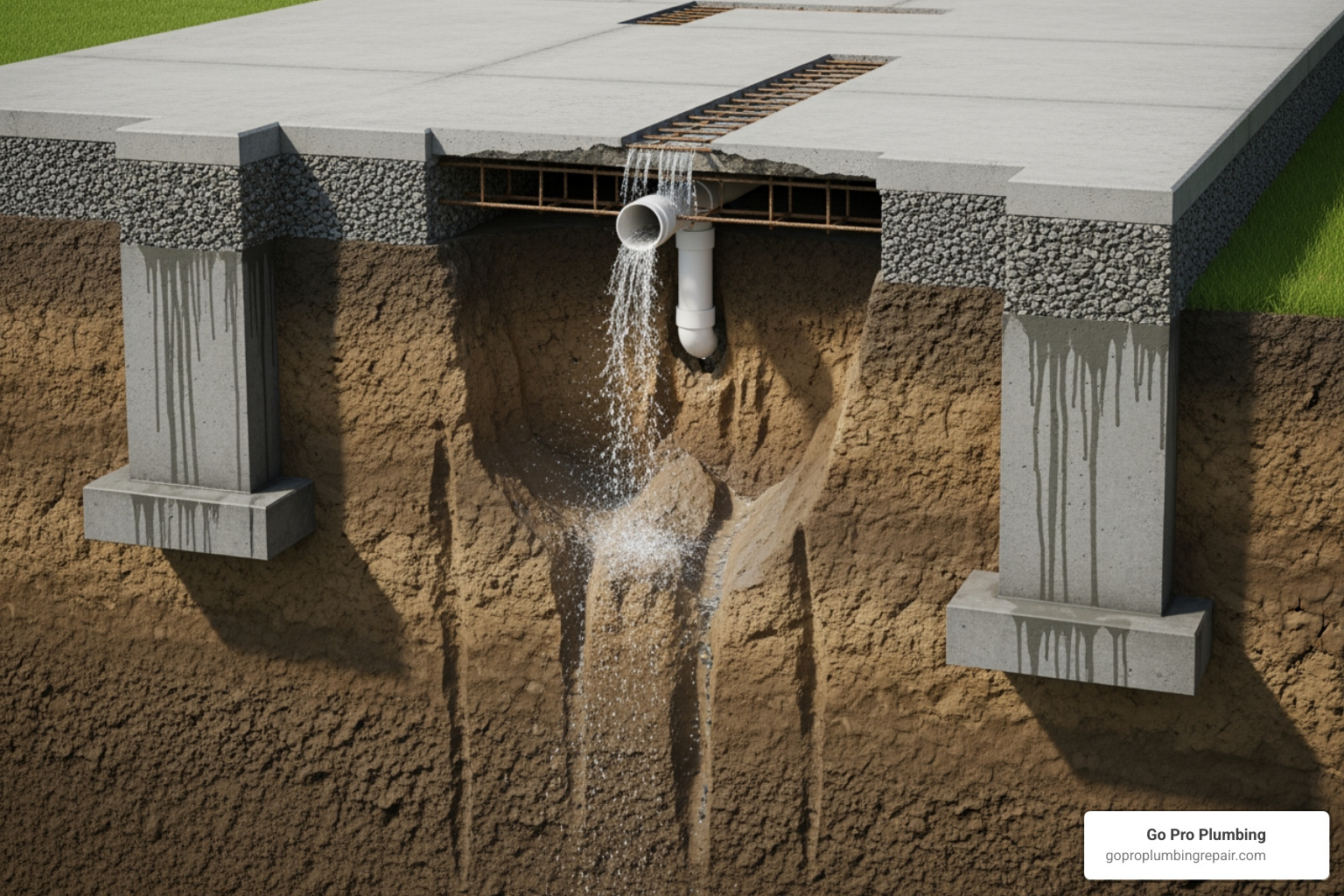
When heavy rainstorms hit coastal Fairfield County, or during the spring thaw following heavy New England snowfalls, the ground surrounding a foundation becomes completely saturated. This saturation creates hydrostatic pressure—the physical force exerted by standing water against basement walls and floor slabs. As hydrostatic pressure builds, it exploits microscopic cracks, porous concrete, mortar joints in stone or block foundations, and utility penetrations, forcing water into the living space.
Ignoring early warning signs—such as damp basements, efflorescence (a white, powdery mineral residue left behind by evaporating water), peeling wall paint, or a musty odor—often leads to compromised structural integrity. Over time, water infiltration softens load-bearing soil, erodes footings, and rusts steel reinforcement bars (rebar) within concrete walls, eventually causing bowing, cracking, or catastrophic wall failure.
Identifying the Source and Type of Foundation Leaks
Before initiating any repair protocol, contractors must accurately diagnose how water is entering the structure. Foundation leaks generally manifest in distinct ways depending on the construction type—poured concrete, concrete masonry units (CMU blocks), or fieldstone foundations common in older Norwalk properties.
Wall Cracks and Poured Concrete Foundations
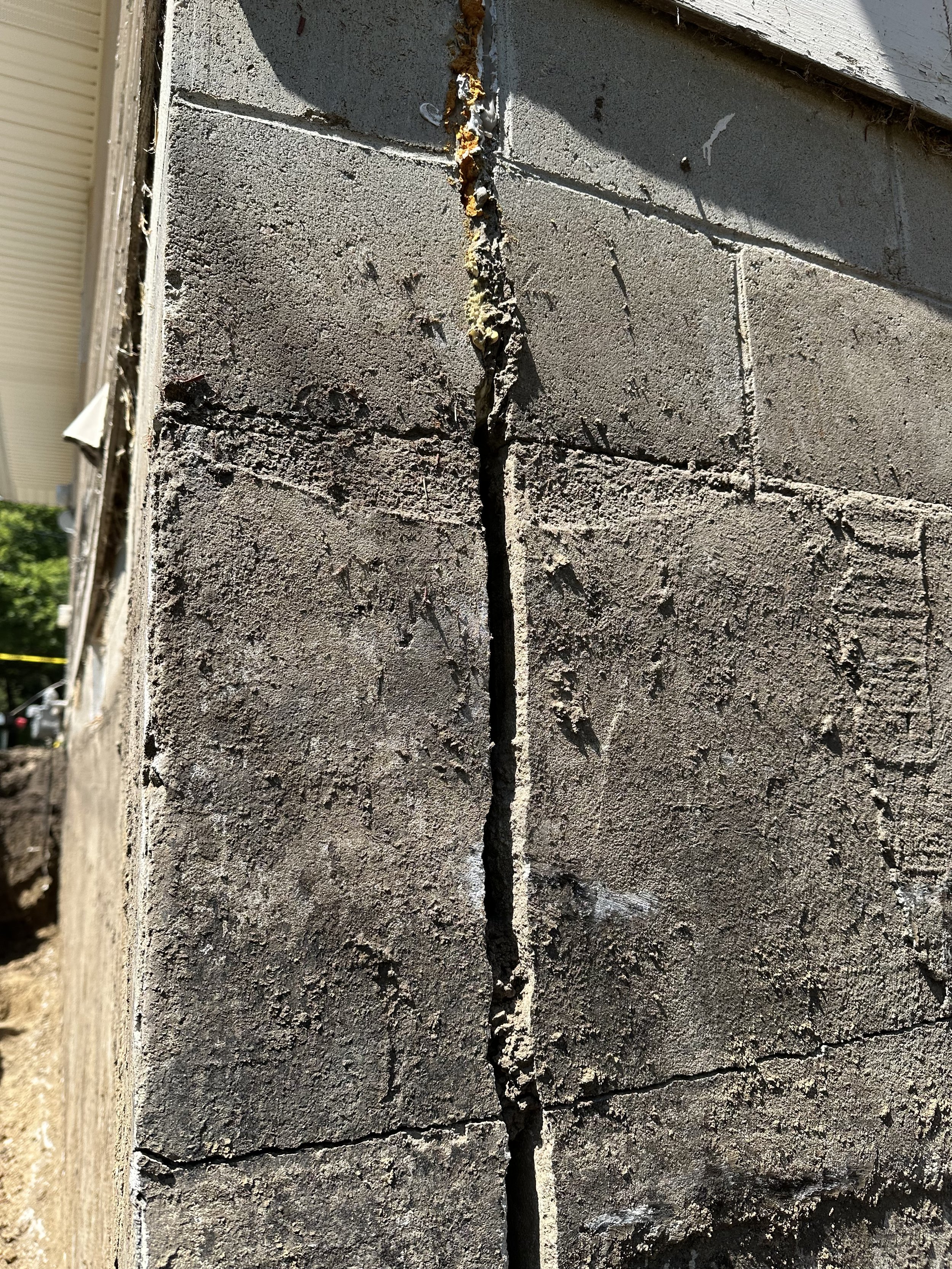
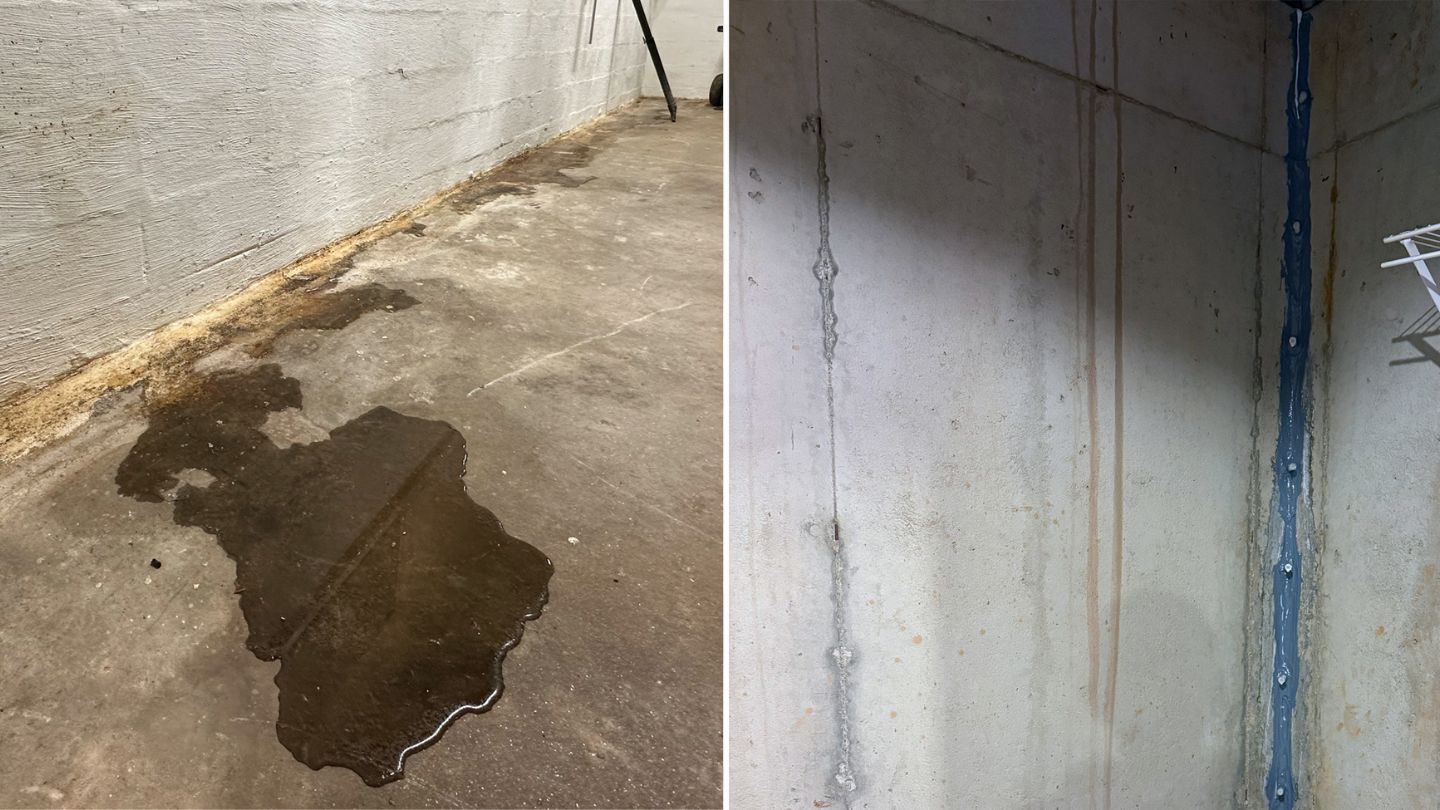
Poured concrete foundations frequently develop vertical or diagonal shrinkage cracks as the concrete cures and settles. While these hairline cracks are common, they provide direct pathways for groundwater. If a crack spans the entire thickness of the wall, water will seep through during heavy rains.
Mortar Joint Failures in Block and Stone Foundations
Older homes in Norwalk often feature foundations built with concrete blocks or local fieldstone bonded by mortar. Mortar naturally degrades over time due to moisture exposure and freeze-thaw cycles. Water typically breaches these foundations by eroding the mortar joints or flowing through porous concrete blocks, leading to widespread dampness rather than a single localized stream.
Floor-Wall Joints and Sump Pit Infiltration
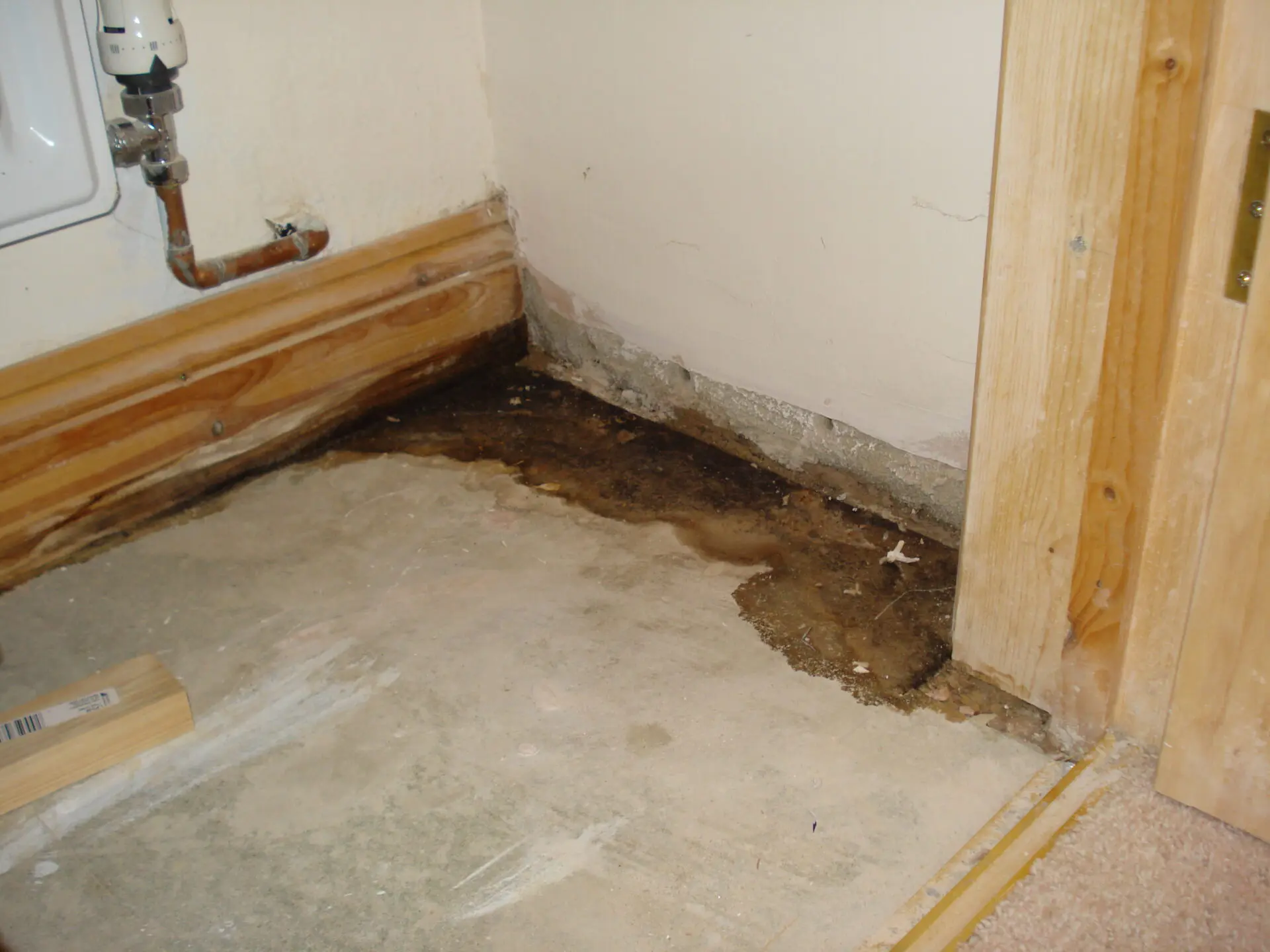
The seam where the basement floor slab meets the foundation wall is a notorious weak point. During periods of high water tables, water exerts upward pressure beneath the slab, forcing its way through this joint. Additionally, poorly sealed sump pit edges or failing sump pumps can allow collected groundwater to spill back onto the basement floor.
| Leak Type | Common Cause | Primary Indicator | Typical Severity |
|---|---|---|---|
| Vertical Wall Crack | Concrete shrinkage, settling | Thin vertical line leaking water during heavy rain | Moderate (easily sealed if caught early) |
| Floor-Wall Seam Seepage | Hydrostatic pressure from high water table | Pooling water along the perimeter of the basement floor | High (indicates poor overall drainage) |
| Mortar Joint Deterioration | Age, freeze-thaw cycles, moisture exposure | Dampness across concrete block or stone walls | High (requires extensive repointing or sealing) |
| Tie-Rod Hole Leaks | Deteriorating metal form ties left during construction | Small circular leaks in poured concrete walls | Low to Moderate (straightforward patching) |
Professional Repair Methods and Techniques
Effective foundation leak repair in Norwalk, CT depends on whether the solution is applied from the interior or the exterior. Professional waterproofing contractors select methods based on the severity of the leak, foundation type, and property layout.
Interior Epoxy and Polyurethane Crack Injection
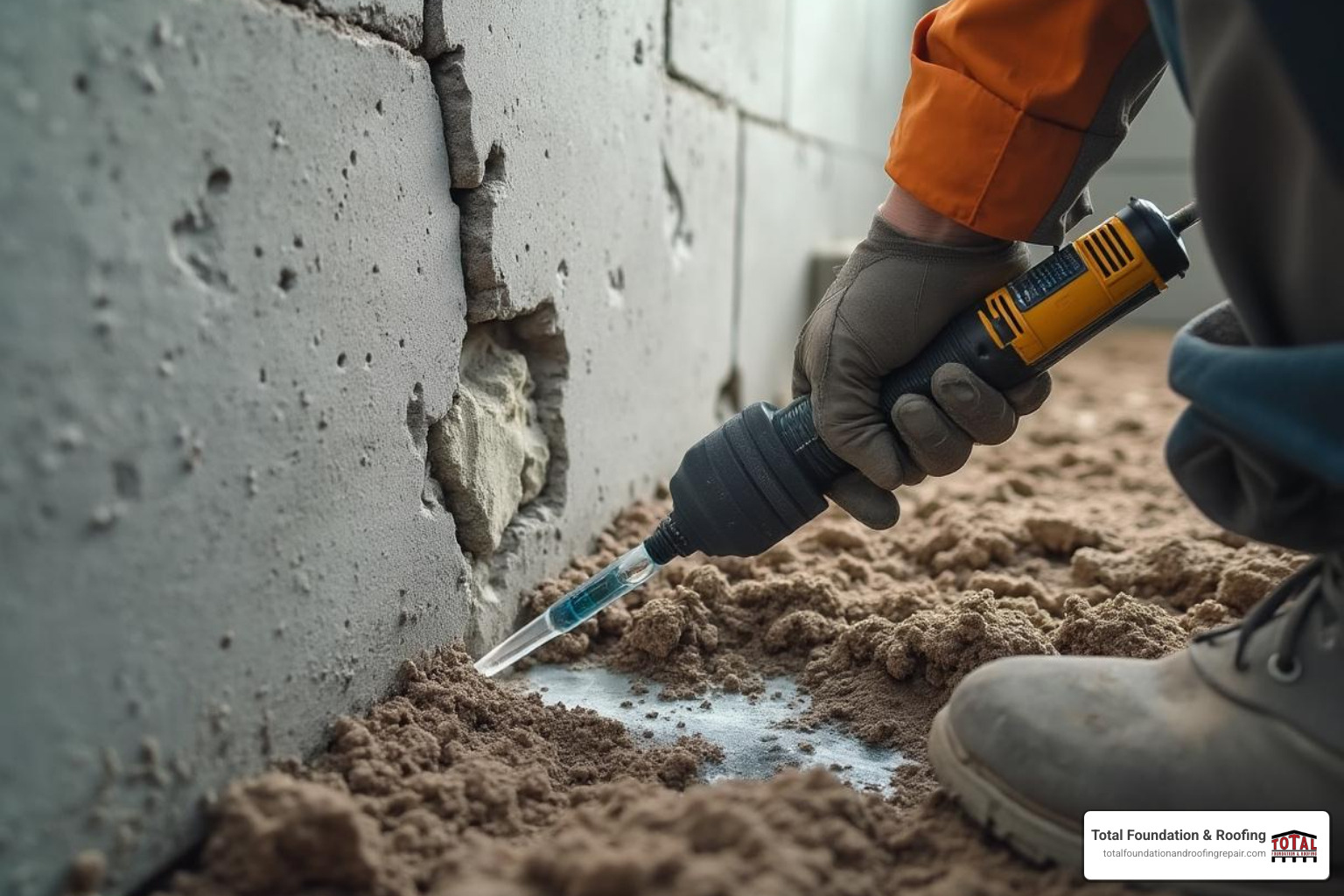
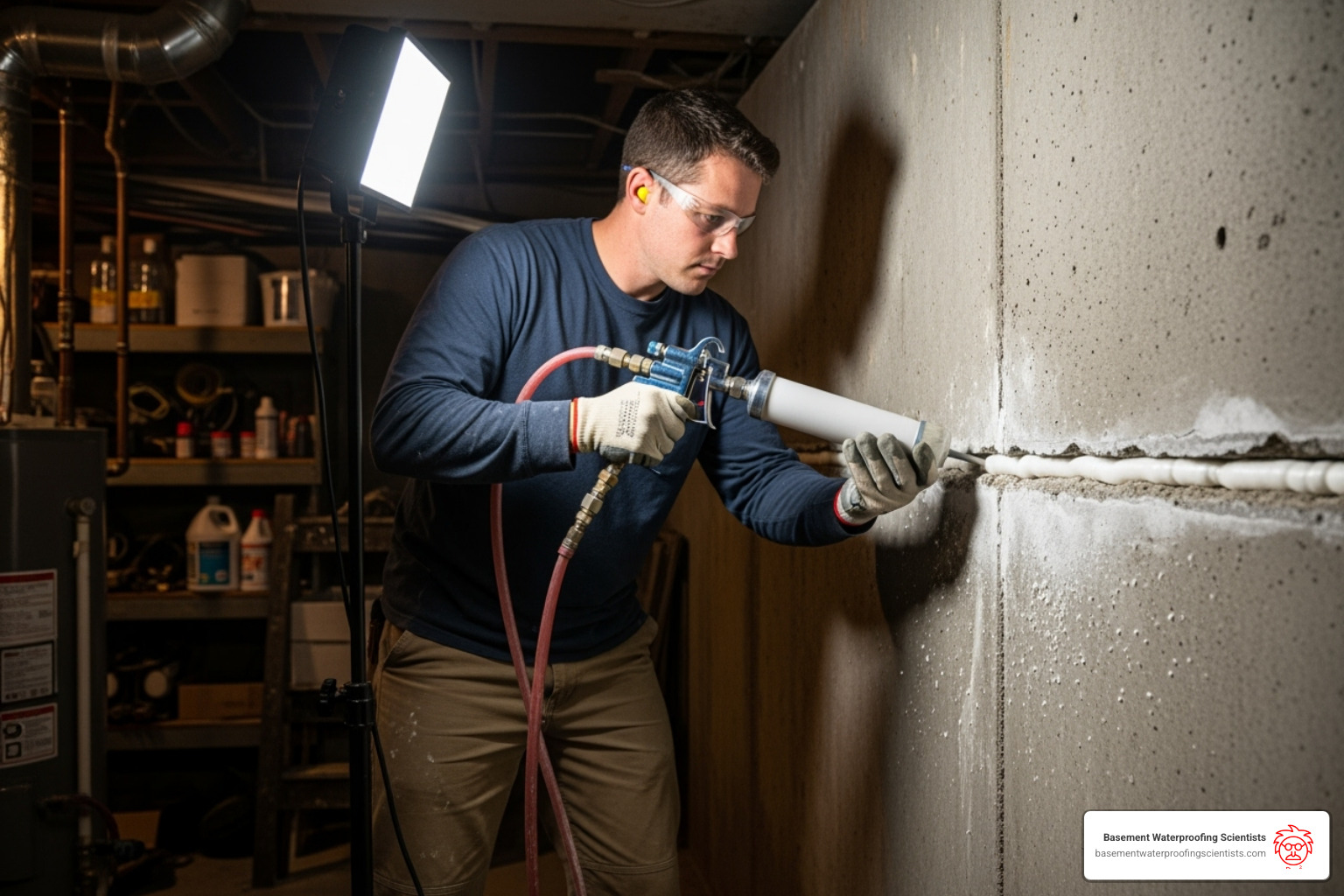
For non-structural cracks in poured concrete walls, low-pressure injection is the industry standard. Contractors inject either epoxy or expanding polyurethane resins directly into the crack.
- Epoxy Injections: Epoxy cures into a rigid, high-strength material that structurally welds the concrete back together, restoring the wall's original load-bearing capacity.
- Polyurethane Injections: Polyurethane remains flexible after curing, making it ideal for active leaks or cracks subject to minor thermal expansion and contraction. The foam expands upon contact with water, filling the entire void from the exterior soil line to the interior wall face.
Interior Drainage Systems and Sump Pumps
When hydrostatic pressure causes widespread water seepage through floor-wall joints or porous masonry, interior sub-floor drainage systems provide a reliable remedy. Contractors excavate a trench around the perimeter of the basement floor, install a perforated PVC drainage pipe (often referred to as a French drain) encased in washed gravel, and tie it into a heavy-duty sump pump system. The drainage channel captures incoming water before it reaches the surface and safely pumps it away from the foundation.
Exterior Excavation and Waterproofing Membranes
Exterior waterproofing is the most thorough approach because it stops water at the exterior soil line before it ever touches the foundation wall. The process requires excavating the soil down to the footing, cleaning the foundation wall, repairing visible cracks, and applying a heavy-duty polymer-modified liquid waterproofing membrane or heavy rubberized sheets. Contractors also install exterior footing drains (curtain drains) and protection boards to shield the membrane from backfill rocks.
Cost Factors for Foundation Leak Repair in Norwalk, CT
The cost of repairing a foundation leak varies widely based on the repair technique required, the severity of the damage, accessibility, and local labor rates in lower Fairfield County.
- Crack Injections: Local contractors typically price epoxy or polyurethane crack injections per linear foot or per crack. Homeowners can expect to pay between $400 and $800 per individual crack.
- Interior Drainage Systems: Installing a perimeter french drain system combined with a primary and battery-backup sump pump generally ranges from $5,000 to $12,000, depending on the square footage of the basement.
- Exterior Excavation and Waterproofing: Because this method involves heavy machinery, manual labor, and site restoration (landscaping, patios, or walkways), costs are significantly higher, frequently ranging from $15,000 to $30,000+ depending on the linear footage excavated.
Property owners should obtain multiple quotes from licensed, insured structural waterproofing specialists familiar with Norwalk building codes and zoning requirements.
Preventive Measures and Surface Water Management
Mitigating future foundation leaks involves managing surface water around the perimeter of the property. Simple adjustments can drastically reduce the volume of water pressing against foundation walls:
- Gutter and Downspout Maintenance: Ensure gutters are clear of debris and downspouts extend at least 4 to 6 feet away from the foundation wall. Water dumped directly next to the house pools against the foundation and accelerates leaks.
- Proper Grading: The soil immediately surrounding the foundation should slope away from the house at a minimum grade of 6 inches over the first 10 feet. Avoid flower beds or mulch pits that trap water against the foundation wall.
- Foundation Plantings: Keep large shrubs and trees with aggressive root systems at a safe distance from the home. Roots can damage exterior waterproofing membranes and push against subterranean masonry.
Frequently Asked Questions
How do I know if a foundation crack is structural or non-structural?
Non-structural cracks are typically hairline-sized, vertical, or diagonal shrinkage fractures that do not offset or shift. Structural cracks are wider than 1/8 inch, horizontal, stair-stepped along mortar joints, or accompanied by bowing walls. Structural cracks require immediate evaluation by a professional structural engineer.
Does homeowners insurance cover foundation leak repair in Norwalk, CT?
Standard homeowners insurance policies in Connecticut typically exclude coverage for damage caused by groundwater, hydrostatic pressure, or normal wear and tear. Insurance may only apply if the water damage results from a sudden internal plumbing failure. Review your specific policy or consult an insurance agent to verify coverage limits.
Can I repair a foundation leak from the inside myself?
While DIY hydraulic cement and surface masonry sealers are available at hardware stores, these products only offer temporary cosmetic relief for active leaks. Because they trap water inside the wall, hydrostatic pressure eventually forces the patch off. Permanent repairs require professional injection resins or drainage systems.
How long do epoxy and polyurethane crack injections last?
Professionally installed polyurethane and epoxy injection systems are designed to last the lifetime of the structure. High-quality resins form a permanent bond or flexible seal that withstands normal settling and seasonal temperature shifts.
Why is water entering my basement only during heavy storms?
During light rain, surrounding soil absorbs the moisture before it reaches your foundation. Heavy or prolonged rainfall overwhelms the soil's absorption capacity, creating hydrostatic pressure that forces water through vulnerabilities in your foundation walls or floor slabs.
Conclusion and Next Actions
Addressing foundation leaks promptly preserves both the structural safety and the market value of your Norwalk property. Begin by monitoring the location and severity of water intrusion during storms, and document any changes in wall stability or crack width. Schedule an inspection with a qualified, licensed waterproofing contractor or structural engineer in Fairfield County to receive an accurate diagnosis and implement a permanent repair strategy.
Image Gallery