Accessing Collier County Arrests and Mugshots: A 2026 Complete Guide
Navigating public records regarding Collier County arrests and mugshots requires an understanding of local law enforcement operations, constitutional rights, and Florida's specific sunshine laws. Whether you are conducting background r...
Navigating public records regarding Collier County arrests and mugshots requires an understanding of local law enforcement operations, constitutional rights, and Florida's specific sunshine laws. Whether you are conducting background research, tracking a legal proceeding, or managing personal digital footprints, obtaining accurate information from Southwest Florida agencies involves navigating specific legal databases and operational frameworks. This comprehensive guide details how to access arrest records, evaluate the legitimacy of third-party mugshot websites, understand Florida's public record statutes as of 2026, and protect your privacy if your information appears online.
Contents
Understanding Collier County Public Records and Law Enforcement Infrastructure
Collier County, located on the Paradise Coast of Southwest Florida, encompasses Naples, Marco Island, and Immokalee. The primary law enforcement agency responsible for maintaining arrest logs, booking data, and inmate information is the Collier County Sheriff's Office (CCSO). Additionally, municipal departments such as the Naples Police Department and the Marco Island Police Department process local detentions before transferring individuals to the central jail facility operated by CCSO.
Under Florida's broad public records law, historically codified in Chapter 119 of the Florida Statutes, most records maintained by public agencies are open to inspection by any person. However, recent legislative updates and operational modifications balance transparency with privacy, particularly concerning individuals whose charges are dropped, dismissed, or expunged.
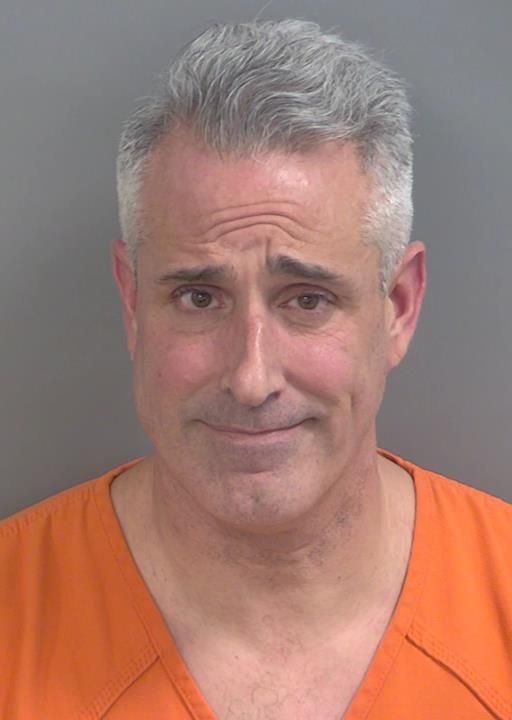
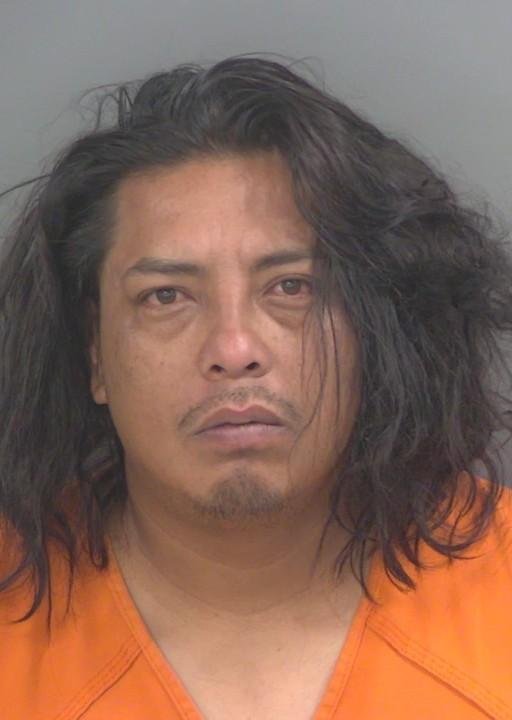
When an individual is arrested in Collier County, they undergo booking procedures at the Naples Jail Center. This process involves capturing fingerprints, recording demographic data, taking official booking photographs (mugshots), and logging specific charges. These initial records form the foundation of the public booking log.
Official Channels for Locating Collier County Inmates and Arrests
To ensure accuracy and avoid misinformation found on predatory aggregation sites, individuals should rely exclusively on official county portals. The verification process requires specific data points such as the subject's legal name, date of birth, or specific booking number.
- Collier County Sheriff's Office (CCSO) Inmate Search: The primary online tool is hosted directly on the official CCSO website. Users can query the active inmate population or search historical booking logs using identifying criteria.
- Collier County Clerk of Courts: For subsequent legal proceedings, court dockets, and case dispositions, the Clerk of the Circuit Court and Comptroller provides a public case search portal. This database reveals whether a charge resulted in a formal filing, arraignment, trial, or dismissal.
- In-Person Records Requests: The CCSO Records Bureau, located at the main administration complex, allows in-person public record inspections during standard business hours, subject to statutory exemptions.
Operational Verification Note Official law enforcement databases undergo routine maintenance. If a real-time search yields no results for a recent arrest, it typically indicates that the booking process, medical screening, and fingerprint verification are still actively underway at the Naples Jail Center.
Comparative Overview of Arrest Record Access Methods
Accessing arrest logs and mugshots can be accomplished through various channels, each carrying distinct advantages, legal limitations, and cost structures. The following table contrasts official municipal channels with commercial alternatives.
| Access Method | Data Accuracy | Cost | Update Frequency | Privacy Protection / Compliance |
|---|---|---|---|---|
| Collier County Sheriff's Office (CCSO) | 100% Verified | Free | Real-time / Daily | Complies with state expungement and sealing laws |
| Collier County Clerk of Courts | 100% Verified | Free (Viewing) / Nominal (Copies) | Real-time | Reflects true legal dispositions and case updates |
| Commercial Mugshot Aggregators | Variable / Often Outdated | Varies (Removal Fees Often Charged) | Irregular | Frequently ignores expungements; exploits privacy |
| Third-Party Background Check Services | Moderate | Subscription Required | Monthly or Weekly | Subject to Fair Credit Reporting Act (FCRA) rules if used for employment |
The Reality of Commercial Mugshot Sites and Exploitative Practices
A major challenge facing individuals whose arrest records enter the public domain is the proliferation of commercial mugshot aggregation websites. These platforms scrape data from official county jail logs, publish arrest photos and details, and often index them prominently in search engine results.
Many of these operators employ predatory business models, charging subjects substantial removal fees to take down images—even if the charges were completely dropped or the record was legally expunged. Understanding how to manage these digital footprints is essential for personal reputation management.
Key Facts Regarding Commercial Mugshot Removal
- Official Removal Invalidation: Paying a commercial site to remove a mugshot does not alter the underlying legal status of the record. Conversely, legal sealing or expungement changes the public availability of the record at the state level.
- Florida Statutory Protections: Florida law imposes strict penalties on entities that charge fees for mugshot removal when the underlying charges have been dismissed, nolle prossed, or resulted in an acquittal.
- Search Engine De-indexing: Major search engines like Google provide specialized request forms allowing individuals to request the removal of non-consensual explicit imagery or predatory mugshot content under specific personal safety and legal compliance guidelines.
Step-by-Step Guide to Requesting and Managing Collier County Records
For researchers, legal professionals, or individuals managing their own public records, following a systematic protocol ensures accurate results without violating operational protocols.
- Gather Precise Identifying Information: Compile the full legal name, exact date of birth, and, if known, the specific booking number or case number associated with the Collier County incident.
- Consult the CCSO Inmate Lookup: Navigate to the official Collier County Sheriff's Office online portal. Enter the required search parameters to review active custody status or recent booking archives.
- Cross-Reference with Court Dockets: Access the Collier County Clerk of Courts website to track the legal lifecycle of the arrest. Verify whether the State Attorney's Office filed formal charges or if the case was closed without action.
- Initiate Record Sealing or Expungement (If Eligible): If a case resulted in a dismissal, non-filing, or acquittal, consult with a qualified Florida defense attorney to petition the court for a record seal or expungement, which legally mandates the removal of records from public agency view.
Frequently Asked Questions About Collier County Arrests and Mugshots
How can I find someone recently arrested in Collier County?
You can search the live inmate database directly on the official Collier County Sheriff's Office website using the subject's name and date of birth. This database updates continuously as new bookings occur at the Naples Jail Center.
Are mugshots public record in Florida?
Yes, booking photographs and arrest logs are generally public records under Florida statutes. However, certain exemptions apply, such as records involving juveniles, specific undercover operations, or cases where the record has been legally sealed or expunged.
Why do mugshots appear on independent websites even after charges are dropped?
Independent aggregators scrape public booking logs before legal proceedings conclude. Because these sites operate outside government oversight, they often fail to update records when charges are dismissed, necessitating direct removal requests or legal intervention.
How do I get my mugshot removed from search engines?
If the record has been officially expunged or sealed by a Collier County court, you can submit documentation directly to search engine providers using their legal removal request portals to de-index the outdated web links.
Can employers use mugshot websites for background checks?
Legitimate background screening companies must comply with the Fair Credit Reporting Act (FCRA), meaning they rely on verified court dispositions rather than unverified mugshot websites that may contain outdated or dismissed charges.
Conclusion and Official Action
Navigating public safety data in Southwest Florida requires reliance on verified government repositories like the Collier County Sheriff's Office and the Clerk of Courts. Whether you are verifying community safety details, conducting legitimate legal research, or addressing your own digital footprint, bypassing third-party aggregators in favor of official channels ensures data integrity and legal compliance. To begin your search, visit the official Collier County Sheriff's Office web portal or contact the records division directly for official document requests.
Image Gallery