Understanding the Legacy and Net Worth of Troy Shondell
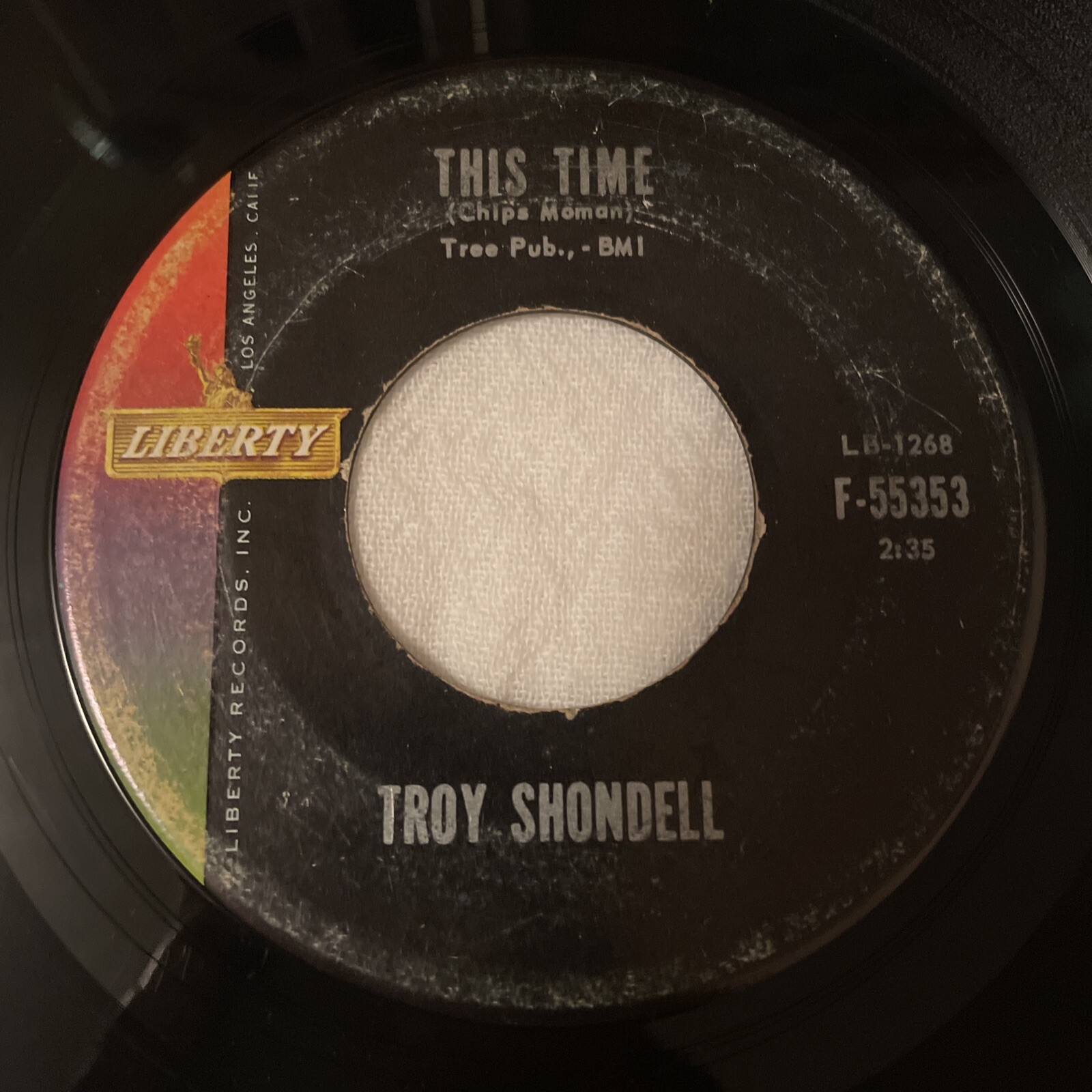
Troy Shondell, born Gary Wayne Schelton, was a prominent American pop singer best known for his 1961 hit "This Time." Assessing the net worth of an artist from the early rock-and-roll era requires an understanding of the historical mus...
Troy Shondell, born Gary Wayne Schelton, was a prominent American pop singer best known for his 1961 hit "This Time." Assessing the net worth of an artist from the early rock-and-roll era requires an understanding of the historical music industry landscape, royalty structures of the 1960s, and the enduring nature of copyright management for legacy performers. While specific private financial figures for Shondell were never publicly disclosed during his lifetime, his estate's value is derived primarily from music publishing, songwriting credits, and long-term royalty participation in his recordings.
Contents
The Career Trajectory of Troy Shondell
To understand the financial footprint of Troy Shondell, one must first look at the economics of the "one-hit wonder" phenomenon in the early 1960s. Shondell’s career began in the mid-1950s, but he achieved national prominence in 1961 when "This Time," a song originally written by Chips Moman and Chips Rowland, hit the Billboard Hot 100.
The song sold over a million copies, earning a gold record. In the economic context of 1961, gold records were significant revenue generators, though the financial distribution between labels, producers, and artists was vastly different than in the modern streaming era. Shondell’s status as a working musician and performer allowed him to transition into the music business side of the industry, where he spent significant time managing and promoting talent. His longevity in the music business, spanning roles as a songwriter, performer, and executive, suggests a career built on diversified income streams rather than reliance on a single track.
The Economics of 1960s Music Royalties
When calculating the wealth associated with legacy artists, it is vital to distinguish between upfront payments and backend royalties. Artists in the early 1960s rarely enjoyed the massive record-breaking contracts seen today. Instead, income was derived from:
- Performance Royalties: Payments made to songwriters and publishers whenever a song was broadcast or performed in public.
- Mechanical Royalties: Fees generated from the physical sale of records, including LPs, 45s, and later, digital downloads and streaming.
- Live Performance Fees: The bread and butter of mid-century artists, involving consistent touring and appearances at local venues.
Troy Shondell continued to perform and engage with the music industry long after the initial chart success of "This Time." By operating as a professional in the music industry for decades, he likely accumulated assets through consistent, albeit moderate, streams of income. Unlike modern artists who might reach "billionaire" status through branding and tech-integrated business ventures, Shondell’s financial profile belongs to the era of the working professional musician.
Estimating Historical Net Worth
Because net worth is a calculation of total assets minus liabilities, and because Shondell did not maintain a public-facing corporate empire, any estimation of his net worth must be approached with caution. Financial analysts looking at artists of his generation typically value their estates based on:
- Catalog Value: The ongoing earnings of the songs they wrote or published.
- Property and Personal Holdings: Real estate acquired during a career.
- Estate Residuals: The continued collection of royalties by beneficiaries.
In 2026, many artists from the 1960s who remained active in the industry are recognized for their steady, if not astronomical, accumulation of wealth. Reports often categorize the net worth of performers of Shondell's stature—those with a major hit and a long industry career—in the range of $1 million to $5 million, depending on real estate holdings and the management of their intellectual property. It is important to note that these figures are estimates for biographical record-keeping purposes and not reflections of verifiable investment portfolio data.
Factors Influencing Artist Wealth
| Factor | Impact on Long-term Wealth |
|---|---|
| Songwriting Credits | Provides perpetual royalty income via publishing rights. |
| Touring Longevity | High-impact cash flow during active years; requires travel logistics. |
| Industry Roles | Administrative or executive roles provide stability outside of performance. |
| Marketed Appearances | Legacy shows and nostalgia tours increase annual revenue for older artists. |
The Role of Intellectual Property Management
For a musician, intellectual property (IP) is the most durable asset. Even decades after a song’s release, mechanical royalties from licensing in films, commercials, and digital streaming platforms continue to accrue. If Troy Shondell held onto the publishing rights or a significant percentage of the master recordings for his work, the value of that IP would be the primary driver of his estate’s net worth today.
In the current year of 2026, the value of music catalogs has reached unprecedented highs, with private equity firms often acquiring the rights to legacy songs. For an artist like Shondell, the estate’s financial health is tied directly to how these rights are managed or whether they were sold during the artist's lifetime.
Frequently Asked Questions
1. Was Troy Shondell a wealthy musician? Troy Shondell had a successful career as a performer and music industry professional. While he was not characterized by the extreme wealth associated with modern global superstars, he maintained a long-term, stable financial career through touring, songwriting, and industry management.
2. How do legacy artists make money in 2026? Legacy artists generate income primarily through the licensing of their music for sync (film, television, and advertising), royalties from streaming services, and the management of their intellectual property catalogs.
3. Does "This Time" generate significant royalties? "This Time" remains a classic rock-and-roll track. As a staple of oldies radio and digital playlists, it continues to generate performance and mechanical royalties, which benefit the holders of the song’s publishing rights.
4. Why are there no exact figures for his net worth? Private individuals, even those with public fame, are not required to disclose their net worth. Unless an individual is a publicly traded entity or a high-net-worth individual with mandatory filings, estimates are speculative and based on industry standards rather than verified bank records.
5. What happened to the royalties of his hit songs? Upon an artist’s passing, royalties typically transfer to an estate or designated beneficiaries. These entities manage the ongoing collection of funds from performing rights organizations (PROs) and record labels to ensure continued income.
Professional Guidance and Limitations
Financial data regarding individual estates is private. When researching the net worth of historical figures, it is essential to distinguish between verifiable industry earnings and media-generated estimations. If you are researching this for the purpose of estate planning or intellectual property investment, consult with a qualified music business attorney or a forensic accountant who specializes in the music and entertainment industry to ensure accurate valuations based on current copyright laws.
Image Gallery