Heath Ledger Net Worth in the 2000s: A Career and Estate Analysis
At the time of his passing in January 2008, Heath Ledger’s net worth was estimated to be between $16 million and $20 million. This wealth was primarily accumulated through high-profile film salaries during the 2000s, including his icon...
At the time of his passing in January 2008, Heath Ledger’s net worth was estimated to be between $16 million and $20 million. This wealth was primarily accumulated through high-profile film salaries during the 2000s, including his iconic role as the Joker in The Dark Knight, and significant real estate holdings in both New York and Australia.
Contents
The Economic Trajectory of a Rising Icon (2000–2003)
The turn of the millennium marked Heath Ledger’s transition from an Australian television actor to a global Hollywood lead. This shift was not merely artistic but represented a massive escalation in his earning potential. Following the success of 10 Things I Hate About You (1999), Ledger entered the 2000s as one of the most sought-after young actors in the industry.
In 2000, Ledger starred alongside Mel Gibson in The Patriot. For a relatively new face in Hollywood, his salary for this role was estimated in the mid-six-figure range, a significant jump from his previous earnings. However, the true financial breakthrough occurred with A Knight’s Tale (2001). As the solo lead of a major studio blockbuster, Ledger’s salary reportedly climbed to the $3 million mark. This established a new floor for his "quote"—the standard fee an actor expects for a leading role in a studio production.
During this period, Ledger's net worth was characterized by rapid liquidity growth. Unlike veteran stars who diversify into production companies early on, Ledger’s early 2000s wealth was largely derived from direct "work-for-hire" contracts. It is important to note that in the early 2000s, a $3 million salary did not equate to $3 million in the bank. After accounting for a 10% agent fee, a 5% manager fee, and a 5% legal fee, alongside nearly 40–50% in federal and state taxes, an actor typically retained about 35% to 40% of their gross earnings.
The Pivot to Independent Cinema (2004–2006)
By the mid-2000s, Ledger made a conscious decision to move away from "heartthrob" or action-hero roles in favor of character-driven narratives. This decision had a direct impact on his immediate cash flow but arguably increased the long-term value of his "brand."
For the 2005 film Brokeback Mountain, Ledger took a substantial pay cut. While a major studio film might have paid him $5 million to $8 million at that stage, Brokeback Mountain was an independent production with a limited budget. Reports suggest Ledger earned less than $1 million upfront for the role. However, the film’s massive critical success and subsequent Academy Award nomination elevated his status to the "A-list" tier of elite actors, which dramatically increased his leverage for future contracts.
During these years, Ledger began investing in significant assets. He purchased a home in Bronte, Sydney, for approximately $4.4 million (AUD) and later acquired a loft in SoHo, Manhattan. By 2006, despite taking lower salaries for artistic projects like Candy and I'm Not There, his net worth was bolstered by the appreciation of his real estate portfolio and residual checks from his earlier commercial successes.
The Dark Knight and the 2008 Financial Peak
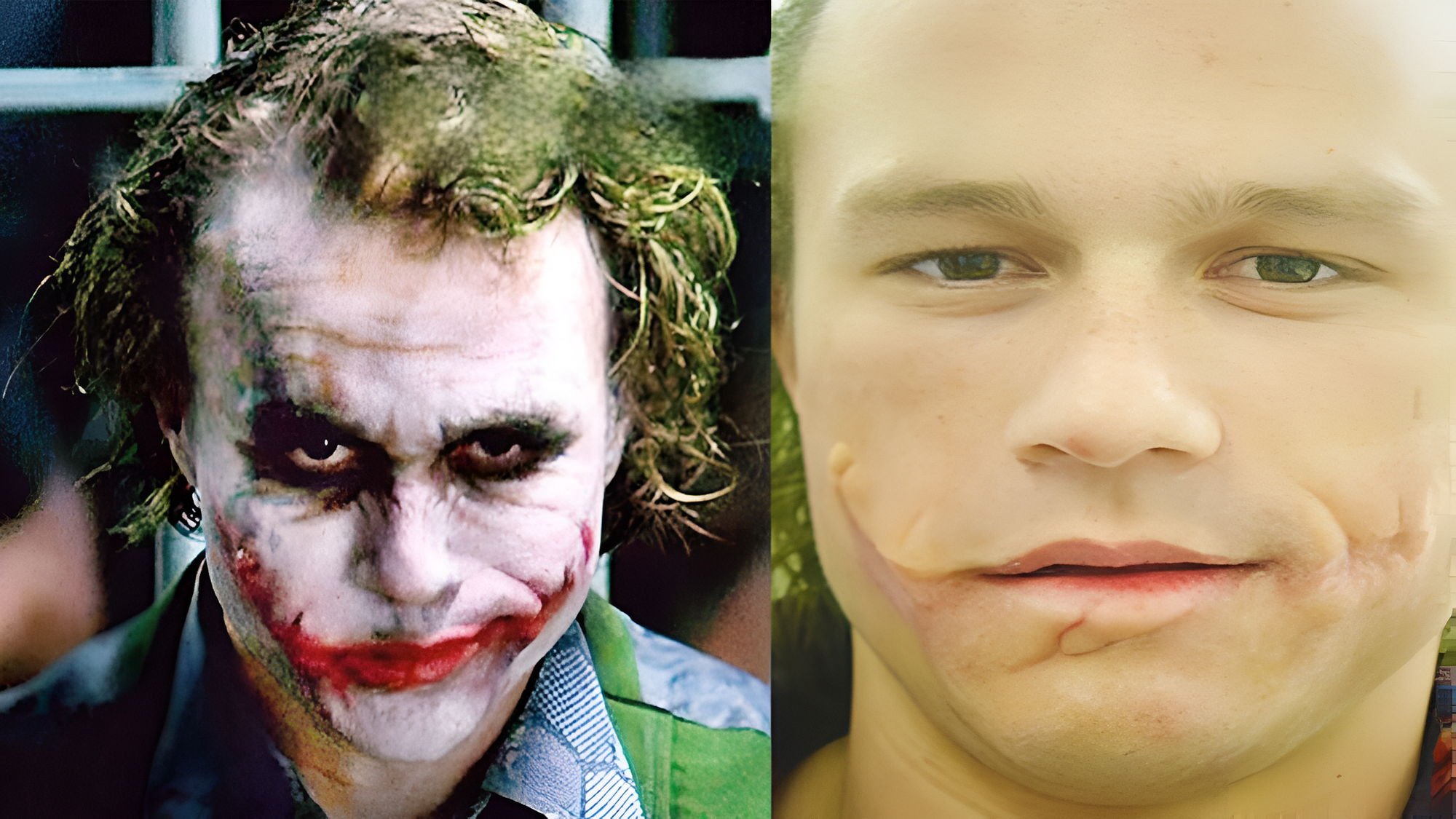
The year 2007 and the beginning of 2008 represented the pinnacle of Ledger’s earning power. His casting as the Joker in Christopher Nolan’s The Dark Knight was a career-defining move that came with a heavy-hitting salary. While exact figures remain confidential under Warner Bros. contracts, industry standards for a lead villain in a major superhero franchise suggest an upfront salary in the $10 million to $12 million range.
More importantly, Ledger’s contract likely included "backend points" or "contingent compensation." This means his estate was entitled to a percentage of the film’s profits. Since The Dark Knight went on to gross over $1 billion at the global box office, these residuals significantly increased the ultimate value of his estate far beyond the initial probate filings.
When Ledger passed away in January 2008, the initial documents filed in the Supreme Court of Western Australia listed his Australian assets at approximately $145,000, which led to early, incorrect media reports that he was "broke." However, this figure only represented his Australian bank accounts and did not include his multi-million dollar US assets, real estate, or the trust funds that held the bulk of his wealth.
Estate Value and the 2003 Will Complication
One of the most complex aspects of Heath Ledger's net worth in the 2000s was the legal status of his will. Ledger had signed a will in Australia in 2003, before his relationship with Michelle Williams and the birth of their daughter, Matilda Rose Ledger, in 2005.
The 2003 will left his entire estate to his parents and sisters. This created a potential legal crisis, as Matilda was technically "omitted" from the document. Under many jurisdictions, an "omitted child" is entitled to a portion of the estate, but the process can be lengthy and contentious.
Resolution of the Ledger Estate
In a display of family solidarity, Ledger's father, Kim Ledger, announced that the family would gift the entirety of the estate to Matilda. This ensured that his net worth—which by then was estimated to have grown to over $16.3 million as more assets were accounted for—was preserved for his daughter’s future.
| Asset Category | Estimated Value (USD) | Notes |
|---|---|---|
| Film Salaries (Total 2000–2008) | $25M – $30M (Gross) | Includes A Knight's Tale, The Patriot, and The Dark Knight. |
| Real Estate (New York & Sydney) | $6M – $8M | Based on purchase prices of Bronte and SoHo properties. |
| Posthumous Residuals | $5M+ | Continued earnings from The Dark Knight and The Imaginarium of Doctor Parnassus. |
| Life Insurance | $10M | A contested policy that was eventually settled. |
| Total Estimated Estate Value | $16M – $20M | Final value after debts, taxes, and probate. |
The Role of Posthumous Earnings
Net worth for a figure like Ledger does not stop at the time of death. The 2000s ended with Ledger becoming one of the highest-earning deceased celebrities. His final film, The Imaginarium of Doctor Parnassus, was unfinished at the time of his death. The actors who stepped in to complete his role—Johnny Depp, Jude Law, and Colin Farrell—donated their salaries to Ledger’s daughter, Matilda, further contributing to the family’s financial security.
Additionally, the $10 million life insurance policy Ledger held became a point of contention. The insurance company initially balked at paying out, citing the possibility of suicide (which was later ruled an accidental overdose). The ensuing legal battle was settled out of court in late 2008, ensuring the $10 million was added to the estate’s liquidity.
Frequently Asked Questions
Was Heath Ledger broke when he died?
No. While early reports cited a small amount in his Australian bank accounts, this was a misunderstanding of probate filings. His total global assets, including US property and film residuals, were valued at approximately $16.3 million to $20 million.
Who inherited Heath Ledger’s money?
Although his 2003 will left everything to his parents and sisters, the family waived their rights to the inheritance. The entire estate was transferred to his daughter, Matilda Rose Ledger.
How much did Heath Ledger make for the Joker?
While exact figures are not public, industry experts estimate his salary for The Dark Knight was between $10 million and $12 million, plus a percentage of the film's backend profits.
Did the actors from "Doctor Parnassus" really give their money to his daughter?
Yes. Johnny Depp, Colin Farrell, and Jude Law donated their entire salaries from The Imaginarium of Doctor Parnassus to Matilda Ledger to ensure her financial future after the complications with Ledger's outdated will.
What happened to his Sydney and New York properties?
The properties were eventually sold as part of the estate's liquidation and management. The Bronte house in Sydney sold for approximately $6 million (AUD) in 2006, while his New York assets were handled by his executors to fund a trust for his daughter.
How much is his estate worth today in 2026?
By 2026, the estate has likely grown significantly through wise investment of the initial $20 million and ongoing residuals from The Dark Knight, which remains a staple of global streaming and physical media sales.
Final Financial Legacy
The financial story of Heath Ledger in the 2000s is one of rapid accumulation followed by a complex legal distribution. His move from high-paying blockbusters to artistically significant roles demonstrates a unique balance of commercial viability and creative integrity. For those looking to understand the mechanics of Hollywood wealth, Ledger's estate serves as a primary example of why current estate planning is vital for high-net-worth individuals, as his 2003 will nearly caused a significant inheritance issue for his heir.
For fans and researchers, the legacy of his wealth is now inextricably linked to the support and upbringing of his daughter, managed through the grace of his surviving family members.
Image Gallery