What are the Best Cash Value Life Insurance Policies in 2026?
The best cash value life insurance policies in 2026 are those issued by highly-rated mutual companies that offer consistent dividend performance, low internal expenses, and flexible liquidity options. For most policyholders, Whole Life...
The best cash value life insurance policies in 2026 are those issued by highly-rated mutual companies that offer consistent dividend performance, low internal expenses, and flexible liquidity options. For most policyholders, Whole Life Insurance remains the gold standard for stability and guaranteed growth, while Indexed Universal Life (IUL) is the preferred choice for those seeking higher potential returns linked to market performance without direct equity exposure.
Contents
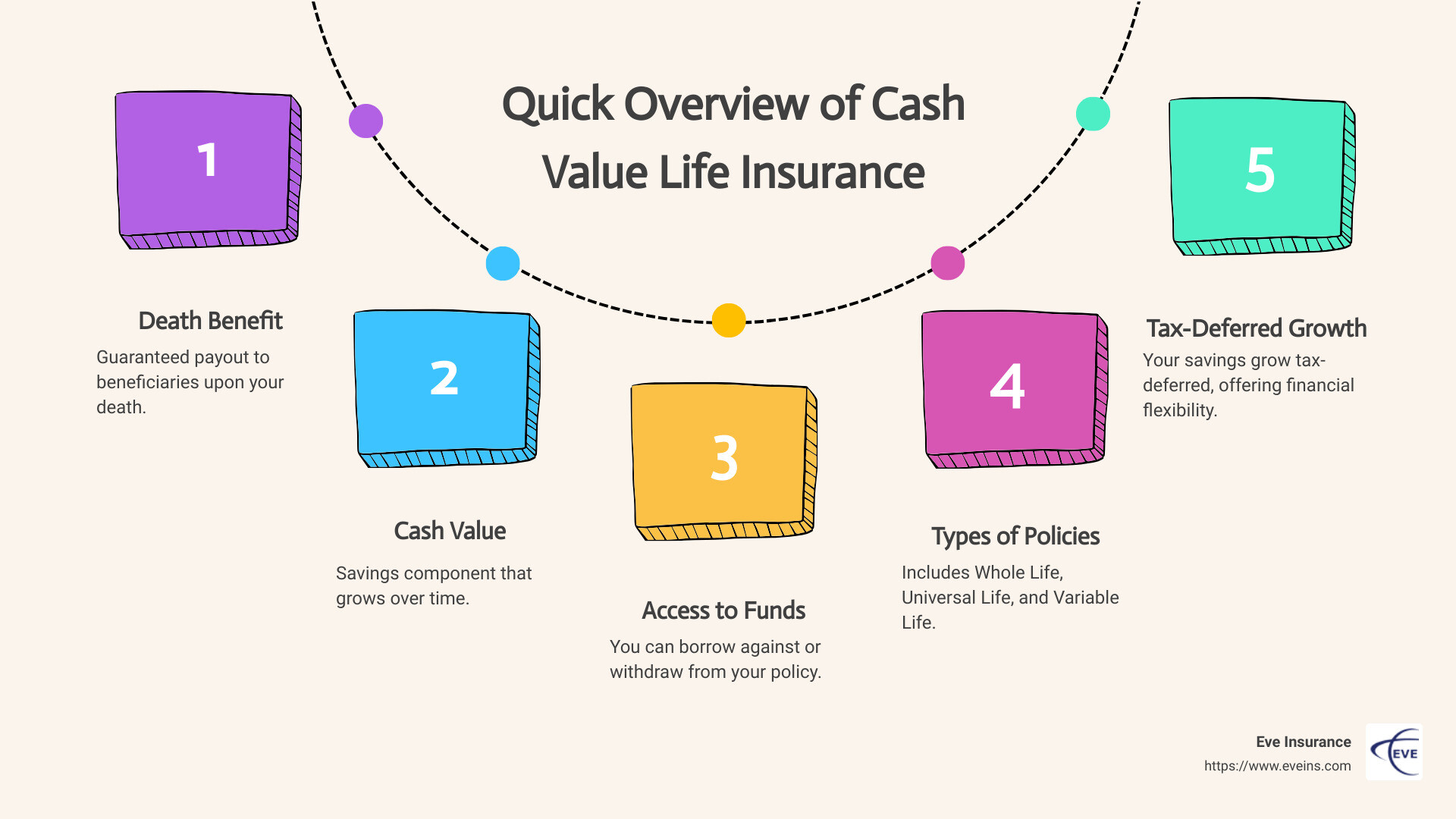
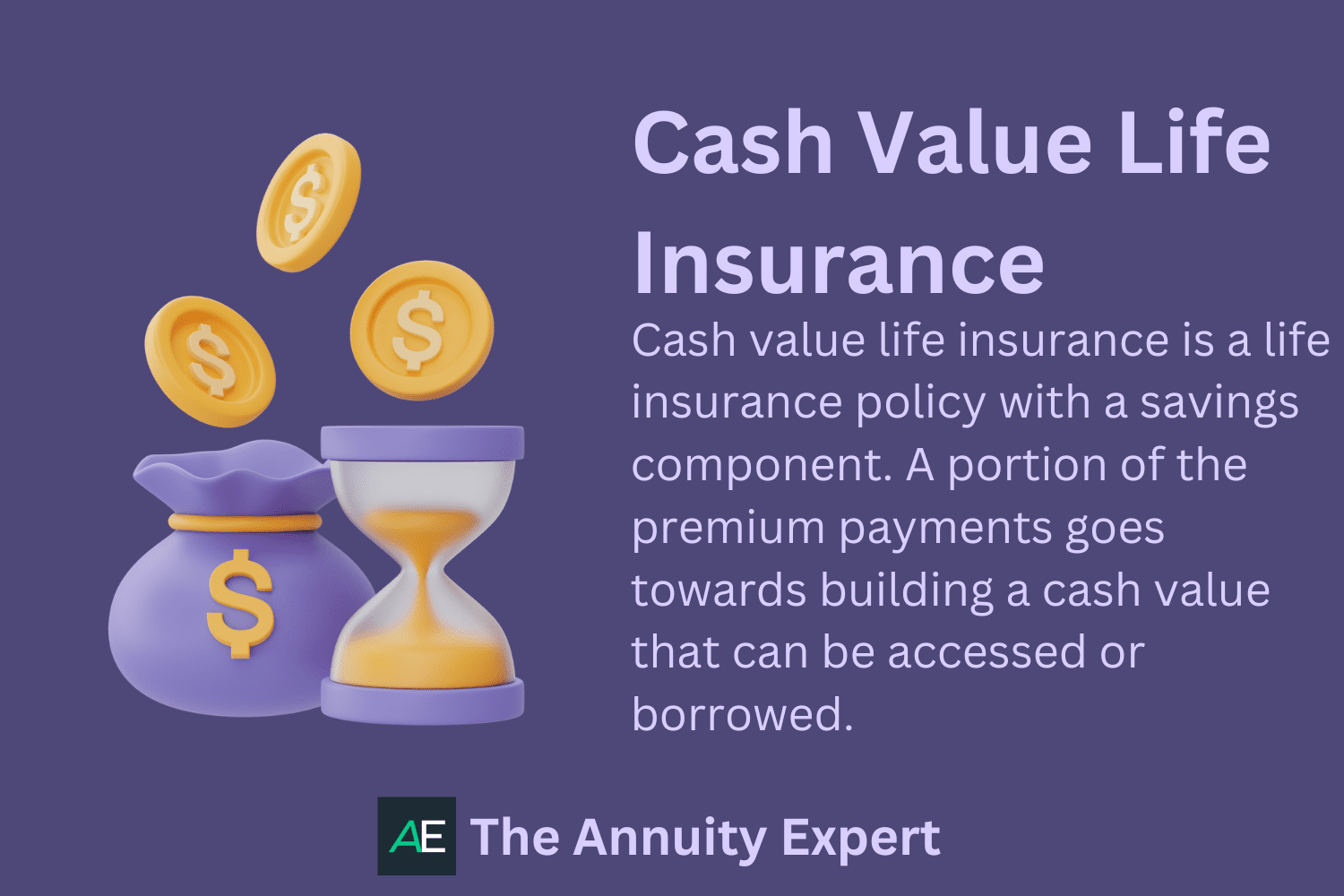
Cash value life insurance—often referred to as "permanent" life insurance—serves a dual purpose: it provides a death benefit to beneficiaries while building an internal equity account known as cash value. Unlike term insurance, which expires after a set period, these policies are designed to last a lifetime. As of 2026, the selection of a "best" policy depends heavily on your specific financial objectives, such as tax-advantaged wealth accumulation, estate liquidity, or supplemental retirement income.
Understanding the Mechanics of Cash Value Accumulation
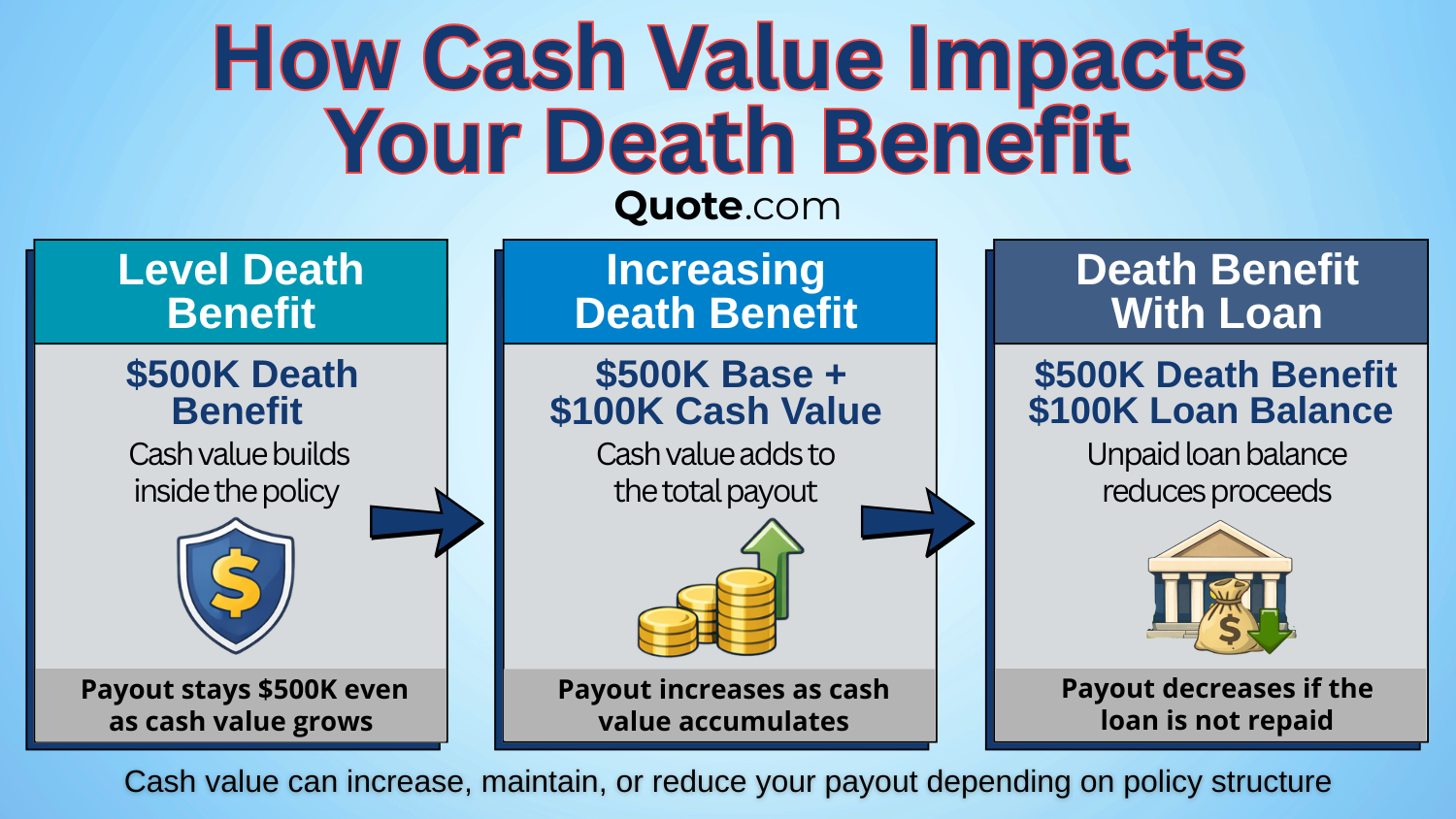
To identify the best policy, one must first understand how the cash value component grows. A portion of every premium payment is allocated to the policy's cash account after the insurance company deducts the cost of insurance (COI) and administrative fees. In the early years of a policy, a larger percentage of the premium goes toward these costs; however, as the cash value grows, it begins to generate internal earnings that can eventually offset the premium costs entirely.
The growth within these policies is tax-deferred under Internal Revenue Code Section 72(e). This means you do not pay taxes on the interest, dividends, or capital gains earned within the policy as they accrue. Furthermore, the 2026 tax landscape continues to favor these vehicles for high-net-worth individuals who have maximized their contributions to traditional qualified plans like 401(k)s or IRAs.
The Impact of Section 7702 Changes
Significant updates to Section 7702 of the tax code in recent years have altered how much cash can be "stuffed" into a policy without it being classified as a Modified Endowment Contract (MEC). In 2026, the guaranteed interest rates used to test these policies are lower than historical norms, allowing for higher cash-to-death-benefit ratios. This makes modern cash value policies more efficient for wealth accumulation than those issued a decade ago.
Top Categories of Cash Value Life Insurance
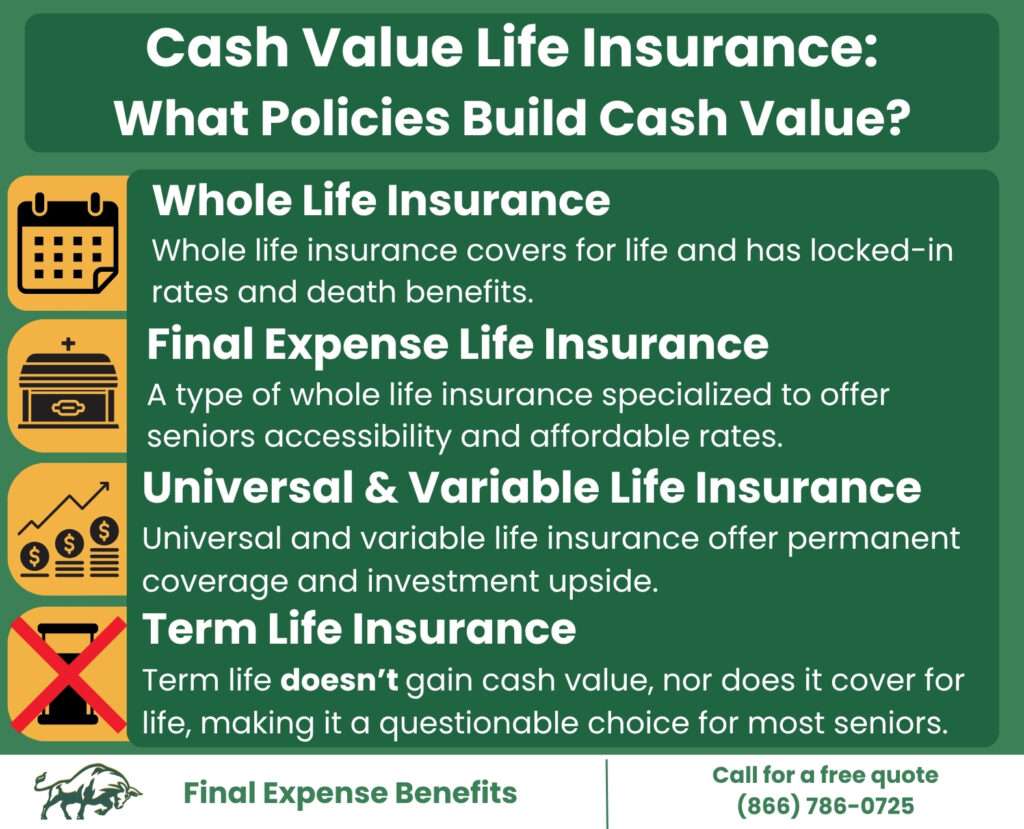
While "cash value" is a broad term, the market in 2026 is dominated by four distinct structures. Choosing the best one requires aligning the policy's risk profile with your own.
1. Dividend-Paying Whole Life Insurance
Whole life is the most predictable form of permanent insurance. It offers a guaranteed death benefit, guaranteed level premiums, and a guaranteed rate of cash value growth. The "best" whole life policies are almost exclusively offered by mutual insurance companies. Because these companies are owned by policyholders rather than shareholders, they pay out "non-guaranteed" dividends.
In 2026, the top-tier mutual carriers have maintained a century-long track record of paying dividends even during economic downturns. These dividends can be used to purchase "Paid-Up Additions" (PUAs), which exponentially increase both the death benefit and the cash value over time.
2. Indexed Universal Life (IUL)
IUL policies offer more flexibility than whole life. Your cash value growth is tied to a market index, such as the S&P 500, but you are not actually invested in the market. The policy typically has a "floor" (usually 0%), protecting you from market losses, and a "cap" or "participation rate" that limits your gains.
The best IUL policies in 2026 feature high participation rates and uncapped volatility-controlled indexes. They are ideal for individuals who want the upside of the stock market with a safety net against principal loss.
3. Variable Universal Life (VUL)
VUL policies allow the policyholder to invest the cash value directly into sub-accounts, which function similarly to mutual funds. This offers the highest growth potential but carries the highest risk, as the cash value can decrease if the underlying investments perform poorly. VULs are generally recommended only for sophisticated investors who can manage the underlying portfolio and withstand market volatility.
4. Guaranteed Universal Life (GUL)
While GUL policies technically have a cash value component, they are designed primarily to provide a lifetime death benefit at the lowest possible cost. They accumulate very little cash value compared to Whole Life or IUL. If your goal is pure protection that cannot be outlived, GUL is the best option, but it is a poor choice for wealth accumulation.
Comparison of Cash Value Policy Types
| Feature | Whole Life (Mutual) | Indexed Universal Life (IUL) | Variable Universal Life (VUL) |
|---|---|---|---|
| Growth Guarantee | Yes (Fixed Rate) | Yes (Floor of 0%) | No (Market Risk) |
| Upside Potential | Moderate (Dividends) | High (Capped Index) | Highest (Unlimited) |
| Premium Flexibility | Low (Fixed) | High (Adjustable) | High (Adjustable) |
| Investment Control | None (Carrier Managed) | Limited (Index Selection) | High (Sub-accounts) |
| Tax Treatment | Tax-Deferred | Tax-Deferred | Tax-Deferred |
| Primary Use Case | Infinite Banking / Stability | Supplemental Retirement | Aggressive Growth |
Criteria for Evaluating the "Best" Carriers in 2026
When shopping for a policy, the company's financial strength is more important than the initial illustration. An illustration is a projection, not a guarantee. You should prioritize carriers based on the following three pillars:
Financial Strength Ratings
Life insurance is a multi-decade commitment. You must ensure the carrier will be solvent 40 or 50 years from now. Look for companies with high ratings from independent agencies:
- A.M. Best: A+ or A++
- S&P Global: AA- or higher
- Moody's: Aa3 or higher
Historical Dividend Performance
For whole life policies, examine the Dividend Interest Rate (DIR) history. The best companies are not necessarily those with the highest DIR in a single year, but those that have demonstrated stability and consistency over the last 20 to 30 years.
Mutual vs. Stock Ownership
Preference should almost always be given to mutual companies (e.g., Northwestern Mutual, MassMutual, New York Life, Guardian) when purchasing whole life. Stock-owned companies (e.g., Prudential, Lincoln Financial) are often more competitive in the IUL and VUL space, where dividends are not the primary driver of growth.
The Role of Policy Loans and Liquidity
One of the primary reasons investors seek the best cash value policies is the ability to access capital via policy loans. Unlike a bank loan, a policy loan does not require a credit check or a specified repayment schedule.
In 2026, the best policies offer Non-Direct Recognition loans. In a non-direct recognition policy, the company continues to pay dividends on the full cash value, even the portion you have borrowed. This can lead to "positive arbitrage," where the dividend rate earned on the money is higher than the interest rate charged by the insurance company for the loan. This mechanic is the foundation of the "Infinite Banking" or "Be Your Own Banker" strategy.
Common Mistakes to Avoid
- Over-Funding vs. MEC Limits: If you put too much cash into a policy too quickly, it becomes a Modified Endowment Contract. This removes the tax-free nature of loans and withdrawals. A specialized agent must "solve" for the minimum death benefit required to support your desired cash contribution.
- Focusing Only on the Premium: The lowest premium is rarely the best value in cash value insurance. Lower premiums often mean higher internal costs of insurance later in life, which can erode the cash value.
- Neglecting Policy Riders: The best policies often include riders that add significant value. The Long-Term Care (LTC) Rider and the Waiver of Premium Rider (which pays your premiums if you become disabled) are essential for a comprehensive financial plan.
- Surrendering Too Early: Cash value policies are front-loaded with costs. If you surrender the policy within the first 5 to 10 years, you will likely receive less than you paid in. These are 20-year to life-long assets.
Frequently Asked Questions
Can I lose money in a cash value life insurance policy?
In a Whole Life or Indexed Universal Life policy, your principal is generally protected by guarantees or floors, meaning you cannot lose cash value due to market declines. However, in a Variable Universal Life (VUL) policy, you can lose money if the underlying sub-accounts perform poorly. Additionally, in any policy, if the internal fees (Cost of Insurance) exceed the earnings and you stop paying premiums, the policy could lapse.
How do I access the cash value tax-free?
You can access cash value tax-free through two methods: withdrawals up to your "basis" (the total amount of premiums paid) and policy loans for any amount above your basis. As long as the policy remains in force until your death, the loans do not have to be repaid, and the death benefit will cover the balance. If the policy lapses while a loan is outstanding, the loan balance becomes taxable income.
What is the average rate of return on cash value?
Historically, the internal rate of return (IRR) on a well-structured whole life policy from a top mutual carrier averages between 3% and 5% over a 20-year period. IUL policies may see IRRs in the 5% to 7% range, depending on market performance and caps. These returns are comparable to high-quality bonds but with the added benefit of tax-free access and a death benefit.
Is cash value life insurance a good investment for everyone?
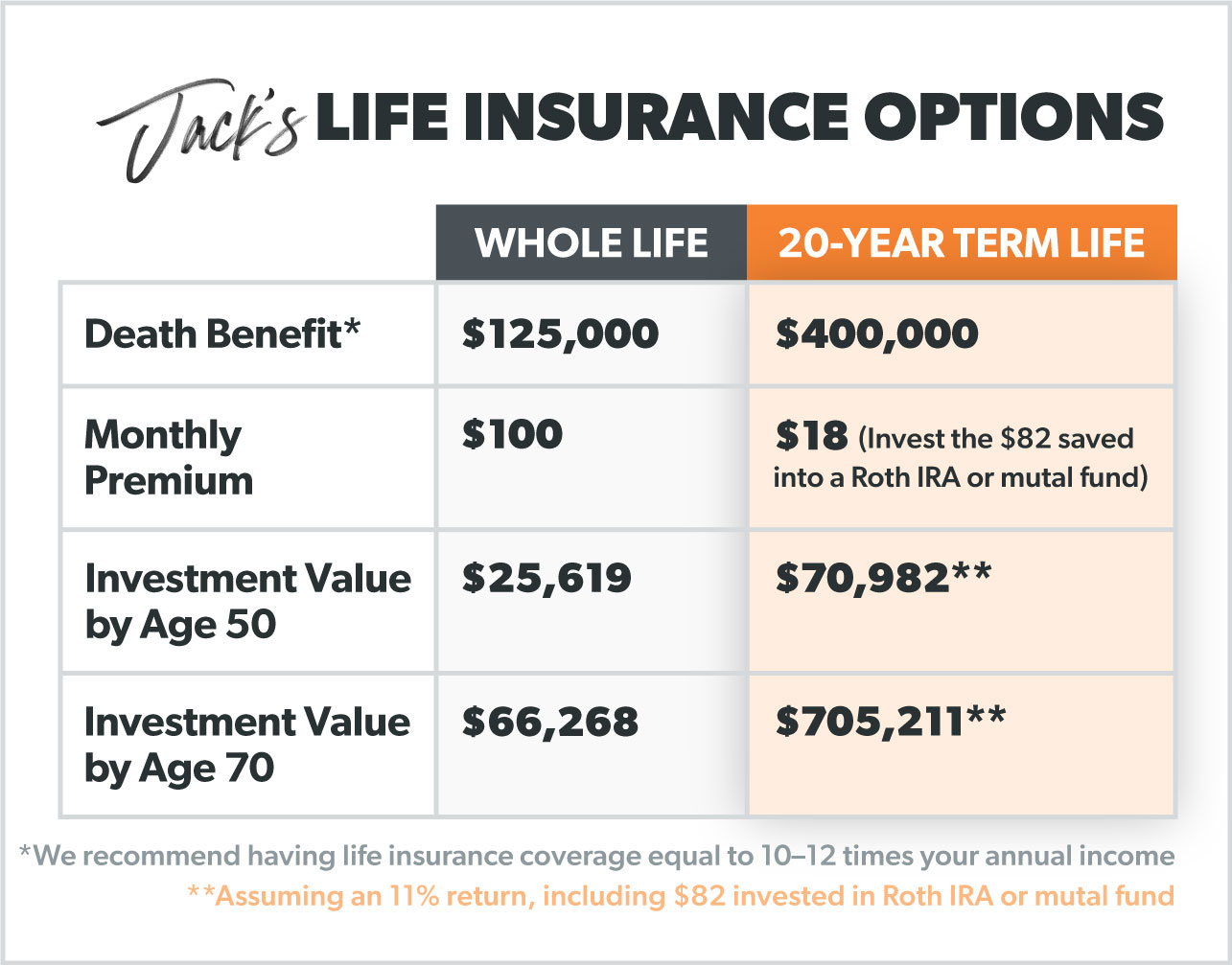
No. Cash value life insurance is typically best suited for individuals who have already funded their emergency savings and retirement accounts, or those in higher tax brackets looking for alternative "buckets" for wealth. It is also an excellent tool for estate planning. If you only need temporary protection for a mortgage or to protect young children, Term Life Insurance is significantly more cost-effective.
What is a "Direct Recognition" vs. "Non-Direct Recognition" policy?
This refers to how a company treats the cash value you have borrowed. A Direct Recognition company will lower the dividend rate on the portion of the cash value that is collateralizing a loan. A Non-Direct Recognition company pays the same dividend rate regardless of whether you have a loan. The latter is generally preferred for those who plan to use their policy as a personal line of credit.
Final Recommendation
To secure the best cash value life insurance policy in 2026, avoid "off-the-shelf" products from online aggregators. Instead, work with a specialized permanent insurance producer who can run "custom-designed" illustrations.
Request a policy design that prioritizes high early cash value through the use of Paid-Up Additions (PUA) riders. This structure reduces the agent's commission but significantly increases the efficiency of your wealth accumulation. Verify the carrier’s Comdex score—a composite of all major ratings—and ensure it is above 90 to guarantee you are dealing with the most stable institutions in the financial world.
Image Gallery