Understanding Moving Pod Rental Cost: A Comprehensive Pricing Breakdown
Moving pod rental costs generally range from $500 for a local move up to $5,000 or more for long-distance relocations, heavily influenced by factors such as container size, distance, duration of storage, and seasonal demand. Planning a...
Moving pod rental costs generally range from $500 for a local move up to $5,000 or more for long-distance relocations, heavily influenced by factors such as container size, distance, duration of storage, and seasonal demand.
Contents
Planning a relocation requires balancing physical labor, logistics, and financial expenses. Among the various solutions available to modern movers, portable moving containers—often referred to as moving pods—have emerged as a flexible alternative to traditional full-service moving companies and self-driven rental trucks. Understanding the financial commitment involved in renting these containers requires looking beyond a single base rate.
Navigating the market successfully means examining how pricing is structured, what variables shift the final invoice, and how these options stack up against alternative methods of moving your household goods.
What Are Moving Pods and How Do They Work?
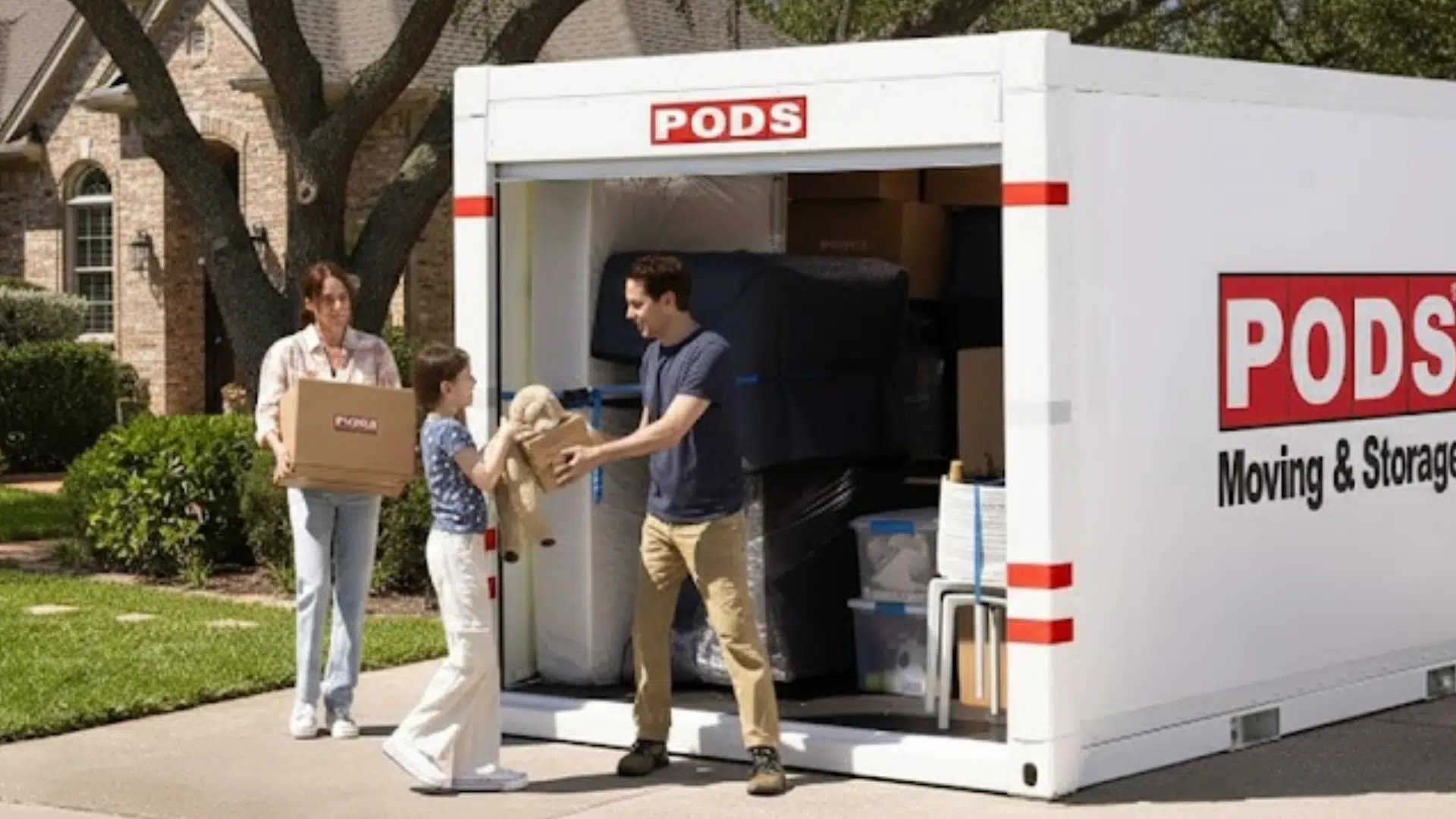
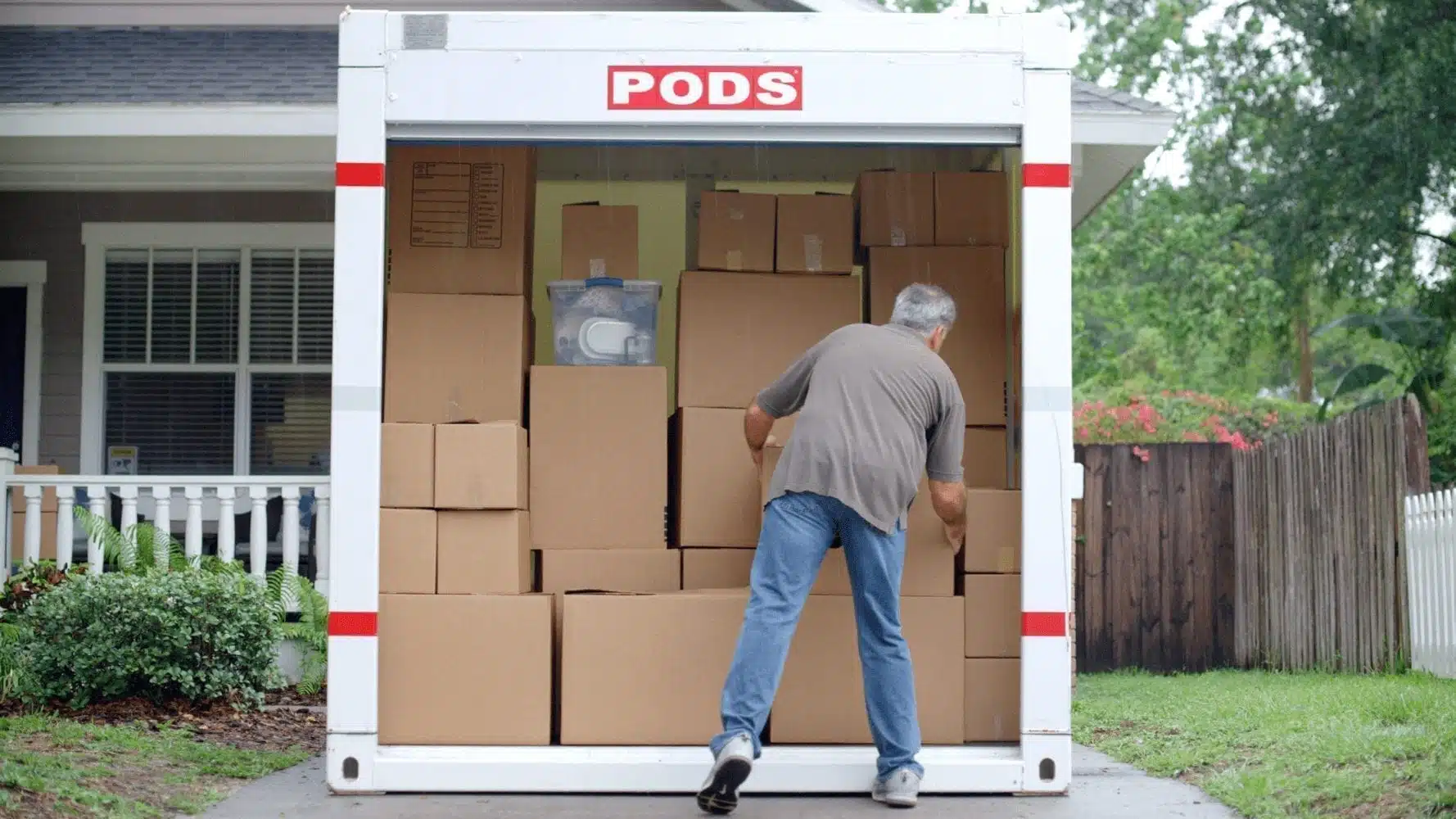
Portable moving containers are weatherproof, steel-framed or reinforced-polyethylene storage boxes delivered directly to your residence. Instead of rushing to load a rented truck within a rigid 24-hour window, you schedule a delivery window, keep the container on your property for as long as you need to pack at your own pace, and then have the provider pick it up.
The operational model relies on logistics networks managed by companies such as PODS (Portable On Demand Storage), U-Pack (ReloCube), 1-800-PACK-RAT, and Zippy Shell. Once packed, the container is either stored at a secure local facility or transported directly to your new destination. This hybrid approach combines self-packing with professional transport, changing how costs are calculated compared to traditional moving models.
Key Factors That Influence Moving Pod Rental Cost
No two moves are identical, which is why moving pod companies rarely offer flat-rate pricing without gathering specific parameters. The total expense is an aggregate of several distinct cost centers.
1. Distance and Transportation
Distance is the primary driver of your final bill. Local moves—typically defined as anything under 50 to 100 miles—are billed largely on container rental fees, delivery fees, and monthly storage rates. Because the container stays within the same local service area, transportation overhead is minimized.
Long-distance moves, conversely, factor in fuel surcharges, driver hours, and long-haul logistics. When a container travels across state lines, the pricing model shifts from a rental-centric fee to a line-haul transportation fee.
2. Container Size and Quantity
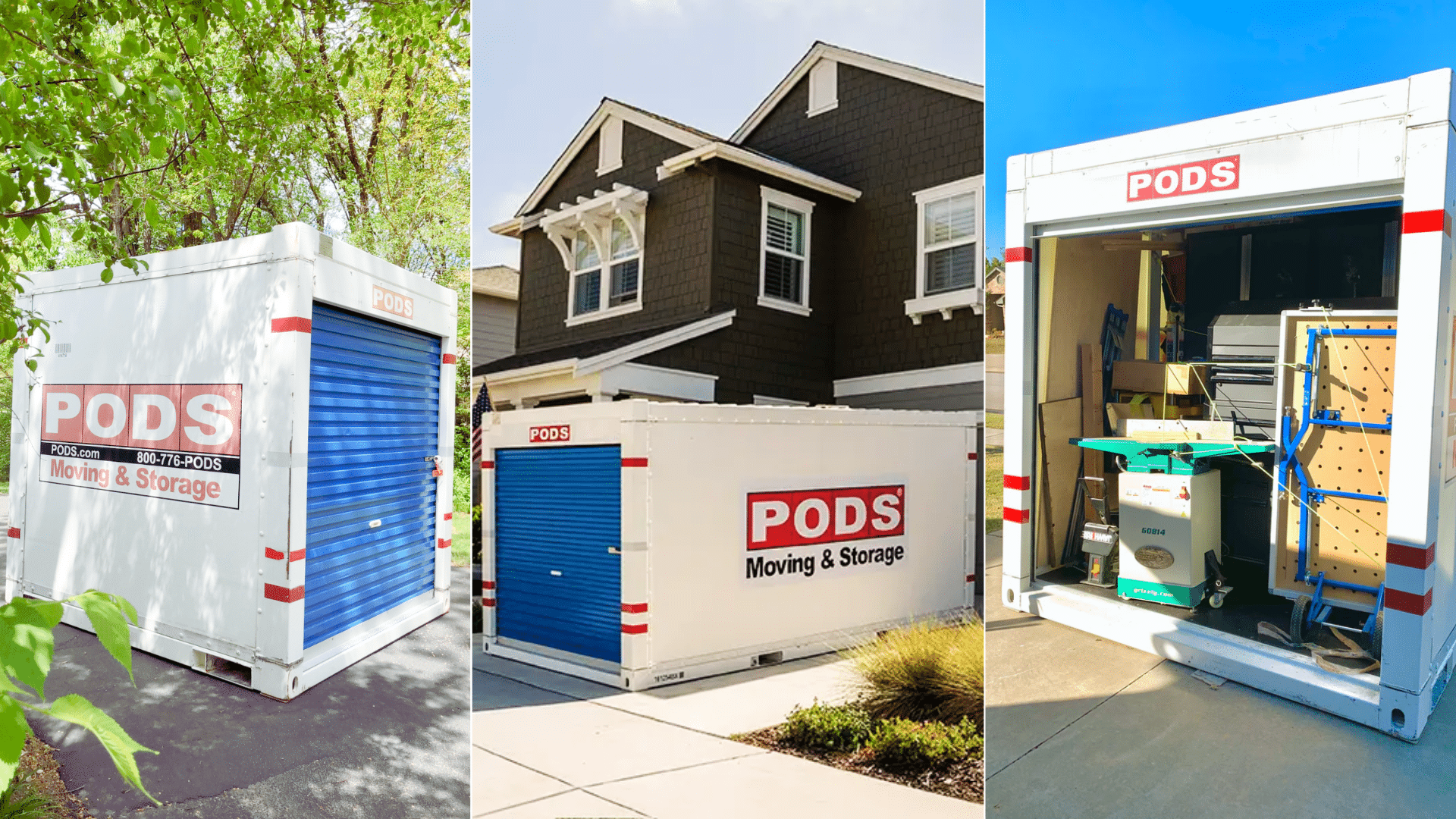
Providers typically offer multiple container sizes to accommodate varying home volumes. Common industry sizes range from small 7-foot or 8-foot containers (ideal for studio apartments or specific rooms) up to 16-foot containers designed to hold the contents of a 3-to-4 bedroom home.
- Small Containers (7–8 ft): Best for studio apartments or college dorms. Lower base rates, but you may need multiple units for larger homes.
- Medium Containers (12 ft): Suitable for 1-to-2 bedroom apartments or small townhomes.
- Large Containers (16 ft): Designed for 3-to-4 bedroom houses. Higher base cost, but more economical than renting multiple smaller units.
3. Rental Duration and Storage Fees
One of the primary benefits of moving pods is built-in flexibility. You can store your container on your own property or at a secure facility managed by the company.
- On-Property Storage: You generally pay a flat monthly rental fee for the container while it sits in your driveway or parking space, giving you unlimited time to pack or unpack.
- Facility Storage: If your new home isn't ready, the company will transport the pod back to their regional warehouse. This usually incurs a monthly storage fee in addition to extra transportation fees to drop the pod off again later.
4. Seasonality and Timing
The moving industry is deeply seasonal. Peak moving season runs from late spring through early autumn (May to September), with a heavy concentration of moves occurring at the end of each month. During these peak windows, demand surges, availability drops, and rental rates increase accordingly. Booking during the off-season (late fall and winter) or mid-month often yields lower rates and better container availability.
Estimated Cost Breakdown by Move Type
To provide a realistic financial picture, moving pod expenses can be segmented into local versus long-distance tiers. Keep in mind that these figures represent market averages and fluctuate based on geographic region and specific company pricing algorithms.
| Move Type | Typical Distance | Container Size | Estimated Cost Range |
|---|---|---|---|
| Local Move | Under 50 miles | 1 or 2 Medium/Large | $450 – $1,200 |
| Medium-Distance Move | 50 – 250 miles | 1 Large Container | $1,000 – $2,500 |
| Long-Distance Move | 1,000+ miles | 1 Large Container | $2,500 – $5,500+ |
| Multi-Container Long-Distance | 1,000+ miles | 2+ Large Containers | $5,000 – $9,000+ |
Hidden and Additional Fees to Anticipate
When budgeting for a portable storage container, looking only at the baseline quote can lead to unexpected expenses. Review your contract for the following potential line items:
- Delivery and Pick-Up Fees: Most companies charge distinct fees every time the container is moved—dropped off at your origin, picked up, transported, and delivered to your destination.
- Transit Surcharges: For long-distance moves, fuel price fluctuations can trigger additional fuel surcharges.
- Permit Fees: Depending on local municipal laws, placing a storage container on a public street, sidewalk, or HOA-regulated property may require a temporary parking or encroachment permit, which is the homeowner's financial responsibility.
- Protection Plans: Basic liability coverage is rarely sufficient for high-value items. Purchasing comprehensive contents protection or verifying coverage through your renters or homeowners insurance adds to the upfront cost.
Moving Pods vs. Traditional Moving Options
Choosing the right moving method requires weighing cost against labor and convenience.
Moving Pods vs. Rental Trucks (U-Haul, Penske)
Rental trucks are almost always the cheapest option for a DIY move. However, they require you to drive a massive, unfamiliar vehicle, often towing a car, over a compressed timeline. Moving pods eliminate the driving stress and allow you to load over several weeks, trading a portion of the financial savings for significant operational convenience.
Moving Pods vs. Full-Service Movers
Full-service moving companies handle every aspect of the physical labor: packing, loading, driving, unloading, and unpacking. While this is the most hands-off and least physically taxing option, it is also the most expensive—often costing two to three times more than a moving pod rental for the same volume and distance.
Frequently Asked Questions
Do I need a permit to keep a moving pod in my driveway?
Generally, no permit is required if the container sits entirely on your private property, such as a paved driveway. However, if the pod must be placed on a public street, alleyway, or shared residential parking spot, check local municipal ordinances and homeowner association (HOA) guidelines, as a temporary right-of-way permit is frequently mandatory.
How are long-distance moving pods transported?
For long-distance moves, the container is picked up by the provider's local driver, loaded onto a flatbed trailer or specialized lift-bed truck, and transported via commercial shipping networks or direct freight line-haul to a regional facility near your destination, where it is scheduled for final delivery.
What is the average monthly storage fee for a moving pod?
Monthly storage fees typically range from $150 to $350 per container, depending on the container size and the geographic cost of living in the region where the storage facility is located. This fee is separate from initial delivery and transportation charges.
Are my belongings insured while inside a moving pod?
Most moving pod companies offer minimal liability coverage by default. You should check your homeowners or renters insurance policy to see if personal property is covered while in transit or in temporary storage. Alternatively, you can purchase supplemental protection plans directly from the moving container provider.
Practical Next Steps for Your Move
To secure the most accurate pricing and ensure a smooth relocation, gather quotes from at least three different portable container providers at least four to six weeks before your target moving date. Confirm exact delivery dimensions, check local street permit rules with your municipality, and map out your packing strategy to avoid ordering more container capacity than your household actually requires.
Image Gallery