Why Young Celebrity Women Shape Pop Culture
Young celebrity women shape pop culture because they occupy the strategic center of digital native fluency, economic spending power, and identity-driven social movements. By leveraging parasocial relationships through social media, the...
Young celebrity women shape pop culture because they occupy the strategic center of digital native fluency, economic spending power, and identity-driven social movements. By leveraging parasocial relationships through social media, they dictate consumer trends and societal norms, transforming individual lifestyle choices into global cultural movements that redefine how audiences interact with brands and entertainment.
Contents
The Intersection of Digital Native Fluency and Fan Engagement
As we navigate the cultural landscape of 2026, it is evident that the "gatekeeper" model of the 20th century has been replaced by a decentralized, engagement-driven system. Young celebrity women—ranging from musicians and actors to digital-first creators—possess a unique mastery over this ecosystem. They do not merely participate in social media; they treat these platforms as architectural tools for community building.
The concept of digital native fluency refers to the intuitive ability to use platforms like TikTok, Instagram, and emerging decentralized social networks to create a sense of intimacy. Unlike the distant stars of the 1990s, today's young female celebrities employ a strategy of "curated vulnerability." By sharing behind-the-scenes struggles, unpolished aesthetic choices, or personal political views, they foster parasocial relationships—one-sided emotional bonds where the audience feels a deep, personal connection to the star.
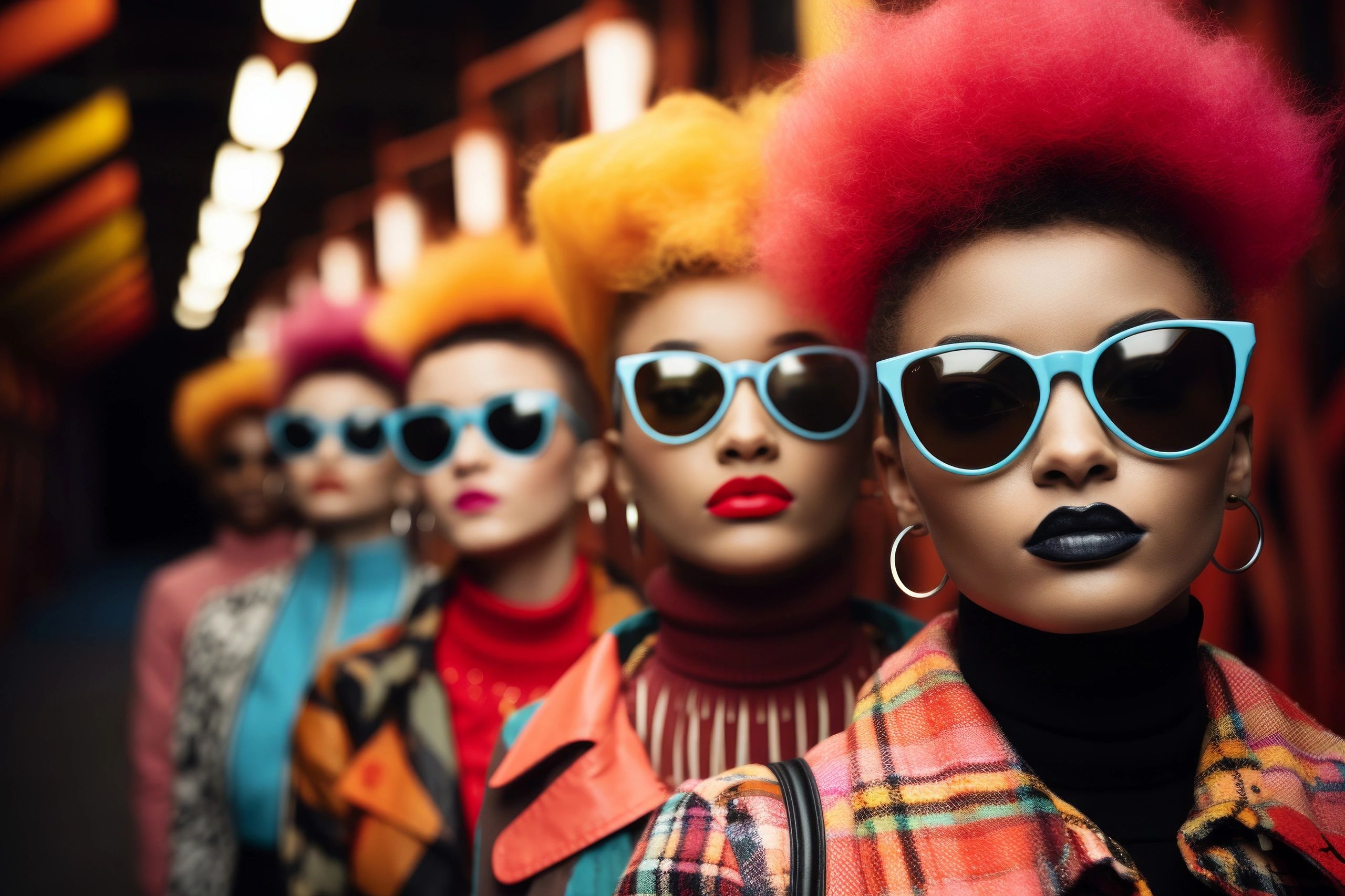
This connection is the engine of cultural momentum. When a young woman in the public eye adopts a specific aesthetic—such as the "clean girl" look of years past or the more maximalist, eclectic "chaos core" trends seen in 2026—her audience does not just observe it; they replicate it. This replication is facilitated by the algorithmic nature of modern media, where the actions of a few influential individuals are amplified millions of times over, creating a feedback loop that defines the "current moment."
Economic Power: The Tastemaker Effect and the "Pink Dollar"
The influence of young celebrity women is not just social; it is profoundly economic. Market research from firms like McKinsey & Company has long highlighted how Gen Z and Gen Alpha consumers—led primarily by young women—direct a significant portion of global discretionary spending.
When a celebrity like Olivia Rodrigo, Zendaya, or the rising stars of the mid-2020s aligns with a brand, the impact is instantaneous. This is often referred to as the Tastemaker Effect. Unlike traditional celebrity endorsements, which felt like paid advertisements, modern partnerships are often integrated into the celebrity’s personal brand identity.
In 2026, we see this most clearly in the "Aesthetic Economy." Products are no longer sold on utility; they are sold as components of a lifestyle. Young female celebrities are the primary architects of these lifestyles. Whether it is a specific shade of lip oil, a niche vintage fashion silhouette, or a particular type of digital hardware, the endorsement of a high-profile young woman acts as a "cultural greenlight." This creates a surge in demand that can disrupt entire supply chains, a phenomenon frequently documented by Harvard Business Review in its studies on the evolving nature of influence.
Historical vs. Modern Influence Models
To understand why the current influence of young women is so dominant, it is helpful to compare the modern landscape with previous eras.
| Feature | The Studio Era (1940s-60s) | The Paparazzi Era (1990s-2000s) | The Digital Autonomy Era (2026) |
|---|---|---|---|
| Primary Driver | Film Studios/Gatekeepers | Tabloids/Media Outlets | Algorithmic Platforms/Direct Access |
| Celebrity Role | Distant Idol | Passive Object of Scrutiny | Active Community Architect |
| Consumer Impact | Aspirational Beauty | Mass Market Retail | Micro-trend Acceleration |
| Communication | Press Releases/Interviews | Unauthorized Photos | Real-time Video/Live Streams |
| Revenue Model | Salary/Box Office | Endorsements | Direct-to-Consumer Brands/Equity |
Societal Mirroring: Identity and Authenticity as Currency
One of the primary reasons young female celebrities shape culture so effectively is their role as societal mirrors. Pop culture has always been a reflection of the collective psyche, and currently, that psyche is preoccupied with identity, mental health, and social justice.
Young women in the spotlight are often the first to navigate these complex issues publicly. When a celebrity discusses her neurodivergence, her struggles with body image, or her stance on environmental policy, she provides a template for her audience to do the same. This creates a shift in societal norms. For example, the de-stigmatization of mental health discussions in the early 2020s was driven largely by young female artists who integrated these themes into their music and social media presence.
Furthermore, the "Authenticity Currency" has become the standard for cultural relevance. In 2026, audiences are highly skeptical of overly polished or "corporate" personas. Young women who successfully project an "authentic" self—even if that authenticity is strategically managed—gain a level of trust that traditional institutions (governments, legacy media, corporations) lack. This trust allows them to lead conversations on everything from voting rights to sustainable fashion, making them the de facto leaders of cultural progress.
The Infrastructure of Influence: Management and Algorithms
While the talent and relatability of the individuals are crucial, the infrastructure supporting them is equally important. In 2026, the management teams behind young female celebrities have shifted their focus from "booking jobs" to "ecosystem management."
This involves:
- Data-Driven Aesthetics: Using social listening tools to identify which colors, sounds, and phrases are trending among the target demographic before the celebrity adopts them.
- Algorithmic Timing: Releasing content—whether a song snippet or a personal vlog—at times that maximize the potential for algorithmic "explosions" on video platforms.
- Cross-Platform Synergy: Ensuring that a celebrity's presence on a gaming platform, a fashion app, and a streaming music service is cohesive and reinforcing.
The Pew Research Center has noted that the high rate of social media consumption among young women creates a "high-velocity" culture. Because young women are more likely to share, comment, and remix content, any cultural artifact associated with a young female celebrity travels faster and reaches further than almost any other type of media.
Navigating the Pressures of Cultural Stewardship
Being the "shape" of pop culture comes with immense pressure. Young female celebrities are often held to impossible standards of consistency and morality. In 2026, the "cancel culture" of the previous decade has evolved into a more nuanced but equally demanding form of Cultural Stewardship.
The audience expects these women to be not just entertainers, but moral compasses and trendsetors. This dual role often leads to burnout or a public "reclaiming of narrative," where a celebrity might go dark on social media or radically change her image to escape the expectations placed upon her. Ironically, these acts of rebellion often become trends themselves, proving that even when they try to step away, young celebrity women continue to define the cultural conversation.
Frequently Asked Questions
Why are young women specifically more influential than young men in pop culture?
Young women historically drive the fashion, beauty, and music industries—sectors that require high frequency of consumption and social sharing. Additionally, the female demographic tends to engage more deeply with "fandom" culture, creating a more robust infrastructure for a celebrity’s influence to spread compared to the typically more fragmented male-focused niches.
How does the "Parasocial Relationship" affect consumer behavior?
A parasocial relationship creates a sense of "friendship" between the fan and the celebrity. When a fan feels they "know" a celebrity, they are more likely to trust their recommendations. This reduces the friction in the buying process, as the purchase is seen as a way to support a friend or emulate a peer rather than responding to a cold advertisement.
Can a celebrity’s influence survive if they leave social media?
By 2026, leaving social media is often viewed as a powerful branding move in itself—a "digital detox" that signals high status and authenticity. However, for a celebrity to maintain influence without an active presence, they must have already established a strong enough "mythos" or brand identity that their audience continues to discuss and emulate them in their absence.
What role does "authenticity" play in shaping pop culture?
Authenticity is the primary filter through which 2026 audiences judge cultural contributions. If a trend or message feels "industry-planted," it is often rejected. Young celebrity women who can successfully signal vulnerability or "realness" gain the social capital necessary to lead cultural shifts, as their audience views them as genuine representatives of their generation.
How do young celebrity women influence global politics?
Their influence is primarily "soft power." By normalizing certain social values or encouraging civic engagement (like voter registration drives), they can sway the political priorities of their massive audiences. While they may not write policy, they define the cultural climate in which policy is debated and enacted.
Practical Recommendation: Understanding Cultural Velocity
For marketers, researchers, and creators, the takeaway is clear: to understand where pop culture is heading, one must observe the patterns of young female celebrities and their core fanbases. The "velocity" of a trend is determined by its adoption within these communities.
If you are looking to align with cultural momentum, focus on community-building over broadcasting. Analyze the aesthetics and values being championed by the "Vanguard" of young female stars, but prioritize those who demonstrate long-term engagement over short-term viral spikes. In 2026, the most enduring influence is found in celebrities who act as curators of a shared identity rather than just providers of entertainment.
Image Gallery