How Much to Retire in California: A Complete 2026 Financial Guide
Retiring comfortably in California in 2026 typically requires a retirement nest egg ranging from $1 million to $1.5 million, depending on your lifestyle and location. With annual expenses often exceeding $75,000 in major metros, retire...
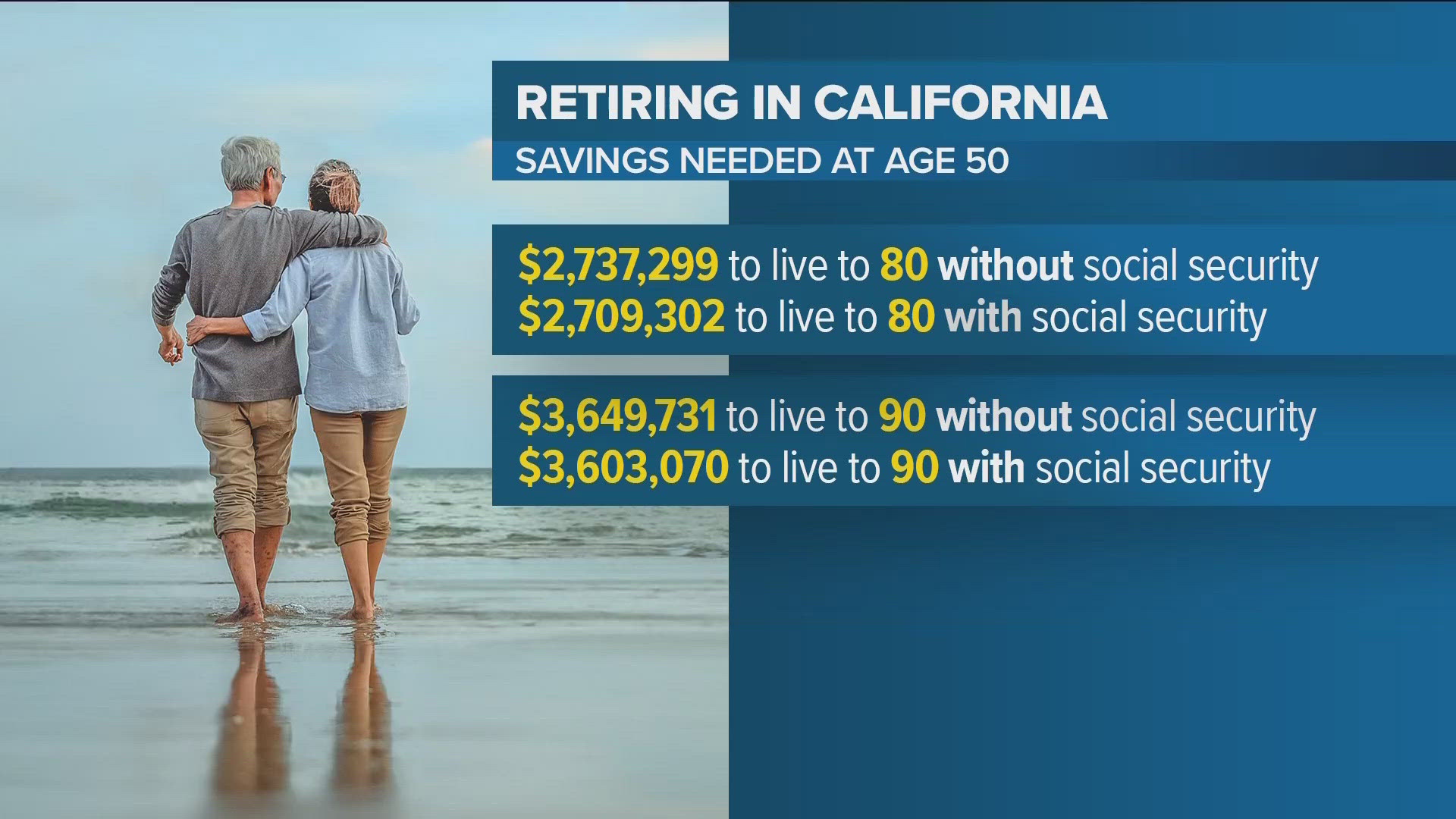
Retiring comfortably in California in 2026 typically requires a retirement nest egg ranging from $1 million to $1.5 million, depending on your lifestyle and location. With annual expenses often exceeding $75,000 in major metros, retirees must balance the state's high housing costs against favorable tax treatment of Social Security benefits to ensure long-term solvency.
Contents
The "Golden State" remains one of the most desirable retirement destinations in the United States, offering diverse climates, world-class healthcare, and robust cultural amenities. However, the financial barrier to entry is higher than in almost any other state. As of 2026, the intersection of persistent inflation, a complex tax code, and a volatile real estate market makes precise financial planning essential for anyone looking to spend their golden years in California.
The Foundation of California Retirement Costs
To understand the total capital required, one must first look at the "California Premium." According to the Council for Community and Economic Research, California consistently ranks among the top three most expensive states. In 2026, the cost of living is approximately 38% higher than the national average.
The Housing Hurdle
Housing is the primary driver of California’s high cost of living. Whether you own your home outright or intend to rent, the figures are significant. For those looking to buy, the median home price in California has stabilized near $850,000, though coastal enclaves frequently see medians well above $1.2 million.
If you already own a home in California, your greatest financial asset is likely Proposition 13. This 1978 landmark law limits property tax increases to 2% per year based on the assessed value at the time of purchase. For long-term residents, this creates a "locked-in" cost of living that makes staying in California much more affordable than moving to a new property within the state at 2026 prices.
Healthcare Expenditures
As we age, healthcare becomes a non-negotiable expense. While Medicare provides a safety net, it does not cover everything. In 2026, retirees should budget for Medicare Part B premiums, Part D (prescription drugs), and a Medigap or Medicare Advantage plan. In California, high provider competition in cities like Los Angeles and Sacramento can keep Advantage plan premiums lower, but out-of-pocket costs for specialized care remain high.
Retirees should anticipate spending between $6,000 and $9,000 per person annually on out-of-pocket healthcare costs, excluding long-term care insurance.
Analyzing the 2026 California Tax Landscape
California’s reputation as a "high-tax state" is partially a misconception for retirees. The impact of the California Franchise Tax Board policies depends heavily on the source of your income.
Social Security and Pension Treatment
One of the most significant advantages of retiring in California is that the state does not tax Social Security benefits. For a couple receiving the average 2026 Social Security distribution, this can represent a savings of thousands of dollars compared to states that tax these benefits.
However, California does tax most other forms of retirement income, including:
- Distributions from traditional IRAs and 401(k)s.
- Private and public pensions (with few exceptions).
- Capital gains and dividends, which are taxed as ordinary income.
Progressive Income Tax Brackets
California utilizes a highly progressive tax system. While the top rate is the highest in the nation (13.3%), retirees with modest incomes—falling into the $50,000 to $100,000 range—may find their effective tax rate is lower than in some "flat tax" states. For 2026, it is vital to calculate your effective rate rather than looking at the top marginal bracket.
Regional Cost Comparisons (2026 Estimates)
The "amount" you need to retire changes drastically based on whether you are looking at the Silicon Valley or the Central Valley. Below is a breakdown of estimated annual living expenses for a retired couple maintaining a comfortable, middle-class lifestyle.
| Region | Median Home Price (2026) | Est. Annual Expenses (Couple) | Suggested Nest Egg |
|---|---|---|---|
| San Francisco Bay Area | $1,350,000 | $115,000 - $140,000 | $2,200,000+ |
| Los Angeles / OC | $920,000 | $95,000 - $110,000 | $1,600,000+ |
| San Diego | $890,000 | $90,000 - $105,000 | $1,500,000+ |
| Sacramento / Roseville | $610,000 | $70,000 - $85,000 | $1,100,000+ |
| Inland Empire / Fresno | $540,000 | $60,000 - $75,000 | $900,000+ |
The 4% Rule in a High-Inflation Environment
For decades, the "4% Rule" has been the gold standard for retirement planning. It suggests that if you withdraw 4% of your initial portfolio in the first year and adjust for inflation thereafter, your money should last 30 years.
In 2026, some financial planners suggest a more conservative 3.3% to 3.5% withdrawal rate due to California’s specific inflationary pressures in services and utilities. For example, Pacific Gas and Electric (PG&E) and other California utilities have seen rate increases that outpace the national Consumer Price Index (CPI). If your annual goal is $80,000 in spending, and you expect $30,000 from Social Security, you need to generate $50,000 from your portfolio. Using a 3.5% withdrawal rate, you would need a portfolio of approximately $1.43 million.
Key Factors That Inflate California Retirement Costs
Beyond the basics of food and shelter, several specific factors can "break" a California retirement budget if not accounted for early.
- Transportation and Gas Taxes: California consistently has the highest gasoline prices in the nation due to environmental regulations and state taxes. Even in 2026, as electric vehicle (EV) adoption grows, the cost of registration and "road improvement fees" for EVs remains high.
- Insurance Costs: Fire insurance has become a critical issue in California. Retirees moving to "Wildland-Urban Interface" areas (like the Sierra Foothills or parts of Malibu) may find traditional homeowners insurance unavailable, forcing them onto the California FAIR Plan, which can be significantly more expensive.
- Lifestyle Inflation: California offers unparalleled access to fine dining, travel, and entertainment. If your retirement dream involves frequent trips to Napa Valley or skiing in Tahoe, your "discretionary" budget category needs to be 20-30% higher than it would be in the Midwest.
Strategies to Lower the Required Retirement Threshold
If the million-dollar-plus requirement seems daunting, several strategies can make a California retirement more accessible:
- Geographic Arbitrage: Moving from a high-cost area like San Jose to a lower-cost area like San Luis Obispo or Eureka can slash housing costs while keeping you within the state's borders.
- Downsizing and Proposition 19: Under California Proposition 19, homeowners aged 55 or older can transfer the tax basis of their primary residence to a new home of any value, anywhere in the state, up to three times. This allows retirees to sell an expensive family home and buy a smaller one without facing a massive property tax spike.
- Delaying Social Security: By waiting until age 70 to claim benefits, you can increase your monthly check by roughly 8% for every year delayed past your full retirement age. In a high-cost state like California, this larger guaranteed, inflation-adjusted, and state-tax-free income stream is invaluable.
Frequently Asked Questions
Is $1 million enough to retire in California in 2026?
For a single individual or a couple with a paid-off mortgage in a lower-cost region (like the Central Valley or parts of the Inland Empire), $1 million can be sufficient. However, for those renting or living in coastal cities, $1 million may result in a "lean" retirement that leaves little room for unexpected medical costs or travel.
Does California tax out-of-state pensions?
Yes. If you are a resident of California, the state taxes your pension income regardless of where the employer was located or where you earned the pension. The only major exception is Social Security.
What is the average cost of assisted living in California?
In 2026, the average cost for assisted living in California ranges from $5,500 to $8,500 per month. This varies by the level of care required and the region, with the San Francisco Bay Area representing the high end of the spectrum.
How does the California "Wealth Tax" affect retirees?
As of 2026, California has discussed various "wealth tax" proposals targeting ultra-high-net-worth individuals (typically those with $50 million+ in assets). For the vast majority of retirees with nest eggs between $1 million and $5 million, these proposals do not currently apply.
Are there any cities in California that are affordable for retirees?
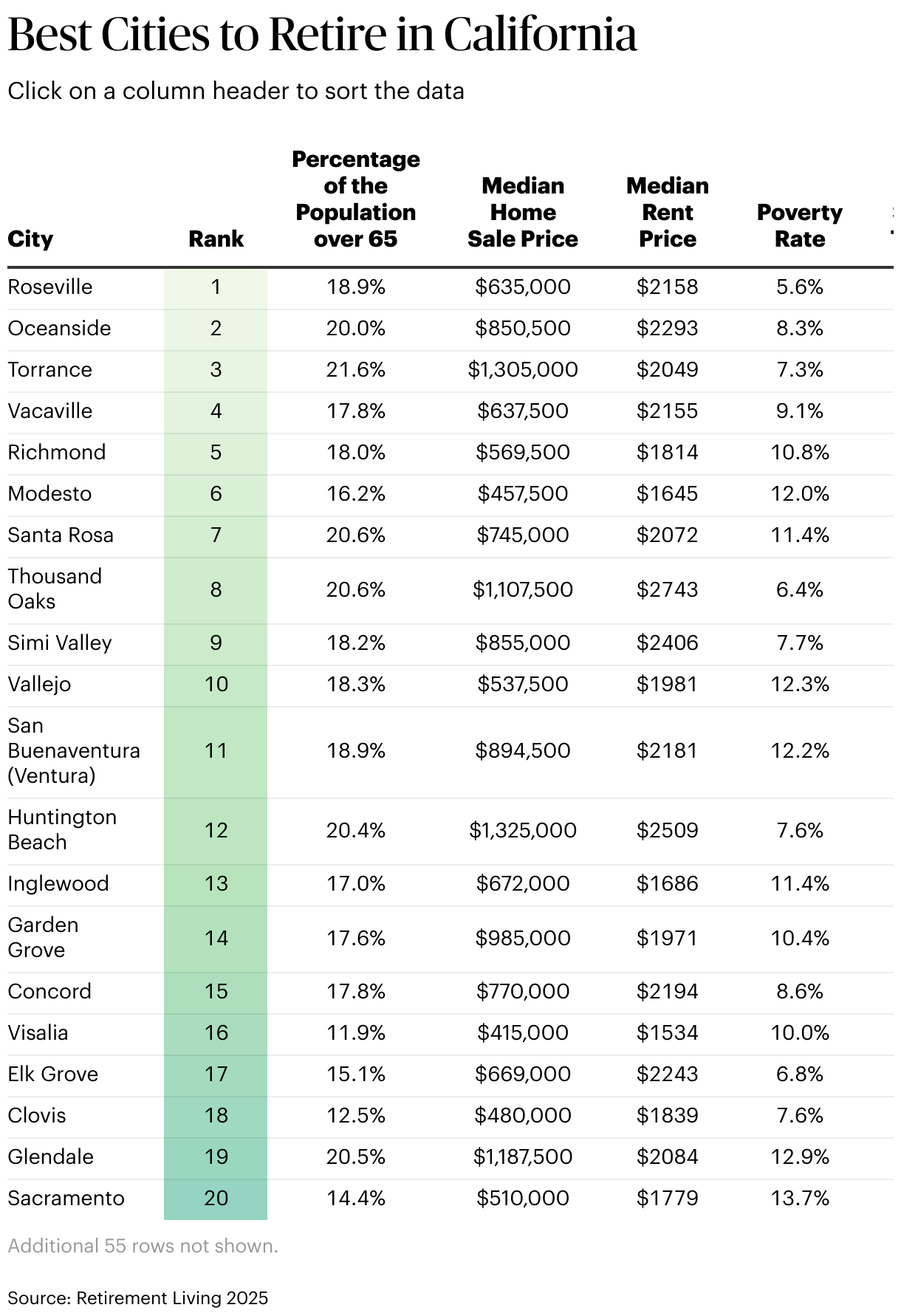
Cities such as Bakersfield, Fresno, Clovis, and Redding offer a significantly lower cost of living than the state average. In these areas, it is still possible to find high-quality housing and services that align with a more modest retirement budget.
Next Steps for Your California Retirement
To determine your personal "California Number," begin by tracking your current expenses for three months. Adjust these figures for the 2026 reality of California utilities and insurance. Consult with a fee-only financial advisor who specializes in California’s unique tax code—specifically regarding Prop 13 and Prop 19—to ensure you are maximizing your property tax advantages. Finally, consider a "test retirement" by renting in your target California city for several months before committing to a home purchase.
Image Gallery